F-105 Combat Operations
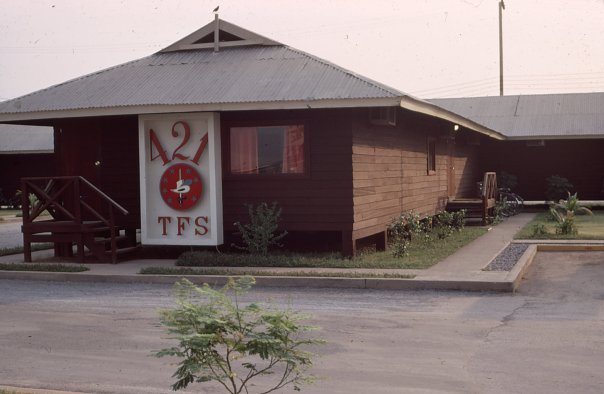
Stationed at Korat RTAFB, Thailand, 28 November 1965 – 24 April 1967
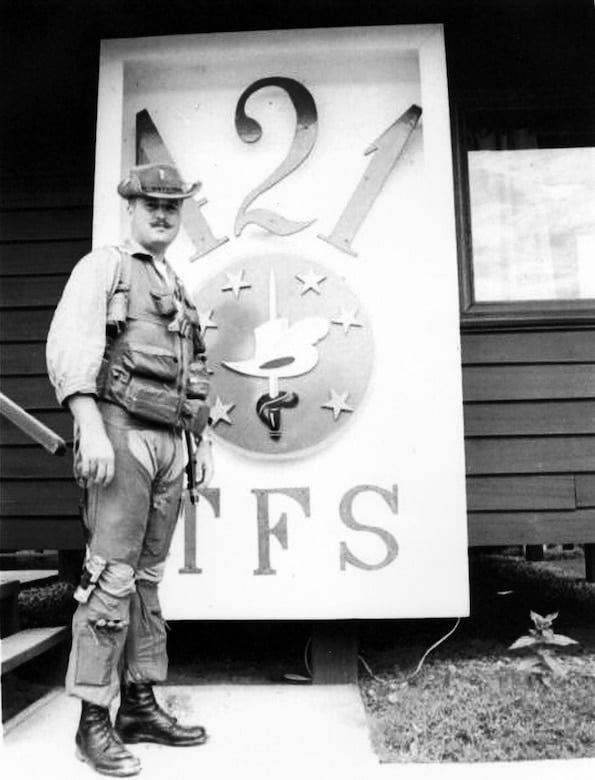
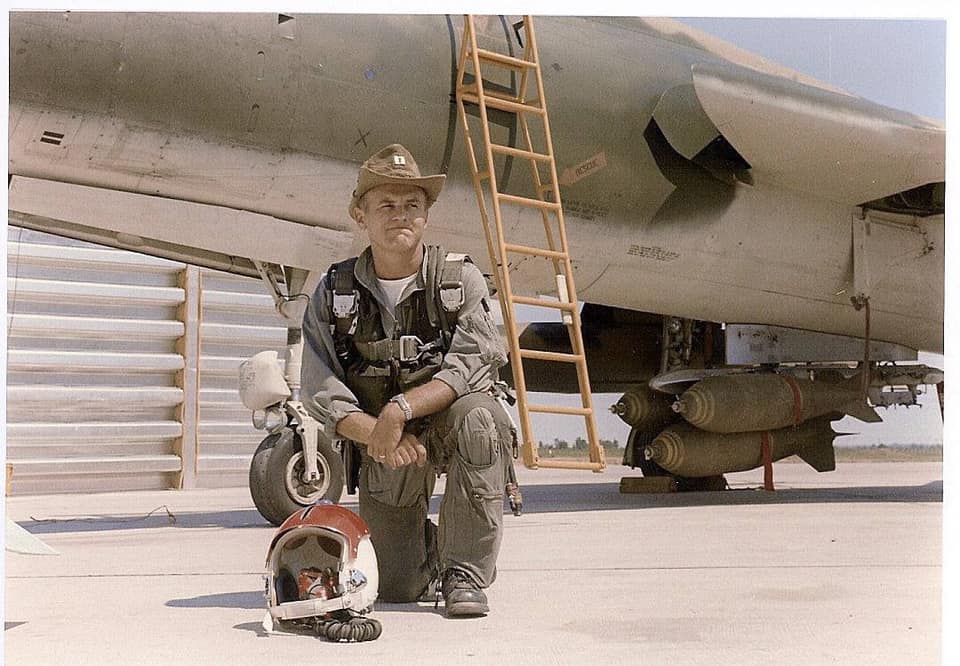
Stationed at Korat Royal Thai Air Force Base (RTAFB), Thailand, from November 1965 to April 1967, the 421st Tactical Fighter Squadron, known as the Fighting Cavaliers, quickly established itself as one of the U.S. Air Force’s most active F-105 Thunderchief units during the Vietnam War.
Before arriving in Thailand, the squadron had deployed to Kadena Air Base, Okinawa, where crews were rotated through the 354th Tactical Fighter Squadron in Southeast Asia to gain valuable combat experience. The move to Korat in late November 1965 marked the beginning of full-scale combat operations, with the squadron flying its first missions from the Thai base on 28 November 1965. Initially operating under the 6234th Tactical Fighter Wing, the unit later became part of the newly activated 388th Tactical Fighter Wing in April 1966.
One of the squadron’s most remarkable achievements occurred on 29 June 1966, when commander Major Fred L. Tracy became the first F-105 pilot to shoot down a North Vietnamese MiG-17.
The mission began as a Wild Weasel escort sortie supporting a major strike against Hanoi’s petroleum storage facilities. Tracy, flying as the lead of a SAM-suppression flight, had already helped destroy a missile site southeast of Thud Ridge when four MiG-17s attacked his formation. Focused on locating the incoming strike package, the flight was caught by surprise.
The engagement quickly turned violent. Tracy’s F-105 absorbed multiple hits from 23 mm and 37 mm cannon fire. One shell penetrated the cockpit, passed just above the throttle, and lodged behind the instrument panel without exploding. The impact destroyed most of his flight instruments and rendered his gunsight inoperative. Despite the damage, the Thunderchief’s engine continued to run flawlessly and its six-barrel 20 mm Gatling gun remained operational.
Executing a high-G barrel roll, Tracy maneuvered behind one of the attacking MiGs. With no gunsight available, he used the aircraft’s pitot boom as a crude aiming reference. When he fired, the stream of 20 mm rounds struck the MiG along its fuselage and wing root. Tracy watched as the fighter’s left wing folded over its tail before it disappeared into cloud at low altitude, becoming the first confirmed MiG victory for an F-105 pilot.
The Fighting Cavaliers’ combat operations and the dedication of the pilots and maintenance crews attracted national attention. Members of the squadron were featured in the acclaimed documentary “There Is a Way,” which highlighted the demanding nature of air operations over North Vietnam.
By 1967, however, changes in force structure meant the squadron’s days as an F-105 unit were drawing to a close. On 24 April 1967, the 421st Tactical Fighter Squadron departed Korat, and its place was assumed by the 44th Tactical Fighter Squadron. Although its tenure in Thailand lasted less than eighteen months, the Fighting Cavaliers left behind an impressive combat record, marked by aggressive operations, pioneering Wild Weasel missions, and one of the most memorable air-to-air victories achieved by the Thunderchief during the Vietnam War.
Squadron Photos
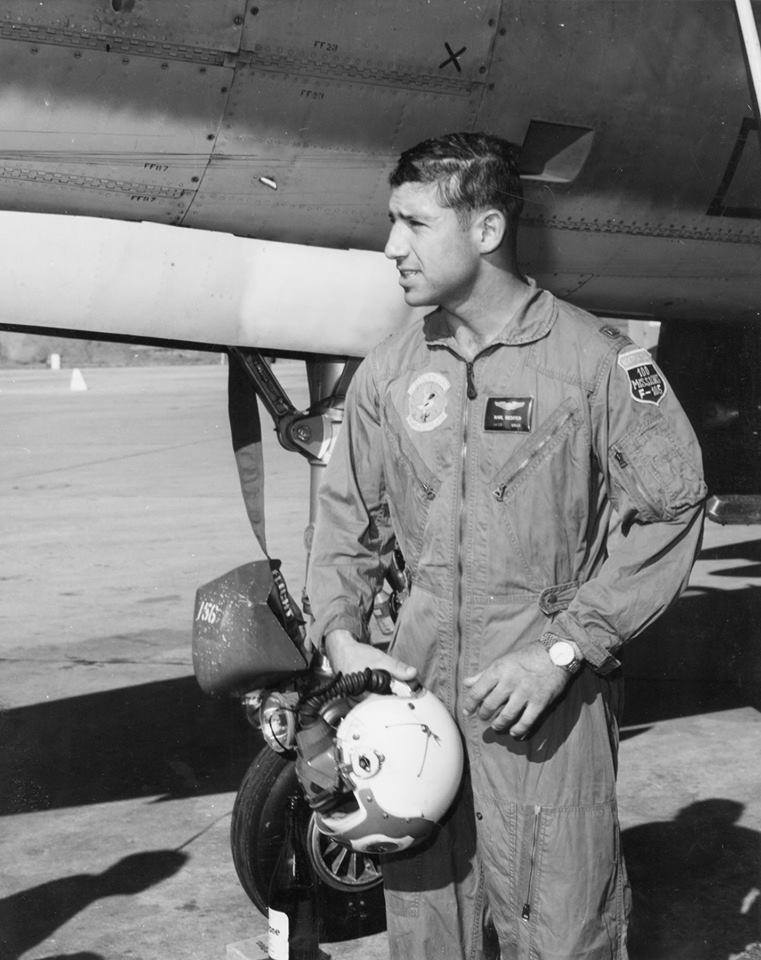
KIA July 28, 1967