40th/469th History – May 1967 thru November 1969
By Don Drinnon
I have had the idea of putting this album together for many years. During that time, I have collected and created many documents and stories that cover the period of our time together, 1967-2022.
-The formation of the 40th TFS in April 1967 at Eglin AFB, Florida
-The conversion from the F-4D to the F-4E -The intensive training, preparation and deployment of 57 crewmembers and 20 F-4E aircraft to Korat RTAFB, Thailand
-Becoming the 469th TFS
-Introducing the F-4E to the Vietnam War
We all went our separate ways after the completion of our combat tours; most to USAFE, some to stateside bases, and a few to PACAF. Those in Europe, with a few attending from the US, had a reunion in Germany in 1972 and then in 1994 we started having reunions in the States. The album includes some of the activities associated with those reunions and also crewmembers that joined the Squadron while we were in Korat. As you go through these pages , it will become apparent that several of the guys contributed to its creation by providing their own experiences or photographs. Thanks to all of them.
It has been a fun experience to capture and present the information for our families and descendants. Thanks to all who supported the effort and please enjoy and share the album.
During late 1966 and into 1967, the 33rd Tactical Fighter Wing at Eglin AFB, Florida, had four squadrons of F-4D Phantoms. The 33rd had been deploying full squadrons, about 20 aircraft and 55 crew members, of F-4Ds to Southeast Asia (SEA) and then, as soon as one squadron would deploy, the squadron would be reformed and several months later after all the new personnel and aircraft were available and trained, the squadron would deploy again. In May 1967, the 40th Tactical Fighter Squadron, with a full complement of F-4Ds and crewmembers, deployed to Ubon Royal Thai Air Force Base, Thailand. As soon as that Squadron deployed the 40th was reconstituted and subsequently deployed in November, 1968, to Korat Royal Thai Air Force Base, Thailand. This is the history of that squadron.
The 40th at Eglin AFB
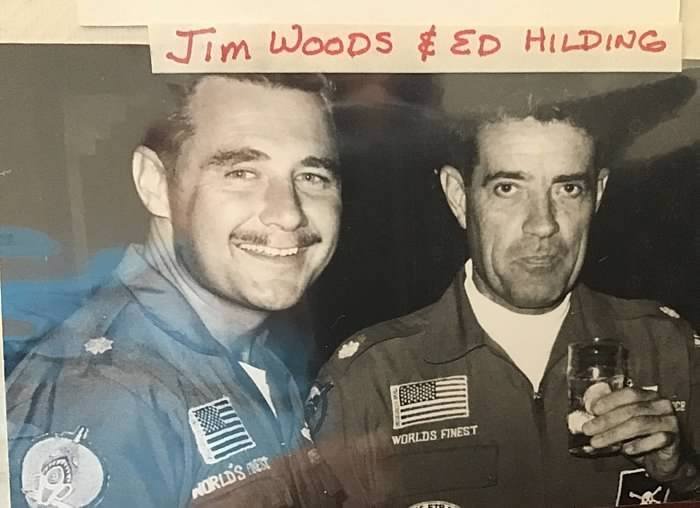
The commander who formed the squadron was Lt Col Ed Hillding. The 40th had been identified to be the first squadron in the USAF to receive the newest Phantom model, the F-4E. The E Model had several enhancements over previous models; upgraded radar, bomb delivery systems, and engines, but the greatest enhancement was the addition of an internal gun, a 20mm gatling gun. All previous models of the F-4 did not have a gun and if they were to use a gun in combat, they had to carry the gun mounted on one of the external weapons or fuel tank pylons. The external gun significantly reduced the effectiveness of the F-4 with its drag and utilizing a pylon normally used for an external fuel tank. The 40th was to also perform what was then known as Cat III testing of the new F-4Es. This was the squadron level operational testing of the aircraft by an operational unit. Once the testing was complete, all personnel assigned and properly trained, and a full complement of aircraft were available, the squadron would deploy to Korat RTAFB. Initially this was planned to be in the spring of 1968. The date was slipped to November 1968, primarily due to delays in the development and acquisition of the new radar.
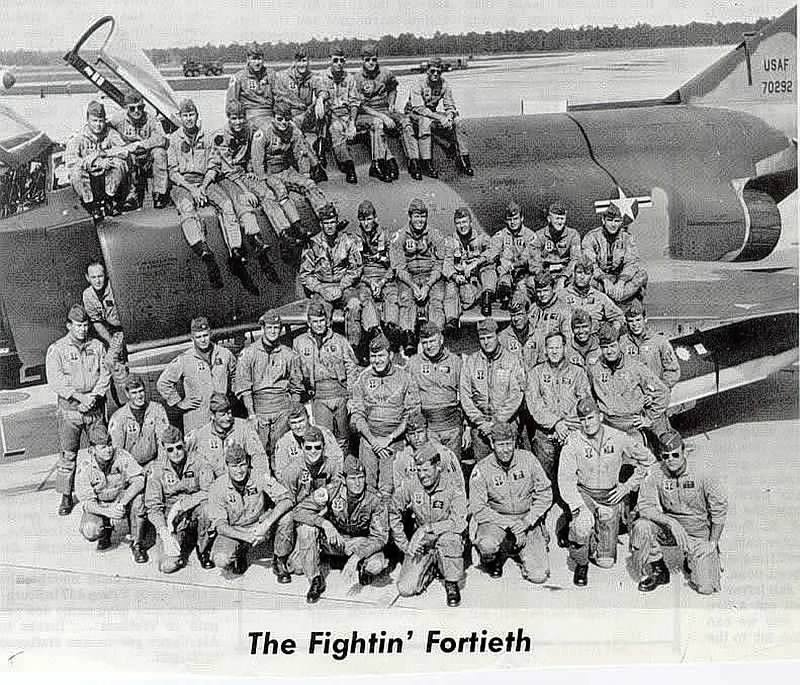
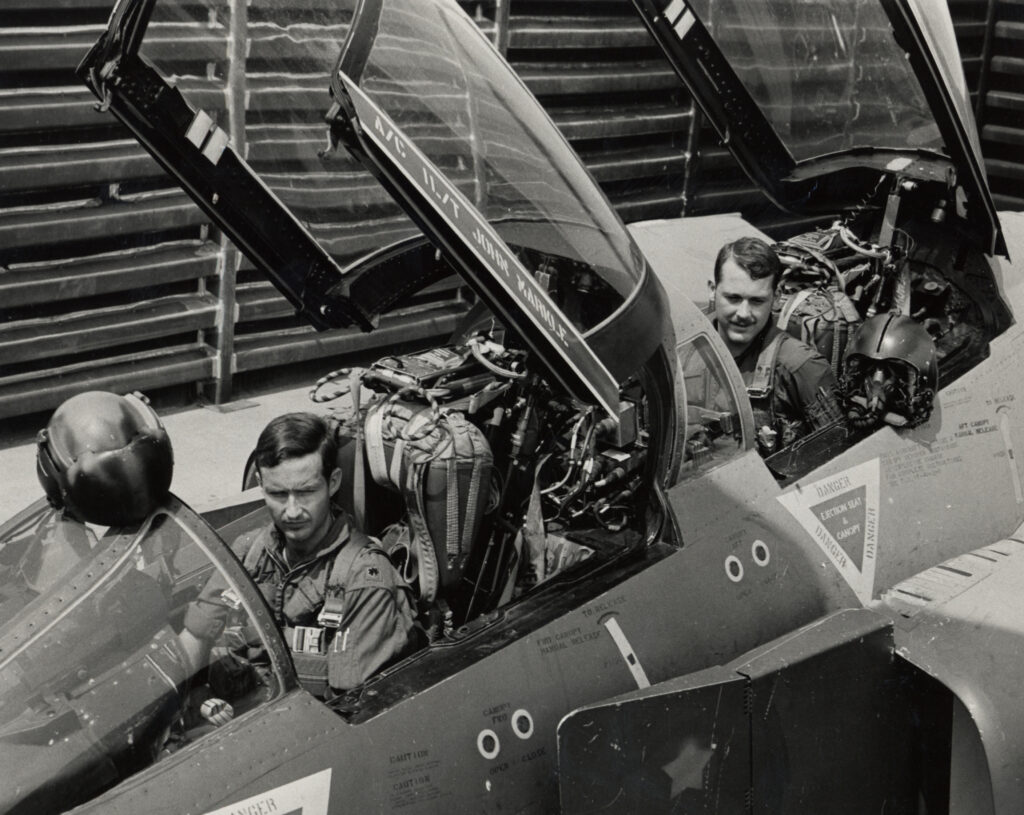
The aircrew members of the 40th were all pilots. Col. Hillding seemed to have had a large influence on the selection of the aircraft commanders (ACs), or front seaters, as most were highly experienced fighter pilots. Also, the timing of the formation of the squadron happened to correspond with a class graduating from the Air Force Command and Staff College and many of the ACs came from there directly to Eglin. Any fighter pilots who may have had some influence on their assignments wanted to be assigned to the 40th in order to get to fly the new F-4E. Of the 27 ACs, only about 5 had little fighter time. The back seaters, or officially Weapon Systems Operators (WSOs) or unofficially GIBs for Guy in Back, were all directly from pilot training and the initial F-4 training. In early 1968, most all the GIBs in the squadron were reassigned to upgrade to the front seat and a second group of GIBs joined the squadron. This meant that the ACs had been flying together for about 1.5 years when the squadron deployed and the full crews about six months. This training, coupled with a very good airplane, and mostly very experienced crew members, made the 40th a very effective unit once it reached SEA.
The Deployment
The squadron sent an advanced party of 4 ACs, 3 GIBs and 17 maintenance personnel to Korat to set up operations in advance of the squadron’s arrival. The crewmembers received theater checkouts at Ubon RTAFB or Udorn RTAFB in order to be able to checkout the squadron personnel upon their arrival. C-141 aircraft were used to transport all the maintenance personnel and equipment to Korat also in advance of the F-4E’s arrival. Aircrews not assigned to fly one of the 20 aircraft also deployed on the C-141s.
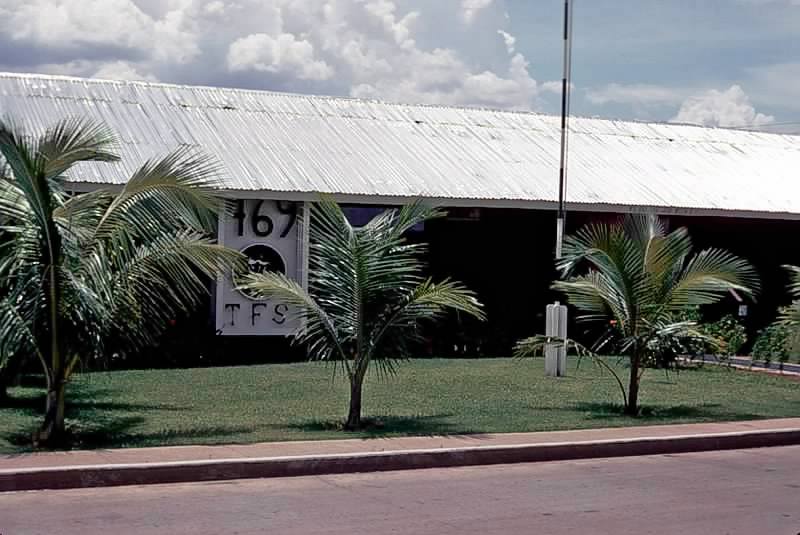
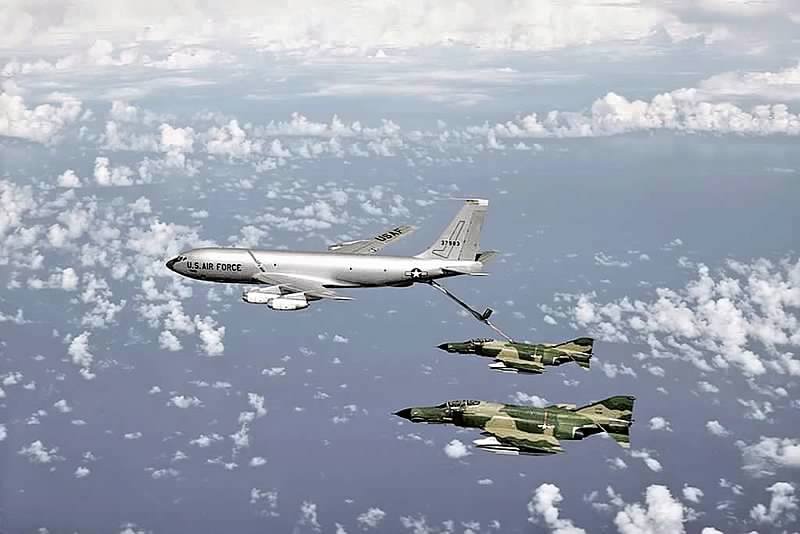
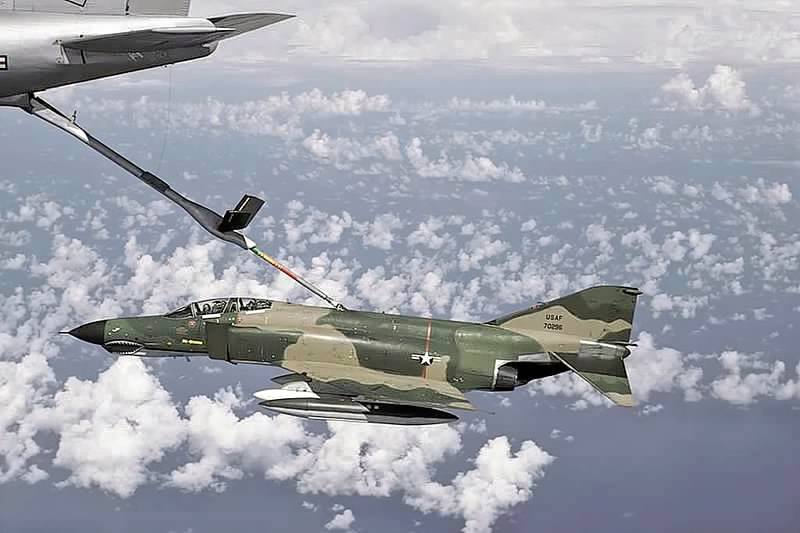
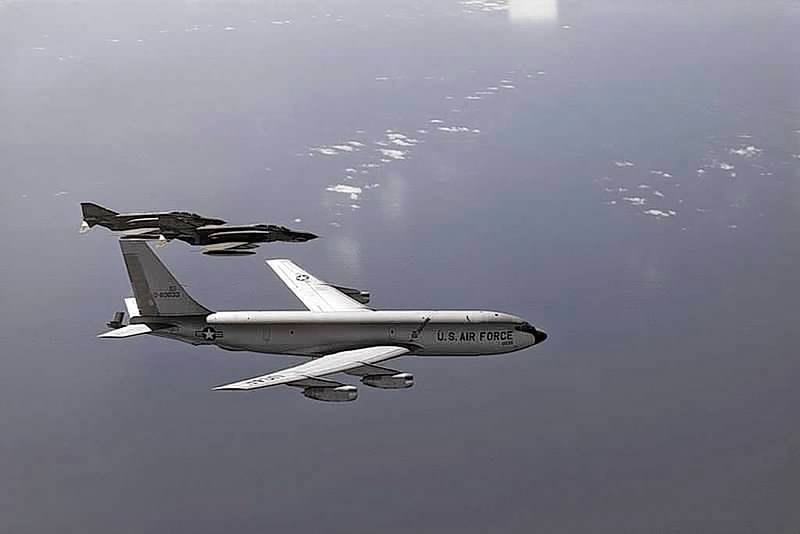
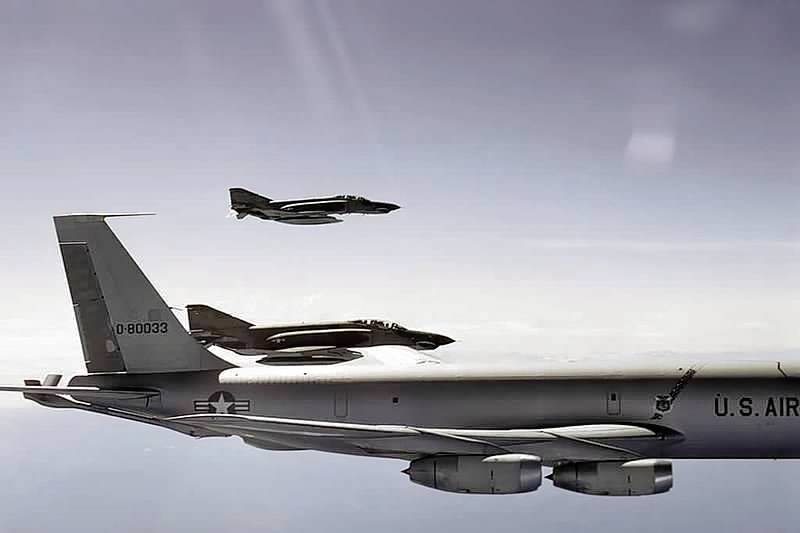
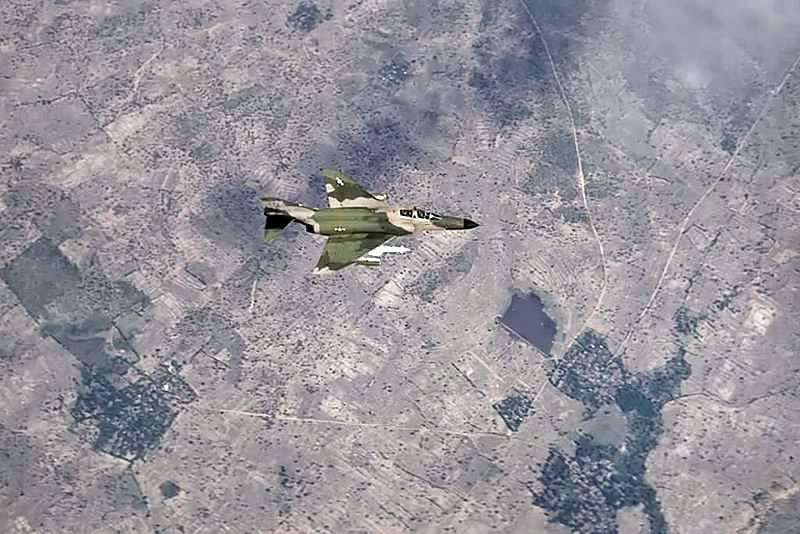
The squadron deployed with 22 aircraft and 57 crewmembers from Eglin for Korat on 13 November 1968. Two of the aircraft were spares to ensure that 20 aircraft reached Korat. One aircraft aborted to George AFB, California, when it had air refueling problems so that only 21 aircraft landing in Hawaii. The second spare was left in Hawaii and 20 aircraft continued onto Korat, arriving on 17 November 1968. The squadron made a full flyby of the base and landed without incident. They were met by many senior AF officers and Korat personnel along with their own advanced party and the crew that had aborted into George AFB. They beat the squadron to Korat. Upon landing the squadron personnel and aircraft were assigned to the 469th Tactical Fighter Squadron as part of the 388th Tactical Fighter Wing. Until that time the 388th had been comprised of two squadrons flying the F-105, now they had one squadron of F-105s and one of F-4Es.
F-4E Combat Flying
During the period that this history covers, President Johnson had declared a bombing halt against North Vietnam. This meant that nearly all of our missions were flown against targets in Laos. The focus of the combat missions was the interdiction of supplies heading to South Vietnam along the areas of the Ho Chi Minh trail that passed through Laos and supported the Pathet Lao. There were no SAMs or North Vietnamese aircraft deployed in Laos against the F-4Es during the period.
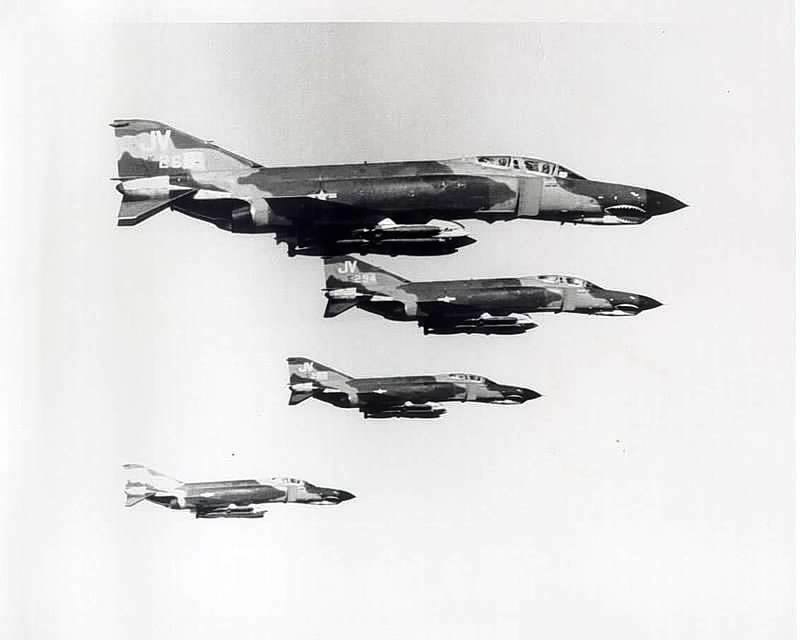
Occasionally, missions would be flown into North Vietnam to escort reconnaissance missions or against artillery sites that fired across the border near the Ho Chi Ming trail.
The F4-Es and the crews of the 469th quickly became recognized throughout the bases in Thailand as not just another F-4 squadron. The F-4E was extremely effective with its internal gun and the improved bombing system, called Dive Toss, especially with very well-trained experienced crews and extremely well-maintained aircraft.
Two crews and aircraft were lost during the period. Both crew losses occurred in January, 1969. The first crew loss was due to an accident shortly after a nighttime takeoff when, it is presumed, the aircrew became disoriented and crashed. The second crew was lost, also at night, in the target area and presumed to have been shot down. They were listed as MIA until 1983 when changed to KIA. When the lost crews were replaced, the squadron got its first navigators as GIBs. Until that time all the crewmembers were pilots. From that time on any new GIBs were navigators.
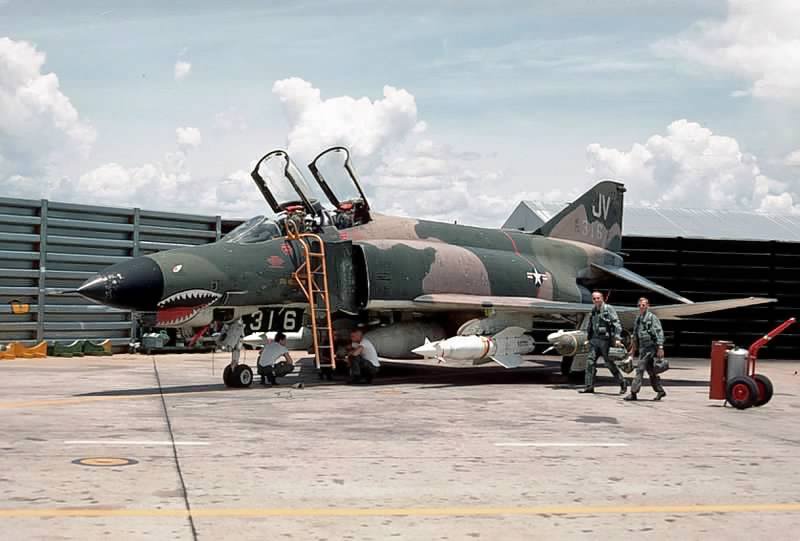
The squadron operated from Ubon Royal Thai Air Force Base during the month of February 1969, due to the Korat runway being closed for surface repair. The personnel lived in a hotel in the city outside Ubon and shared squadron operations facilities with the 25th Tactical Fighter Squadron. In the days at Eglin, the 40th and 25th had shared a building so many of the crewmembers of the two squadrons were longtime friends.
Tiger Forward Air Control (FAC) Program
After evaluating the older F-100 and F-4D Misty, Stormy, and Wolf high-speed FAC programs that had been used in SEA previously, the 388th Wing requested approval from 7th AF to use the F-4E in this FAC role. The program, designated Tiger FAC, was approved by 7th AF in February, 1969, and consisted of one sortie per day in the Operation Barrel Roll area of Laos. On 29 February 1969, two 469th aircrews began checking out with the 8th TFW (Ubon) Wolf FACs. Normal operations began on 19 March after both aircrews completed training. Since this was the first use of a high-speed FAC in the Barrel Roll area, close coordination was established with all agencies operating in this area. Until this time Firefly aircraft, A-1 Skyraiders, had worked in the FAC role exclusively in the high threat areas of Barrel Roll and the need for a high speed jet FAC was apparent. The Tiger FAC was made a member of the first Barrell Roll Working Group and introduced the 388th TFW program in March.
Almost immediately the Tiger FAC program achieved outstanding results. Weather reconnaissance was instantly obtained and proved invaluable during Operation Raindance. Tiger FACs made available weather information to the airborne battlefield command and control center (ABCCC) so that Raven (O-1 aircraft) and Firefly (A-1 aircraft) FACs and their resources could be effectively employed. In addition, it became apparent that the high-speed FAC gave jet strike aircraft an increased marginal weather capability. Tiger FACs could climb out of the target areas, where weather hampered operations, and lead jet aircraft into the target. The F-4E proved invaluable in this role using the inertial navigation and offset bombing systems in conjunction with the aircrew’s knowledge of the area to hit targets
targets in rugged terrain with ceilings as low as 2,000 feet above the ground level. Such techniques were used during Operation Raindance to employ strike packages on vital interdiction points.
The Final Months
A second squadron of F-4Es from Eglin arrived in May 1969, and was designated the 34th Tactical Fighter Squadron. To assist their indoctrination into the theater, personnel from one flight from the 469thTFS were transferred to the 34thTFS and personnel from one of the 34th flights were transferred to the 469th. With the arrival of the 34th the 388thTFW became an all F-4E wing. All the F-105s were transferred to other bases.
In late August of 1969, one of the Tiger FAC aircraft was lost when it was hit by ground fire over the Plaines des Jars in Northern Laos. After being hit the aircrew flew south toward the Mekong River and the safety of Thailand, but didn’t make it to the river, and ejected late in the afternoon while still in Laos. Stormy weather forced the rescue to be made the next day by helicopter extraction. The crew was uninjured and returned to normal duties.
The squadron and crewmembers of the 469th continued to perform throughout the period and received numerous awards and decorations. Many of the 469th ACs had previous partial tours or temporary duty in SEA so their combat tour was less than the full year. They received credit for their previous time. This meant that the first crewmembers started to leave in June 1969 and all were gone by mid-November when the full year was completed.
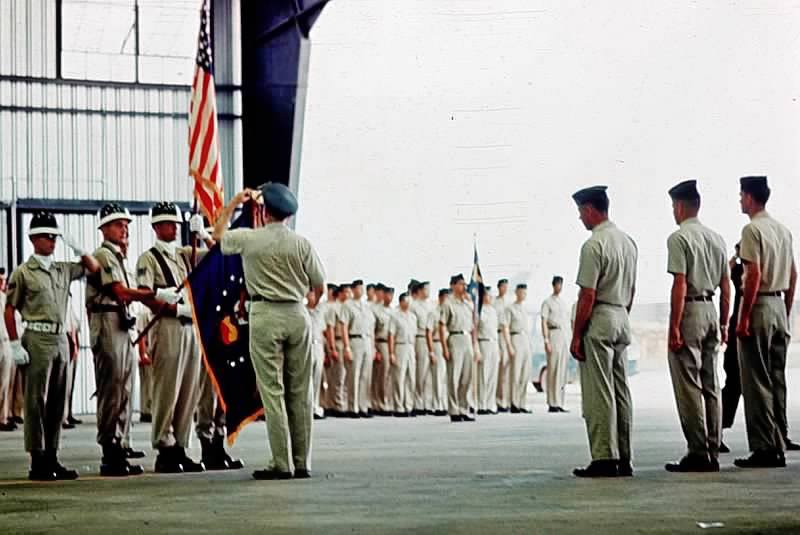
Deployment Photos
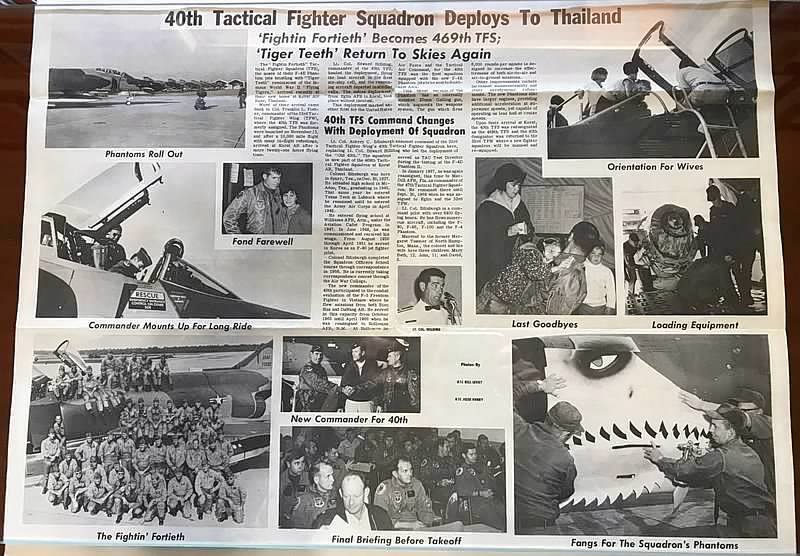
The Eglin Newspaper devoted a large spread to the 40th TFS/ 469 TFS deployment. The above is the section. Larger prints of each of the pictures can be found below. Several pictures taken during the deployment by Ollie Wicks
.
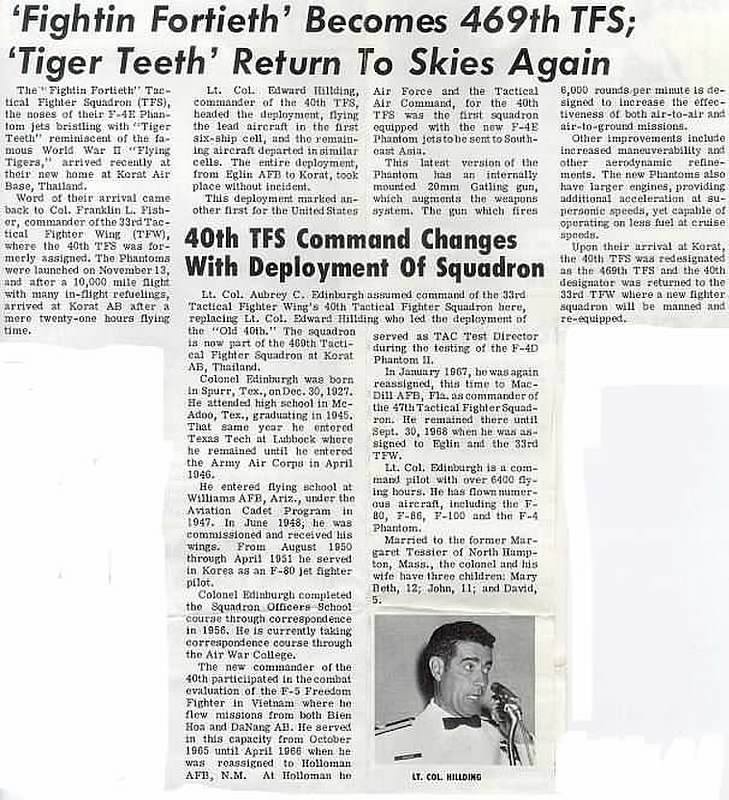
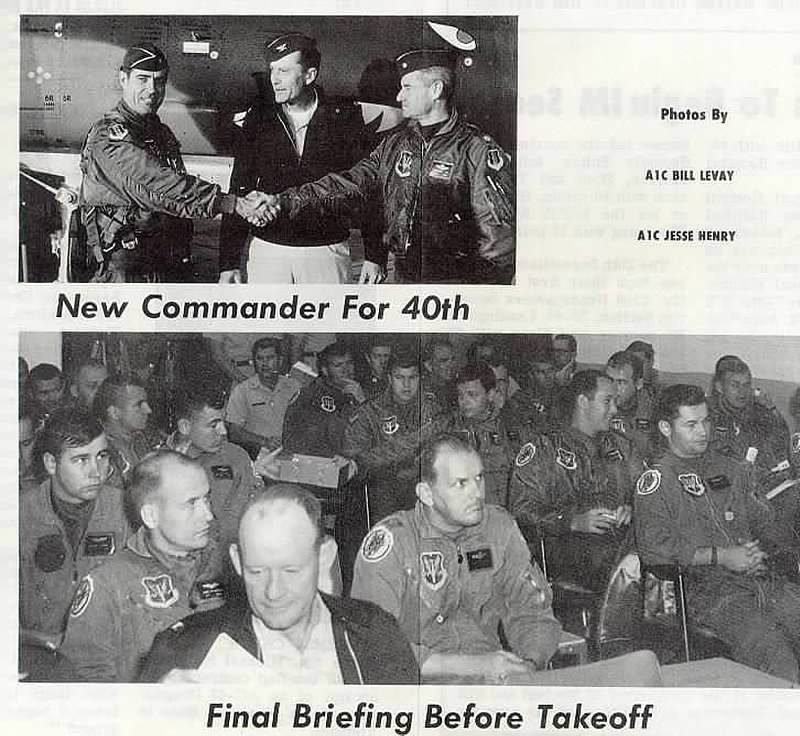
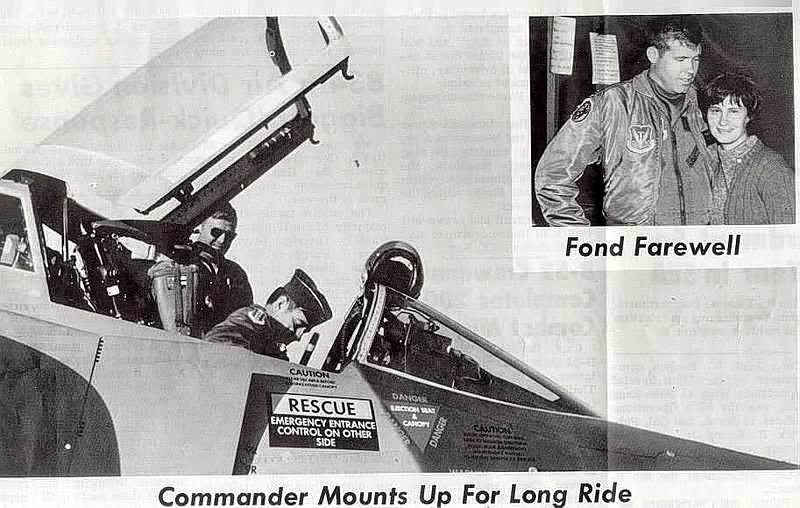
Ollie’s Deployment Pictures
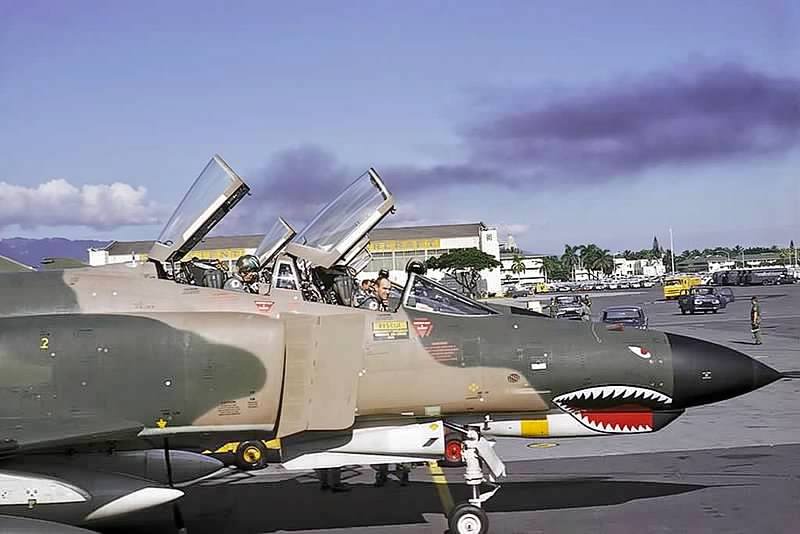
The Squadron arrived as scheduled at Hickam AFB, Hawaii, on 13 November 1968. Their 14 November departure for Andersen AFB, Guam, was delayed for one day due to weather and they departed on 15 November. Arrival in Guam was on 16 November after crossing the International Date Line. They departed Guam on the final leg of their deployment the morning of 17 November and arrived at Korat RTAFB that afternoon.
The pictures in this section are from Ollie Wicks.
“Worlds FInest Yearbook
This paragraph below is from The “World’s Finest” yearbook created by Steve Stephen while at Korat RTAFB.
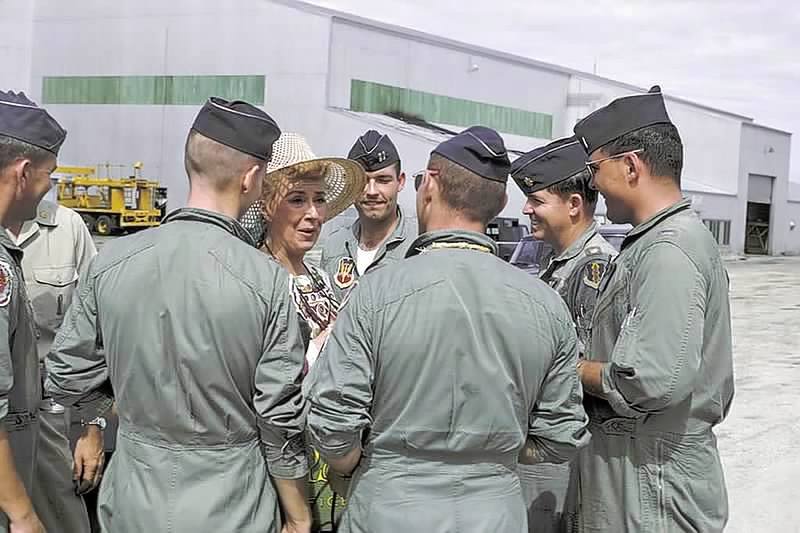
“Took off (from Hawaii) in the bright sunshine and headed west. Before we left, someone said Al Sickel and Mike Sember had arranged for Gypsy Rose Lee to meet us at Guam. No one believed it. Most had never seen Gypsy before. There she was with her sequin decorated slip, in all her glory, handing out the cold beer and a line a mile long. Quite a gal.” The comment that Al and Mike had arranged for Gypsy to meet the squadron upon its arrival in Guam obviously required some further investigation. We contacted Mike and he provided the rest of the story. “Al Sickel and I were on the C-141 that arrived at Guam prior to our airplanes landing. We found out that Gypsy Rose Lee was on base. Al did the negotiating to have her meet the airplanes when they arrived. Which she did. She showed up with a trailer that had her name painted on the side. She greeted each of the pilots as they exited their respective airplanes with a refreshment. She stayed around to chat with everyone for a while. That’s all that I remember. Al did the real leg work to set this event up.”
Gypsy Rose Lee was also entertaining at the Andersen Officers Club that evening and apparently many of the guys made a very favorable impression with her as a few months later, while on another USO tour, she made a special request to come to Korat to see her boys. Note the picture for Paul Leming.
The 469th TFS was at Ubon RTAFB in February 1969, while Gypsy was on a USO trip to Vietnam and she told the brass that she wanted to go see her 40th boys at Korat. The brass caved in and agreed to change her itinerary to include Korat. Then they discovered that the runway at Korat was closed for maintenance and her boys were at Ubon. Gypsy said fine, then we go to Ubon. That is how she showed up at Ubon and had the evening at the Ubon officers club for her Korat boys. I was flying that night and did not see her. I guess the Ubon guys were not too happy that the Korat guys monopolized her.
Guam to Korat RTAFB
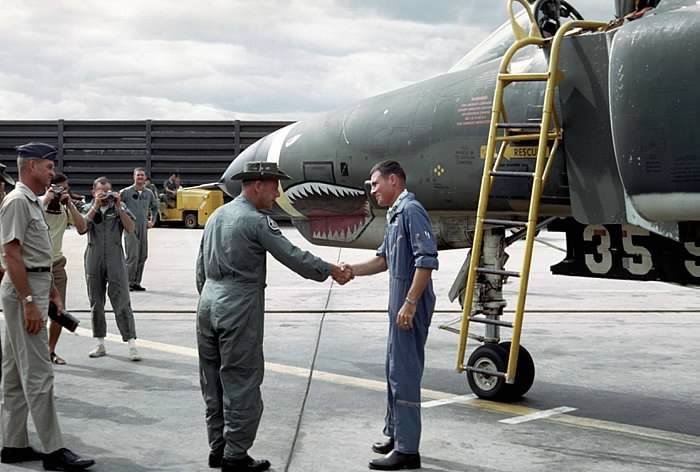
The Squadron departed Guam the morning of 17 November 1968, for Korat. Lt Col Hillding wanted to be sure the Squadron made a proper arrival at Korat. He had the planes form into three flights of six planes to make an arrival flyby. The other two planes flew high above the formation to act as spotters to adjust the positions of the planes to be sure that the formation was perfect. It was.
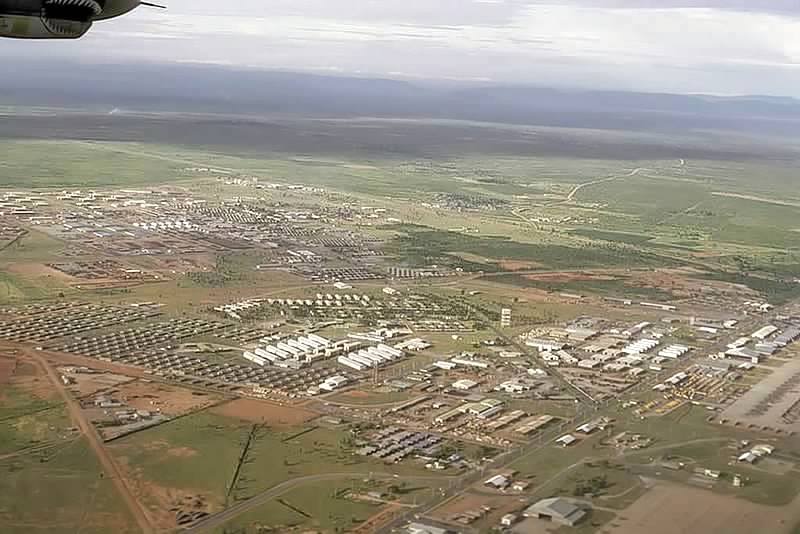
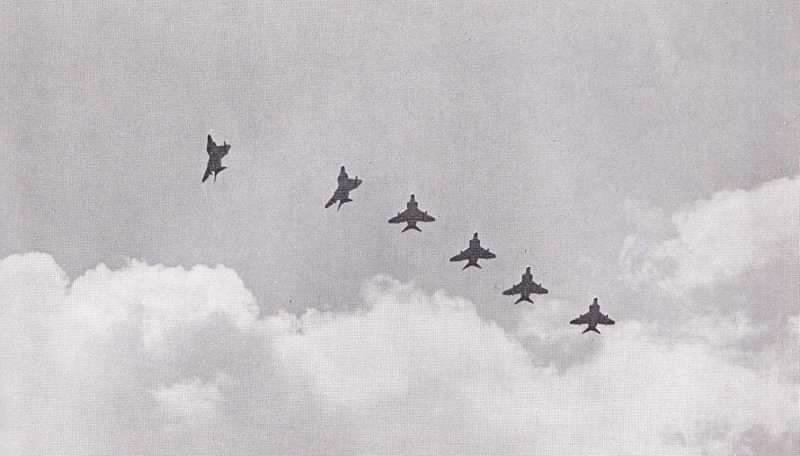
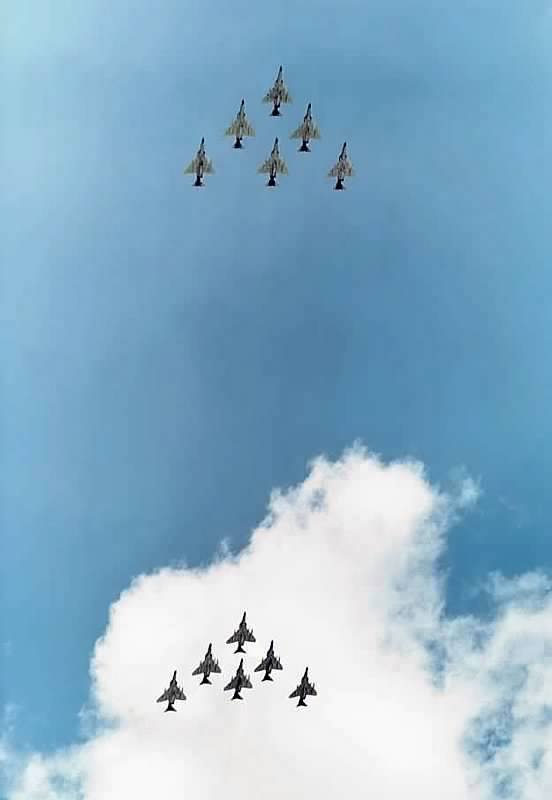
17 November 1968
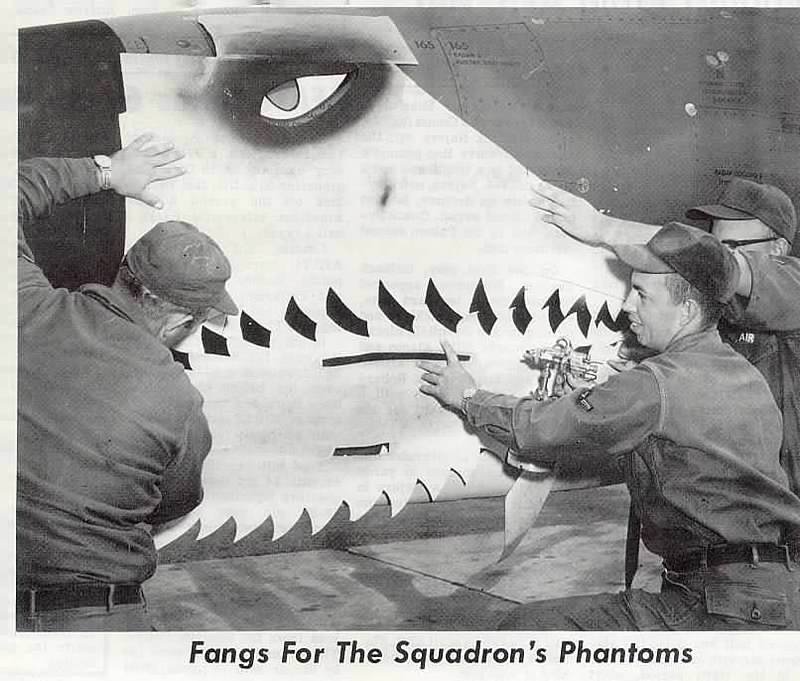
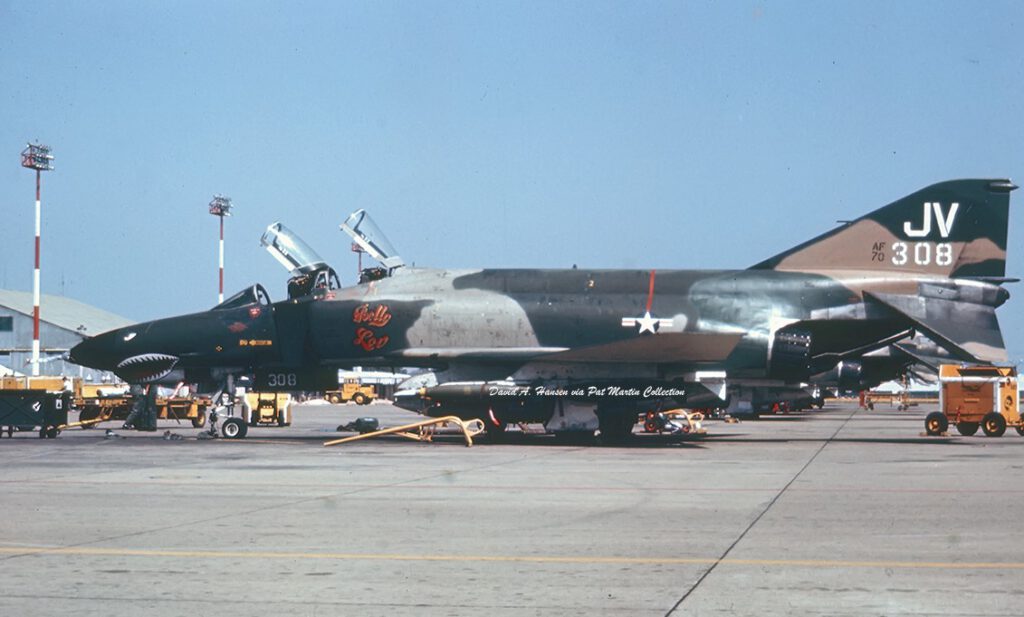
Those Illegal Shark Teeth
by LT. COL. PAUL J. LEMING, JR.
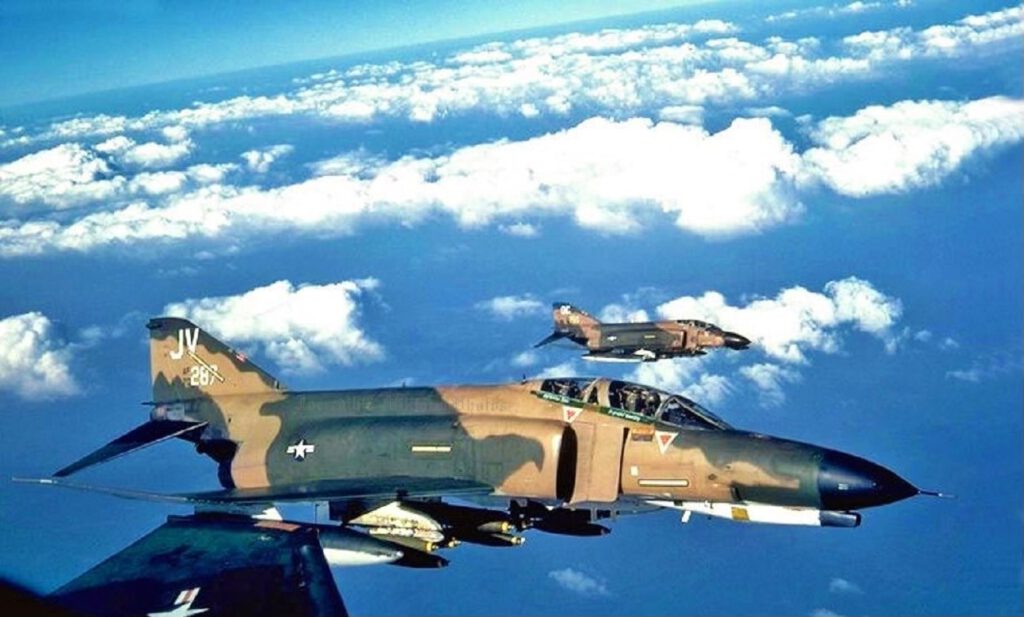
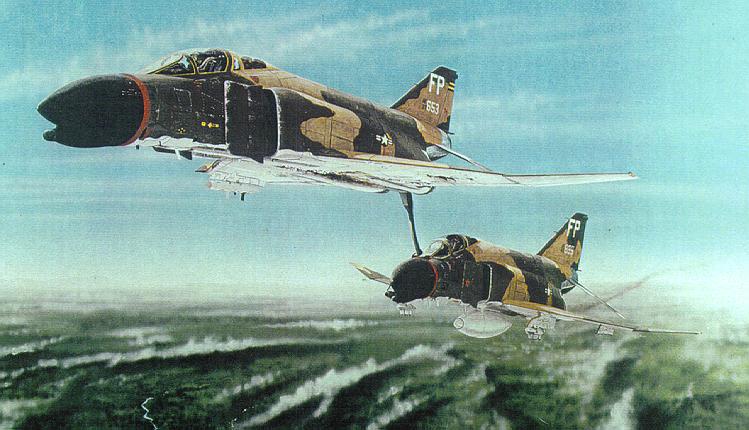
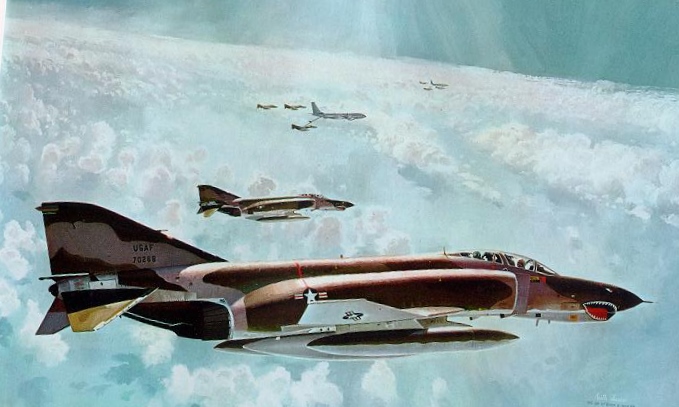
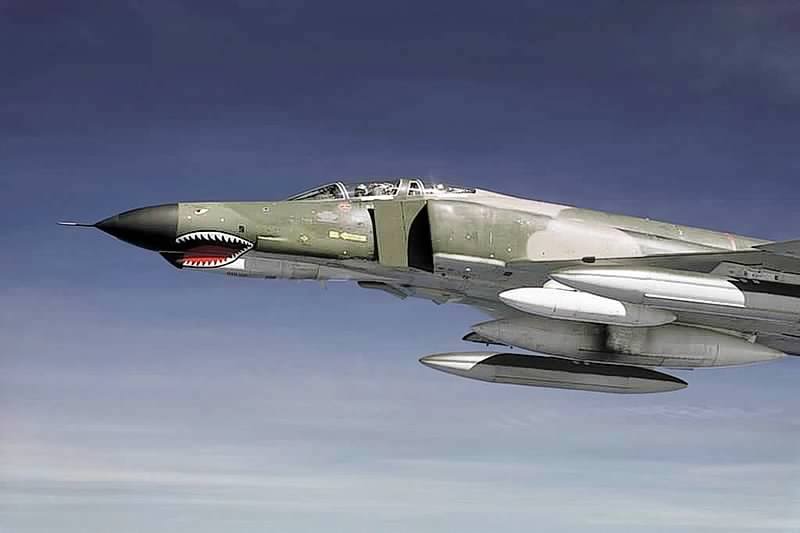
The F-4Es in the painting were the first F-4Es in combat. They deployed from the 33d Tactical Fighter Wing at Eglin AFB, Fla., on November 13, 1968, as the 40th Tactical Fighter Squadron. Upon arrival in SEA it became the 469th TFS at Korat, Thailand.
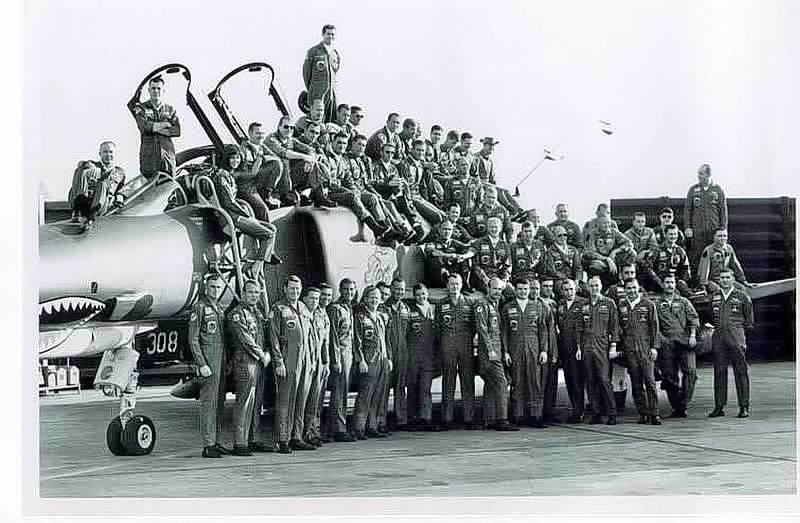
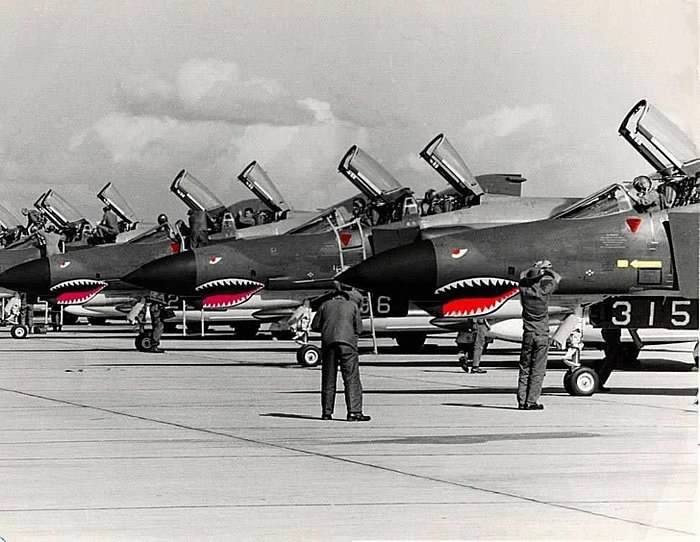
The Squadron Commander, Lt. Col. (now Col.) Edward Hillding, with surreptitious aid and abettance from sources probably (?) unknown to the Wing Vice Commander, Col. (now Brig. Gen.) Daniel Chappie James, decided to test paint a few aircraft shortly before deployment. There was an instantaneous boost in squadron morale and pride. There was no doubt as to which squadron the shark-toothed F-4Es belonged.
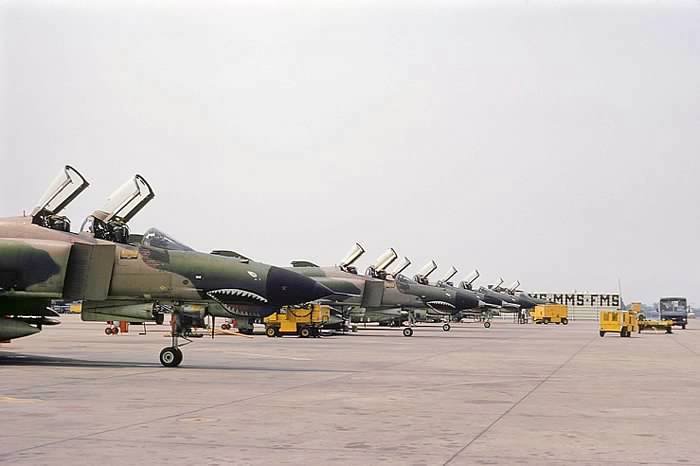
Quite naturally, the word was passed to remove the teeth because they were not authorized. Generals who inspected the squadron before deployment pointed out the transgression, with a twinkle in their eyes.
Unfortunately, however, there was no paint remover immediately available and the moment for deployment was at hand. Besides, removing the teeth might also have taken some of the camouflage paint with it and there was no more camouflage paint handy. Obviously, there was only one course of action remaining, paint ’em all, including spares! Although the Maintenance Superintendent, CMSgt. Buford A. Beane, and the dental designer Lt. (now Capt.) Steve Stephen, may deny any knowledge of the event, the last aircraft was painted the night before the deployment.
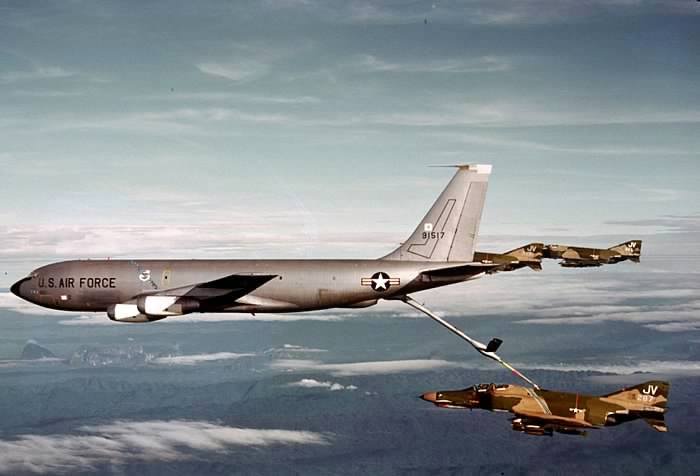
Keith Ferris and Marbury Brown, another highly respected contributor to the Air Force Art Collection, joined the squadron at Hickam AFB, Hawaii, and continued to Korat. Marbury went with the maintenance men and equipment in the C-141s while Keith received permission to fly in the back seat of an F-4E. Keith proved to be as effective as a GIB as he was with a paintbrush. He operated the inertial navigation system, radar, radios, and navigation aids flawlessly. He even spelled the aircraft commander at the controls on the seven-hour-plus legs of the journey. Rumor has it that he is not a bad refueler. The May 70 cover painting, Bad News for Uncle Ho, had its genesis at 29,000 feet between Hickam and Guam on November 16, 1968. It was put together from in-flight sketches, paintings, and countless photographs that Keith made that day and the next. It was a mystery where he found room to stow all that painting and photographic equipment, along with his lunch container, piddle pack, and vacuum bottle.
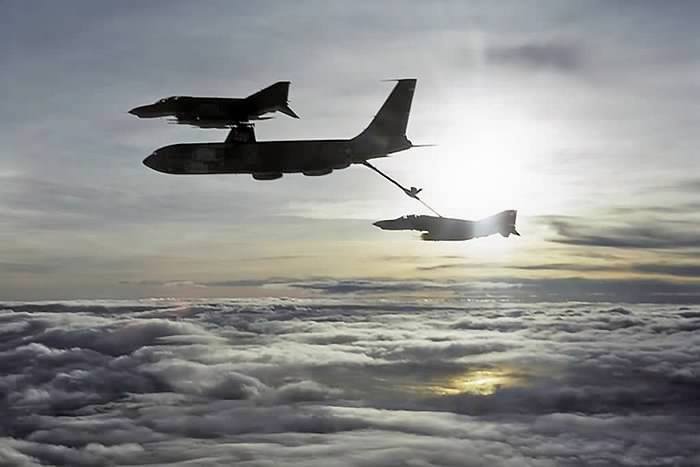
On landing at Korat on November 17 (see the Westinghouse double-page spread in the June and August issues), the 469th TFS closed out a revered chapter of Thud (F-105) history at Korat and began one of their own. For six glorious months they enjoyed the distinction of being the only F-4Es in combat and set continuous records for combat hours flown, ordnance dropped, accuracy, and just plain getting the job done. Pride on the part of both the ground crews and aircrews had a lot to do with it. You would tingle all over to hear the FAC say, “Are you the guys with the shark teeth and the magic pipper?” (referring to the dive-bombing system of the F-4E). Most of the 469th aircrews couldn’t recount the number of times they were asked to pose on the boom or on the wing of a tanker while the crew took pictures of a flight of four with those beautiful snarling snouts.
I don’t intend to get into the great decalcomania debacle. The decision has been made and that’s that. I have no way of knowing how much shark teeth or similar designs interfere with camouflage effectiveness. Similarly, there ain’t no way to measure the effect that morale, pride, and esprit can have on a unit’s combat mission. Unless you discover, as the 40th TFS did the night before deployment. There is a way!
My credentials? Maintenance Officer of the former 40th TFS and later Operations Officer of the 469th. I was also the GIF ( guy in front ) of F-4E number 268, on your May cover, who flew Keith Ferris across the Pacific.
History of the Teeth
By Steve Stephen
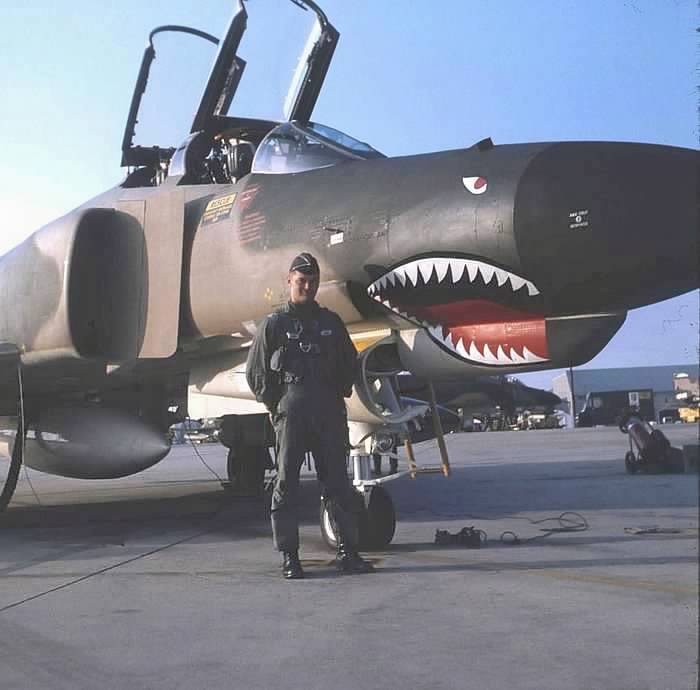
The 40th Tactical Fighter Squadron based at the 33rd Tactical Fighter Wing, Eglin AFB, Florida, was the first F-4E squadron in the USAF. Our Commander, Lt. Col. Ed Hillding, was very proud of this squadron and its personnel and frequently expressed his desire to distinguish it from all other F-4 squadrons since we would soon deploy to Southeast Asia with pride and with an internally mounted 20 mm Gatling gun.
Weeks went by but not many ideas materialized until one of our 2nd Lieutenants mentioned to his flight commander, Major Chuck Sharp, that the profile line of the nose of the F-4E was ideal for sharks teeth similar to the teeth on the Curtiss P-40B of the American Volunteer Group, China in 1941-42, under the leadership of General Clair Chennault.
After several weeks our Lieutenant, Steve Stephen, was given permission from his flight commander to produce an acceptable design. He, along with the assistance of Lt. Stan Stanton, walked to the flight line armed with high tech chalk, masking tape and white butcher paper, and Steve proceeded to sketch his envisioned design of the teeth onto the side of an F-4E aircraft. After the design was agreed upon, it was transferred to the white butcher paper, rolled up and taken back to the squadron. That was the Design Process, what came next was the Make It Happen Process. The rolled butcher paper design was reviewed by Lt. Col. Ed Hillding, Lt. Col. Paul Leming, Chuck Sharp, and SMSgt Buford Beane. Lt. Stephen explained the reference marks on the design that were to be matched to the nose of the aircraft for proper alignment. Nothing but smiles followed and the butcher paper was once again rolled up and disappeared for a week until the first F-4E painted with the teeth appeared on the flight line. It was an instant morale booster, and a done deal! And we were also told by our senior leadership (with a wink) that the teeth were not authorized and were Illegal, and we were to be out of town ASAP and we complied on November 13th, 1968, when all 20 F-4Es departed Eglin for the 388th TFW, Korat Royal Thai AFB, Thailand. The rest is History.
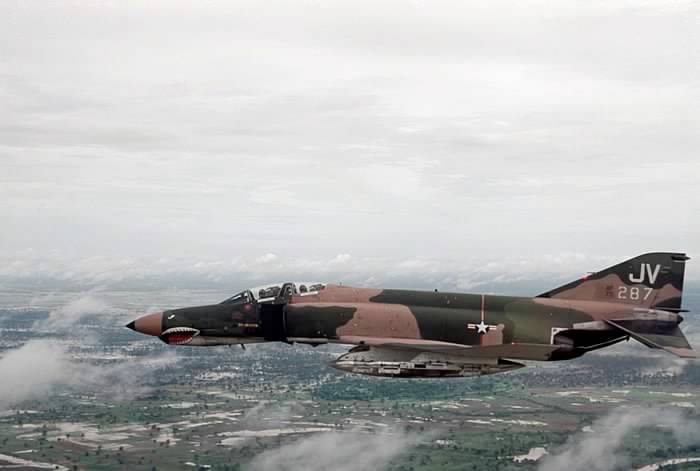
469th TFS miscelanious photos taken during the Korat RTAFB deployment
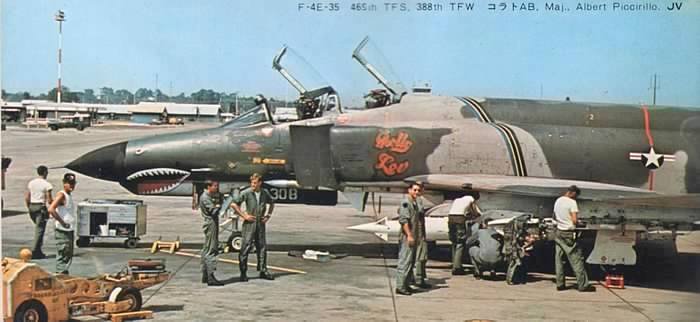
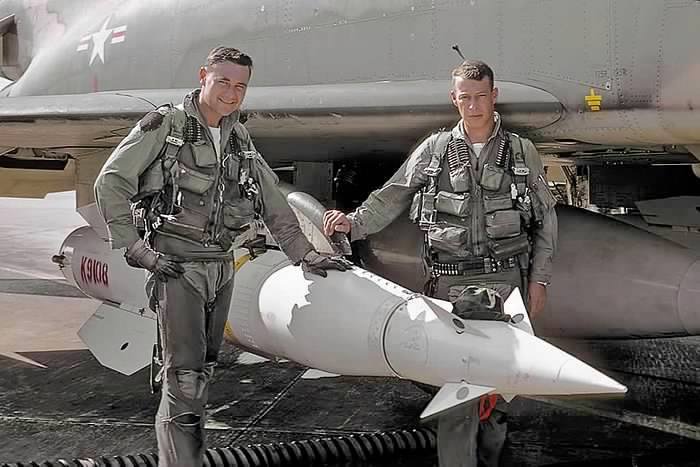
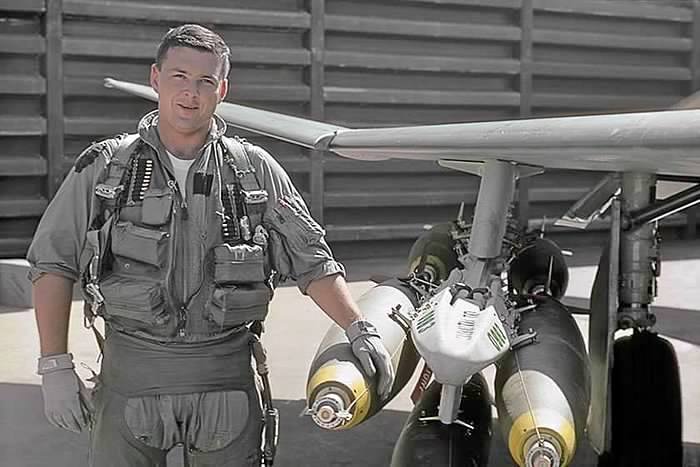
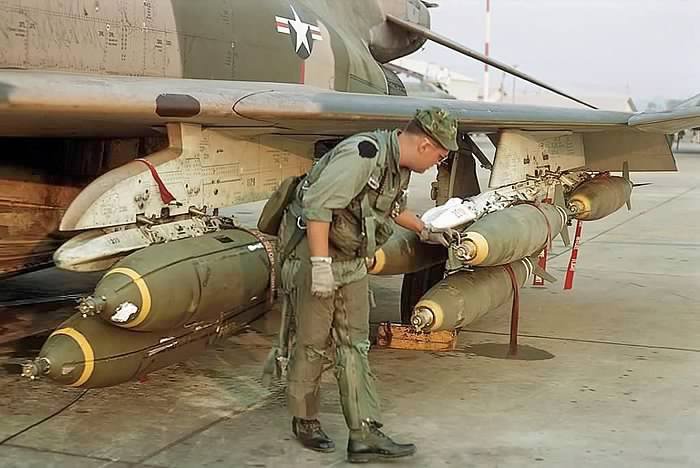
The AGM-12 Bullpup was a short-range air-to-ground missile. The weapon was guided manually via a small joystick in the front cockpit and the pilot needed to continue guiding the weapon throughout its flight, great for the enemy gunners. We used the weapon sparingly in the early months of our tour, mostly to destroy trucks on Ho Chi Minh Trail or to cut the Trail itself. Note that there is no vegetation in the area of the Trail.
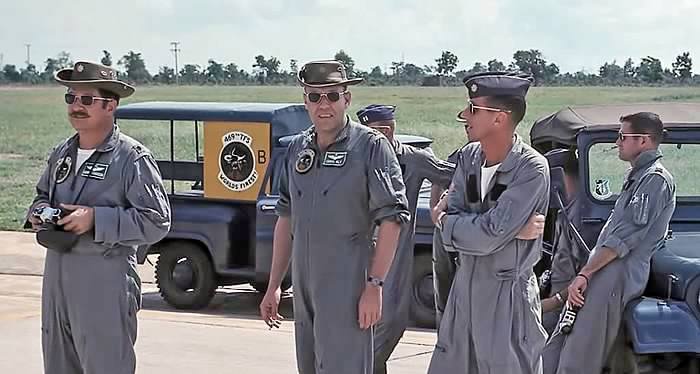
L to R: Bob Hanson, Chuck Aly, Gordy Thomas, Mike Carns
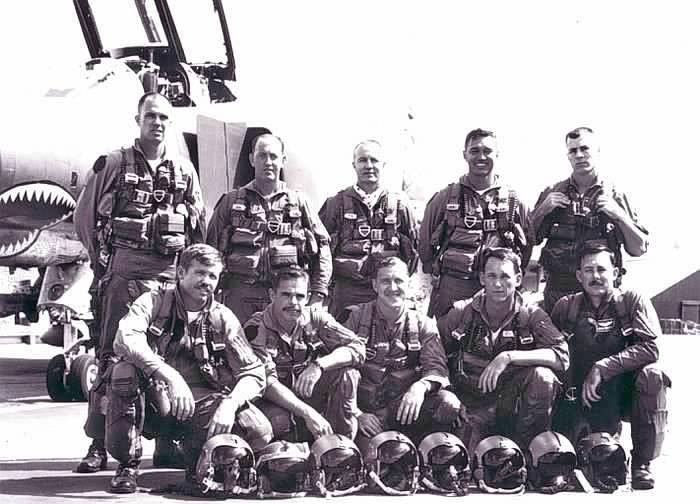
Back L to R: Don Drinnon, Charlie Jones, Gordon Eells, Emo Boado, Jon Gallo – Front L to R: Art Jones, Ed Figueroa, Gary Studdard, Joe Wilson, Conrad Borzych
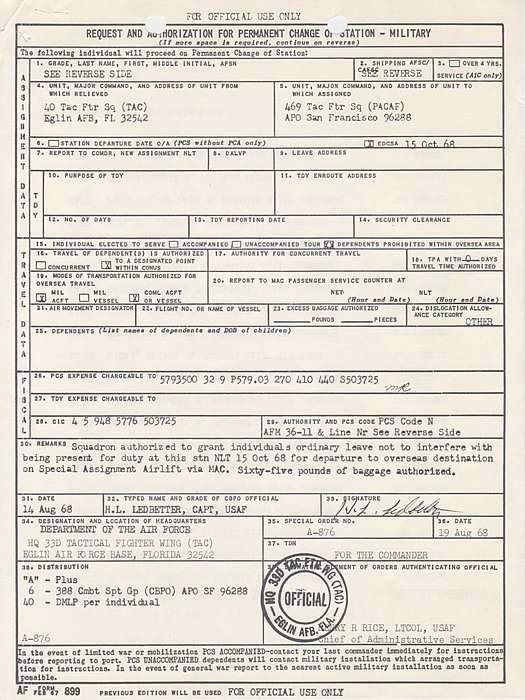
40 TFS from Eglin AFB, Florida,
to become the 469 TFS at
Korat Royal Thai Air Force Base, Thailand
“Joe the Baptist”
the Phantom