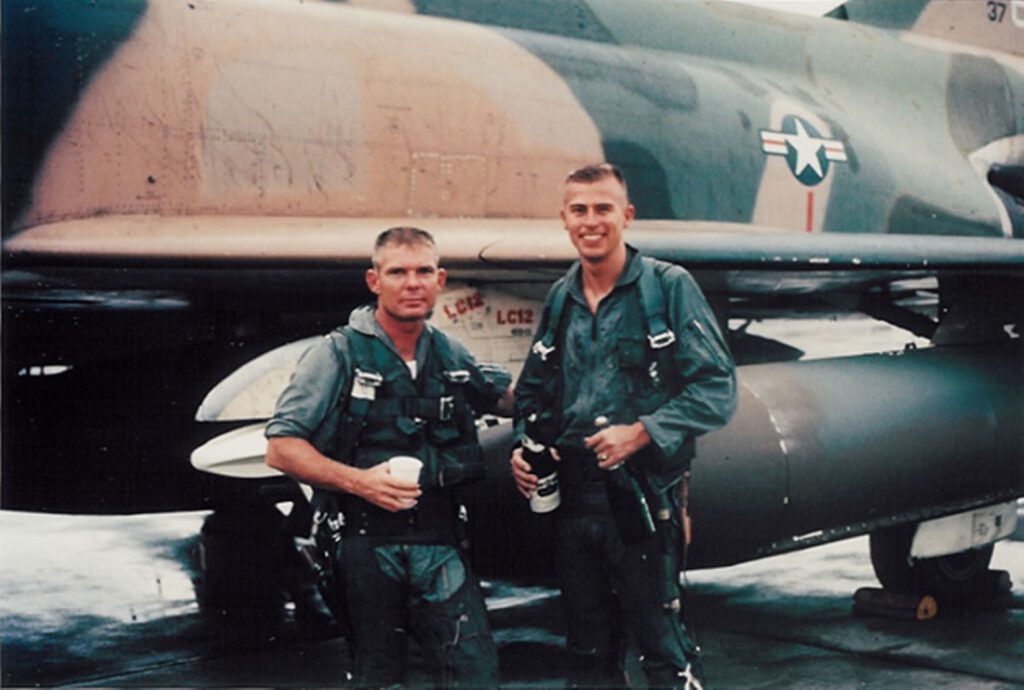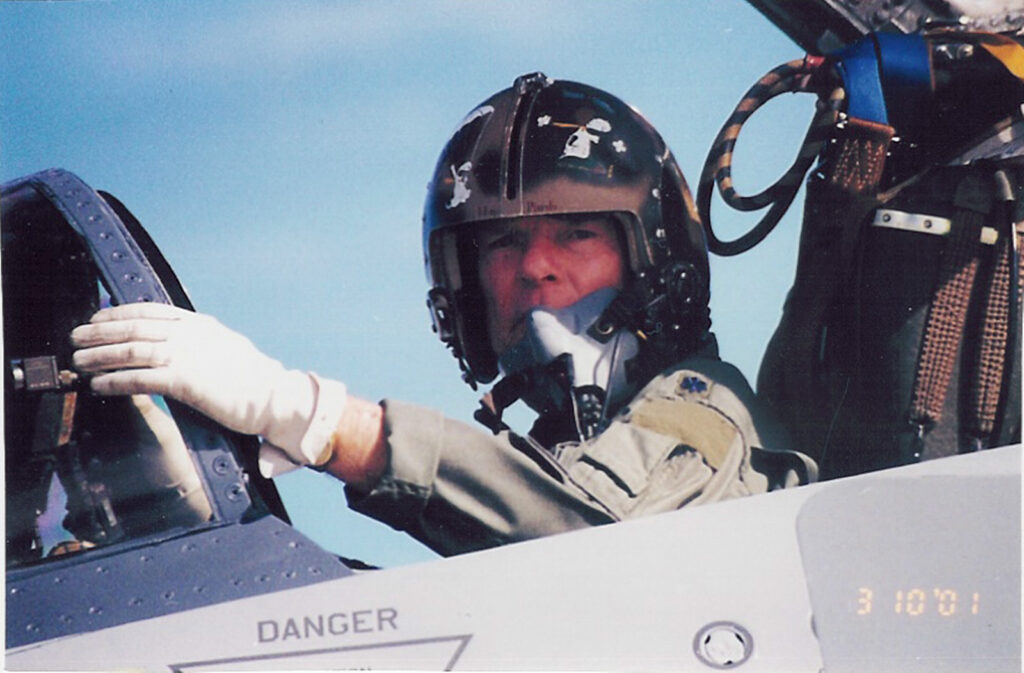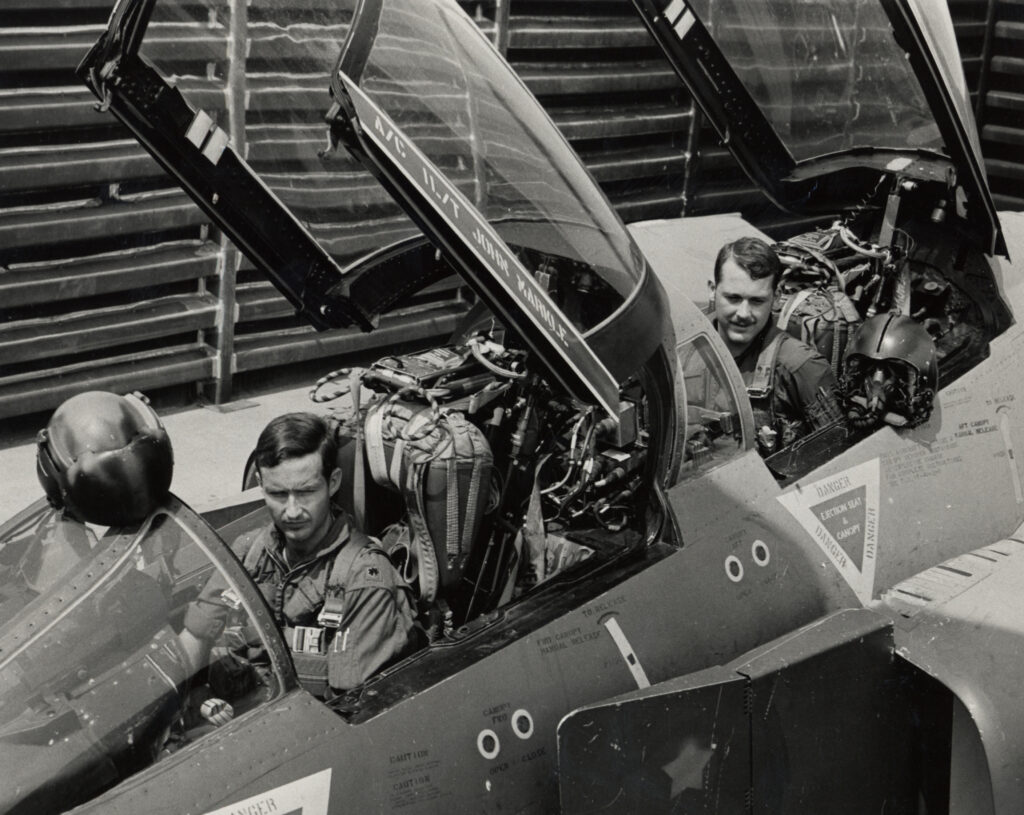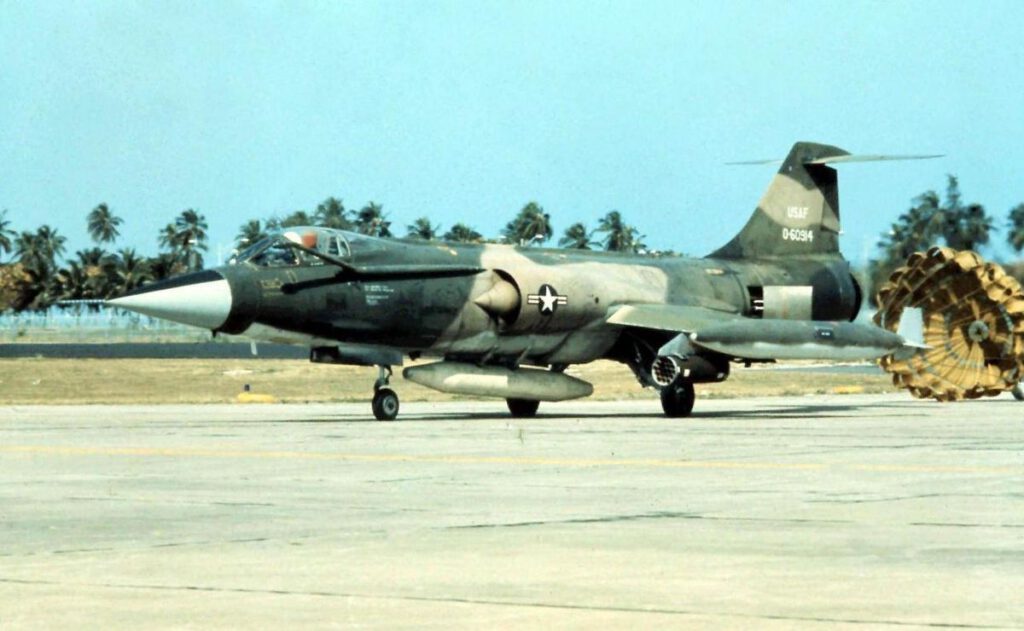
In the lush, tea‑growing region of Thai Nguyen—thirty miles north of Hanoi—stood one of North Vietnam’s most strategically vital industrial complexes: a steel mill that produced essential war materiel. In March 1967, after nine days of monsoon‑driven delays, U.S. Air Force F‑4 Phantoms and F‑105 Thunderchiefs were finally cleared to strike it. Among them was Captain Bob Pardo, flying with First Lieutenant Steve Wayne, tasked with protecting the strike package from MiG fighters. Flying as their wingman was Captain Earl Aman with First Lieutenant Robert Houghton.
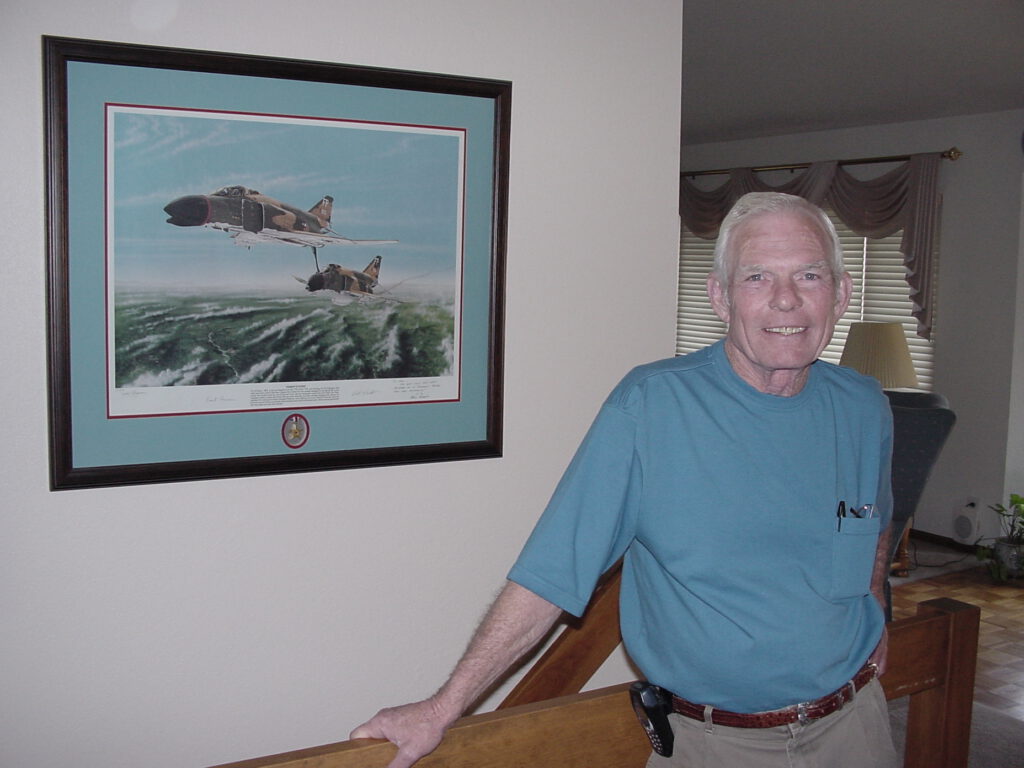
What unfolded that day would become one of the most extraordinary stories of courage and improvisation in air‑combat history—a moment later immortalized as Pardo’s Push.
Into the Fire
On the morning of March 10, 1967, tension hung over Ubon Royal Thai Air Force Base as aircrews walked toward their waiting jets. They knew the target was heavily defended, and the odds of safe return were far from guaranteed. Soon after crossing into North Vietnamese airspace, reality struck with brutal clarity. Anti‑aircraft guns opened fire even before the aircraft neared Thai Nguyen, and Aman’s Phantom shuddered violently as flak tore into it. Despite the damage, he pressed on and successfully released his bombs. Several U.S. aircraft were shot down over the target area.
Then disaster struck a second time: Aman’s aircraft took two more hits. “We’re losing fuel fast!” he radioed to Pardo. Pardo immediately turned toward the refueling tanker orbit, but within moments it was clear Aman wouldn’t make it. The fuel loss was catastrophic. “We’ll have to eject!” Aman called out.
A Desperate Idea
Bailing out over North Vietnam almost certainly meant capture—or worse. Pardo knew what awaited downed American aircrew. He also knew he had to try something unconventional.
Meanwhile, his own aircraft had been hit, losing electrical power and fuel. But it was still controllable.
“Follow me up,” Pardo radioed, climbing to 30,000 feet to maximize glide distance.
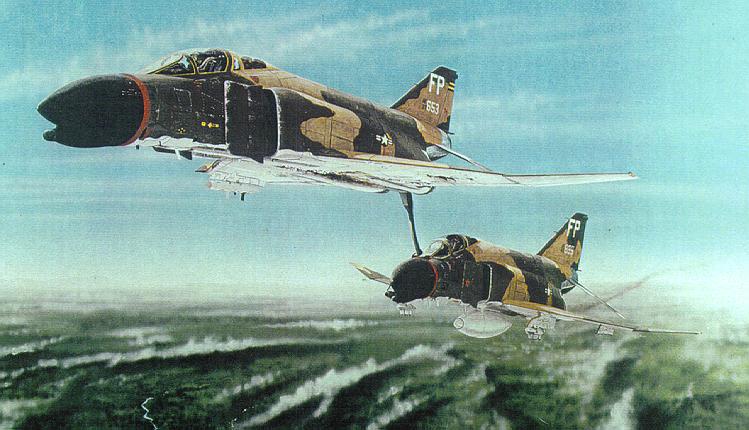
At that altitude came his first improbable solution: he instructed Aman to jettison his drag chute so Pardo could push his crippled wingman by fitting his nose into the empty chute well. Jet wash made it impossible. Then he tried positioning his fuselage under the other aircraft’s belly. Also impossible.
There was one option left. “Drop your tail hook!” he said. In theory, Pardo could nudge the tail hook with the armored section of his windshield. In practice, the hook swung wildly in turbulent air. But Pardo, inching closer, managed to steady it against the steel frame between his windshield and radome.
The push began.
The Slowest, Most Courageous Tow in History
For fifteen white‑knuckled minutes, Pardo gently pressed his Phantom against the hook—each contact lasting only seconds before the hook slipped free again. Yet it worked. Their collective rate of descent fell from 3,000 feet per minute to around 1,500. Then Aman’s remaining fuel reached zero. Both engines flamed out. Pardo kept pushing.
Moments later, a new emergency: Pardo’s left engine caught fire. He shut it down. The descent worsened. He relit it—only to shut it down again when the fire warning reappeared. Still he pushed.
With adrenaline sharpening every thought, Pardo managed to shove the crippled Phantom nearly ninety miles—far enough to cross into Laos. Below them wound the Black River, the informal boundary between capture and a fighting chance at rescue. At around 6,000 feet, Aman and Houghton finally had to eject.
A Race Against Time in the Jungle
Their ordeal wasn’t over. As Houghton drifted down, he spotted armed guerrillas sprinting toward him with dogs. Bullets tore the air around his parachute. He landed in a small tree, hurt but alive, and crawled toward a stream, revolver in hand, calling for help on his survival radio. Aman, by luck, had landed unseen beneath a steep, slippery cliff. Meanwhile, U.S. search‑and‑rescue teams—A‑1 Skyraiders and HH‑43 Jolly Green Giant helicopters—were already scrambling from Thailand, racing to extract the downed airmen before enemy forces reached them. They would all be rescued.
Legacy of a Legend
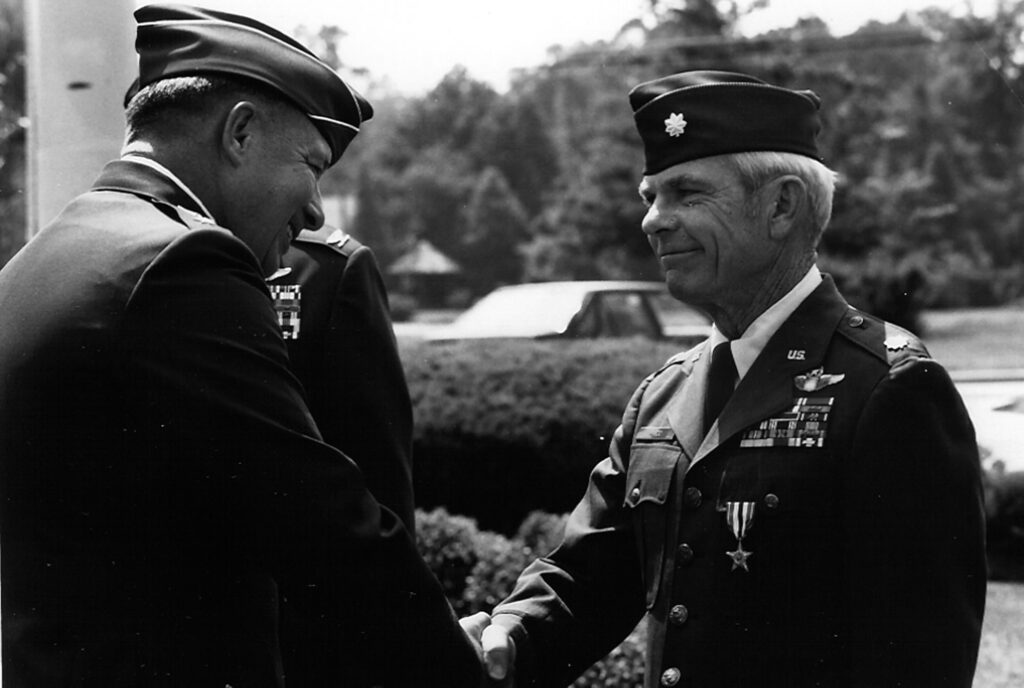
Pardo’s selfless action risked his aircraft, his career, and his life to save his wingman. At the time, he was reprimanded for damaging his aircraft. But decades later the Air Force reversed that view, awarding him and Steve Wayne the Silver Star.
Today, Pardo’s Push stands as one of aviation’s greatest demonstrations of ingenuity, bravery, and the unbreakable bond between pilots who refuse to leave each other behind.