History after World War 2
The 525th FS was reactivated on Aug. 20, 1946, at Nordholz, Germany, flying the P-47 Thunderbolt. The squadron made three more moves in Germany to Lechfeld on Nov. 13, 1946, Bad Kissingen on March 5, 1947, and then to Neubiberg Air Base on June 12, 1947, where the squadron was the closest operational Air Force unit to the Iron Curtain. On Jan. 20, 1950, the 525th Fighter Squadron was redesignated the 525th Fighter-Bomber Squadron. In October 1950, the squadron transitioned to its first jet aircraft, the F-84E Thunderjet and operated under the Mutual Defense Assistance Program. As a part of MDAP, the 525th trained pilots and ground crews of many European and Middle Eastern countries.
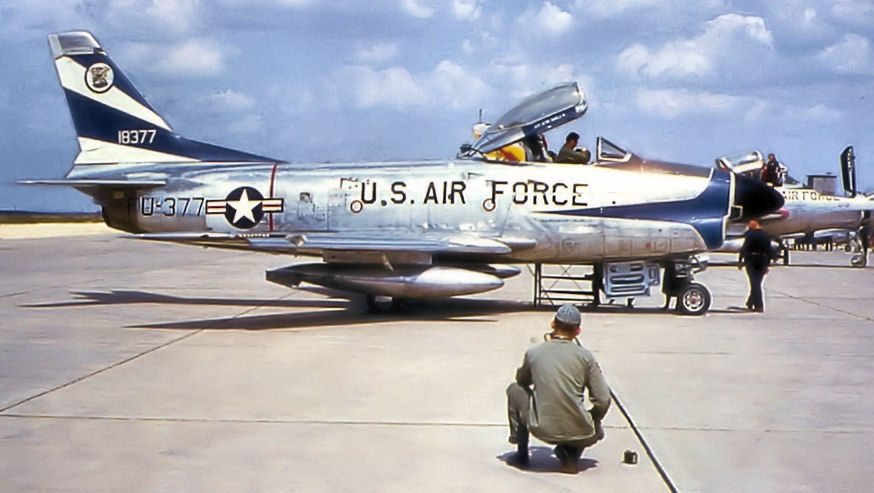
The 525th FBS moved to Landstuhl, Germany (later called Ramstein Air Base), on Nov 20, 1952, where it transitioned to the F-86 Sabre. The F-86 was Europe’s first all-weather fighter-interceptor, and the 86th Fighter Group was the first to fly it in Europe. The 525th first flew the F-86F Sabre on April 14, 1953. Flying the F-86 in the air defense role, the 525th was redesignated as the 525th Fighter-Interceptor Squadron on 9 Aug. 9, 1954.
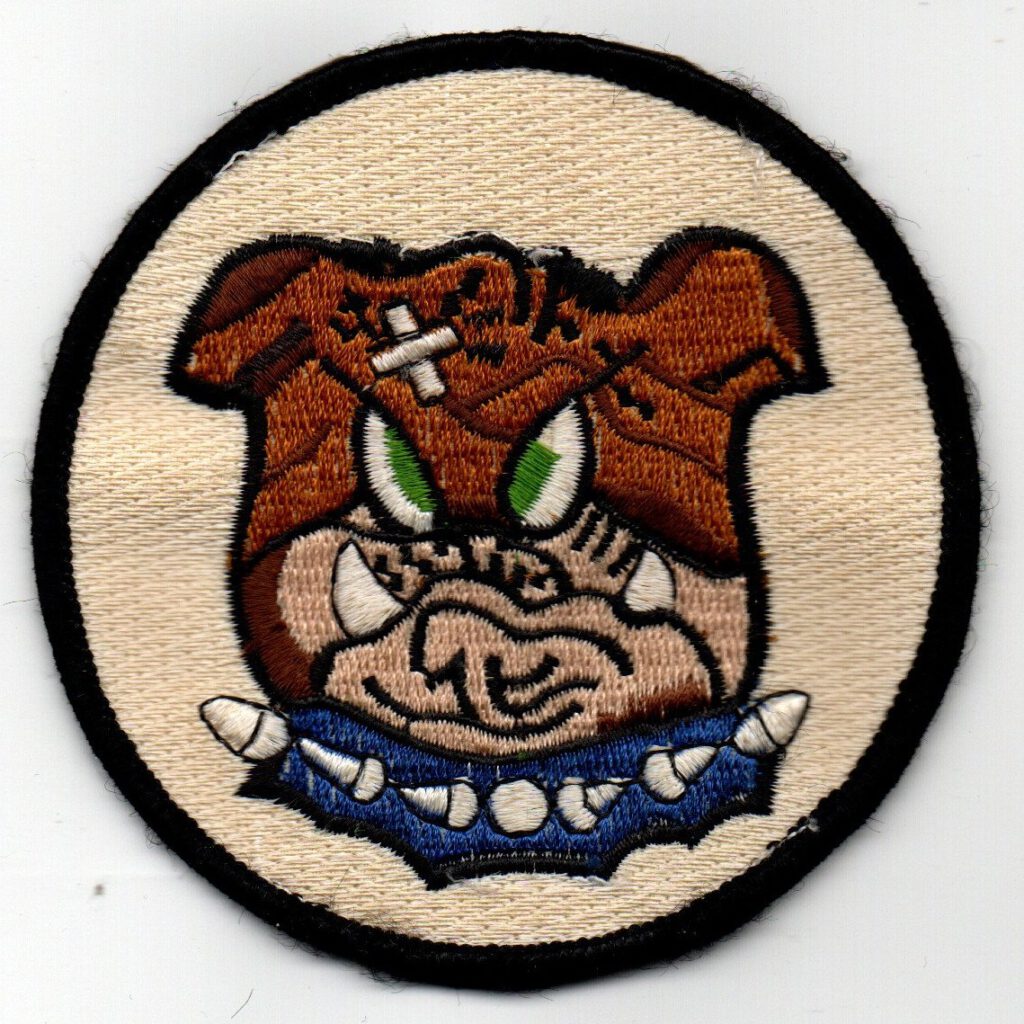
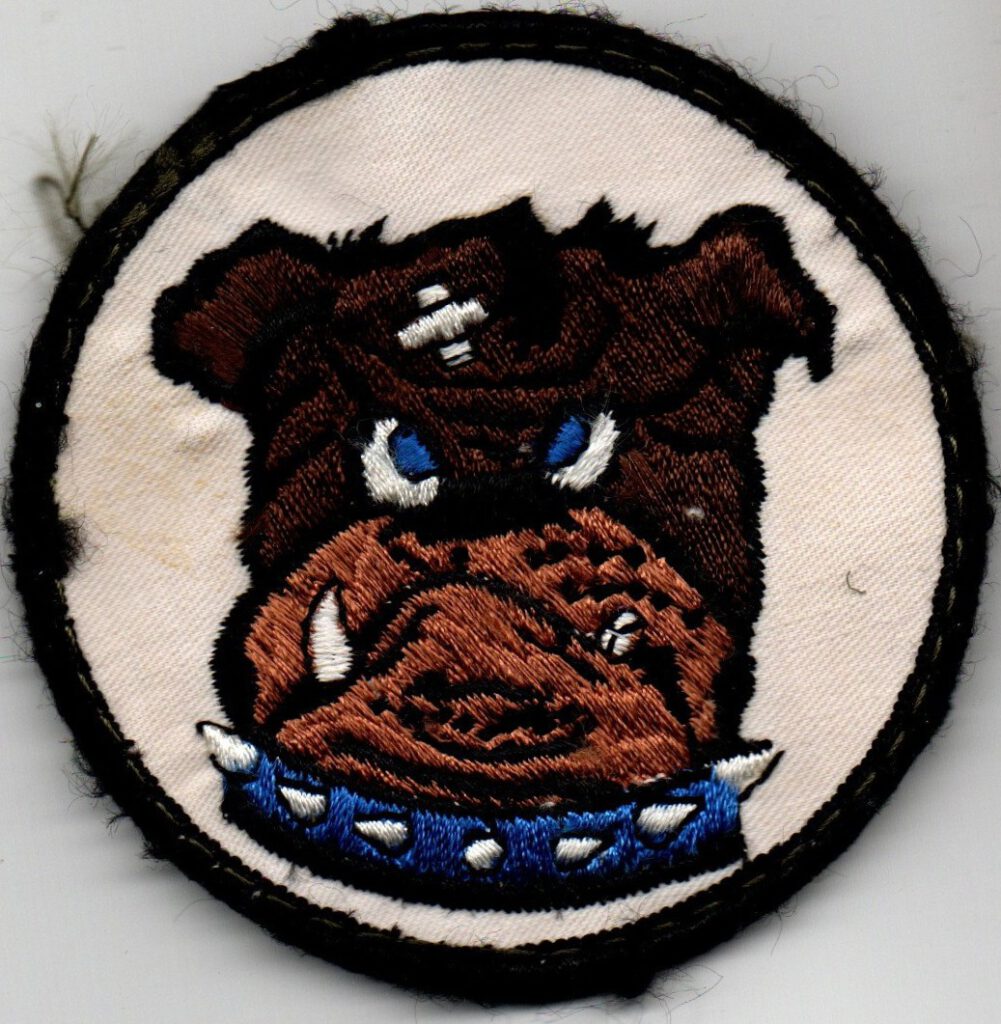
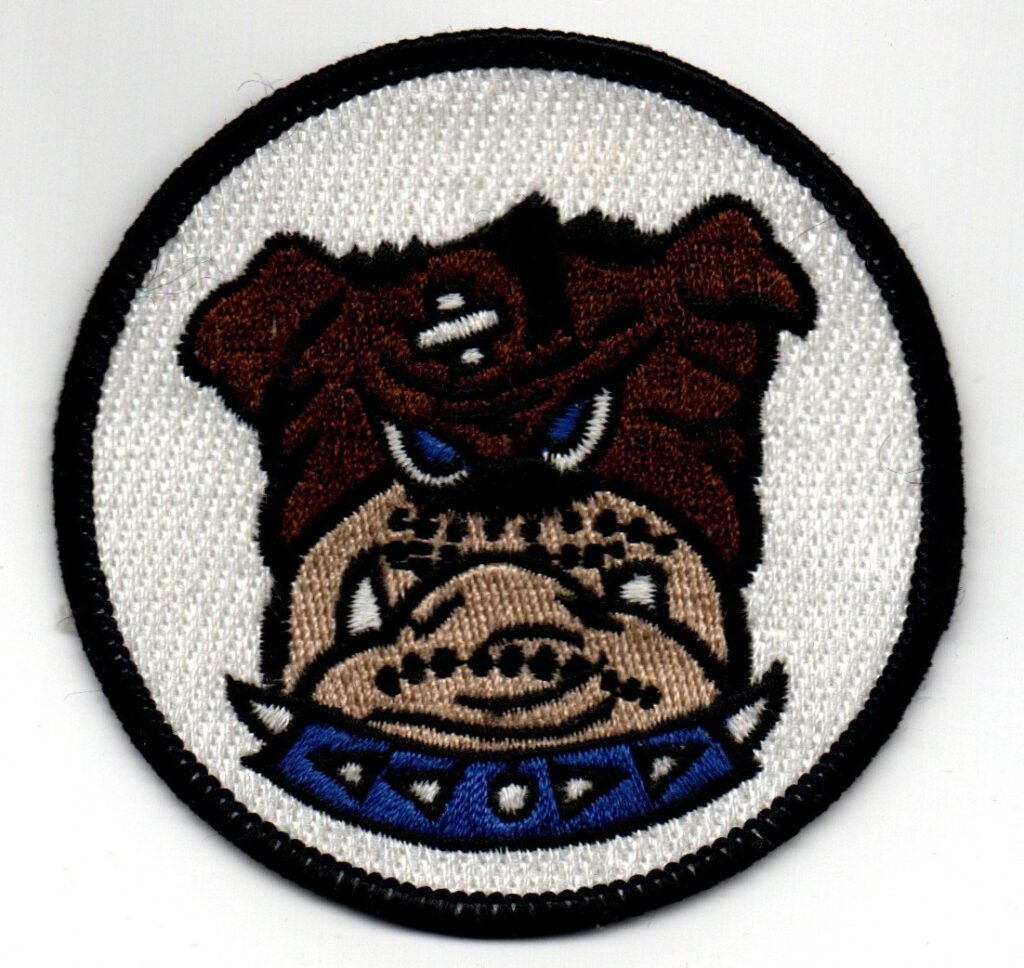
The Air Force officially approved the Bulldog emblem for the squadron on Sept. 29, 1955. In March 1956, the squadron transitioned to the new “all weather” F-86D Sabrejet. In 1957, the squadrons of the 86th Group were dispersed throughout Europe to provide better air defense coverage and reduce vulnerability to attack. On Feb. 12, 1957, the Bulldogs moved to Bitburg Air Base, Germany. The Bulldogs were the only squadron at Bitburg to maintain air defense alert for the next 20 years.
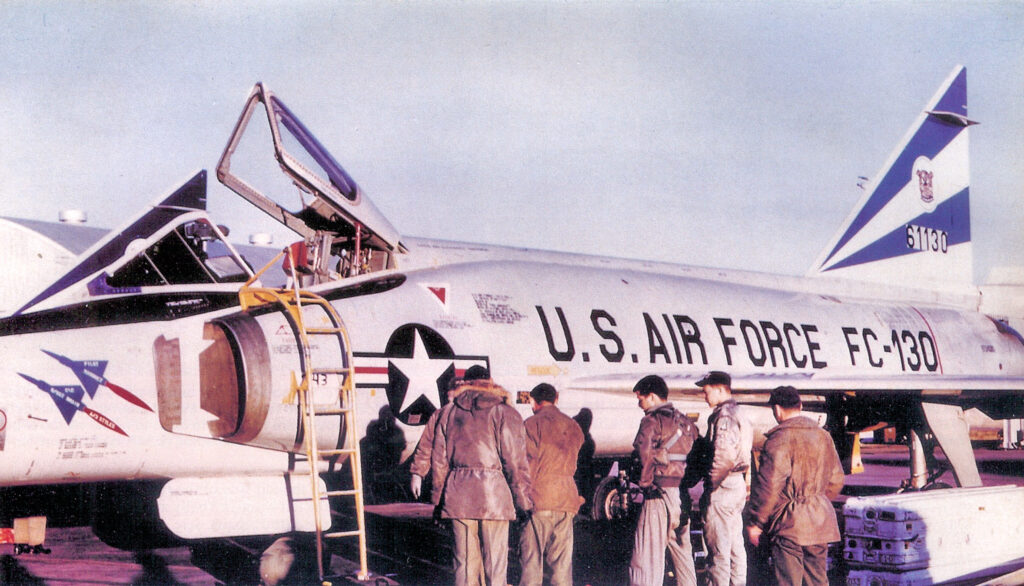
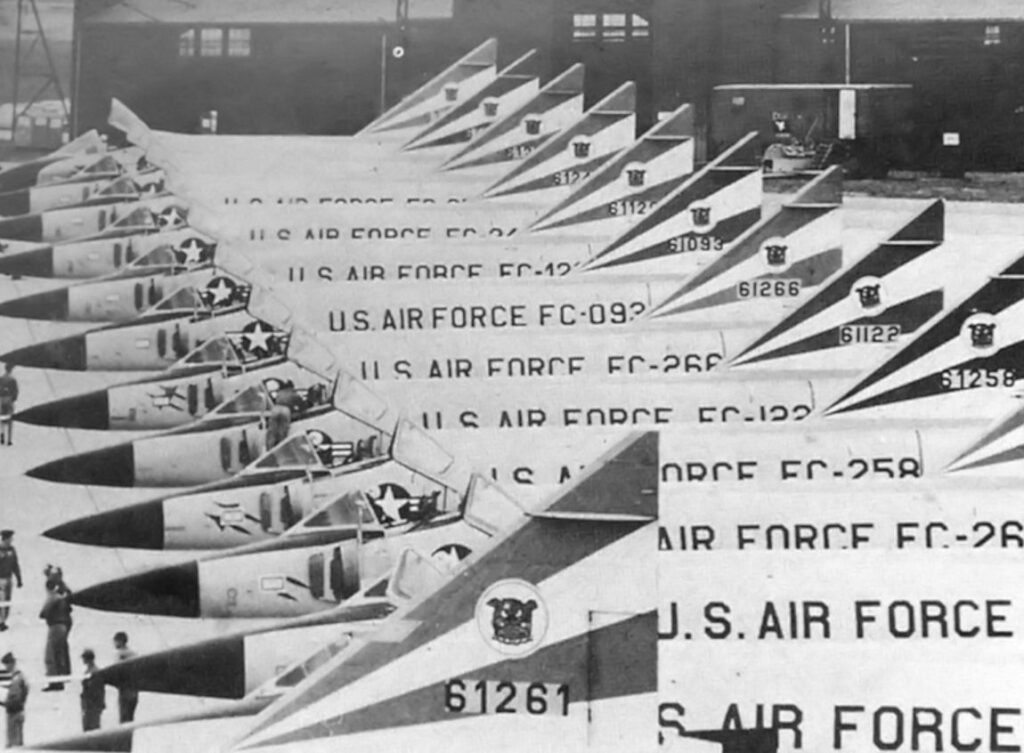
The 525th received its first F-102 Delta Dagger in February 1959 and was selected to represent the U.S. Air Forces in Europe at the 1959 William Tell competition. Although new to their aircraft, the Bulldogs took the lead in the competition and held it until the last event when they were nosed out by a few points.
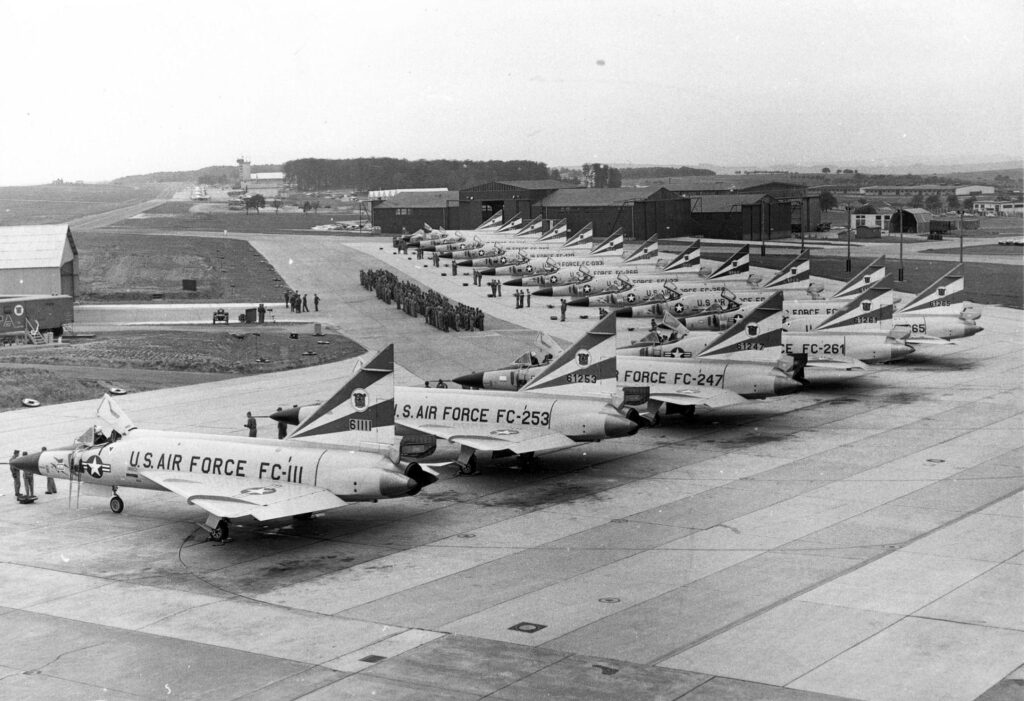
In 1965, 1967, and 1971 the 525th was chosen as the Sector III representative to the NATO Air Superiority Competitions. In each competition, the Bulldogs made an outstanding showing, winning the Guynemeyer Trophy for the best sector performance in 1971.
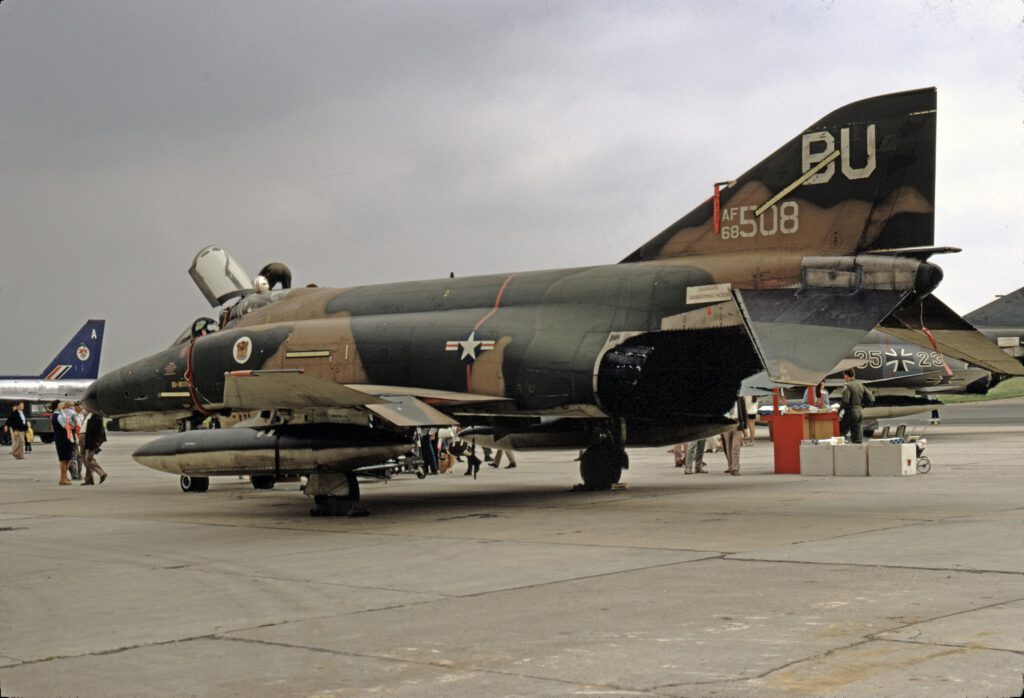
The 525th officially became part of the 36th Tactical Fighter Wing Nov. 1, 1968; this ended the unit’s tenant status at Bitburg AB. On Oct. 1, 1969, the squadron was redesignated the 525th Tactical Fighter Squadron. Still maintaining two aircraft on 24-hour air defense alert status, the Bulldogs new mission now included close air support and limited nuclear air-to-ground delivery. Additionally, on Nov. 16, 1969, the Bulldogs became the first squadron in Germany to fly the F-4E Phantom. Because of its exceptional performance mastering a new aircraft and mission, the 525th was nominated by USAFE for the Hughes Trophy in 1969.
In 1970 and 1971, the 525th was awarded the Allied Forces Central Europe Scroll of Honor. This prestigious award for “outstanding operational achievement” was given for twice consecutively earning the coveted rating of “1” on tactical evaluations by the Allied Air Forces Central Europe. In 1974, the 525th was nominated by USAFE again for the Hughes trophy, and received a commendable citation in a close finals competition. That year the Bulldogs established Dissimilar Air Combat Tactics training with the F-5 Aggressor squadron at Alconbury, England. Later, the squadron was the first in USAFE to establish DACT programs with non-aggressor and non-USAF adversaries. As the premier air-to-air unit in USAFE, the 525th was chosen to be the first squadron in Europe to fly the F-15 Eagle.
Bulldog pilots flew the first 23 F-15 Eagles to Europe on April 27, 1977 during a historic, non-stop deployment from Langley AFB, Va., to Bitburg AB, Germany. Operation READY EAGLE became a success when, 18 hours after arrival at Bitburg AB, Bulldog pilots were sitting five-minute alert status with two of those F-15s. After less than one month on station, the Bulldogs were declared Europe’s first operationally ready F-15 squadron on May 26, 1977.
In 1978, the Bulldogs were featured as part of the McDonnell-Douglas film, “Eagles in Defense of Europe.” In October 1979, the 525th flew the first training missions at the new Air Combat Maneuvering Instrumentation range at Decimomannu Air Base, Sardinia, Italy. In 1984, the Bulldogs participated in an exchange with the French Air Force, sending six F-15s to Orange Air Base, France, in exchange for four Mirage F-1 aircraft. The French pilots flew for several weeks with the 525th and operated out of Bulldog operations facilities at Bitburg AB. In 1986, and again in 1987, the 525th deployed to Morocco and set up bare base operations at Sidi Sliminc. The 525th lived and functioned for four weeks out of tents and flew their missions with F-1 and F-5 aircraft from Morocco. In November 1988, the Bulldogs won USAFE’s Excalibur air-to-air weapons competition. In April 1989, the Bulldogs set a wing record for the most sorties in one month, flying 678 sorties, with 14 aircraft, while deployed to Decimomannu AB, Italy.
In August 1990, Saddam Hussein, leader of a repressive and bloody regime in Iraq, attacked and occupied the small, oil-rich nation of Kuwait. The United States, along with the United Nations, condemned this action and called for Iraq’s withdrawal from Kuwait by the Jan. 15, 1991. Iraq did not comply. The 525th TFS deployed to Incirlik Air Base, Adana, Turkey, in December 1990 for “just another weapons training deployment.” When the Bulldogs arrived at Incirlik AB with their F-15s, they joined American F-16’s from Spain, F-111’s from England, Wild Weasels from Germany, KC-135 Stratotankers from Texas, and E-3 AWACS and other electronic combat support aircraft from around the world. These units, deployed to Incirlik AB, formed the 7440th Combat Wing (Provisional) – the U.S. Air Force’s first composite wing.
On the night of Jan 17, 1991, Bulldogs flew in the first strike against Iraq by PROVEN FORCE aircraft. On Jan. 19, 1991, two Bulldogs used AIM-7 Sparrow radar missiles to destroy two Iraqi Mirage F-1’s. During the next six weeks, until the cease-fire, the 525th flew around the clock, protecting two strikes per day and one strike each night. PROVEN FORCE strikes targeted military airfields, nuclear and chemical facilities, communications centers, power plants, and oil refineries and storage facilities in northern Iraq.
By the middle of February, PROVEN FORCE was attacking Baghdad. In addition to protecting strikers, the 525th was frequently tasked to man barrier caps in eastern Iraq to destroy Iraqi fighters attempting to flee to Iran. These missions, often lasting in excess of five hours, required the Bulldogs to operate more than 150 miles behind enemy lines without any support assets.
The Bulldogs performed magnificently in Operation PROVEN FORCE. The squadron flew 1,329 combat sorties for a total of 3,550 combat hours. The squadron shot down six enemy aircraft. More importantly, not a single PROVEN FORCE aircraft was lost in combat during the war. On March 13, 1991, the 525th returned to Bitburg in victory. The celebration was brief, however, as the Bulldogs deployed back to Incirlik AB on April 5, 1991 to support Operation PROVIDE COMFORT.
Following the war against Iraq, numerous Kurdish refugees fled northward from the remaining forces of Saddam Hussein. The United States initiated a vast airlift operation, named Operation PROVIDE COMFORT, to drop food and supplies to these refugees concentrated in Iraq along the Turkish border. Because tensions between the Iraqi and Allied forces in the area remained quite high, the 525th was called back to Turkey in April 1991 to protect the vulnerable Allied cargo aircraft. In addition, the 525th was tasked, as part of the operation, to fly at low altitude over Iraq and provide intelligence updates of Iraqi troop and equipment locations.
Once again, the 525th performed its mission honorably. Between April 5-May 25, 1991, the Bulldogs flew 285 sorties over Iraq in support of Operation PROVIDE COMFORT. Just as before, not a single Allied aircraft was lost in Iraq due to hostile fire.
Throughout the rest of 1991 and into 1992, the 525th TFS served its nation with honor and pride. The Bulldogs deployed to Leeuwarden Air Base, Netherlands, during October 1991. In December 1991, the Bulldogs deployed to RAF Bentwaters, England, to train on the new North Sea ACMI range. The final weapons training deployment for the 525th TFS was at Leeuwarden Air Base, Netherlands, March 16-27, 1992.
The 525th TFS inactivated at Bitburg AB on April 1, 1992. After 15 years of inactivation, PACAF redesignated and activated the 525th Fighter Squadron at Elmendorf Air Force Base, Alaska, on Oct. 29, 2007. The 525th Fighter Squadron is now armed with the Air Force’s premier fighter aircraft — the F-22A Raptor.
A number of F-22 stealth fighters flew from the United States to the U.S. Yokota Air Base in western Tokyo on 20 January 2016 in an apparent show of strength following developments in East Asia. The headquarters of U.S. Forces Japan, located at the US Air Force base straddling Fussa and other western Tokyo suburbs, said the move was nothing special. But a Japanese Defense Ministry source said, “As many as eight F-22s arriving is something quite rare.”
“Yokota Air Base is receiving a temporary influx of 26 US fighter aircraft, F-22s and F-16s,” said Col. Kenneth Hoffman, US Forces Japan spokesman. Aa many as a dozen of the aircraft, assigned to the 525th Fighter Squadron at Joint Base Elmendorf-Richardson, Alaska, touched down at Yokota Air Base in western Tokyo. The Raptors were joined by F-16s from the 18th Aggressor Squadron, Eielson Air Force Base
525th Fighter Squadron photos
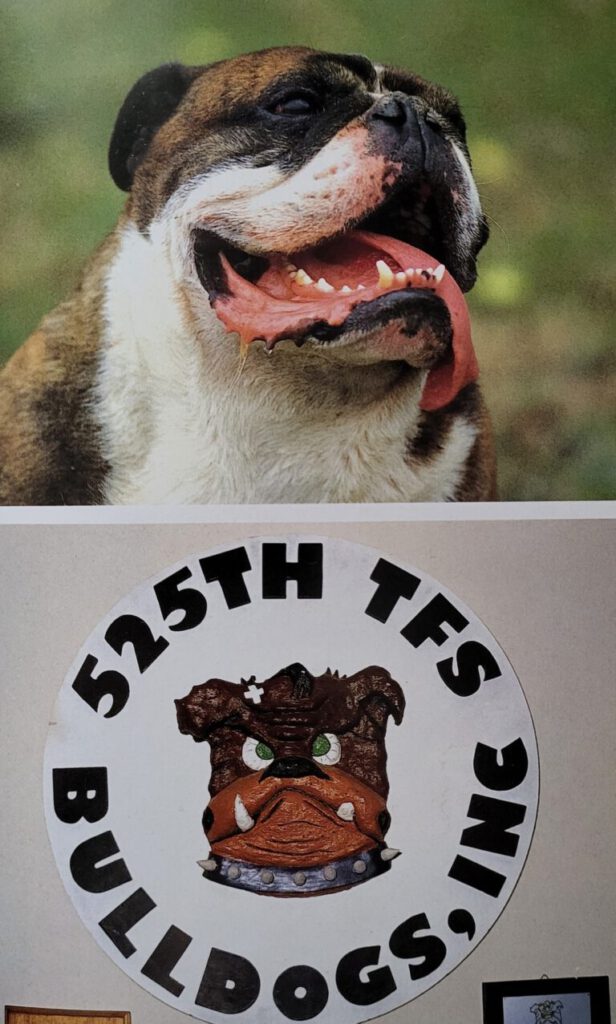
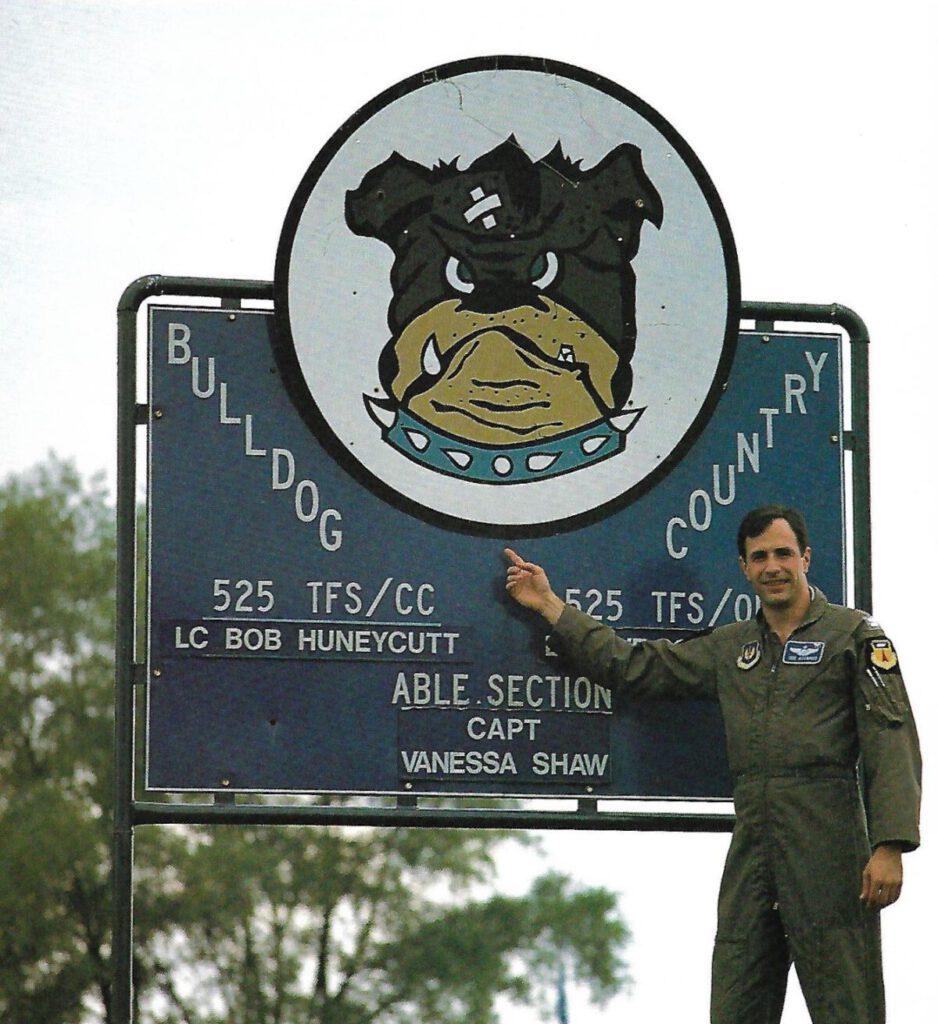
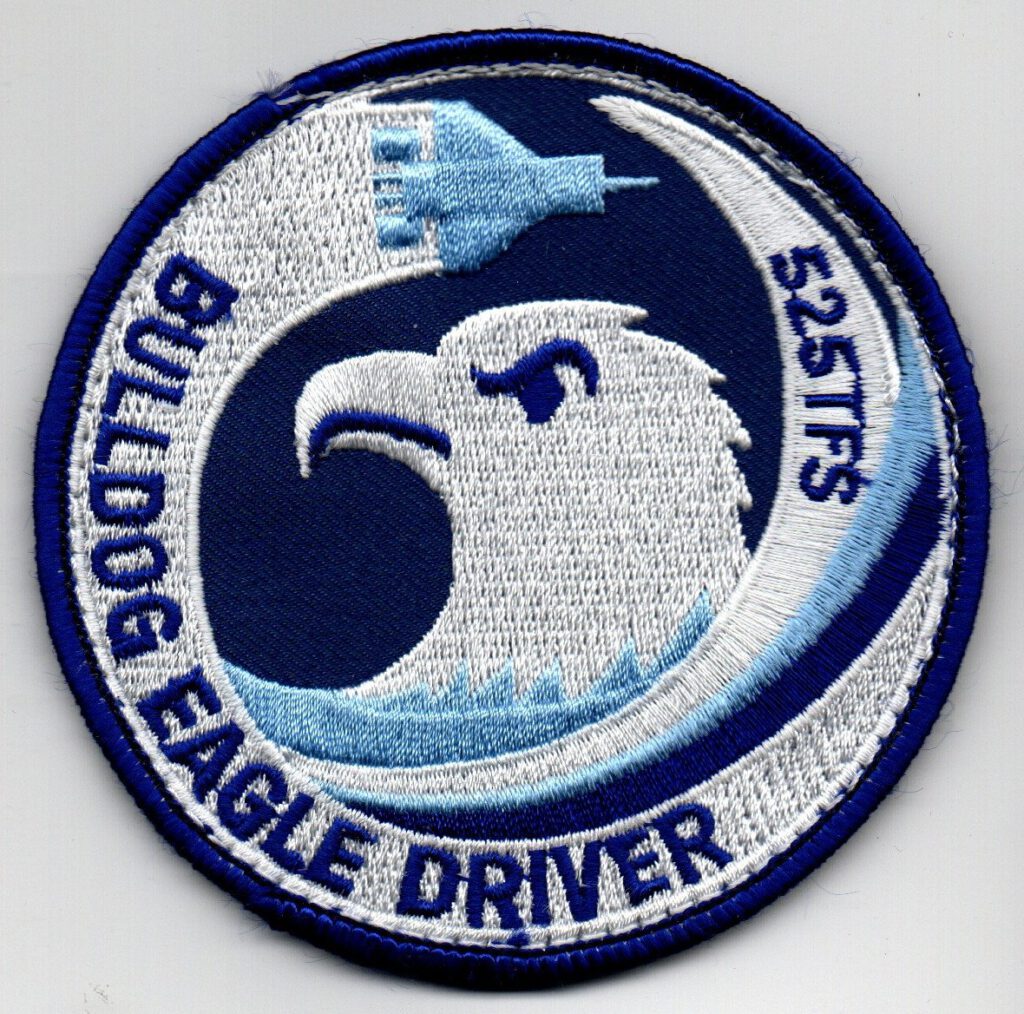
525 Fighter Squadron related patches
Still far from complete if you have a version you don’t see on this page, please contact me contact@skytrailer.nl