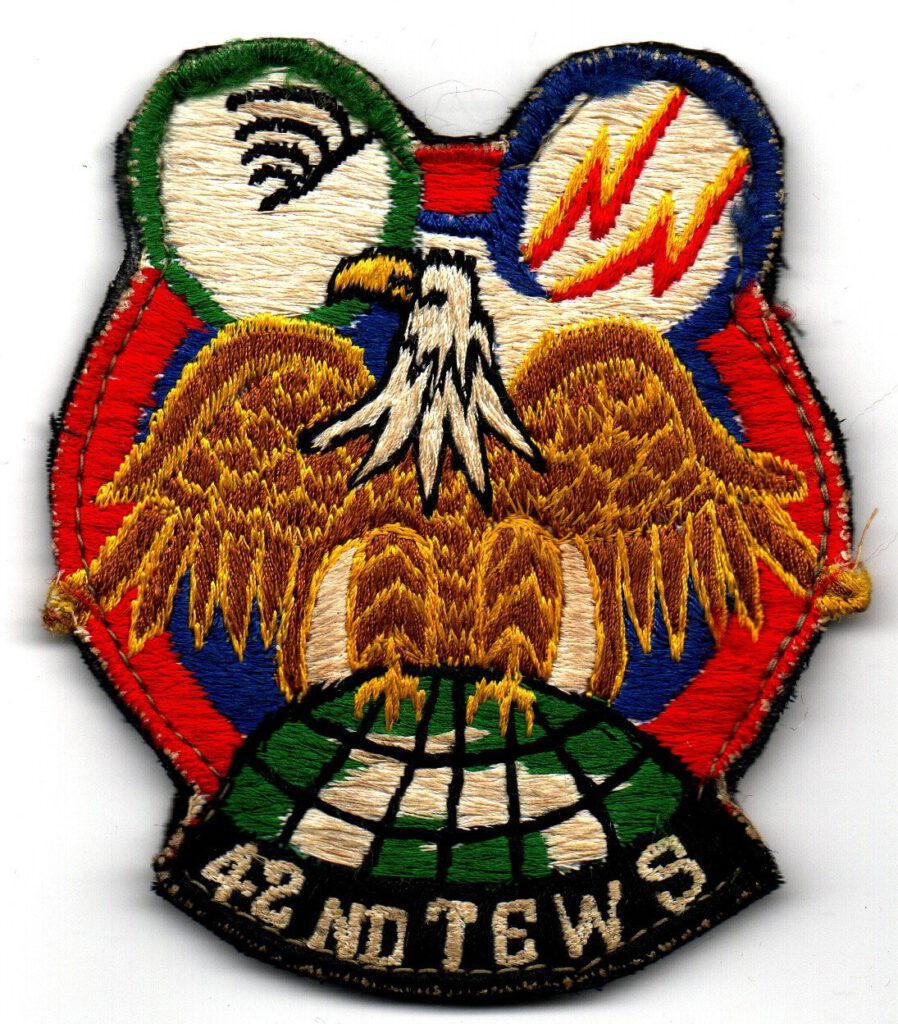
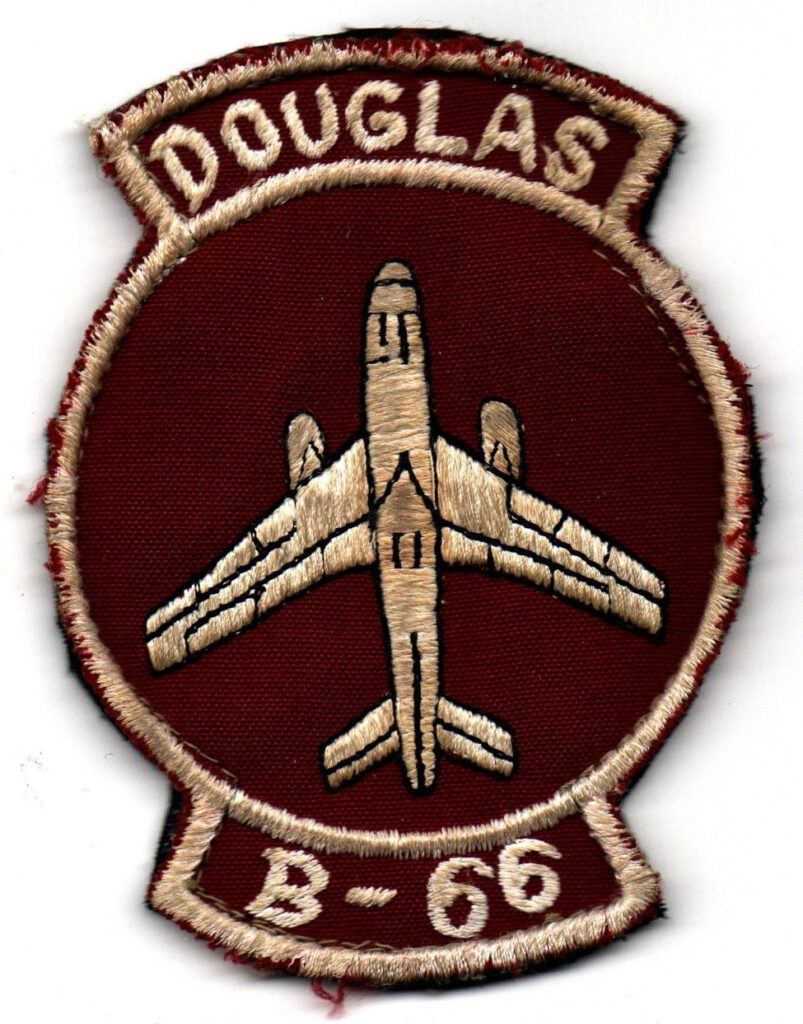
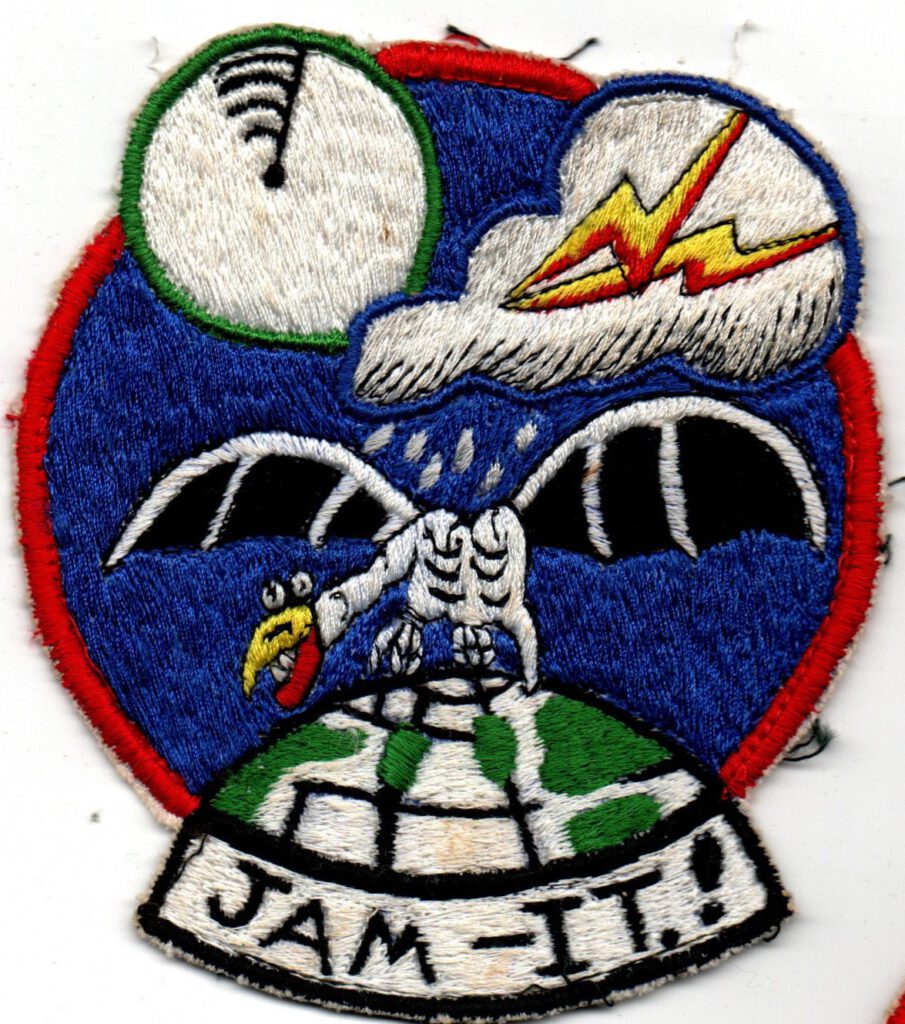
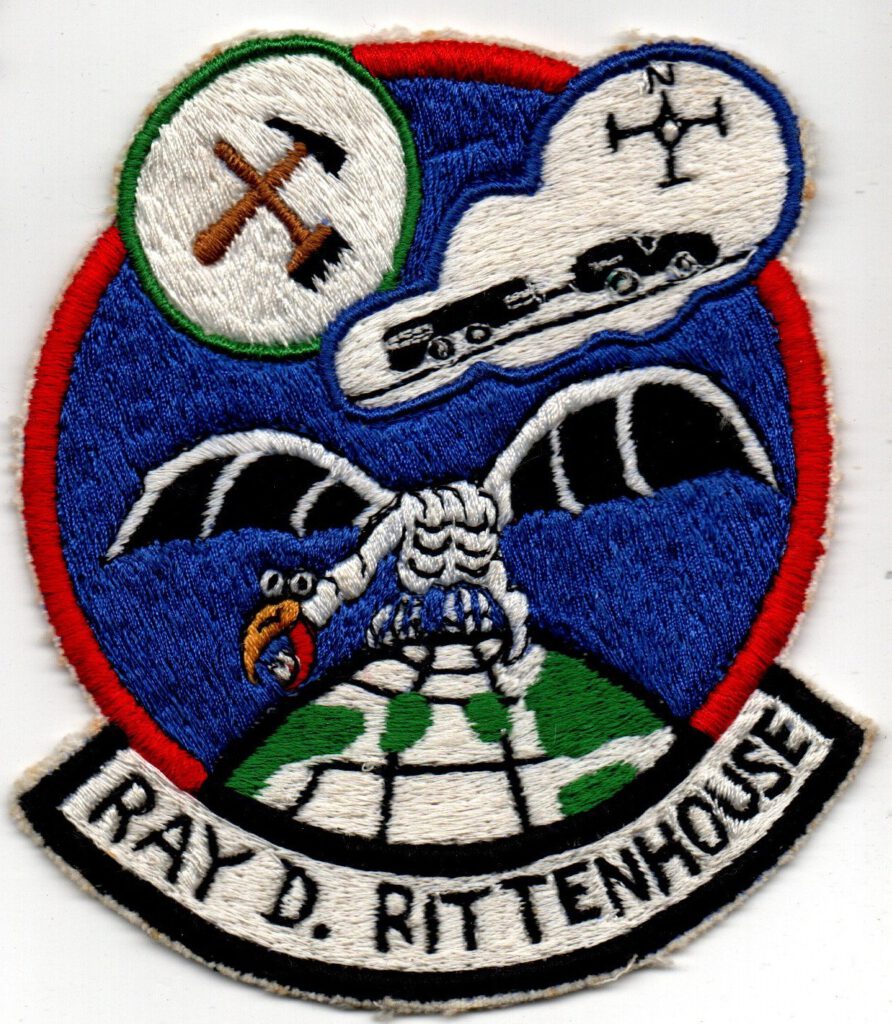
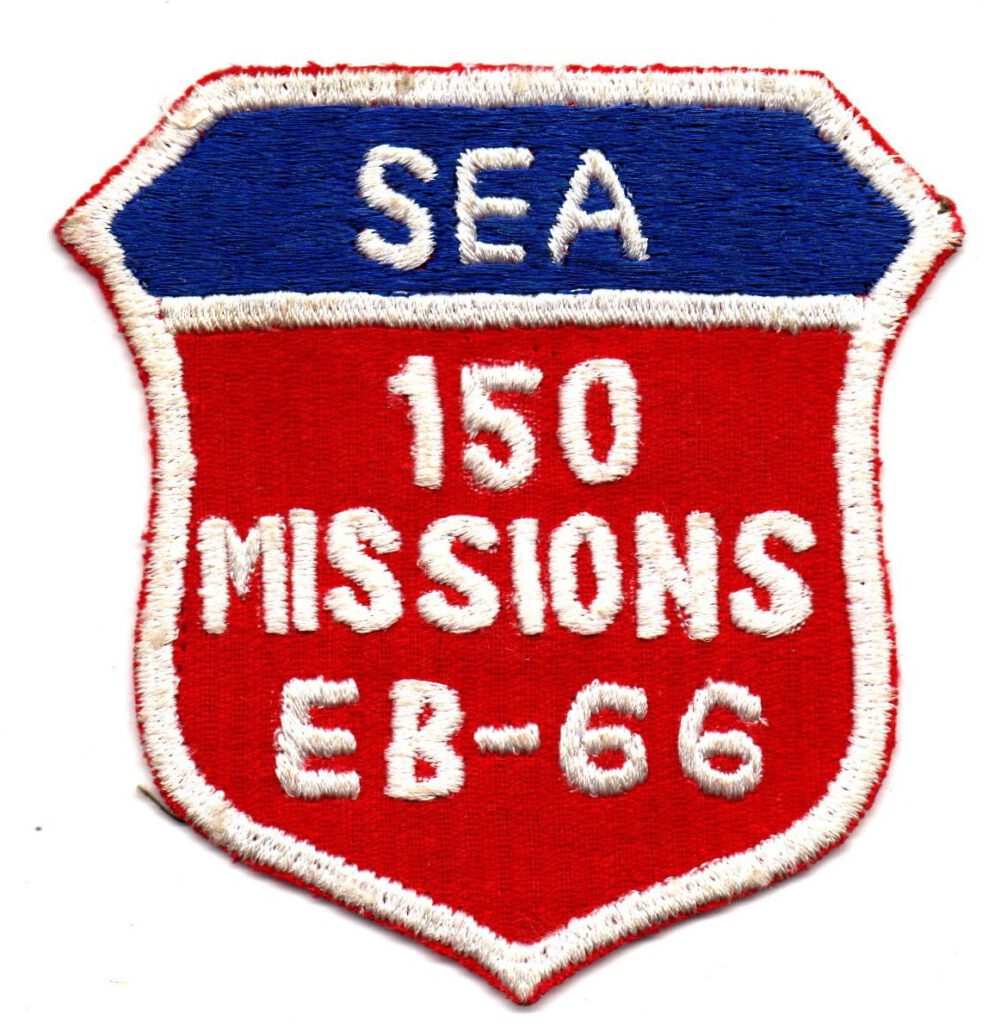
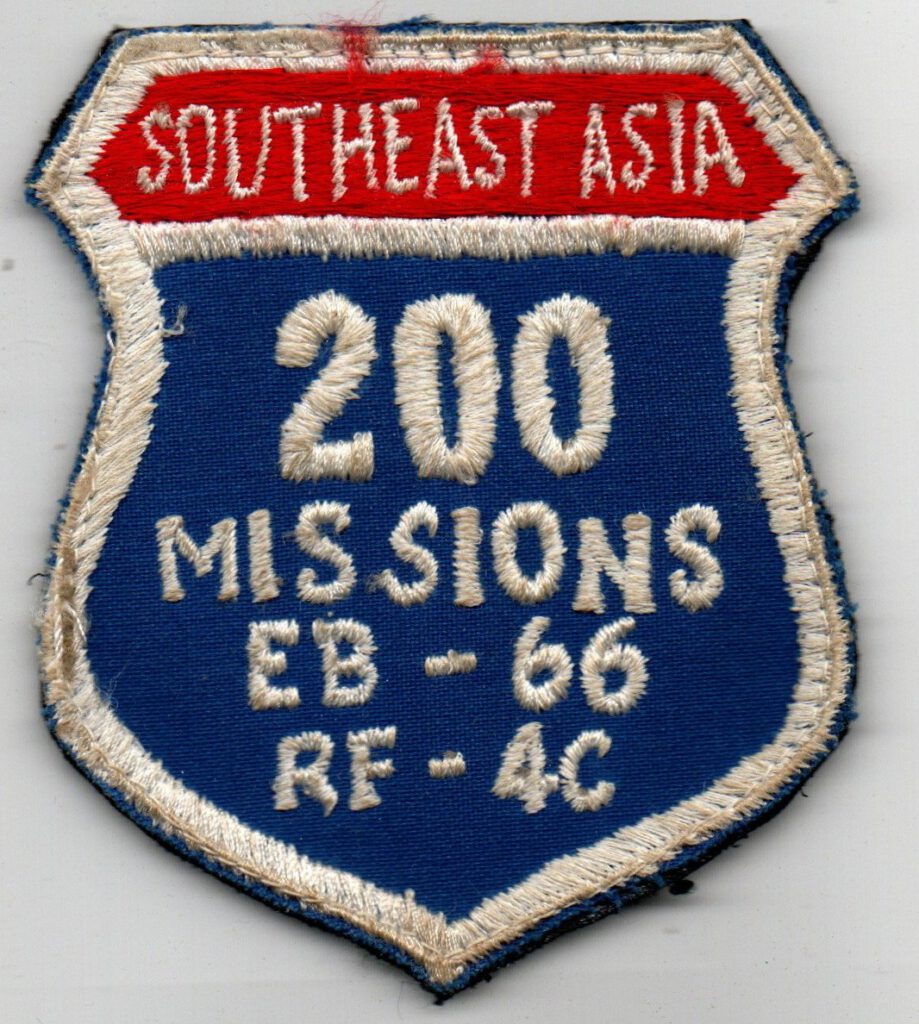
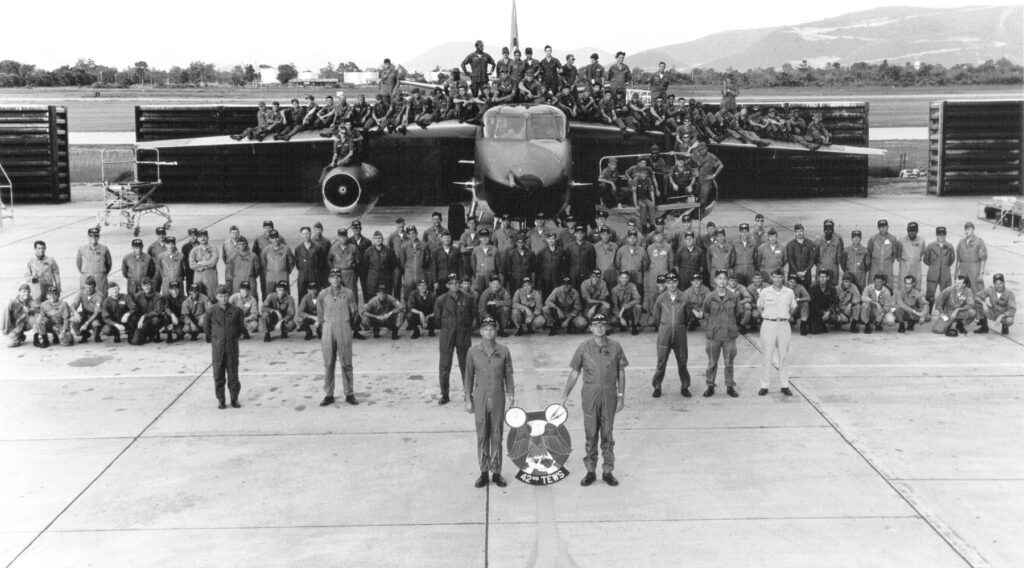
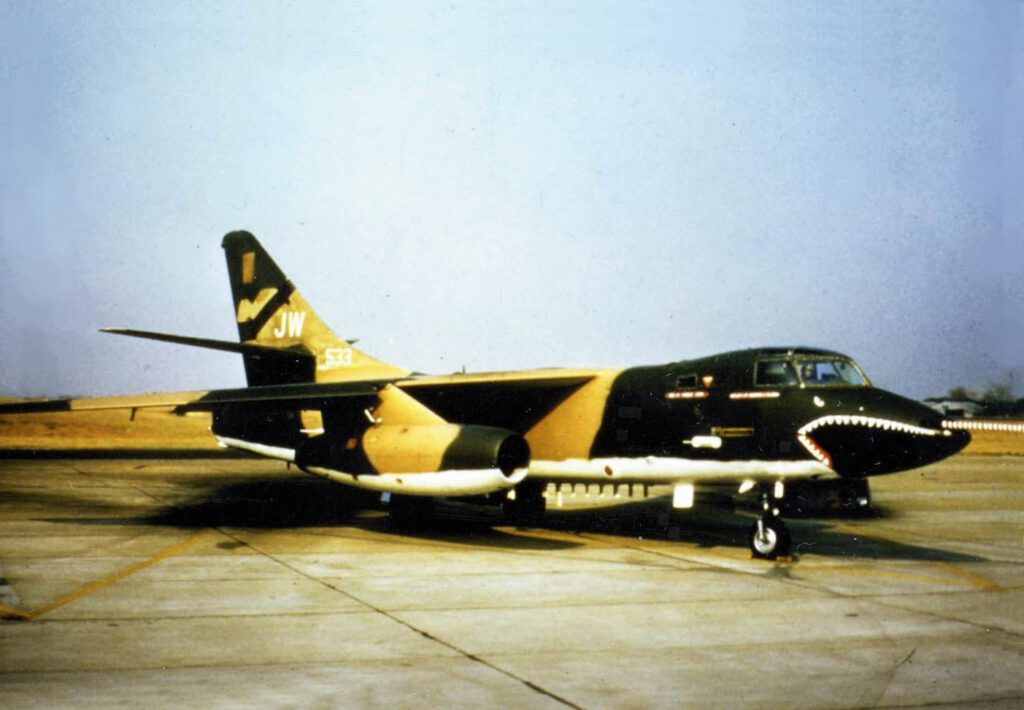
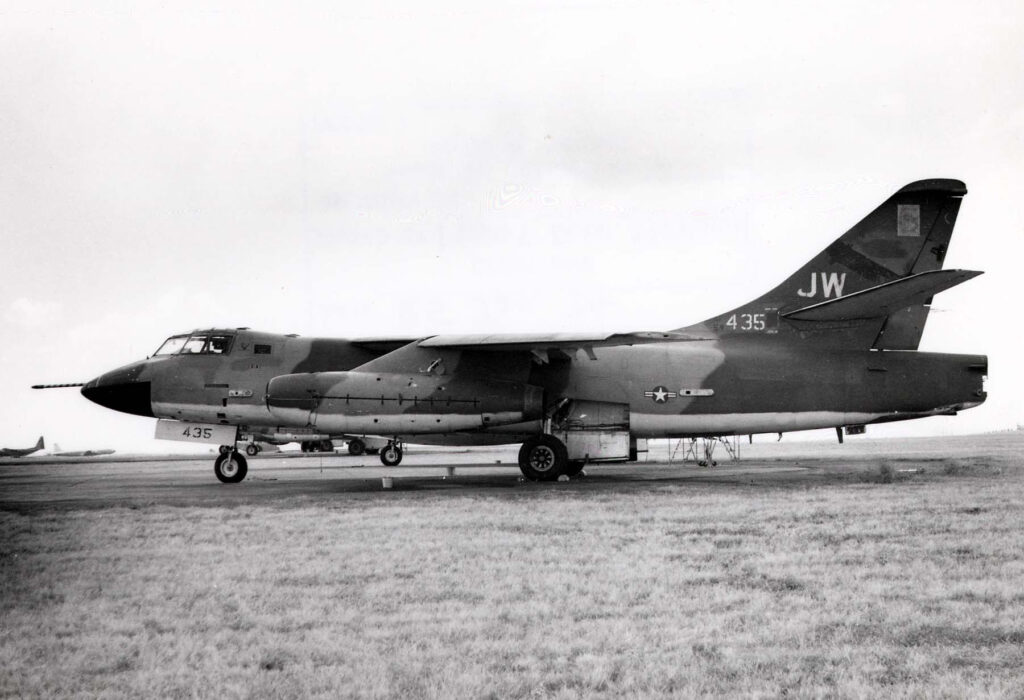
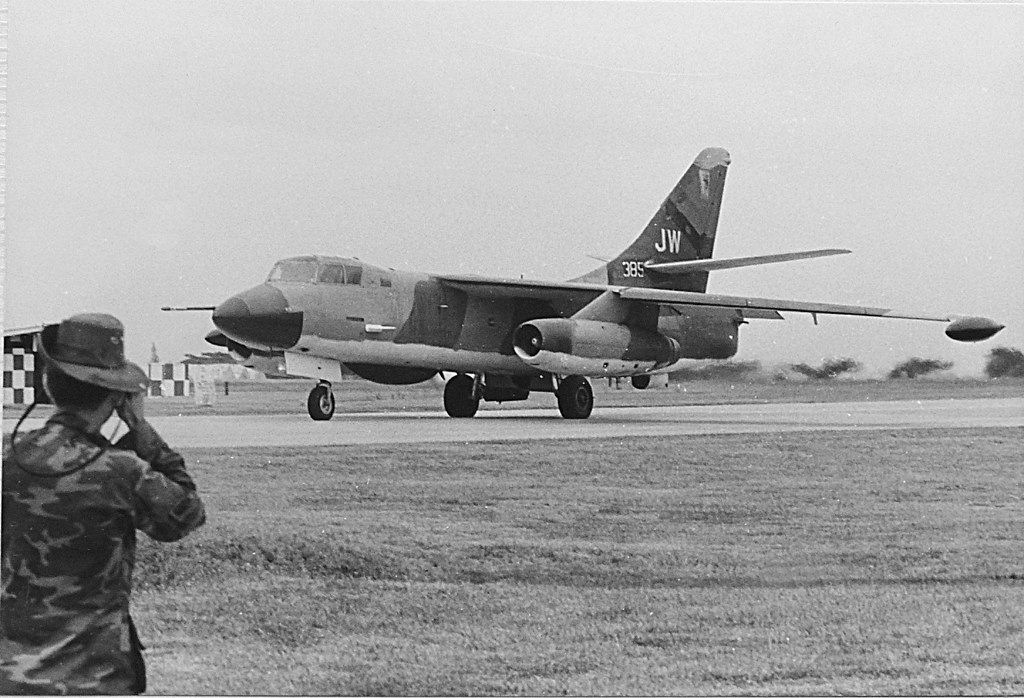
The 42nd Tactical Electronic Warfare Squadron (TEWS) operated the B-66 Destroyer aircraft in both Europe during the Cold War and in Southeast Asia during the Vietnam War. Their mission was primarily electronic reconnaissance and jamming enemy radar systems. The 42nd TEWS used several variants of the B-66, specifically the RB-66C and later the EB-66B/C/E models, which were modified for electronic warfare (EW).
The squadron was based in West Germany and the UK from 1954 to 1966, using RB-66Cs to provide electronic reconnaissance for US and NATO forces.
The squadron was reactivated in 1968 at Takhli Royal Thai Air Base and later transferred to Korat RTAFB. The EB-66s flew critical support missions, often orbiting just outside North Vietnamese airspace to detect and jam enemy radar sites, thereby protecting F-105 and F-4 strike aircraft from surface-to-air missiles (SAMs) and anti-aircraft artillery (AAA).
RB-66C: A specialized electronic reconnaissance version with a modified bomb bay housing extra crew members and equipment, and distinctive wingtip receiver pods.
EB-66E: A later conversion of the B-model bomber into a dedicated electronic countermeasures platform for use in Vietnam.
The B-66s of the 42nd TEWS played a vital, though often unheralded, role in minimizing U.S. aircraft losses by “blinding the enemy” during bombing missions. One famous incident involved an EB-66 navigator, Lt Col Iceal Hambleton, who was shot down and whose rescue was later on shown in the movie Bat21
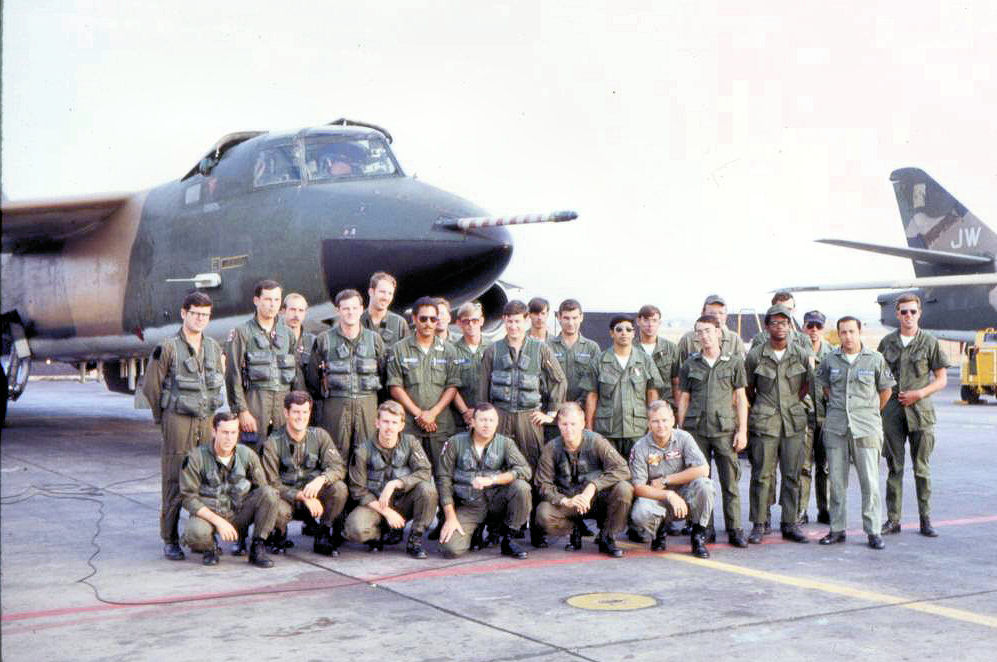
42nd TEWS Photos



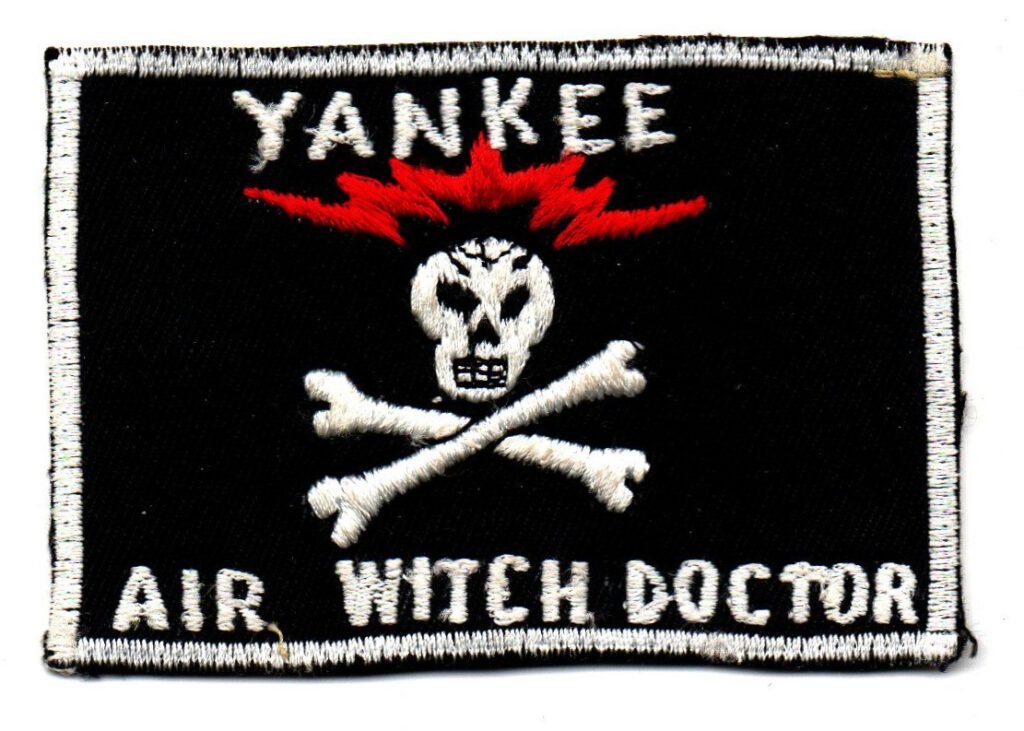
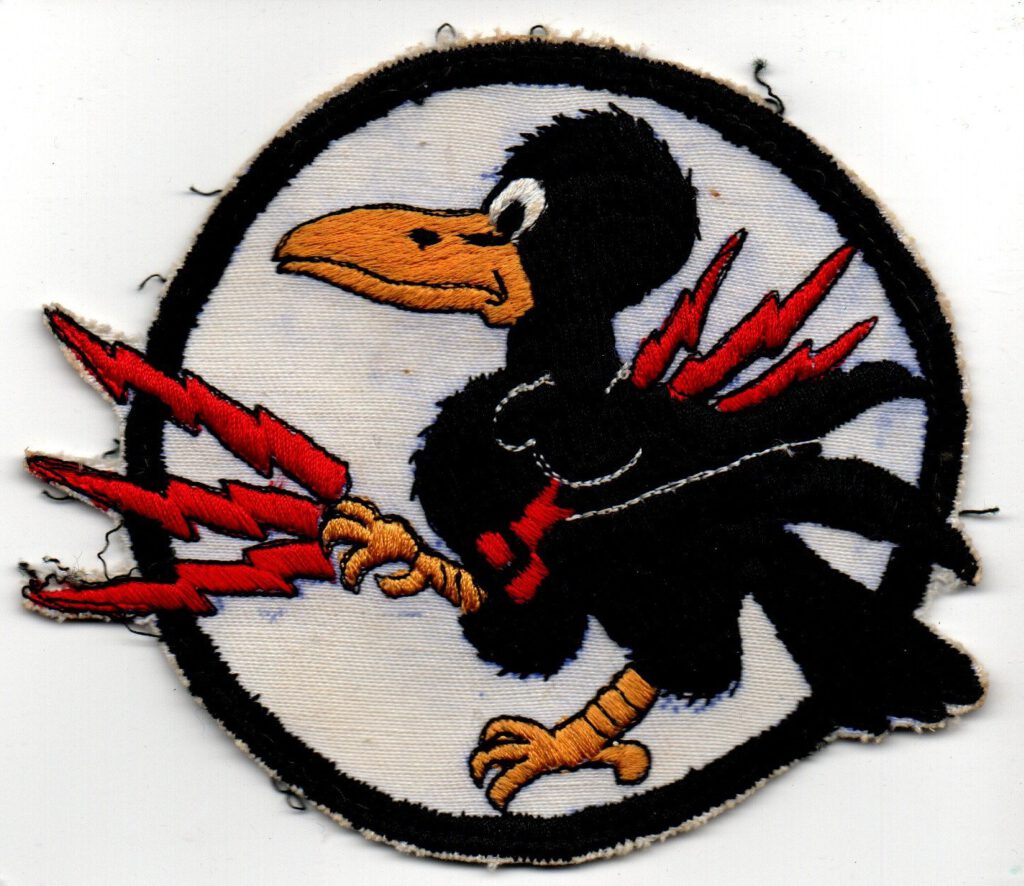
42 TEWS Patches