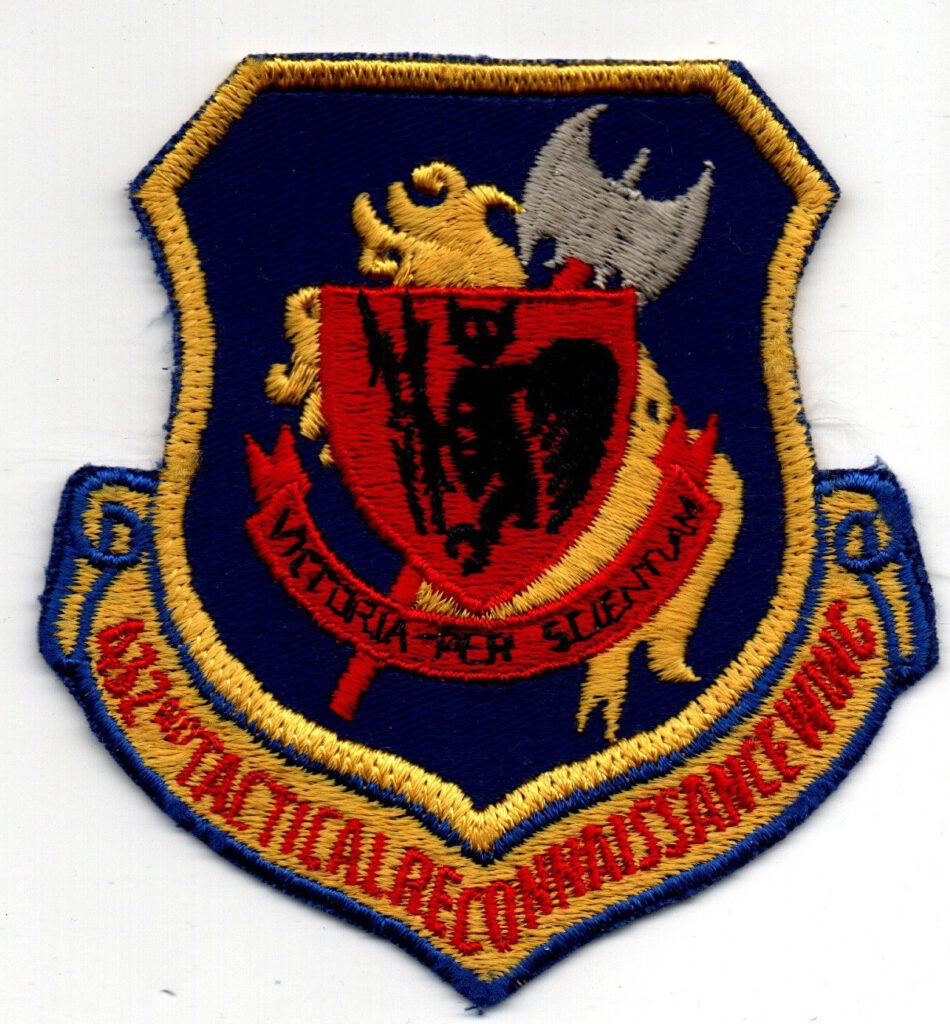
In February 1969, shortly after Seventh Air Force authorized the Tiger program, the 432d Tactical Reconnaissance Wing at Udorn developed a significant fast FAC concept. It called for an RF-4C to orbit an assigned area searching for targets and photographing enemy positions. Another fast FAC (F-4D) carried out visual reconnaissance at the same time. When the controller spotted something suspicious, he requested photo coverage from the RF-4C.
The photo reconnaissance crew (call-sign Atlanta), upon locating a lucrative target, called in the FAC to control strikes against it. The scheme also included photo coverage of FAC-directed attacks.79 The 432d Wing proposed the plan to Seventh Air Force on 19 March 1969 and received quick approval. The 432d TRW established the Falcon FAC unit at Udorn in April, structured after the Wolfs at Ubon. The first five crews, having received checkouts from Stormy and Misty controllers, flew their maiden missions in Steel Tiger on 8 April. They became the first jet FACs to work for a tactical reconnaissance wing. They and the Atlanta photo recce crews formed a close-knit team. A chief advantage for the Falcons was access to fresh intelligence from rapidly developed photos. The Vulcan cannon on the RF-4C was replaced by a glass nose enclosure that housed camera equipment. The “clothes rack” on the top of the fuselage behind the rear cockpit indicates that this RF-4C was also equipped with the ARN-92 long-range-navigation (LORAN) system. A general operational pattern emerged from the first joint Atlanta/Falcon mission on 26 April 1969. As soon as the Atlanta RF-4C landed at Udorn, its film was speedily processed and rushed to the Wing Intelligence Division for evaluation and target selection. At a joint preflight briefing, Falcon and Atlanta air crews pinpointed targets and discussed surveillance tactics. Both aircraft took off together. The Falcon headed for a tanker, the Atlanta to the target area for a look at the weather. Upon receiving a weather briefing from the Altanta crew, the Falcon FAC determined the sequence for hitting the targets. The Atlanta took prestrike photos of the first target and, as the fighters attacked, moved on to photograph other targets. The photo recce crew then returned to take poststrike pictures of the targets. If the mission was mainly for visual reconnaissance, the Falcon FAC planned it and the Atlanta crew flew as an escort. The Atlanta/Falcon team yielded more strikes per sortie than other jet controller programs. In fact, its BDA tripled Seventh Air Force averages. This success rested largely on the Atlanta’s picture-taking, which reduced visual reconnaissance time. Hence, the Falcon FAC could concentrate on strike control. The increase of enemy activity in Barrel Roll (July-September 1969) swamped the Tiger controllers. They asked for assistance from Atlanta/Falcon teams and the 432d Wing replied with four sorties daily. Then, as the Laotian government counteroffensive (About Face) gained momentum, the Atlanta/Falcon effort centered in Barrel Roll. Two sorties a day continued there, even after About Face was completed; four sorties returned to Steel Tiger.
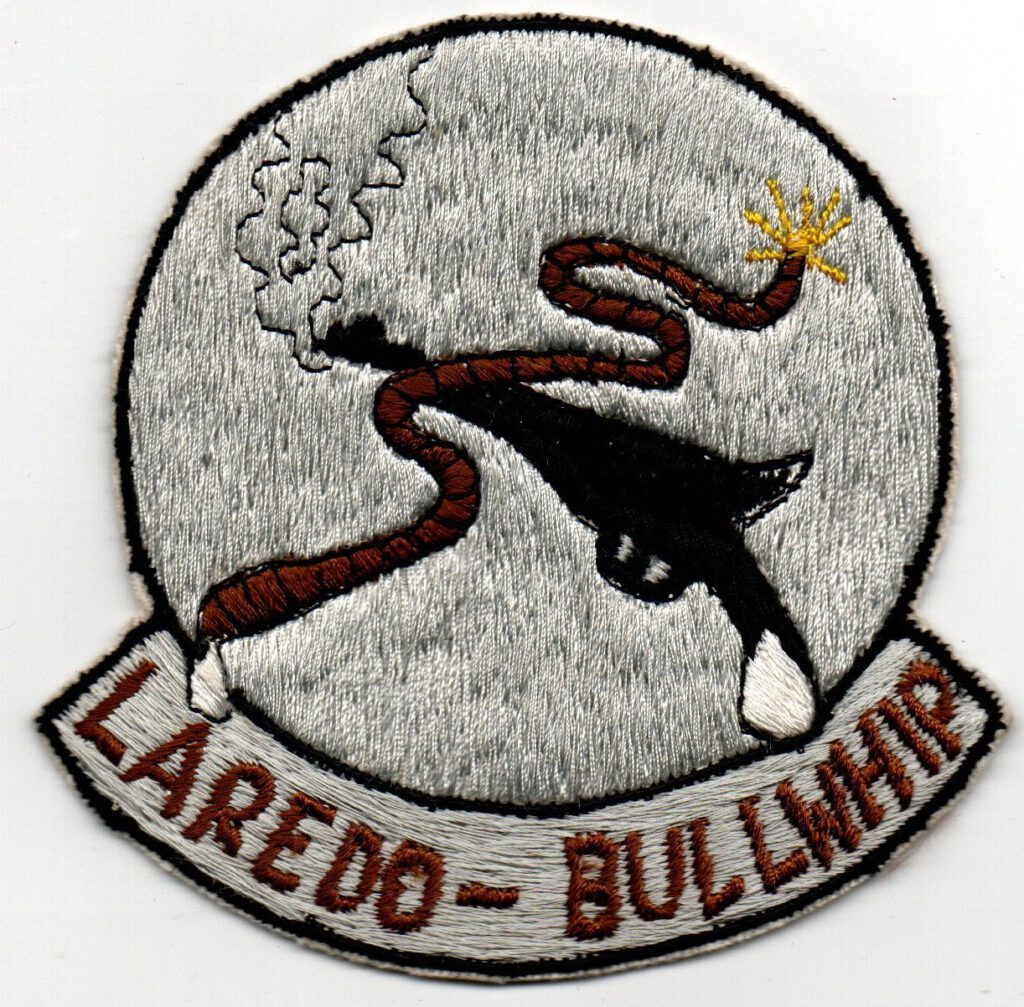
Laredo FACs (F-4Es from the 432d TRW) developed a variation of the Misty hunter-killer concept. Dubbed “Snare Drum,” this operation employed formations of 16 to 20 fighter-bombers. In September 1969, Laredo controllers led three of these special missions. The Air Attaché in Vientiane reported that one of them (comprising 20 aircraft) decimated one thousand enemy troops who were massed in the target area. The Atlanta/Falcon teams found targets not detected before. For example, their dawn-to-dusk coverage in Steel Tiger and Barrel Roll uncovered 102 new targets in November 1969 and another 172 the next month. The crews often risked going in below four thousand feet—and, as a result, suffered 21 cases of battle damage between October and December.87 Seventh Air Force then ordered the FAC/Recce crews to remain above 4,500 feet—but they still located more targets than other FAC units. The “Bullwhip” call sign was a variation related FAC operation, sometimes associated with “Atlanta” FACs, which was incorporated into the broader Laredo operations.