By Gary Burton
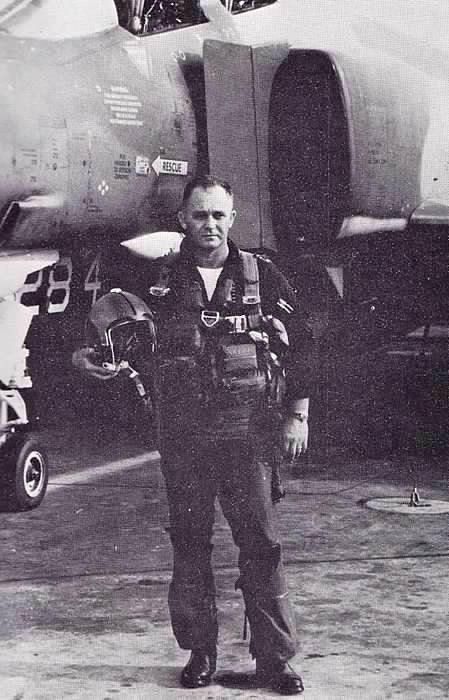
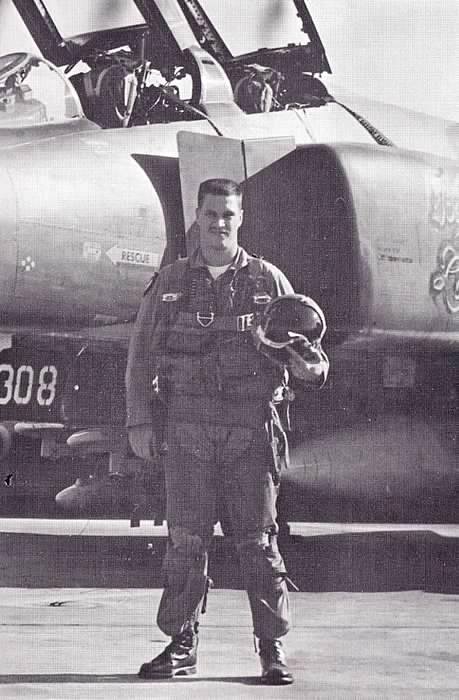
Let me tell you the story of just another night at Korat when members of a 2-ship from B-Flight went out to fight. The 2-ship consisted of Major Cec Lefevers with yours truly (Gary Burton) in the rear cockpit (GIB) of the lead aircraft. On the wing was Captain Rick Perlotto with Captain Bob Morris as GIB. During mission planning we knew the weather was bad in the target area, so we were to execute a Commando Nail drop on a target in Laos. Target was another suspected truck park along the Ho Chi Minh Trail.
Commando Nail consisted of using aircraft mapping radar to find a target and make a straight and level run and ripple the bombs off in one pass. On this pass we were using a known ground radar reflector point and then using a known offset vector to the target. The execution of this procedure was for the lead GIB to find the radar target and place a range cursor and cross track (azimuth) cursor on the reflector and press freeze which would then keep the cursor on the target using the inertial navigation system (INS). On this run, Bob and I talked via radio and compared range and azimuth and it looked OK. At this point adjustments of the cursors on the freeze point can still be made. A few seconds later I pressed Insert and watched the cursors jump to the bomb target offsets. After Insert, the weapons computer takes over and gives steering guidance commands for the pilot to steer to the target and, at the calculated bomb release point, will release the bombs. The bomb button (Pickle) must be held. The computed release point considers altitude, airspeed, and wind drift.
So, after I went Insert, I told Cec he had steering to the bomb release point. The pilot at this point flies the given heading, planned altitude and airspeed and needs to Pickle before reaching the computed bomb release point. The No. 2 aircraft will arm his bombs in direct mode and Pickle when he sees the bombs falling off the lead aircraft. Everything was looking OK and we were still some distance from bomb range but I told Cec to go ahead and Pickle. Just as I said Pickle there was a loud bang and bright light from our 10:00 o’clock position. My first reaction was a bomb had exploded but in a second I knew we were still alive. Then, almost immediately, Cec started hollering, “Take the Airplane”, then asking do you have an attitude indicator? I took the stick and immediately understood the lightning fried the radar and INS and therefore his attitude indicator was tumbling. I told Cec to reach up and select standby on his ADI and it should be OK. Somewhere in there Rick called lost wingman, meaning they could no longer see our plane, and reported they were all right. Our run-in heading was easterly toward the North Vietnam border, so I turned to the west. Shortly after that Invert (Airborne Radar Control) called and said we were in North Vietnam. That’s when I got the hint to look at the whiskey standby compass and it read North. (As a frame of reference by flying North the NVA border angles from about the 4:00 to 10:00 clock position). With another a-ha moment I told Cec to reach over to the right console and re-sync the compass and Cec took the aircraft back. Heading west now, but the fun was not over.
Cec asked Invert if they had radar with both aircraft. They said affirmative, so Cec asked them to vector us back together. With that underway, we safed-up the bombs and turned on the aircraft external lights. With no radar, I was blind but listened to Invert give No. 2 headings. I was under the impression they were coming in at our 7-8 clock position. But one more call and I realized they were coming from our 10:00 position. I looked at 10:00 and saw two red flashes of Ricks anti-collision light as he went right under us. Only two flashes meant the clouds were still thick.
After that practice near miss, Cec told Invert thanks but we’ll do this ourselves. (In retrospect nobody thought to take altitude separation.) Cec told Rick what TACAN radial and DME we were on and fairly quickly we were joined back up. With our equipment degraded and fun meter pegged we decided to return to Korat and land with all or bombs.
To recap, everyone agreed the strike came from 10:00. The sound I heard sounded like someone hit the radome of our aircraft with a sledge hammer. Our radar and INS were fried and the right wingtip lights on both aircraft were burned out. In post-flight debriefing, Cec said he had the sensation that we were in a right bank during the entire run. That certainly explained his reaction when the ADI tumbled. I carried a small Sanyo light in my left zipper pencil pocket and saw the bulb was black like a used flash bulb on a camera. I was surprised to learn we were all grounded until the Flight Surgeon gave us a short physical (check teeth fillings, eyes, ears etc.).
As the years passed, I had missed a couple of reunions and word got around that some claimed they were in Cec’s back seat and others speculated they were in the No. 2 aircraft. They may have experienced many hairy or odd flying events and after a few years couldn’t keep them all straight! At the reunion in Colorado Springs in 2000, I decided to tell the story about who the real actors were and the events.
I write this not out of a sense of great accomplishment but of the odd coincidence of Pickle and an immediate loud boom. This of course started the next actions. There were clearly some lessons learned.
Black flying suit
The Lightning Strike, Epilogue
By Don Drinnon
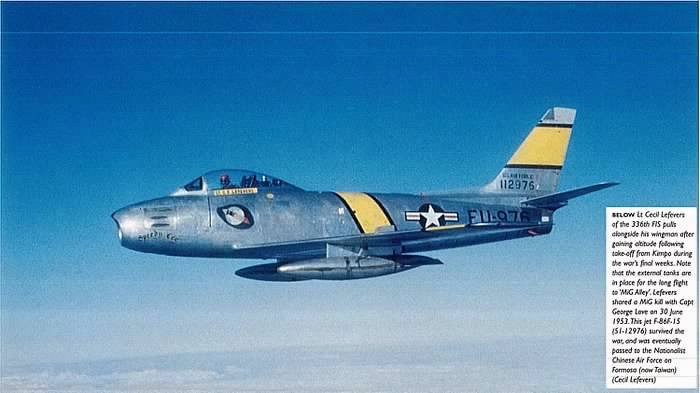
I asked Gary to write the story of the Lighting Strike for a of couple reasons. First, it was a very exciting mission that was well flown by the crews from B Flight. Second, I needed a lead-in to expand on Gary’s next-to-last paragraph about who was in the two airplanes.
But first, a little background on how the Squadron operated. Our daily Operation Order from 7th Air Force Headquarters in Saigon, called a Frag Order, told us how many missions we would fly each day, our take-off times, weapons load, tanker support, and which airborne command aircraft may be involved in the execution of the mission. The Frag usually had requirements for both day and night missions, probably about 60% day and 40% night. We then assigned one or two of the five squadron flights to exclusively fly night while the other three or four flights flew day missions. The assignment would last one or two months. This system was primarily for safety and effectiveness, thus ensuring proper crew rest and increases proficiency.
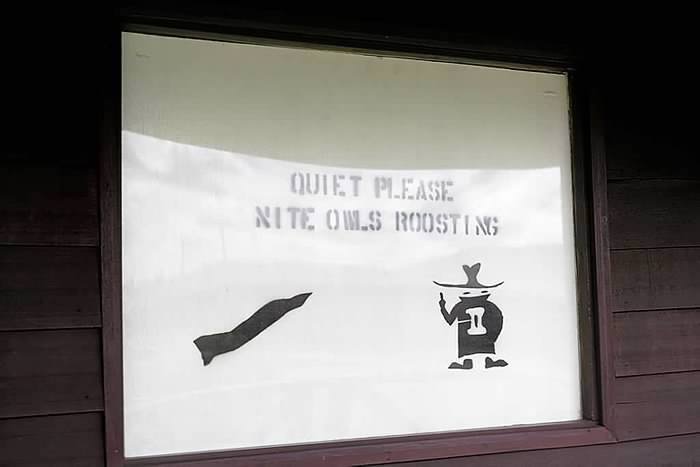
Major Lefevers was the flight commander of B Flight and B Flight seemed to like night flying and volunteered for that mission often. I was in D Flight and we certainly did not volunteer. I had never heard of the Lightning Strike until the first reunion. This would not be unusual as there was very little interaction between the day flyers and the Nite Owls, as they were called. The day flyers would be going to breakfast while the Nite Owls would be leaving the bar and heading to bed.
The main activity at reunions of a bunch of fighter pilots, is to stand-around telling war-stories and most start with “remember when….” Our first stateside reunion was in Colorado Springs in 1996 and was very well attended. By then it had been about 35 years since many of the guys had seen each other. Well, the Lightning Strike mission came up quickly among the B-Flight guys and whoever else were flying the Nite Owl missions at that time. Those of us who were clearly not involved with the mission thought the lightning strike “war stories” were quite entertaining and funny.
It seems that at one point there were eight guys who claimed to have been in the four seats available. They were all serious. Our next reunion was in 1998 in Fort Walton Beach and the stories and debates continued. I believe the maximum number remained at eight in the four seats, not necessarily the same eight, but again we non-B-Flight guys thought this whole discussion was hilarious. As Gary states, he got up and told the true story stating that the lightning strike mission would no longer be discussed at future reunions. That received a big laugh from a good percentage of the guys, but not the four who did not receive a seat.