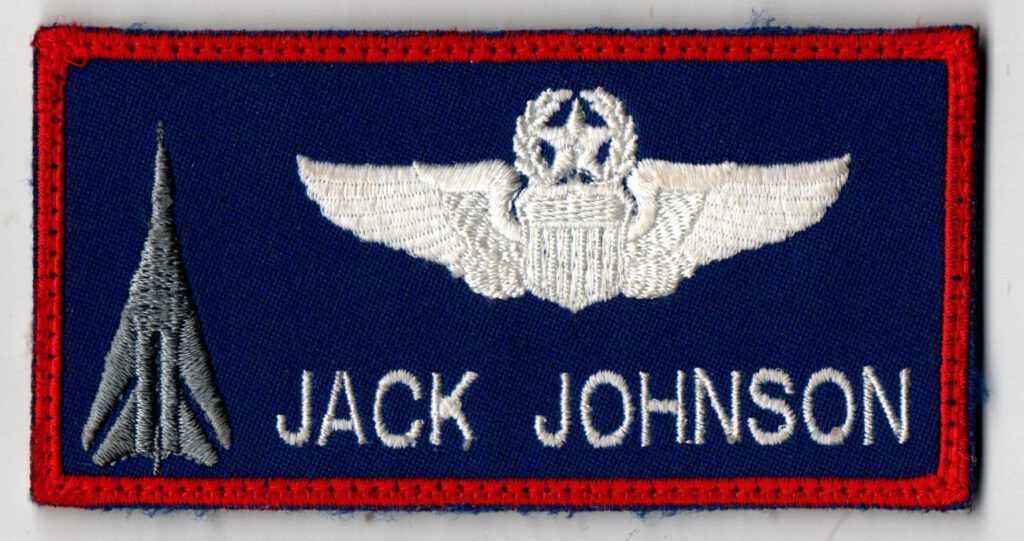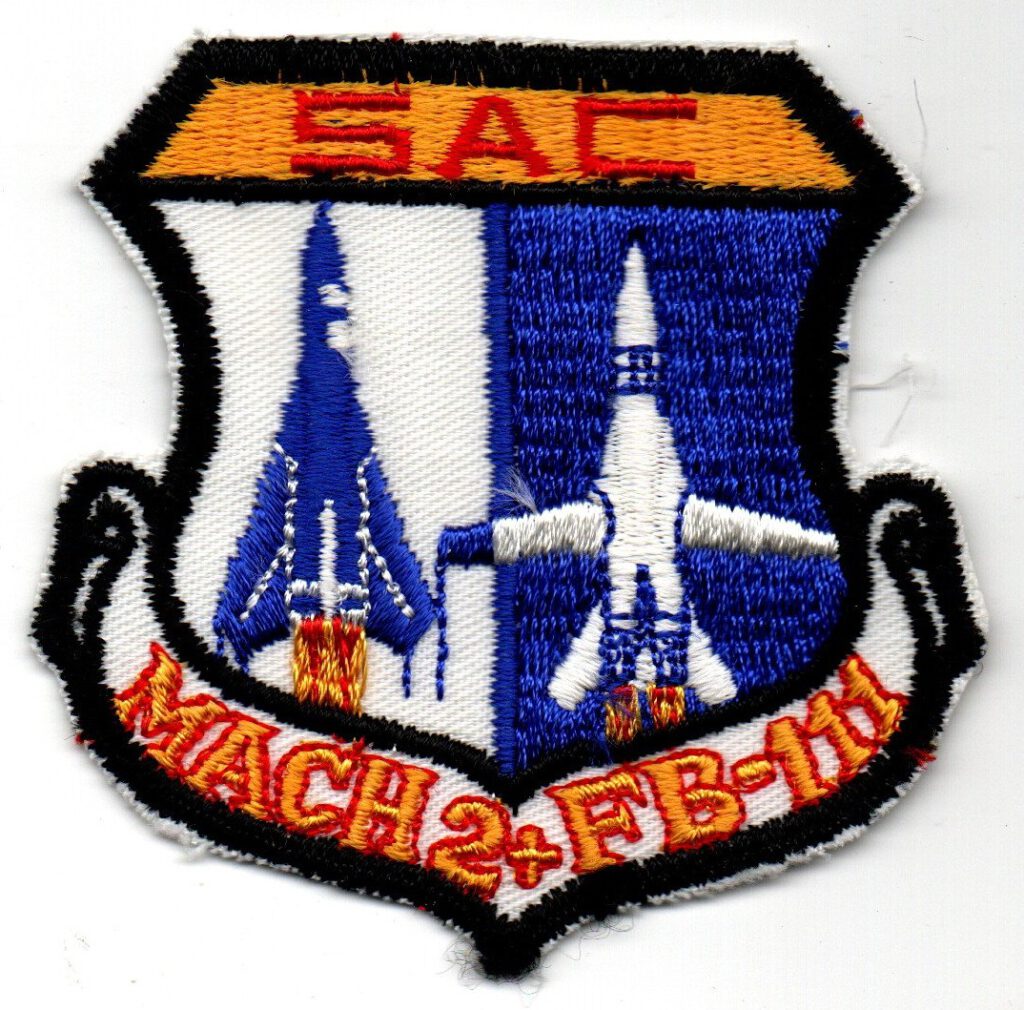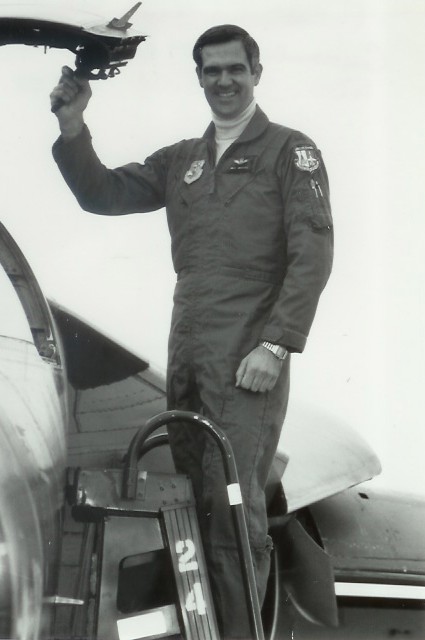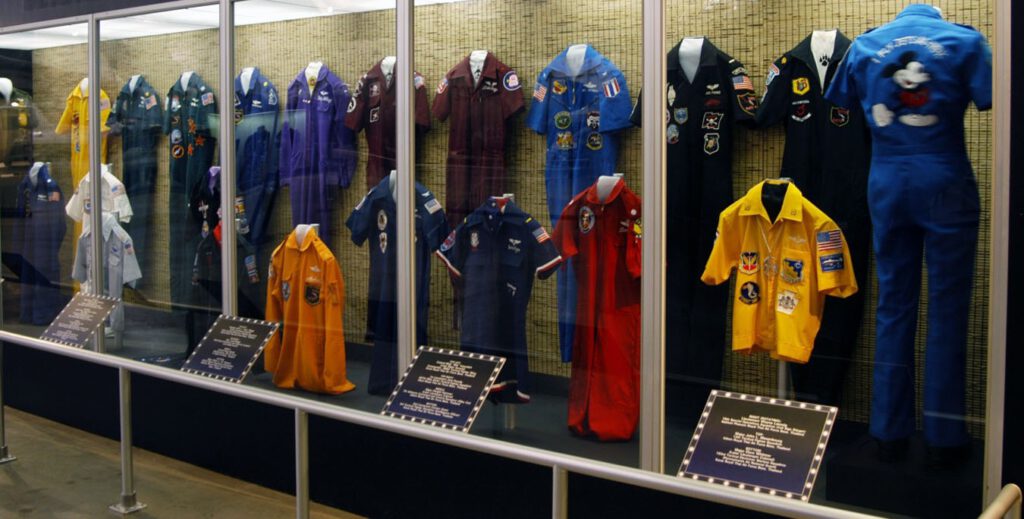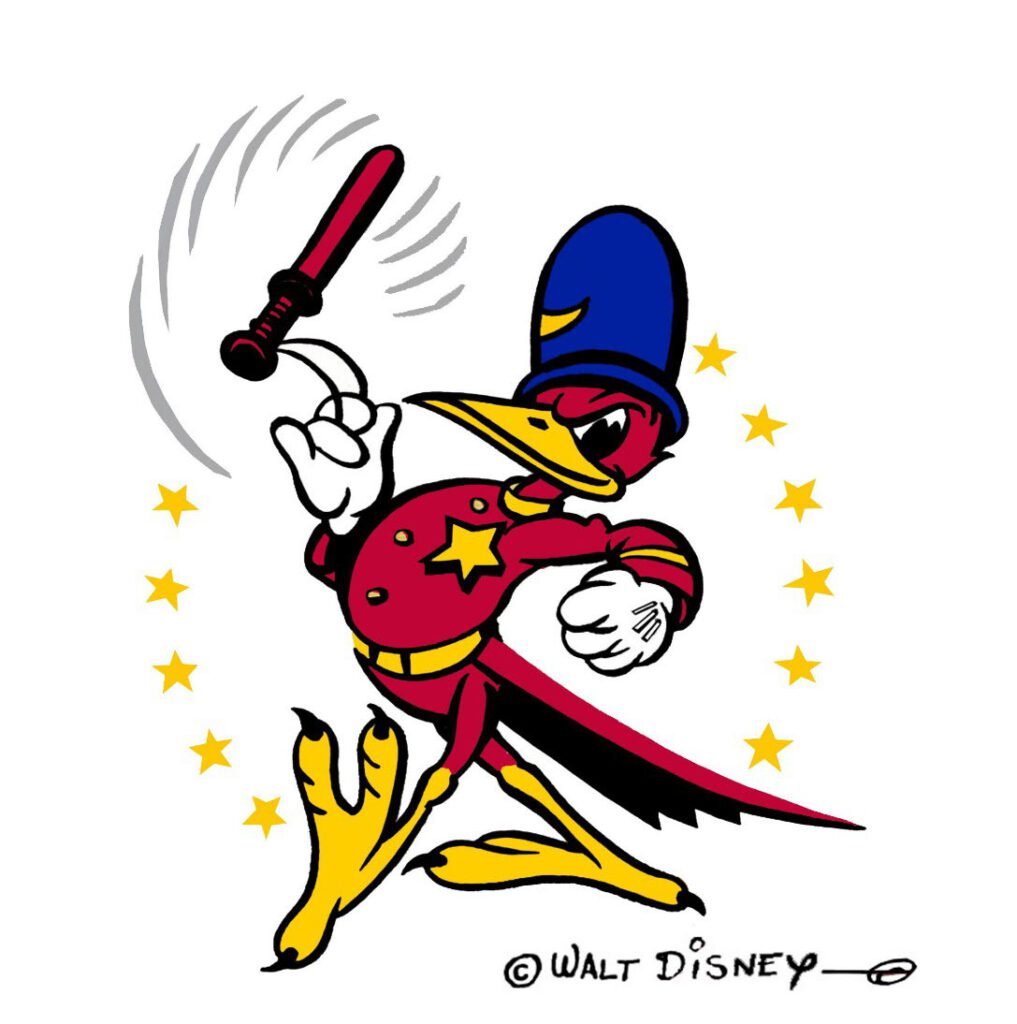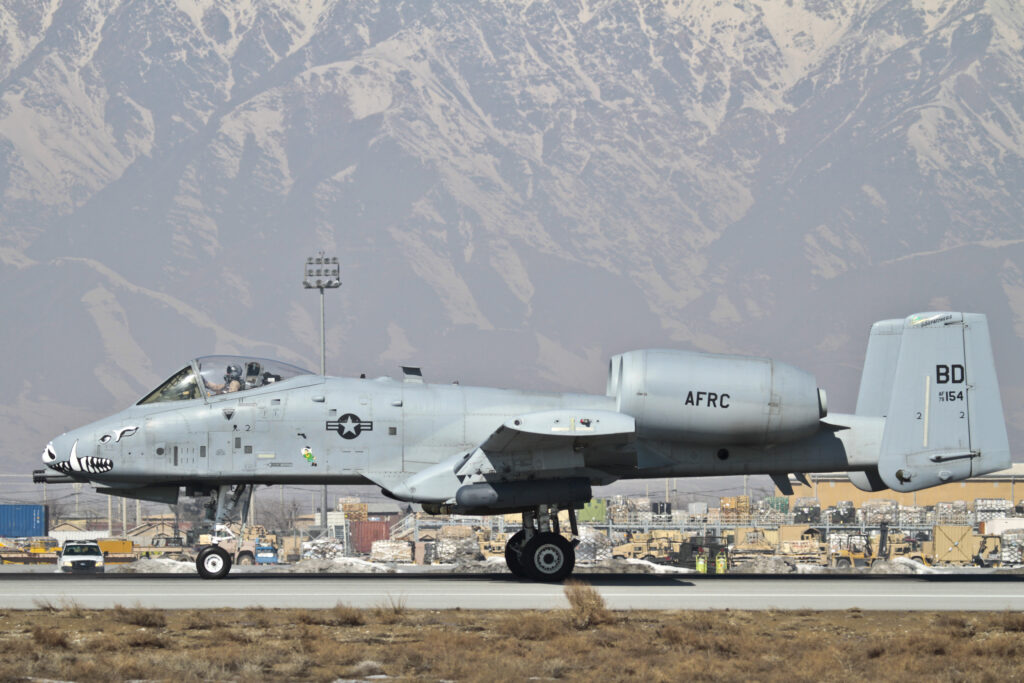
Throughout the hobby of patch collecting, I got into contact with Col. Jack Johnson who flew an impressive career in the USAF and served in 4 of the 5 FB-111 squadrons. Not only did Col. Johnson tell me a lot about the FB-111 and its mission, he also acquired and donated a fantastic set of FB-111 patches (one from each unit that existed over the years) together with his personal name-tag. This is a great honor to add to the collection.
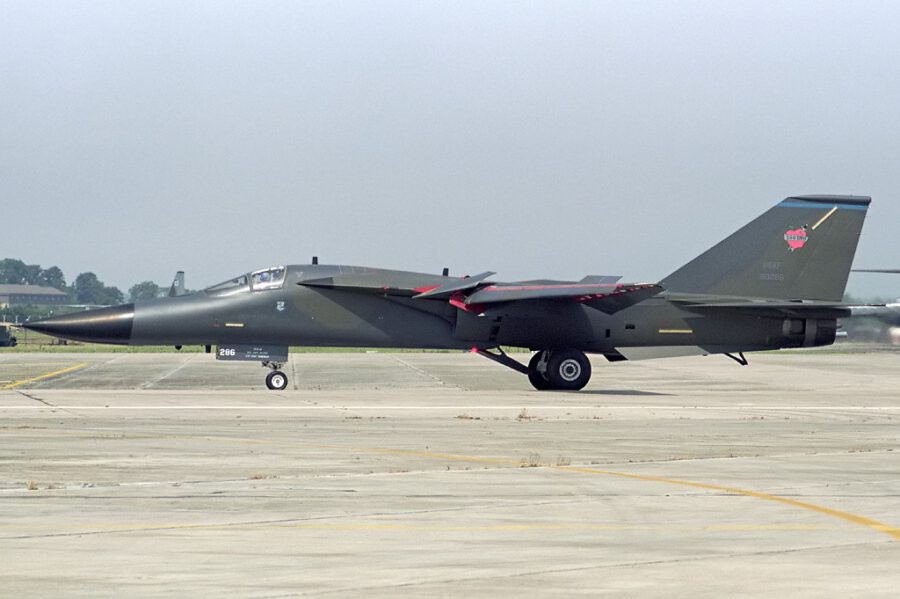
In the early 1960s, the U.S. Strategic Air Command (SAC) needed a medium-range supersonic bomber to replace aging B-58 Hustlers and supplement the B-52 Stratofortress. Rather than design a new aircraft from scratch, SAC opted to adapt the F-111, then under development for the Tactical Air Command (TAC), into a strategic bomber variant. The FB-111A was specially designed as a medium strategic bomber, carrying nuclear weapons at high speed and over long ranges. Seventy-six of this model were built to bridge the gap between the retirement of the B-58 Hustler and the arrival of the B-1 Lancer. By 1991, about five years after the arrival of the B-1, the Air Force had retired all of the FB-111s except for 34 that were converted to F-111Gs for Air Combat Command in 1990. Air Combat Command then retired the F-111Gs in 1993, except for 15 that were transferred to the Royal Australian Air Force. The Royal Australian Air Force retired its F-111Gs in 2007; ending the long, distinguished lifespan of the FB-111 and its offspring, the F-111G.
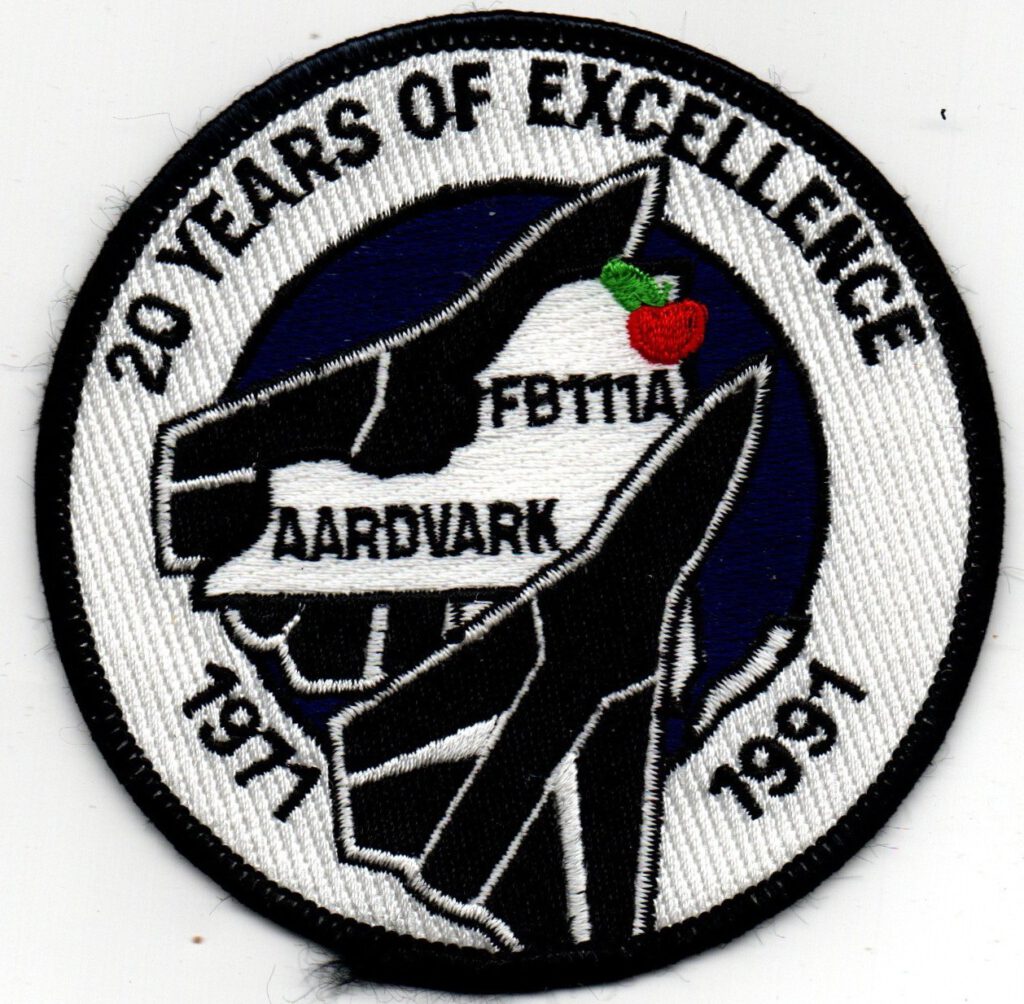
The Air Force never gave the F-111 family of aircraft an official name while in service, but airmen dubbed it the “Aardvark” because of its oddly-shaped nose. The Air Force finally formalized the Aardvark name on the day it was retired.
Over its 20+ years of operational excellence, the FB-111 created a very proud, tight-knit community of those who flew and supported this great aircraft. And perhaps, these words from the 8th Air Force Commander at a parade at Pease AFB in about 1977 summed the crews’ feelings about the FB-111 best: “Fighters are fun, bombers are important, and you in the FB-111 have the best of both worlds.”
Below a history of the two wings and all the FB-111 squadrons that served in the USAF / Strategic Air Command. (sources Col. Jack Johnson, FB-111.net, USAF Archives)
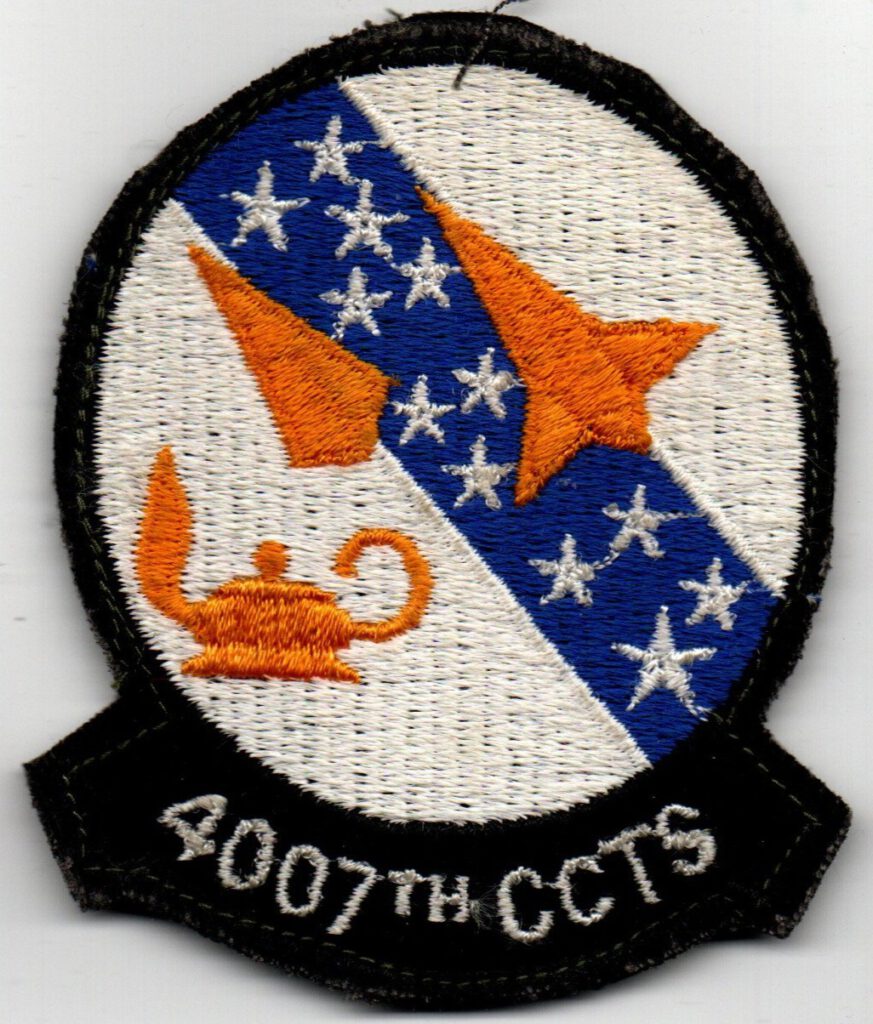
The 4007th Combat Crew Training Squadron (CCTS)
The new FB-111 aircraft were being constructed at the General Dynamics plant located on the west side of Carswell AFB,
Texas. Therefore, the first FB-111 squadron, the 4007th Combat Crew Training Squadron (CCTS), was established in the autumn of 1968 at Carswell AFB, Texas. The mission of the squadron was to train crews to fly the FB-111A for the Strategic Air Command. Being located so close to the General Dynamics plant benefited the 4007th as it sought to gain an in-depth knowledge of this new, complex aircraft.
Initially, the squadron consisted of the simulator complex and personnel who had never flown the aircraft. It was up to these personnel to establish the first program of academic and simulator training. The first academic class graduated in August 1969. Training at Carswell AFB continued until 1971 when sufficient trained crews and aircraft were available to man the 509th Bomb Wing at Pease AFB, NH. Simultaneously, the 4007th CCTS closed its operation at Carswell AFB and moved to Plattsburgh AFB, NY, where it assumed flight line training responsibilities in addition to the academic and flight trainer programs. Captains William Wright and Jimmie Boone became the first Plattsburgh AFB trained crew to solo the FB-111A.
The major task of the CCTS was the FB-111A Initial Qualification Course where pilots and navigators new to the weapon system were trained to be fully qualified FB-111 combat crew members. This course was approximately seven months long and classes started once every quarter with approximately four crews per class. The IQC itself was divided into two phases–the academic phase and the flight-line phase. The academic phase was three months long and was itself divided into avionics training and systems training. Both pilots and navigators attended all classes together. Avionics training lasted 18 days and covered all the right seat equipment such as the onboard computers, inertial navigation system, the attack radar and the stores management system. The Bomb Nav Trainer (BNT) was introduced here to reinforce classroom learning for both the pilots and the radar navigators. The systems phase followed and covered all aircraft systems such as engines, hydraulics, flight controls and egress. It was during this phase of system training that the student crew was introduced to the Operational Flight Trainer (OFT) where mission profiles were flown to reinforce academic training in the classroom and learning center. There were a total of seven OFT missions in the academics phase of training and seven BNT missions. While the bomb nav trainer missions were concentrated in the avionics phase, they were interspersed throughout both the academic and flight-line phase to facilitate navigator training continuity and to introduce new blocks of instructions such as the AGM-69A Short Range Attack Missile (SRAM) and electronic countermeasures (ECM).
The flight-line phase of training followed academics and consisted of 16 sorties for the pilot, 9 for the navigator and 15 weapon system trainers. Of flight missions, the pilot flew nine with his assigned instructor pilot followed by a check ride with Stan/Eval.. The navigator flew five missions prior to the pilot’s initial in-flight check and had four additional BNT missions with emphasis on degraded navigation procedures. Concurrently, the student crew received six OFT missions with emphasis on total mission accomplishment and a review of system training followed by a check ride in the OFT. The pilot and navigator both took a checkride in the OFT.After the initial checks, the crew entered the solo phase of training in the aircraft and the Emergency War Order (EWO) phase of training in the OFT. Each crew member received two crossover flights with an instructor and two solo flights to increase proficiency and practice peacetime procedures on a full mission profile which included formation, refueling and low-level. During this period, the crew also received tactics, SRAM, and ECM training. They practiced these skills on eight EWO Profile OFT missions and were evaluated during their Mission Qualification Check on their ability to fly an EWO Profile.
In addition, the CCTS was responsible for conducting these additional training programs:
Navigator Bombardier Training. The Navigator Bombardier Training (NBT) course administered by the 530th CCTS was a three and one-half week accelerated course designed for navigators not having previous SAC bombing experience. This course teaches the fundamentals of the bombing problem and teached the techniques and procedures of radar bombing. Eight BNT missions were flown in this course to gain experience in these skills. Completion of this course resulted in the awarding of the 1521E AFSC required of all navigators entering the Initial Qualification Course.
Central Flight Instructor Course. The Central Flight Instructor Course (CFIC) was a four-week course for those highly qualified FB-111 crew members selected to upgrade to instructor status. This course normally included one crew each from the 509th BMW and 380th BMW. CFIC encompassed 64 academic hours, three flights, four OFT missions and three BNT missions for the pilot; and 60 academic hours, two flights, four OFT missions and three missions for the navigator.
FB-111A Requalification/Difference Training. FB-111A Requalification Training was a 50-day course designed to retrain to combat-ready status those individuals who had been non-current in the aircraft for more than six months or to train crew members previously qualified in the F-111 models to a level of proficiency required to perform combat crew duty in the Strategic Air Command and the FB-111A aircraft. This course was divided into academic, operational flight trainer and flight training as required dependent upon crew specialty. Generally, pilots received five flights and navigators four; both specialties received eight OFTs and navigators were given six BNTs.
SAC Senior Officers Qualification Course. This course was designed to qualify senior officers in the FB-111A aircraft in the minimum time of five weeks. Those officers who attended this course normally occupied senior command positions in either the 509th BMW or 380th BMW. Graduation did not qualify an individual for solo flight, but flight only with an instructor pilot. The course consisted of 33 hours academic instruction and egress training, 18 hours in the OFT and four flight missions.
Senior Staff/Distinguished Visitor Orientation. This was a special orientation conducted for senior staff officers/DVs who had a specific requirement for an FB-111A weapon system orientation. Academic instructor personnel tailored this orientation to accomplish all the requirements necessary to prepare an individual for a flight mission and conduct a mission representative of the aircraft capabilities. While this orientation training normally took two days, the course could be adapted to suit the type of orientation required by the individual or group to be briefed.
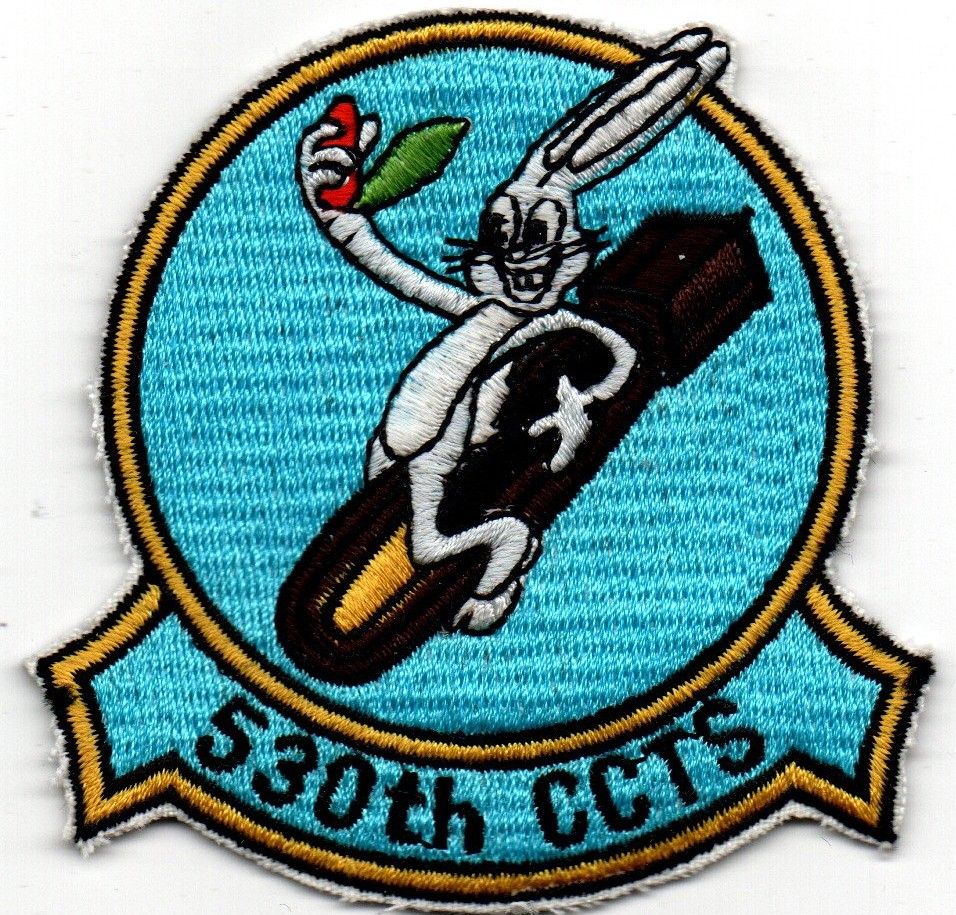
530th Combat Crew Training Squadron (CCTS)
On 1 July 1986, the 4007th CCTS was redesignated the 530th Strategic Bombardment Training Squadron, and on 1 January 1987, it was redesignated as the 530th Combat Crew Training Squadron. This redesignation was part of the USAF’s Project Warrior initiative which sought to link current organizations to their wartime heritage. The 530th was one of the 380th Bomb Group’s operational squadrons during WWII; so, Plattsburgh’s 380th Bomb Wing gained approval to establish the 530th CCTS to be in line with its two operational squadrons, the 528th & 529th, which were also part of the 380th Bomb Group in WWII.
In 1987, the unit was recommended for its fifth award of the Air Force Outstanding Unit Award (AFOUA) for exceptionally meritorious service from 1 July1986 to 30 June 1987. The previous four were accorded to the 4007th CCTS before the redesignation as the 530th.
The 530th Combat Crew Training Squadron (CCTS) qualified for the Air Force Outstanding Unit Award by clearly leading the way in developing the full potential of its people while accomplishing the unit mission of training aircrews to fly the FB-111A, still the most task-demanding bomber in the Air Force, during the period 1 July 1986 to 30 June 1987. During this period, the number of aircrews graduating from the Initial Qualification Course (IQC) increased 58 percent and the number graduating from the Requalification/Difference Training course, for previously experienced F/FB-111 crew members, was 190 percent of forecast. This increased production by the 530th brought the critically manned SAC FB-111A force up to 110 percent authorized manning from 80 percent. This wall all accomplished without any additional instructor authorizations, resources, or time. In fact, the 530th CCTS was manned at only 75 percent during this period. Faced with the ever-decreasing experience level of the trainees in the IQC and CFIC, due to SAC emphasis on a younger and more stable crew force, the 530th CCTS adapted its training programs to the people. Flight and simulator profiles as well as academics courses were modified to meet the student’s and instructor’s candidates needs while the high standards expected of the 530th CCTS graduates remained unchanged. The number of instructor candidates graduating from the CFIC did not increase over the previous years, however, the course was lengthened 42 percent to compensate for the lower experience level of the candidates. The 530th CCTS’s instructors successfully met the challenge and trained the new FB-111A aircrews and instructor candidates to the same proficiency as their more experienced predecessors. The 530th not only produced top-notch aviators for the FB-111A, it also added to SAC’s deterrent force by maintaining six combat-ready instructor crews who augmented the wing’s tactical squadrons in support of the Emergency War Order (EWO) mission and maintained currency in conventional weapons delivery. Instructor crews further developed their own potential by participating in exercises such as Giant Armor, Red Flag, Maple Flag, Amalgam Brave, and this wing’s ORI. Additionally, the instructor crews completed 100 percent of their own ground training and flying requirements in the midst of the increased workload. The 530th further developed the instructor’s expertise to the benefit of both instructors and students by sending them to schools such as Squadron Officer School, SAC Tactics School, SAC Instrument Flight Course and the SAC Scheduling School. The squadron encouraged further professional development of its instructor cadre by ensuring time was available for PME and advanced degree course work, resulting in completion or enrollment in the appropriate level of PME and advanced degree course work by 100 percent of the instructor force. Attesting to the superior performance of the 530th CCTS was “Outstanding” rating received from the 1st Combat Evaluation Group (1CEVG). Flawless job knowledge testing and flying performances ensured this top rating during the evaluation. The squadron’s performance was equally impressive when it received an “Excellent” during the 1987 Operational Readiness Inspection (ORI). During this ORI, Strategic Air Command Inspector General team members, including a member of the Joint Strategic Target Planning Staff praised the 530th CCTS combat mission training as the best in the command. They called it “a product that was developed with a thorough knowledge of adversary threat capabilities/employment coupled with the latest tactics and techniques”. The 530th CCTS not only led the way in combat training but in peacetime training as well. The squadron was responsible for continuing an unprecedented F/FB-111A flying safety record for the 380th Bombardment Wing, over six years without a class A mishap. The squadron’s leadership in this area was recognized by its receipt of the award for “Best Flying Safety Program in 8th Air Force”. The 530th CCTS unparalleled utilization of human resources, both in developing the full potential of its people and in accomplishing its mission, not only adds immeasurably to the combat readiness of the United States Air Force, it also qualifies it for the receipt of the Air Force Outstanding Unit Award.
Lt Col Jack Laffoon, former 530th CCTS Commander
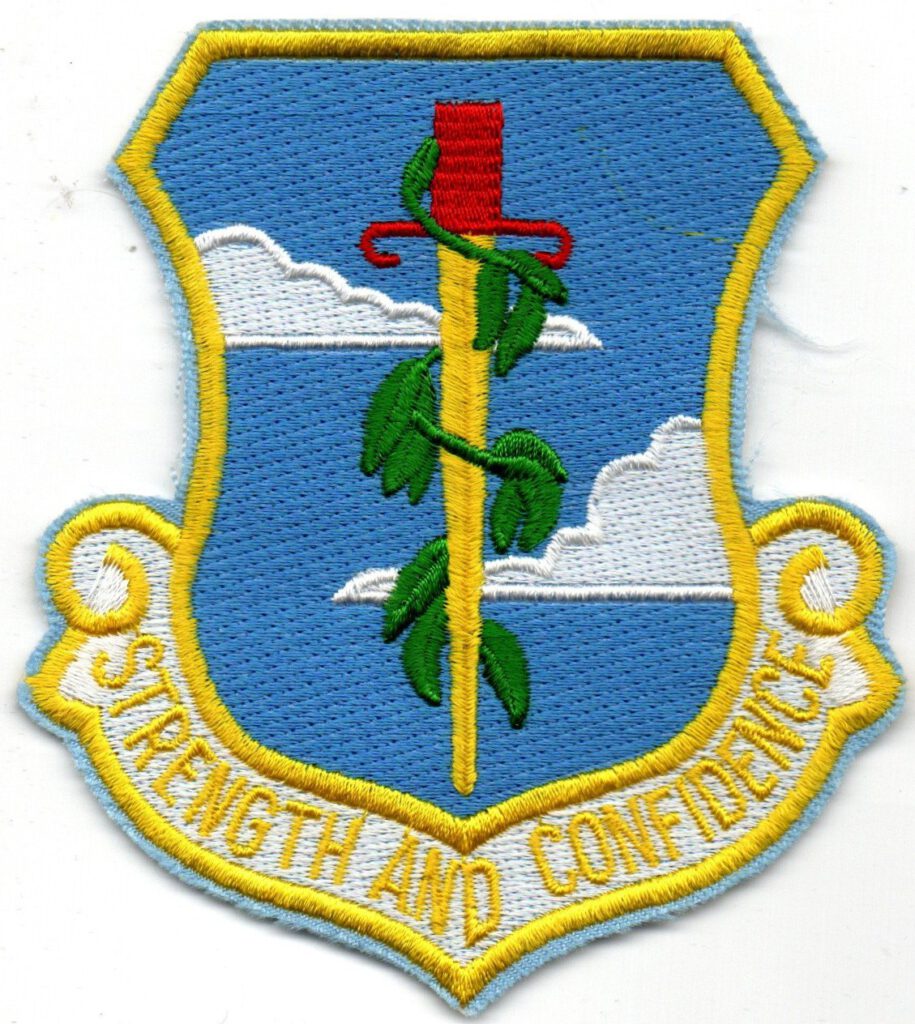
The 380th Bombardment Wing
In 1968, plans were initiated to bring the Air Force’s newest strategic aircraft to Plattsburgh AFB, the FB-111A. An acceptance ceremony of the first FB-111A by the Strategic Air Command took place on Wednesday 8 October 1969 at Carswell AFB, Tx. Col. Wesley L.Pendergraft, 380th SAW/CC attended the ceremony. By the end of 1970, B-52s were transferred to Fairchild AFB, Washington and the last B-52G left Plattsburgh AFB on 5 January 1971. On 1 January 1971, the 528th BS was redesignated Medium and the 529th BS was reactivated. Construction requirements for the new FB-111A were completed in 1969. Col.G.R.Abendhoff, 380th BW’s commander, and Lt Col. Eugene W. Loy, 4007th CCTS commander, flew the first FB-111A to the base during Open House ceremonies on 17 July 1971. The same day the aircraft was christened “Spirit of Plattsburgh” as part of a ceremony. On August 1, 1971, Det.1 of the 4007th CCTS was activated to instruct the combat crews in the sophisticated systems that equipped the FB-111A. The CCTS graduated its first class at Plattsburgh AFB in December 1971. With an Authorized Unit Establishment of 38 aircraft, the 380th pressed ahead with the formation of two operational squadrons and to maintain a minimum eight-aircraft alert commitment. The 528th and 529th began their transition on 17 July 1971, achieving IOC on 1 January 1972 and were declared ready to support SAC’s EWO (Emergency War Order) by the branch’s Inspector General on 6 June of the same year. On 1 July 1972, the 380th strategic Aerospace Wing (Heavy) was redesignated the 380th Bombardment Wing (Medium). The first mission of a wing’s FB-111A equipped with the SRAM took place on 20 April 1973. In September 1973, the 380th absorbed the 4007th CCTS which by that time had logged 3,179 sorties and 13,312 flying hours. In early 1974, Col. Bob Reynolds became the first pilot to fly 1000 hours in the FB-111A. Colonel Reynolds was a member of the initial cadre of aircrew trained to become instructors. During the 1974 Strategic Air Command’s Bombing and Navigation competition, the FB-111 and KC-135 crews from the 380th combined their effort with the support personnel to prove to be “The Best of the Best”. The 380th BW was the first Wing equipped with the FB-111A to win the competition and would dominate again in the years to come. The 380th BW was recognized for exceptionally meritorious service from 1 July 1974 to 30 June 1975 and received the Air Force Outstanding Unit Award. In January 1975, the 8th Air Force gained control of the 380th BW when the 2nd Air Force was inactivated. The 380th BW participated in SAC Bombing and Navigation competition “Giant Voice 76”, and won the top award, the Fairchild trophy, on 1 December 1976. In the same month, the wing was tasked to support four “Giant Mask II” missions. “Giant Mask II” was a series of tests of electronic countermeasures procedures and equipment on FB-111A aircraft. In 1978, the wing won the Fairchild Trophy for the fourth consecutive time, a SAC record. In the summer of 1981, the wing celebrated its 25th (Silver) anniversary.
In 1982, the first reunion of the surviving members of the WWII 380th Bombardment Group which formed the 380th Bombardment Group Association was held. The second reunion took place at Plattsburgh AFB in September 1983 and on this occasion, dedication of the Plattsburgh Military Museum was one of the highlights of the reunion. 1984 started with a fitting tribute to both the 380th Bombardment Wing and the 380th Bombardment Group. The 380th BG was inactivated and consolidated with the 380th BW by order of the Secretary of the Air Force on 31 January 1984. As the year progressed, the 380th once again proved itself worthy of its motto, “Best of the Best”, as it achieved an unprecedented fifth Fairchild Trophy at the annual SAC Bombing and Navigation Competition. In addition to winning the Fairchild, which established a record of five trophies for one unit, the Wing captured its second Saunders Trophy for the best air refueling unit and the “Best FB-111 Crew Award”. In 1985, the 380th BW received the pinacle award for SAC Wings. The Omaha Trophy for the best overall SAC wing for the 1984′ s calendar year was awarded to the Wing on 11 July. Col. Raymund O’Mara replaced Col. George W. Larson Jr. as commander of the 380th BW on 10 June 1985. That same year, LtCol. Dale Wolfe set world record by recording 2,000 hours as pilot of FB-111A aircraft.
During the summer of 1988, a full complement of the 380th BW deployed for the first time since World War II. Over 300 men and women deployed to a forward operating base in support of “Mighty Warrior 88”, a SAC wide exercise held to better enable the various SAC wings to carry out their respective missions under austere conditions. In September 1989, the 380th BW again deployed FBs and KC-135s to Seymour-Johnson AFB to participate in “Mighty Warrior 89”. On 8 June 1990, the wing was ordered to remove all Short Range Attack Missiles (SRAM) from alert aircraft. The 380th Avionics Maintenance Squadron was inactivated 31 October 1990. The 380th BW began retiring its FB-111A in 1990 and one-half of the SAC FB-111A force was retired by 31 December 1990. On 20 May and 21 May 1991, FB-111 crews from the 380th BW participated in “Iron Man”. This was the bomber crew’s last hurrah and their last chance to prove their ability in flying the FB-111A under fire. “Ironman” pitted FB-111A crews against various other fighters from around the Northeast. Flying missions over the Adirondacks, and throughout New York, aircrews from the 528th and 529th Bomb Squadrons bombed targets on the Army’s Fort Drum Bombing Range. On 14 June, the last training mission for an FB-111A came to an end when Col. J. Paul Malandrino and Maj. M.Stephenson aboard “Little Joe” touched down on the two-mile concrete runway at PAFB. On 10 July 1991, Strategic Air Command and the 380th Bomber Wing said goodbye to the FB-111A when the last 4 operational aircraft left Plattsburgh AFB for their final flight to preservation in Museums. The 380th BW was redesignated the 380th Air Refueling Wing a few days earlier on 1 July 1991. The mission of the 380th ARW was to provide worldwide air refueling with its KC-135A/Q and serves as host to the Tanker Task Force operation. The 380th ARW Tanker Task Force was responsible for supporting most of the transoceanic operations on the East Coast. Colonel Malandrino served as the 380th Air Refueling Wing commander until 29 August 1991 when Col. Larry J. Leturmy assumed command on 1 September 1991. The 380th ARW was now assigned to Fifteenth Air Force. In 1993, Plattsburgh AFB was placed on the closure list pursuant to the Defense Closure and Realignment Act of 1990.Plattsburgh AFB was officially closed on Sept.30, 1995 as a result of the 1993 Defense Closure and Realignment actions. The closure ceremony took place on 29 September with New York Congressman John M.McHugh; Rodney A.Coleman, assistant secretary of the Air Force for manpower, reserve affairs, installations and environment; Lt.Gen.Edwin E.Tenoso, 21st Air Force commander; and Col. Robert E.Dawson, 380th Air Refueling Wing commander, as guests of honor. The 310th and 380th Air Refueling Squadrons were deactivated a few days earlier during a ceremony with most of the tankers being assigned to Grand Forks AFB and McConnell AFB. The 380th ARW controlled the 42nd ARS at Loring AFB, Me, the 509th ARS from Griffiss AFB, NY and the European Tanker Task Force, which provided operational refueling to England and Saudi Arabia.
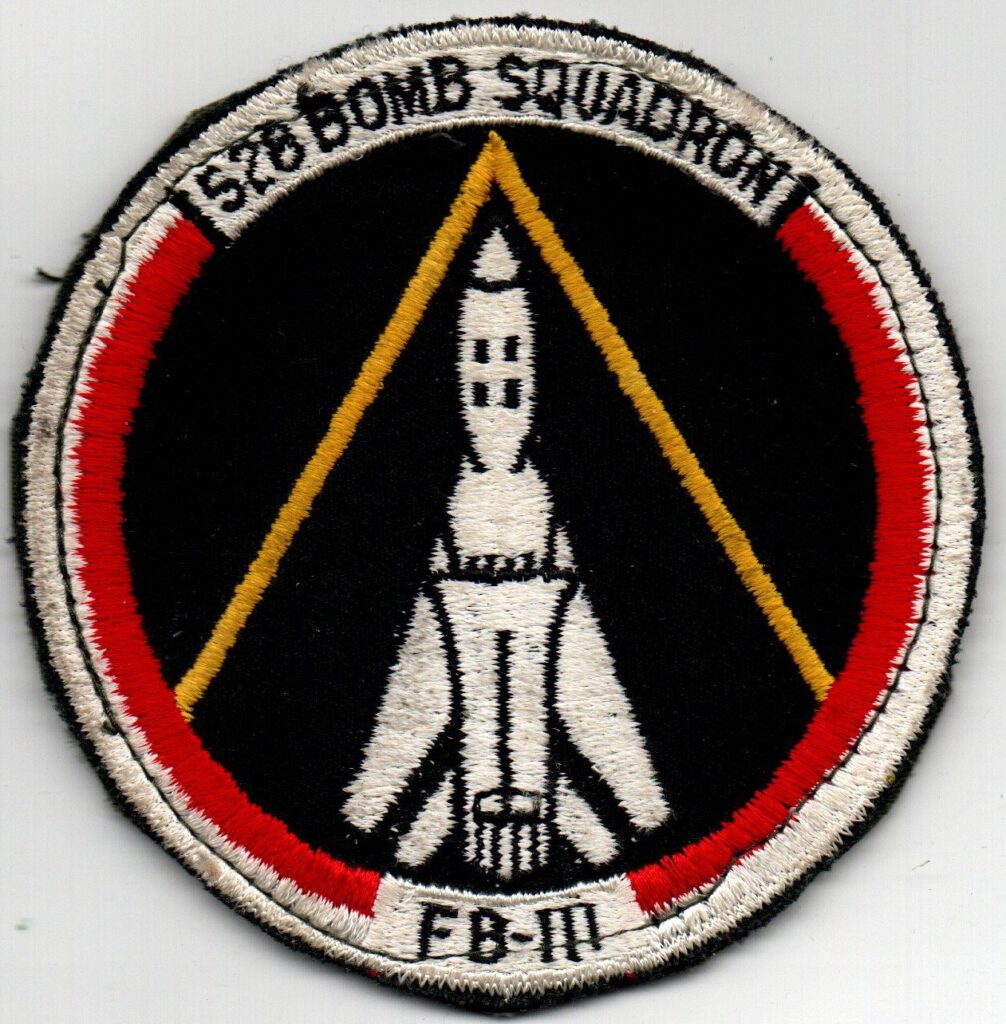
528th Bombardment Squadron
In 1969, it was announced that the 528th would be receiving the Air Force’s newest weapons system, the FB-111A. The record of the 528th and the “Switchblade” is impressive. While maintaining the largest Alert Force commitment in the command, the squadron never failed an Operational Readiness Inspection or Buy None. In 1976, the Weapons Delivery Capability and Bombing Reliability for both evaluation was 100%. In 1977, an all-time SAC record for bombing accuracy was set, and during a December 1978 evalaution, a record number of releases was achieved with “Outstanding” reliability. This sustained professional competence has been recognized with numerous awards, including the 45th Air Divission Award for Outstanding Bombardment Squadron and General John D. Ryan Award (1976), and two Air Force Outstanding Unit Awards (1975 and 1978). At the annual SAC Bomb Comp in 1974, the tradition begun by “The Pride of the Adirondacks” was revived by an FB-111A nick-named “Apple One”. A 528th crew won top honors and helped to bring the Fairchild Trophy to Plattsburgh. In 1975, another 528th team took the Best Crew Award and Plattsburgh took the High Noon Trophy. With three of the four crews wearing the gold scarf, the unprecedented second consecutive Fairchild Trophy was won in 1976. The 528th BS was recognized as the “Best Bomb Squadron in SAC” in 1976 and earned the Air Force Outstanding Unit Award in 1978.Until deactivation in 1991, the crews of the 528th Bomb Suadron have achieved an enviable record by successfully participating in numerous special missions such as Bullet Blitz, Red Flag and Giant Mask. The unprecedented winning of five Fairchild Trophies speaks for itself. Only a unit with the highest quality personnel could have accomplished this sustained effort.
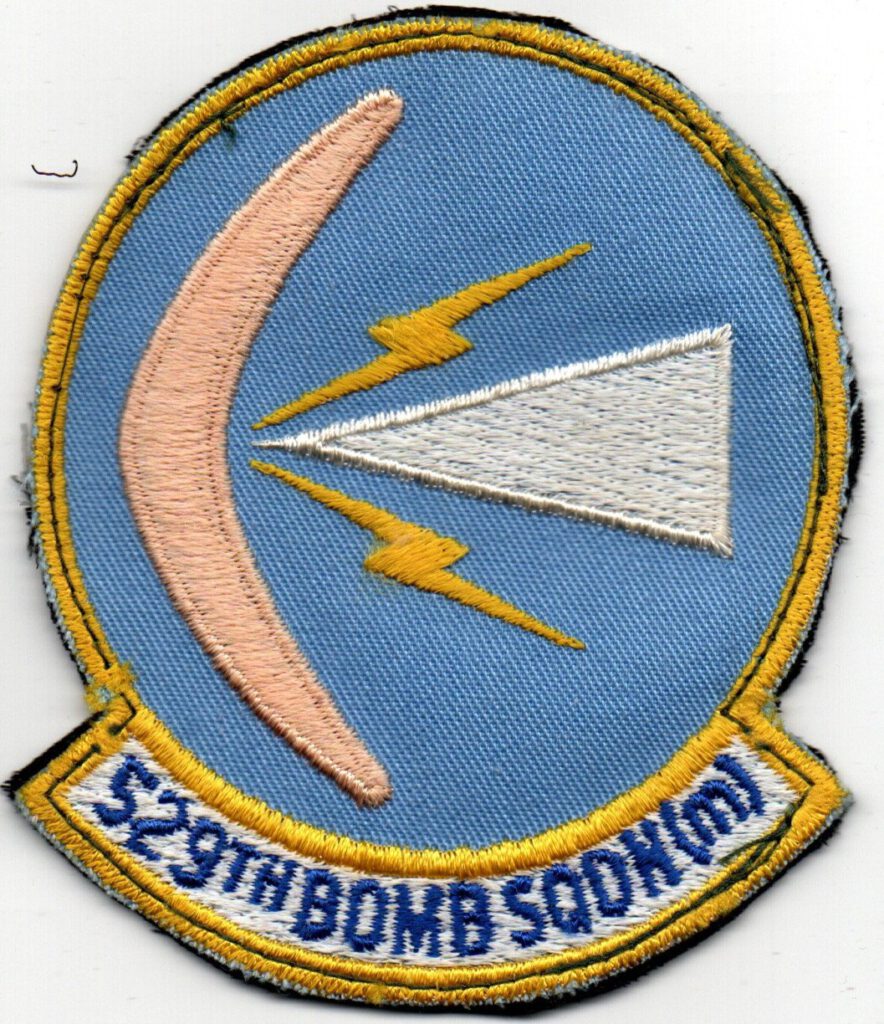
529th Bombardment Squadron
IIn January 1971 the 529th BS received the General Dynamics FB-111A. With this aircraft, the squadron remained with the 380th at Plattsburgh AFB until deactivation on the last day of September 1991. The 529th, teamed with its 528th sister squadron, was a major contributor to the wide recognition and praise that the 380th has received from all parts of the Air Force and civilian communities. Most noteworthy of these accomplishments was the winning of five consecutive Fairchild trophies, awarded to the best wing in the annual SAC Bombing and Navigation competition.
Lt Col Jack Laffoon, former 529th pilot
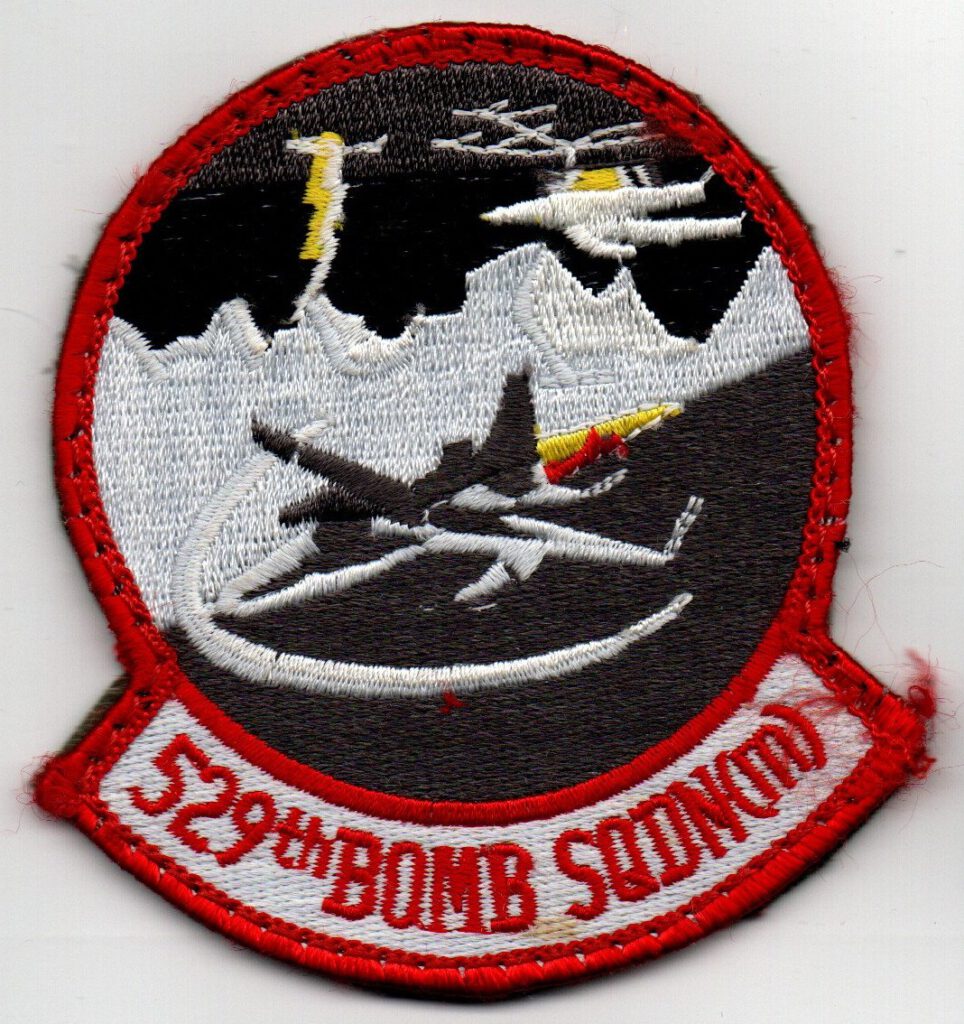
Col. Jack Johnson, former 529th Commander
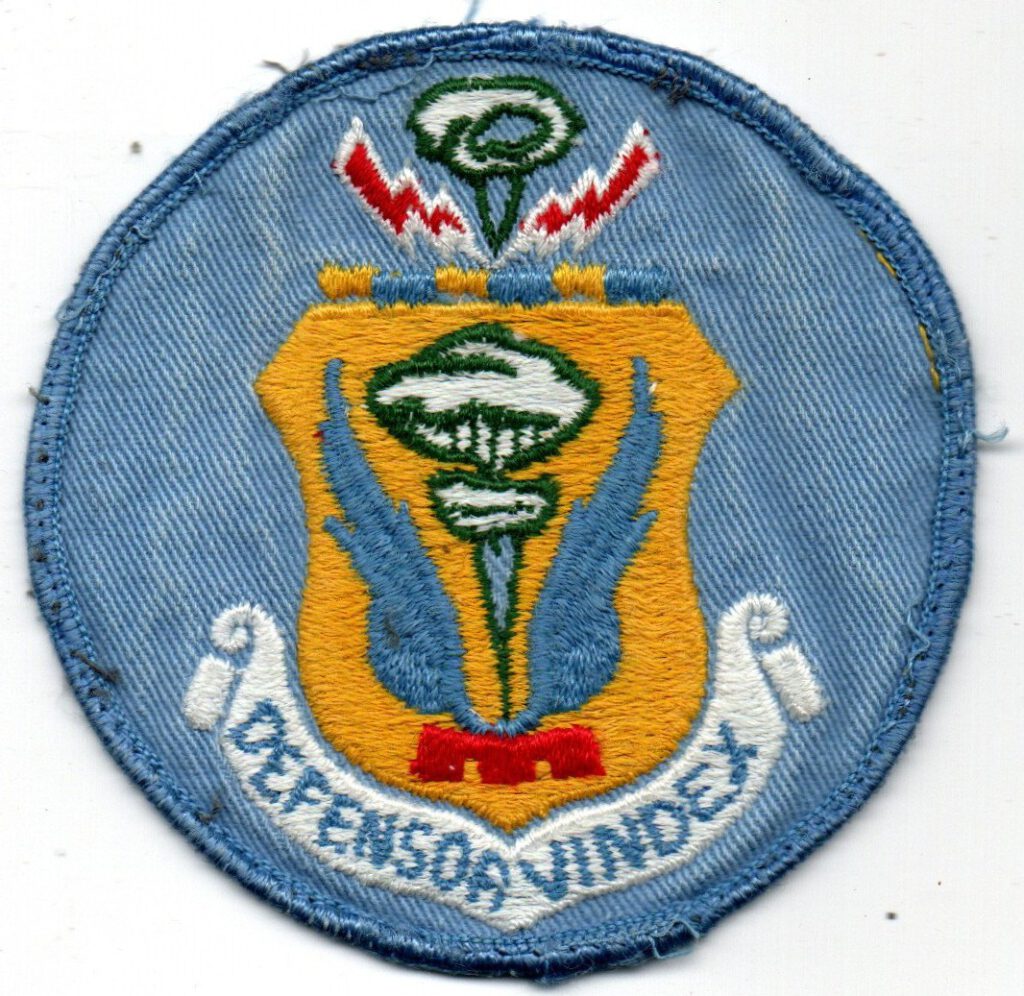
The 509th Bombardment Wing
SAC announced that the 509th BW had been selected as the command’s first FB-111A Wing. In preparation for the arrival of the “FB”, the 393rd released its last B-52 on 19 November 1969. The 509th BMW needed another squadron and on 1 January 1970, SAC formally activated the 715th BMS and assigned it to the 509th. Initial FB-111A training began at Carswell AFB, TX and on 16 December, the first FB-111A for the 509th BMW (68-0265) was flown to Pease AFB by Col. Winston E.Moore and his navigator, Maj. Billie Seals. The second FB-111A (68-0272) arrived on 18 December, flown by Col. John M.Parker 509th BMW/CV. By 5 January 1971, the 509th BW possessed five FB-111A aircraft. On 1 July 1971, the 509th BW and its squadrons were declared operationally ready. At the same time, the 509th undertook the arduous task of performing Category III tests with the FB-111A. On 17 April 1971, a FB-111A (68-0266) with a 715th BMS’s crew flew to RAF Markham for the Royal Air Force Bombing Competition. In December, the 509th BW participated in SAC Bombing and Navigation Competition at McCoy AFB, FL. In 1972, new satellite bases for wing’s FB-111A were acquired; K.I.Sawyer, MI and Lockbourne, OH.
Live versions of the AGM-69 SRAM joined the FB-111A force in 1973 when the 715th BMS embarked on Project “Bullet Blitz”, a series of captive test flights which culminated in 17 launches at the White Sands Missile Range in New Mexico. The 715th performed the first live SRAM launch from a FB-111A on 2 April 1974 using an inert missile. On 1 Januray 1975, 2nd Air Force was inactivated and 8th Air Force activated. In October 1976, a 509th BMW’s crew achieved one of the wing’s best finishes in Giant Voice 76 and won the John C.Meyer Trophy for best FB-111 low level bombing unit. In early 1976, consolidation of the wings at Pease and Plattsburgh AFB was considered. All FB-111A would have been based at Plattsburgh and Pease an all KC-135 base. In June 1976, the proposal was rejected. In the fall of 1976, the 509th BW flew five “Young Venture” missions, which tested certain FB-111A systems. During the first months of 1977, the 509th BW flew 15 missions in support of operations “Young venture II” and “Giant mask”, two FB-111A defensive system tests. In the same period, the unit completed dual live short-range attack missile (SRAM) launch under ‘Bullet Blitz IV’ SRAM evaluation program. In January 1978, following a reduction in the SAC FB-111 force the wing’s AUE dropped from 30 to 26. Training and maintaining an alert force kept the 509th very busy over the years with the usual exercises and deployments to sharpen the skills. In June 1983, the 509th participated in Red Flag at Nellis AFB where 52 FB-111 sorties were flown during the exercise. During the deployment, one FB-111A was lost when 68-0242 crashed. The aircraft was number 2 in a three ship formation on a sortie.
In the summer of 1985, FB-111A of the 509th deployed for Operation “Giant Sponge” to Westover AFB, MA due to Pease’s runway closure. The mid-eighties saw the 509th BMW “FBs” going trough the AMP program and Project Warrior which brought back art work from WWII. The first Avionics Modernization Program aircraft, 68-0287, was delivered to Pease AFB on 18 December 1986 by General Earl T.O’Loughlin AFLC/CC and former Plattsburgh Wing commander. During August 1986, the 509th BMW participated in UK AIR Tactical fighter Meet in England to demonstrate SAC’s conventional capability in the European theater. On Valentine’s Day 1988, the 509th BMW made the gift of life when a FB-111A crewed by Capt. David Lefforge and Capt. Steven Bruger from the 715th BMS transported a human heart from Oklahoma to Hartford, CT for transplant into a 46-year-old man. During the second half of 1988, an 8th Air Force inspection team visited the 509th BW to evaluate selected FB-111A and KC-135s for “Glossy Eagle” competition. The 509th BW deployed several bomber and tanker aircraft to Lincoln Air National Guard Base, NE for participation in 8AF “Mighty Warrior” exercise which tested the capability of each unit assigned to 8th Air Force to conduct conventional operations for first time since the end of the southeast asia conflict. In the late 80s, SAC announced the retirement of the FB-111As from its inventory and while this raised a question mark about the future of the 509th BMW, SAC announced in November 1988 that the 509th would move to Whiteman AFB, MO to become the Air Force’s first B-2 Stealth Bomber unit. During 1989, the 509th BW personnel concentrated their efforts on preparing a master plan to close Pease AFB and transfer wing while continuing to maintain emergency war order (EWO). Pease AFB was the first major Air Force installation to close in more than ten years, the wing underwent Strategic Air Command (SAC) Inspector General (IG) Operational Readiness Inspection (ORI) in October 1989. According to SAC/IG, no bombardment wing had ended SAC’s annual inspection by achieving triple/zero score which meant that there were no marginal or unsatisfactory ratings and no repeat discrepancies.
Nearly 20 years after the arrival of the FB-111A at Pease AFB and after having amassed more 31 bombing and navigation trophies, the first two FB-111A departed the base on 1 June 1990, piloted by Gen. C. Searock, SAC deputy chief of logistics and Col. William Brooks, commander of the 509th BMW. On 8 September 1990, the 509th BMW said farewell to the FB when the last 2 aircraft left for Cannon AFB, NM. Col. William C.Brooks and Capt. Curt L.Wheeler flew in formation with LtCol. Robert Osterholtz 715th BMS/CC and LtCol. Jim Henderson, chief bomber scheduling branch. On 30 September 1990, the squadrons were inactivated and the 509th BW moved to Whiteman AFB without people and equipment, ending its long and distinguished history with the GD FB-111A.
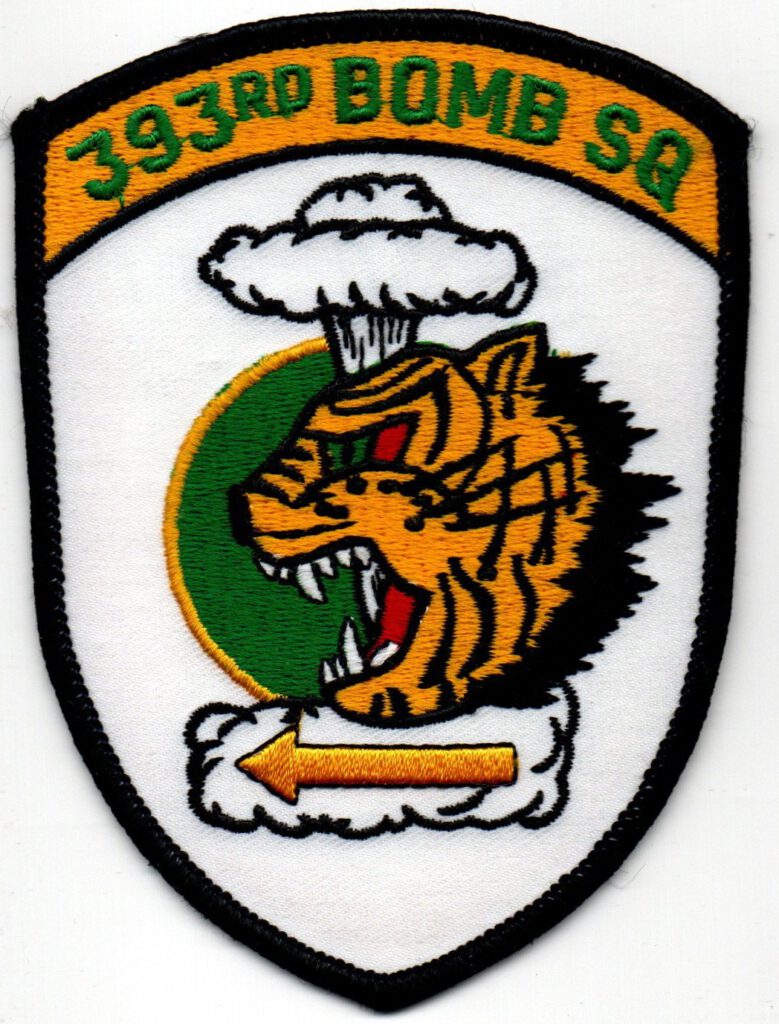
The 393rd Bombardment Squadron
In 1969 SAC announced the 393d had been selected as the command’s first FB-111A squadron. In preparation for arrival of the medium bomber, the squadron released its last B-52 on 19 November 1969. Even so, it was over a year before the first FB-111 landed at Pease. During flight line ceremonies on 16 December 1970, the 393d received its first FB-111. For the next several years, 393 BMS crews and aircraft pioneered tactics for the FB-111A deployment of the Short Range Attack Missile. In the mid-1980s, the squadron hit its stride as it helped the 509 BMW wing virtually every major bomber award in Eighth Air Force and SAC. These achievements included winning SAC’s Bombing/Navigation Competition for three consecutive years (1981-1983). In the late 1980s SAC announced retirement of the FB-111s from its inventory. This raised a question mark about the future of the 509th and its squadrons. However, on 30 November 1988, SAC announced that the 509 BMW would move to Whiteman AFB, Missouri, to become the Air Force’s first B-2 Stealth Bomber unit.
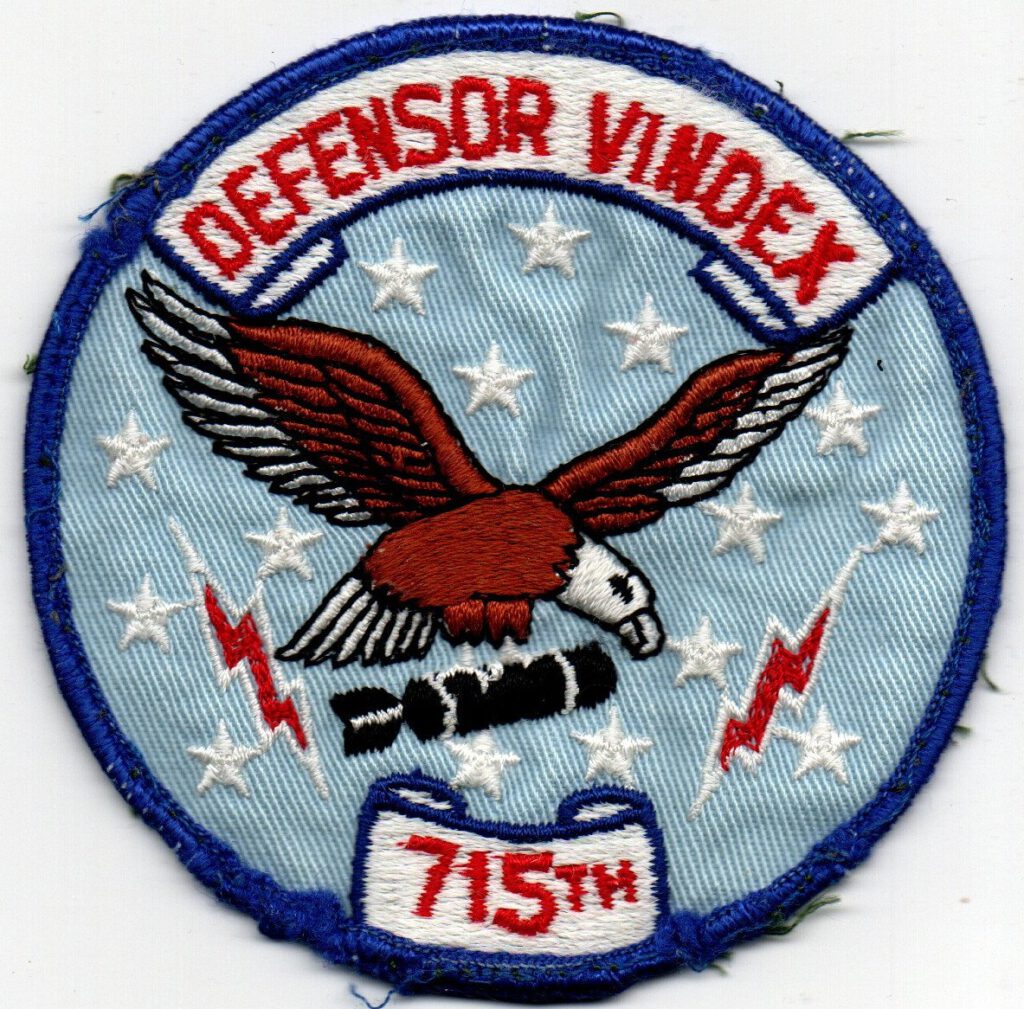
The 715th Bombardment Squadron
Thus, on 1 January 1970, SAC formally activated the 715 BMS and once again assigned it to the 509th. On 16 January 1971, the first FB-111 arrived at Pease and in the days that followed, more and more of the medium bombers arrived at Pease. On 1 July of the same year, the wing and its squadrons were declared operationally ready. Throughout the 1970s and 1980s, the 715th accomplished many significant feats. From the first successful live launch of a Short Range Attack Missile from an FB-111, through its many bombing successes in SAC’s annual bombing and navigation competitions, to the first tactical force employment of an FB-111A in the conventional role, the 715th has been integral to the victories of the 509 BMW.
In the 1980s, more changes were becoming reality as SAC began transferring its FB-111As to the Tactical Air Command (TAC). A short time after this announcement, the Air Force decided to close Pease. Recognizing the uniqueness of the 509th and its squadrons in bomber lore, SAC selected the wing to become the first operational B-2 Stealth Bomber unit. The command also selected the 715th to become the combat crew training squadron for the B-2 (although as time passed and with the reduction in the number of B-2s, higher headquarters decided that the 715th would remain as a bomb squadron). Because a several year gap existed between the transfer of the FB-111s to TAC and the arrival of the first B-2, SAC opted to inactive many of the 509th’s squadrons. Thus, on 30 September 1990, as the 509 BMW moved to the first home of the B-2, Whiteman AFB, Missouri, the 715th and other 509th squadrons were inactivated.
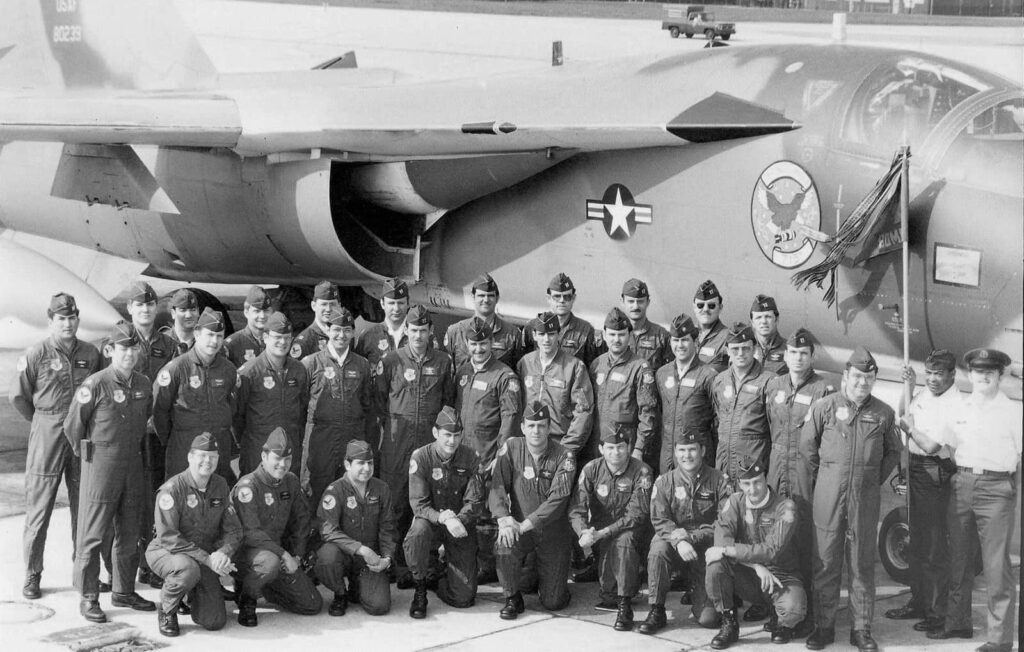
Standing Mid: Kenny Anderson, Tom Leigh, Tom Nunnallee, Steve Adams, Bob Pulver, Don Golding, Wes Wright, Ken Foss, Rick Goddard, Hans Otten, Dutch Rauschenbach, Tim Eastham, ??, ??
Kneeling: Clark McCurdy, Jack Laffoon, Pete Carellas, Dave Dill, Charlie Barr (Commander), Reese Liggett (Ops Off), Mike Ruotsala, Paul Nakrosis
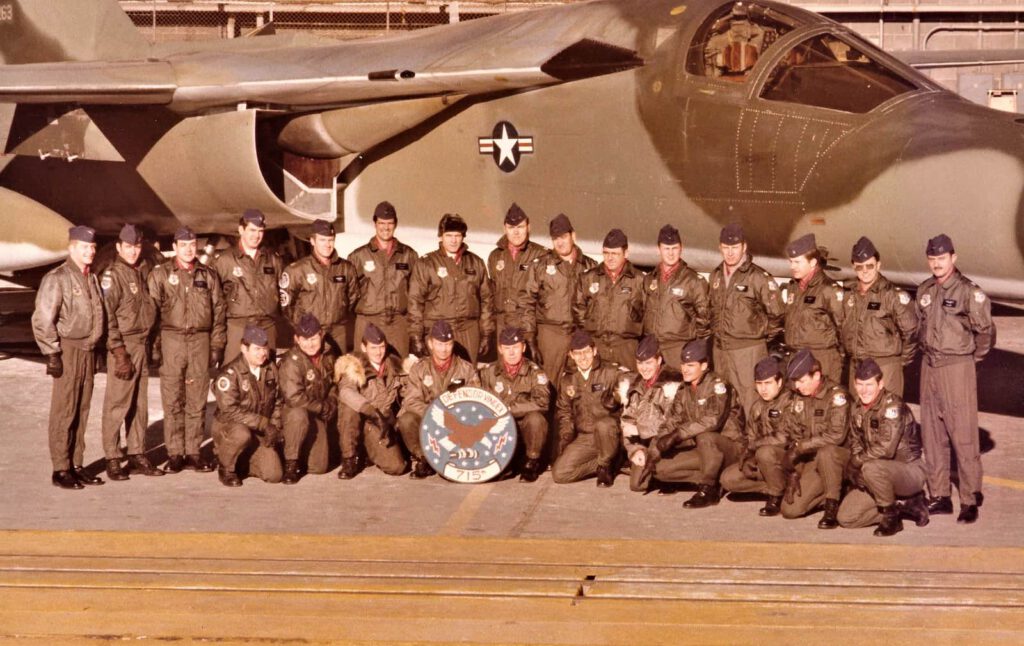
Front Row: Larry Hanfland, Roy Duhon, Bob Pulver, Len Wright (Ops Off), Stephen B. Croker (Commander), Steve Adams, Don Golding, Wes Wright, Pete Carellas, Kenny Anderson, Jack Christensen