The Party Suit Tradition in Southeast Asia
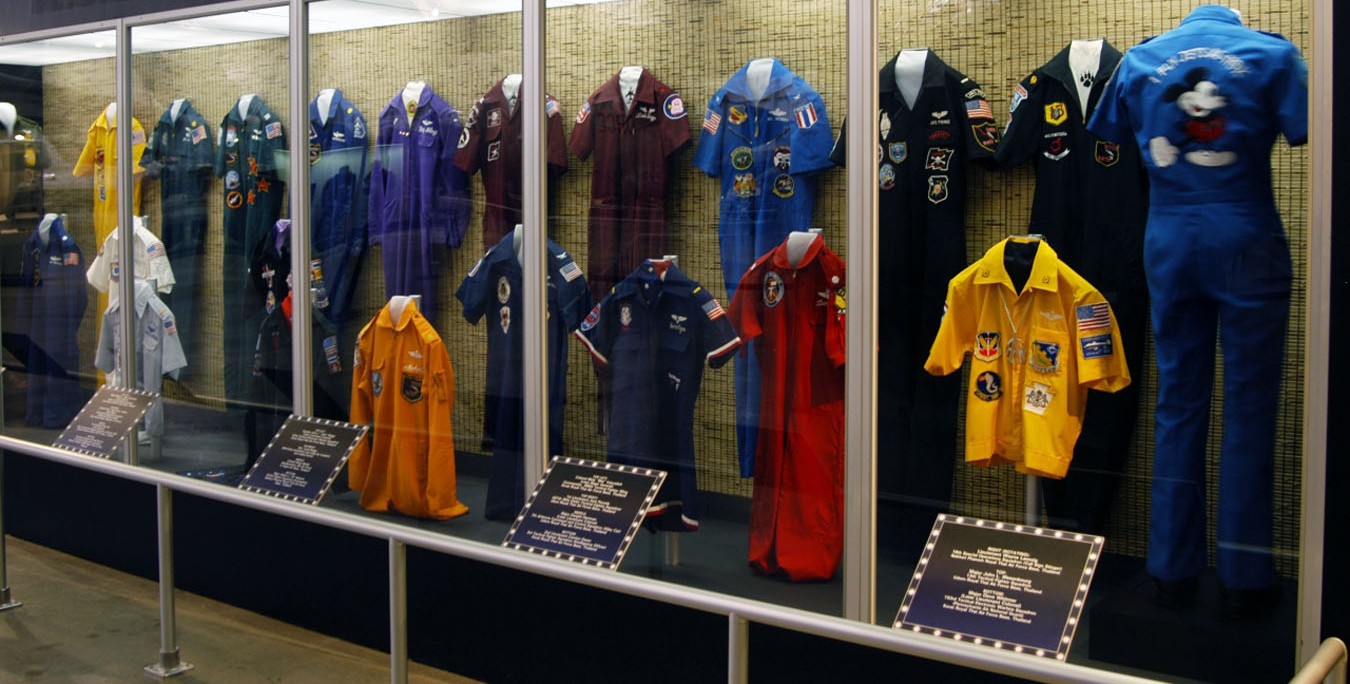
Party suits were a local and unofficial creation that arose in 1967 from the 357th Tactical Fighter Squadron of the 355th Tactical Fighter Wing, stationed at Tahkli Royal Thai Air Base. They created “special flight suits” in response to the 8th Tactical Fighter Wings’ usage of black dyed cotton flight suits for social occasions. The use of these colorful, lightweight suits, popularly known as “Party Suits,” was soon adopted by the Air Force flying units stationed at the large bases in Thailand. The tradition also quickly spread to units in South Vietnam and to a limited degree, other locations in Southeast Asia. Party suit usage was normally limited to flight personnel and those in direct support of flight operations.
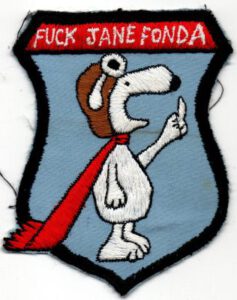
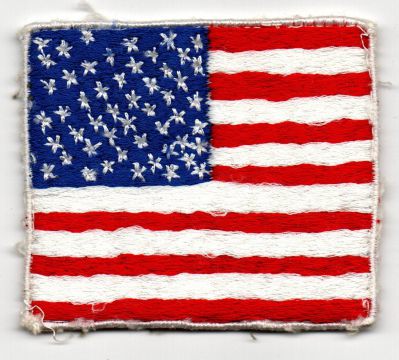
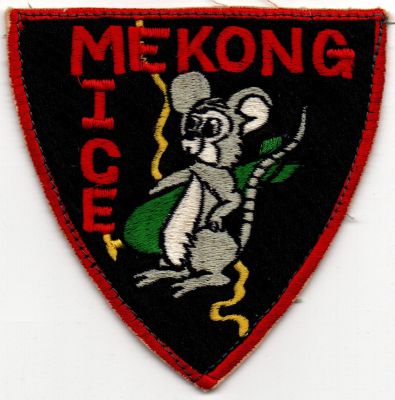
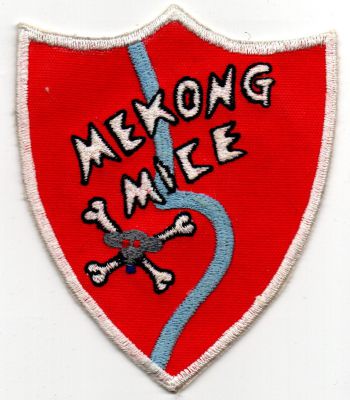
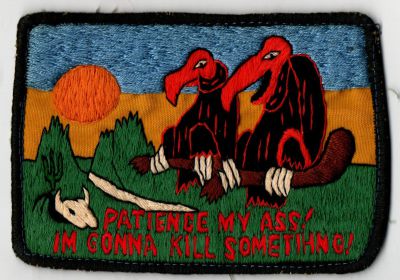
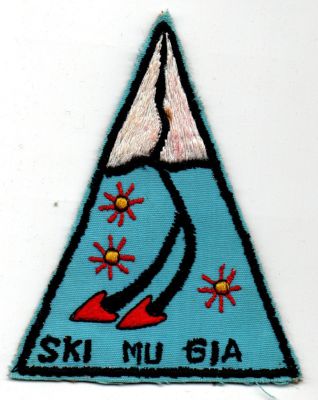
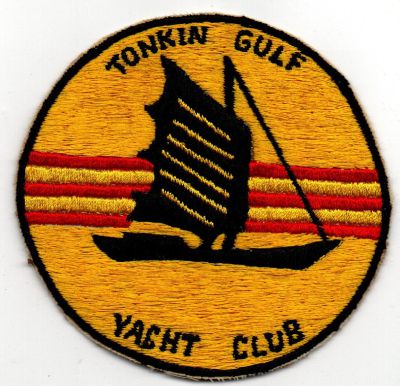
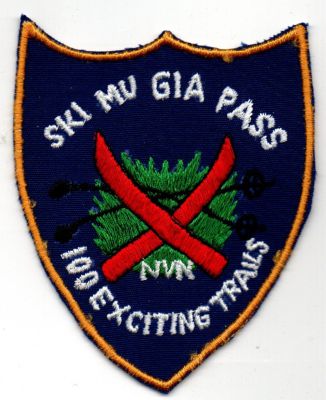
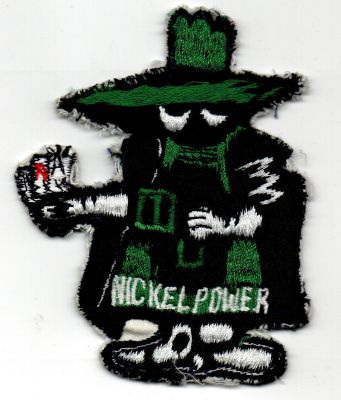
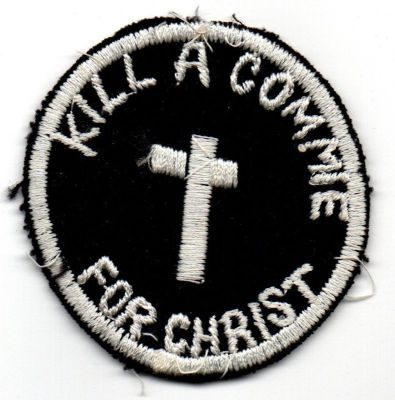
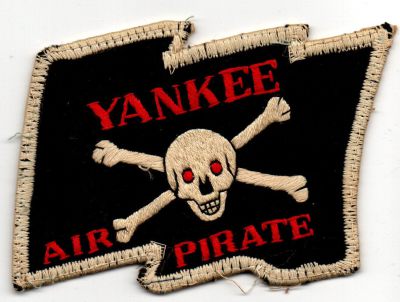
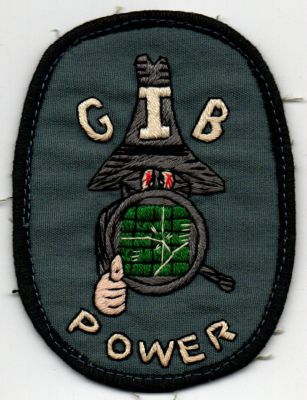
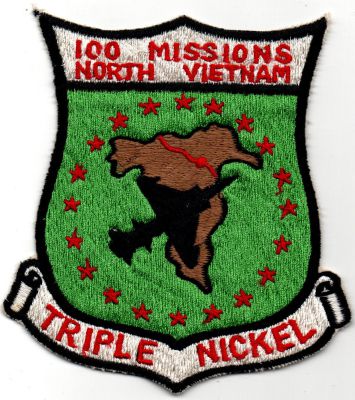
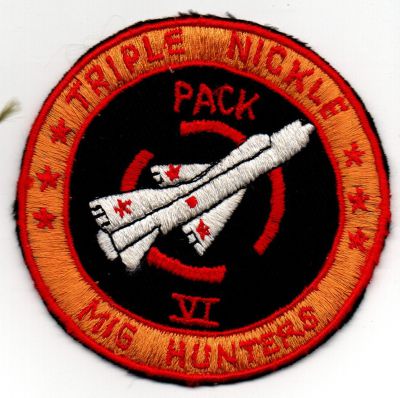
Party suit colors were consistent within the unit and generally had some standard form of name, rank and unit identification. Additional insignia, unofficial patches (usually humorous) and other embroidery was purely up to the creativity of the individual. There were numerous local tailors near the air bases who specialized in making party suits and embroidering the many associated custom patches.
The light and comfortable suits were ideal in the tropical environment and were worn on-base only for special social occasions in lieu of official dress uniforms, which were not commonly used in Southeast Asia. The most significant social occasion was the famous “Sawadee” party. Named for the Thai language greeting appropriate for both “hello” and “good-bye,” this party welcomed newly arrived personnel and bid good-bye to those returning home.
The party suit tradition, although superficially humorous, served an important role in Air Force organizations by promoting unit integrity and maintaining an esprit de corps under the most difficult combat circumstances, while being highly valued by those who served in Southeast Asia.
Official Emblem vs. Party Suit Patch
| Official USAF Emblem | Party Suit Patch |
| Approved through AFHRA heraldry process | Unofficial and morale-based |
| Represents unit lineage and mission | Represents experiences, deployments, humor, or squadron culture |
| Must follow heraldic standards | Often creative and unrestricted |
| Used on flags, guidons, and official patches | Typically worn on flight jackets or “party suits” |
The Air Force’s official heraldry program emphasizes symbolic design, simplicity, and historical continuity, while party suit patches are more personal and cultural in nature.
Common Types of Party Suit Patches
- Squadron heritage patches
- Deployment patches
- Red Flag or exercise patches
- “Short timer” patches
- Morale patches with inside jokes
- Aircraft-specific patches
- Base patches collected during tours
A well-built party suit often tells the aviator’s career story at a glance where they served, what they flew, and the units they belonged to. These patches an important piece of Air Force aviation history.
USAF Party suits from the Vietnam War on display at the Air Force museum
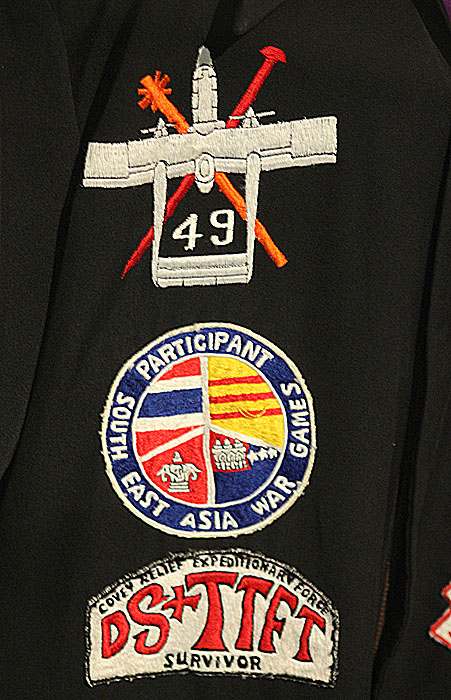
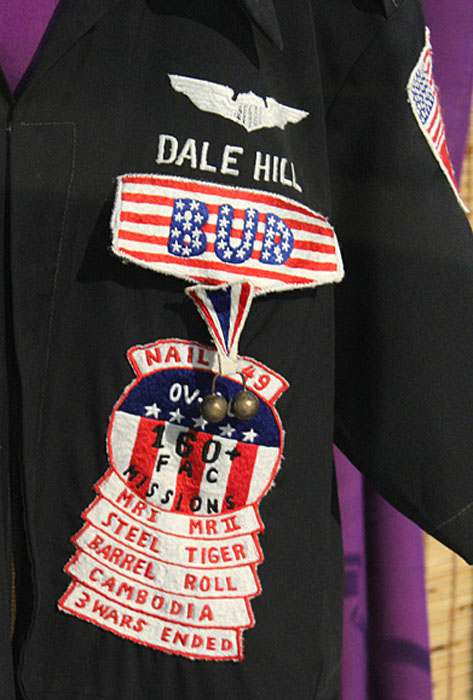
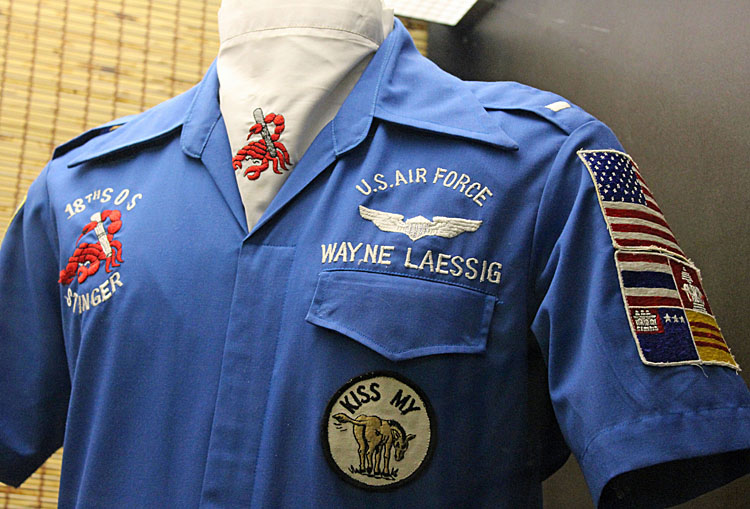
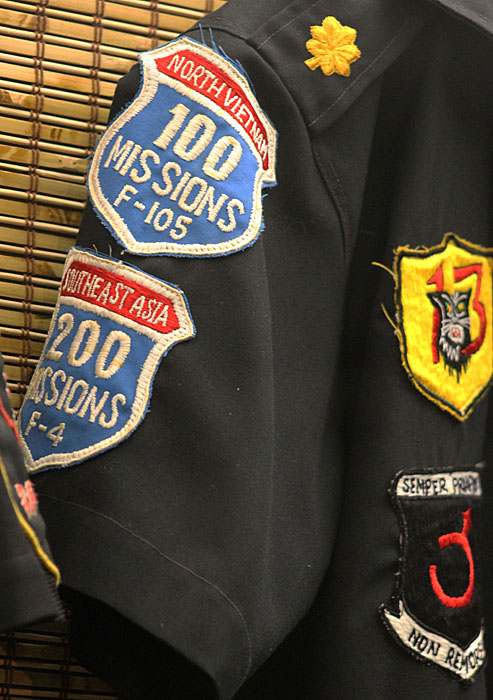
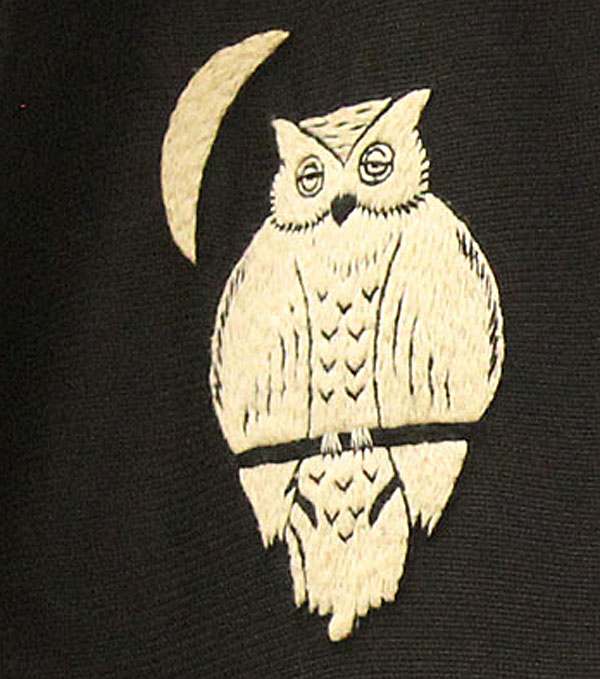
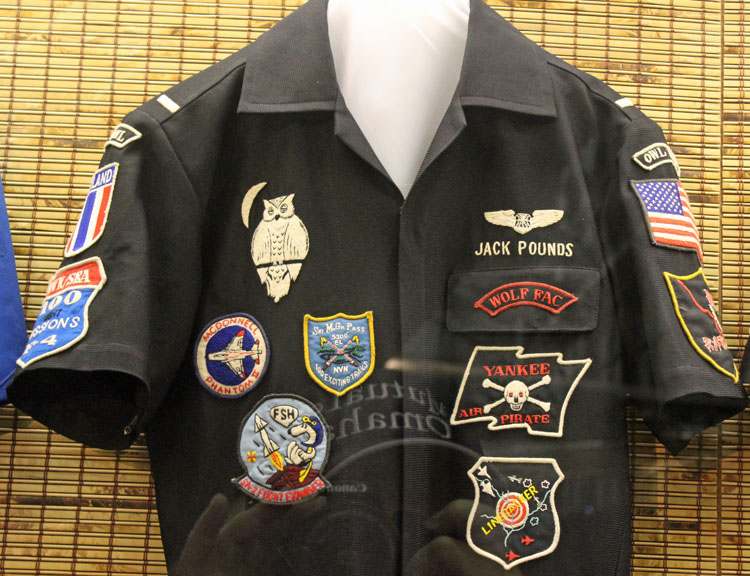
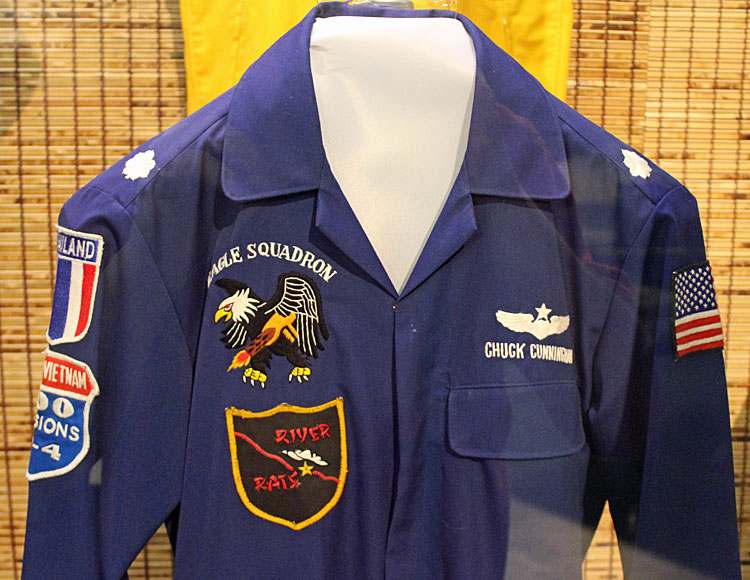
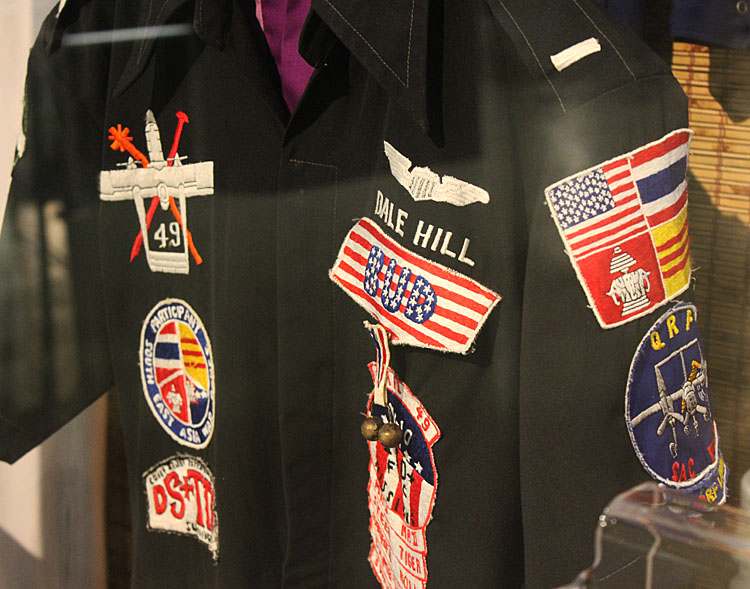
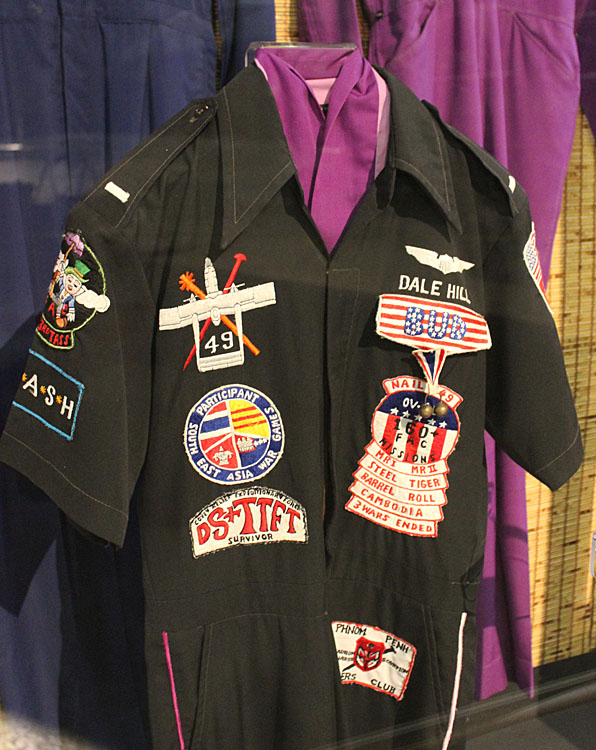
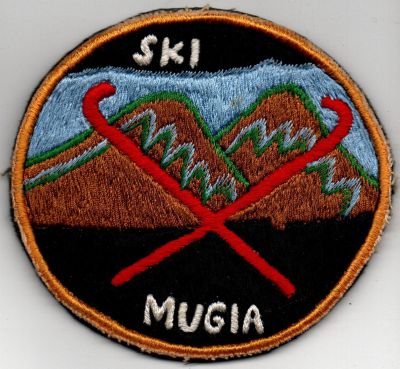
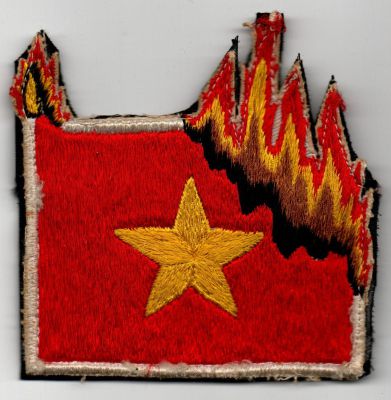
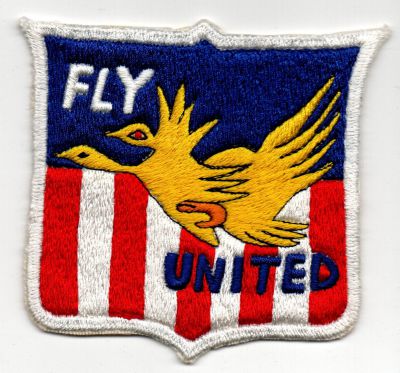
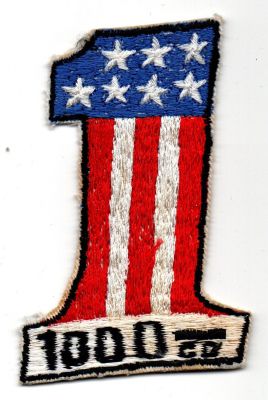
USAF Party suit patches (personal collection)
I am searching for other variations, if you have a spare one please let me know