From Mustangs to Special Operations: The Evolution of the New Mexico Air National Guard
In the immediate aftermath of World War II, sweeping defense budget reductions imposed by President Harry S. Truman forced the United States Army Air Forces to reevaluate its structure. On 24 May 1946, inactive unit designations were reassigned to the National Guard Bureau, laying the groundwork for the creation of the Air National Guard (ANG). These designations were distributed among the states, enabling the rapid reconstitution of air units across the nation.
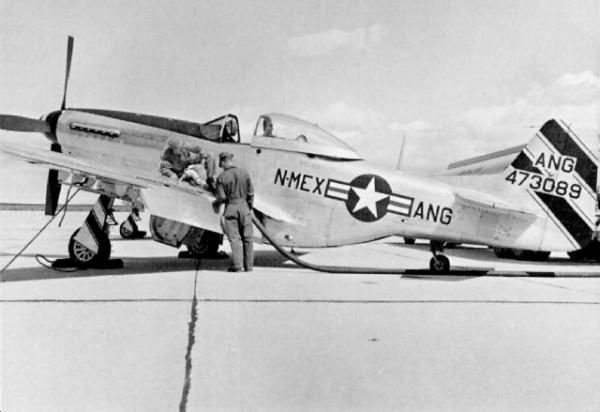
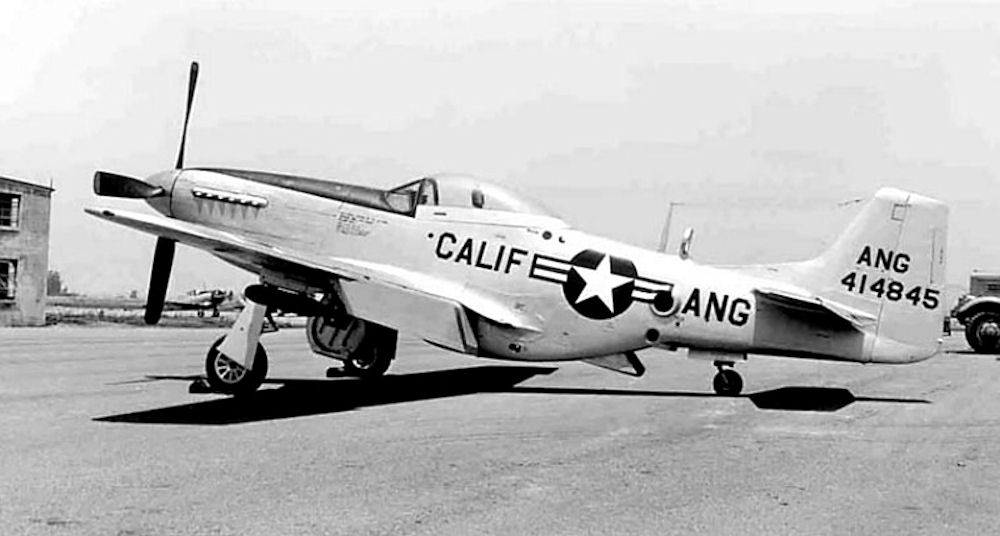
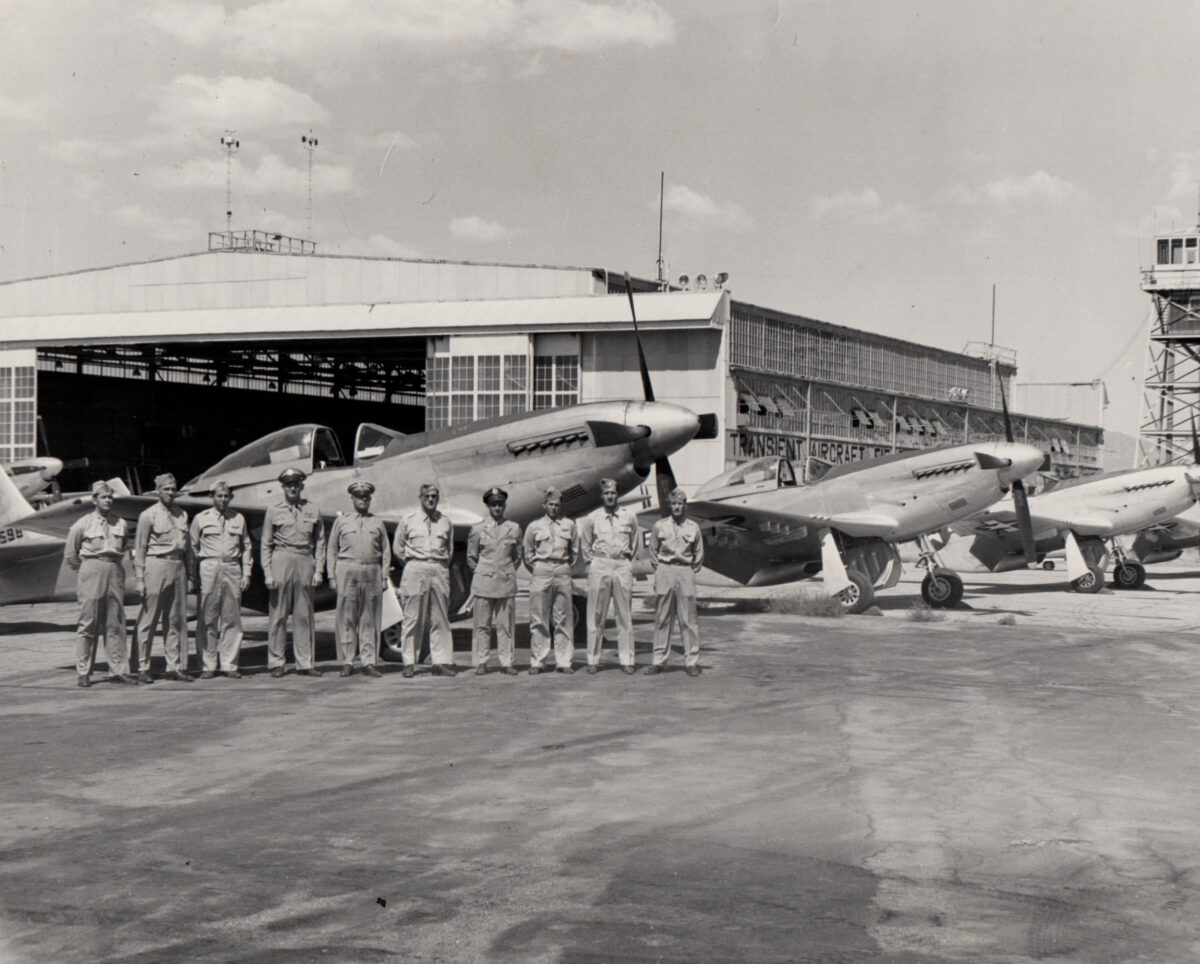
The New Mexico Air National Guard formally entered the federal roster on 7 July 1947 with the recognition of the 188th Fighter Bomber Squadron. Equipped with Douglas B-26 light bombers and F-51D Mustangs—supported by a small contingent of T-6 Texan trainers—the unit blended experience and ambition. Its pilots included returning World War II veterans such as David Tallichet, alongside newly recruited local airmen.
Just months later, on 18 September 1947, the establishment of the United States Air Force as an independent service marked the official birth of the New Mexico ANG. The 188th’s mission soon evolved, transitioning to an air defense role as a fighter interceptor unit in 1948.
Into Combat: Korea and Beyond
The outbreak of the Korean War brought rapid mobilization. In December 1950, the 188th was called to active duty, with personnel deploying through Long Beach, California, before being dispersed across operational units in Asia. The conflict proved costly—pilots Robert Lucas and Joseph Murray were killed in action—while others distinguished themselves in combat, notably Captain Francis Williams and First Lieutenant Robert Sands, each credited with downing three MiG-15 fighters. The squadron returned to state control in November 1952.
Jet Age and Cold War Readiness
The postwar years ushered in the jet era. In August 1953, the 188th received its first jet aircraft, the F-80C Shooting Star, marking a major technological leap. By 1958, it became the first Air National Guard unit to operate the supersonic F-100 Super Sabre—an achievement that underscored its growing strategic importance.
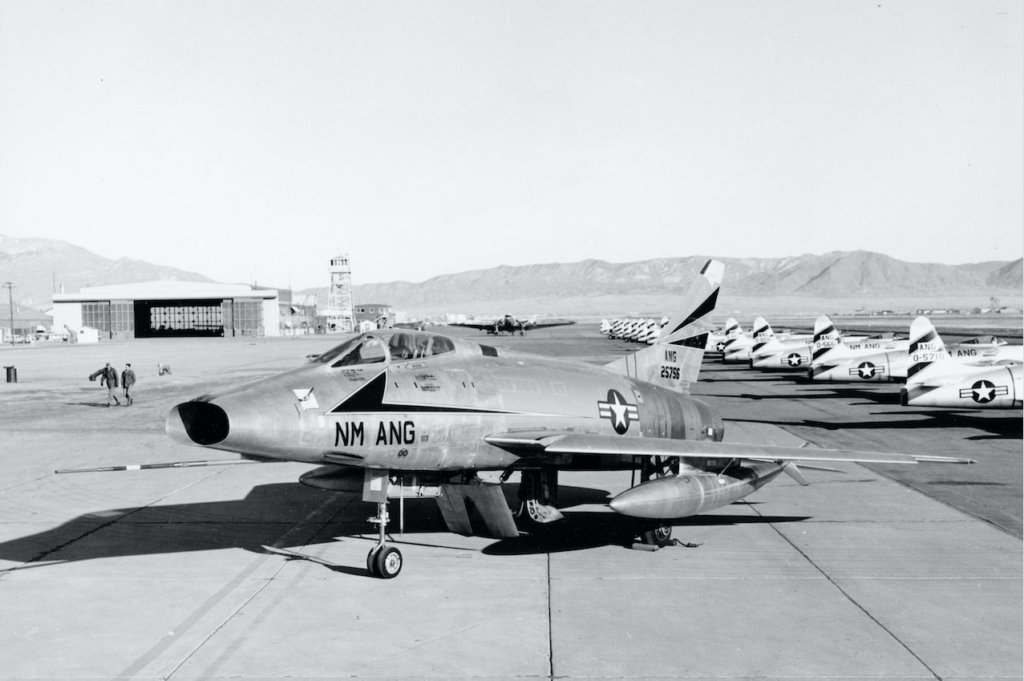
Operational excellence followed. The unit earned both the Spaatz Trophy and the Air Force Association Trophy for outstanding performance in 1956. Redesignated as the 150th Tactical Fighter Group in 1957, it later assumed a 24-hour air defense alert mission at Kirtland Air Force Base.
The Cold War years were not without incident. In April 1961, a rare and tragic accident occurred when an F-100-launched AIM-9 Sidewinder missile unintentionally struck a B-52 Stratofortress during an intercept exercise over New Mexico, resulting in the loss of three crewmembers. The fighter pilot was ultimately cleared of responsibility. During the Cuban Missile Crisis of 1962, the 150th stood on heightened alert for 90 days, reflecting its frontline role in continental air defense.
Vietnam and Global Operations
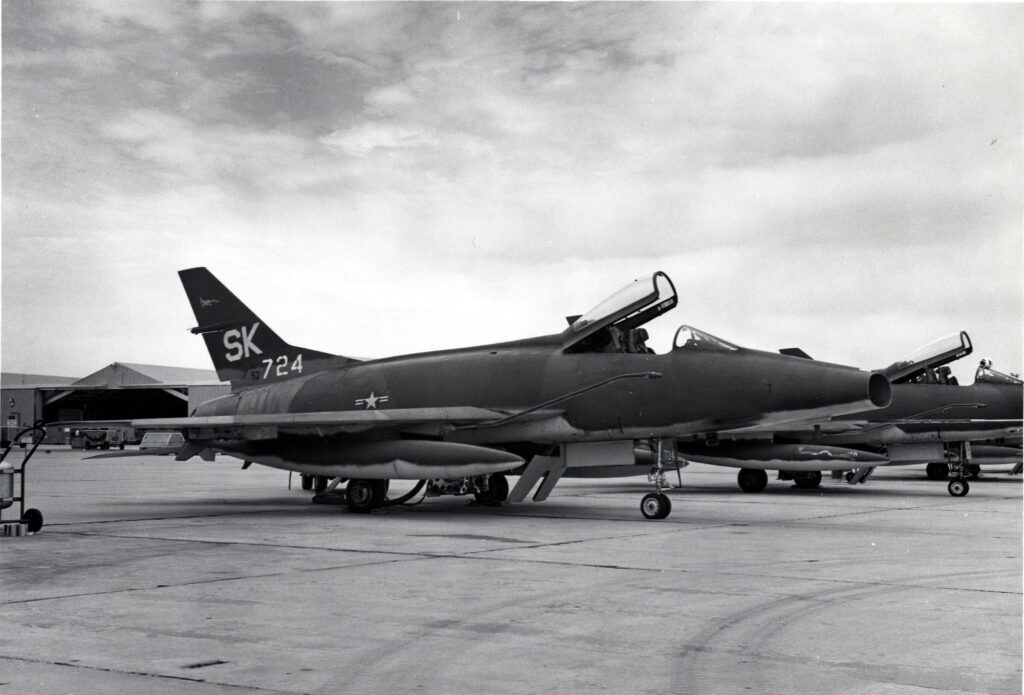
The Vietnam War again called the unit to active service. Following the Pueblo Crisis in January 1968, the 188th Tactical Fighter Squadron deployed to Tuy Hoa Air Base with F-100C aircraft. Over the course of its deployment, the unit flew more than 6,000 combat sorties, earning over 630 decorations, including the USAF Outstanding Unit Award with a “V” device for valor. The cost was significant: Captain Michael Adams was killed in action, and two others were listed as missing.
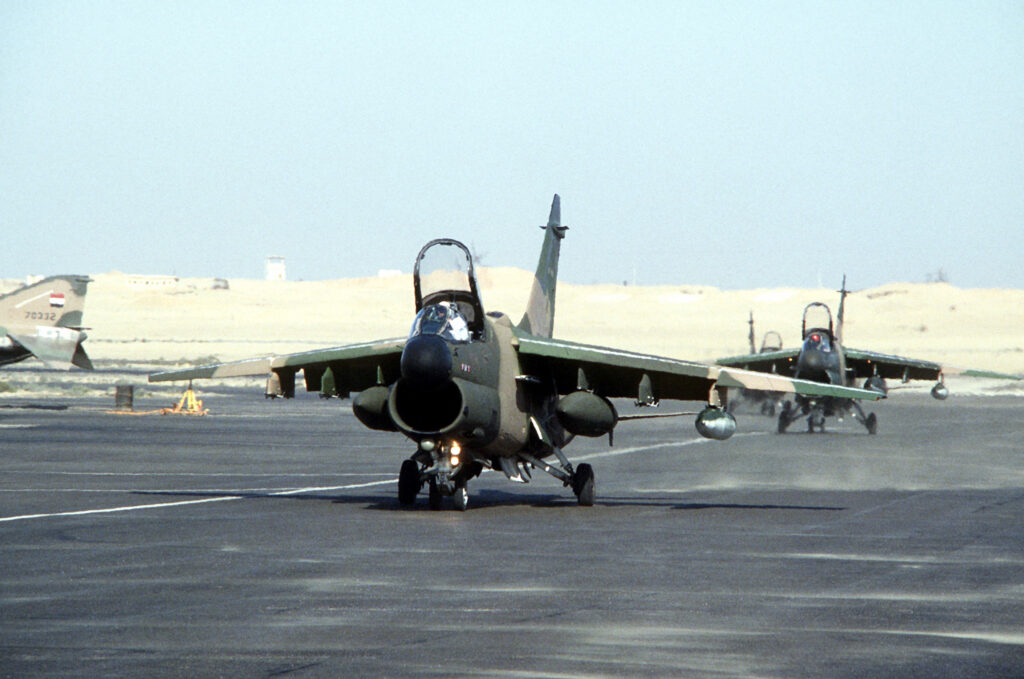
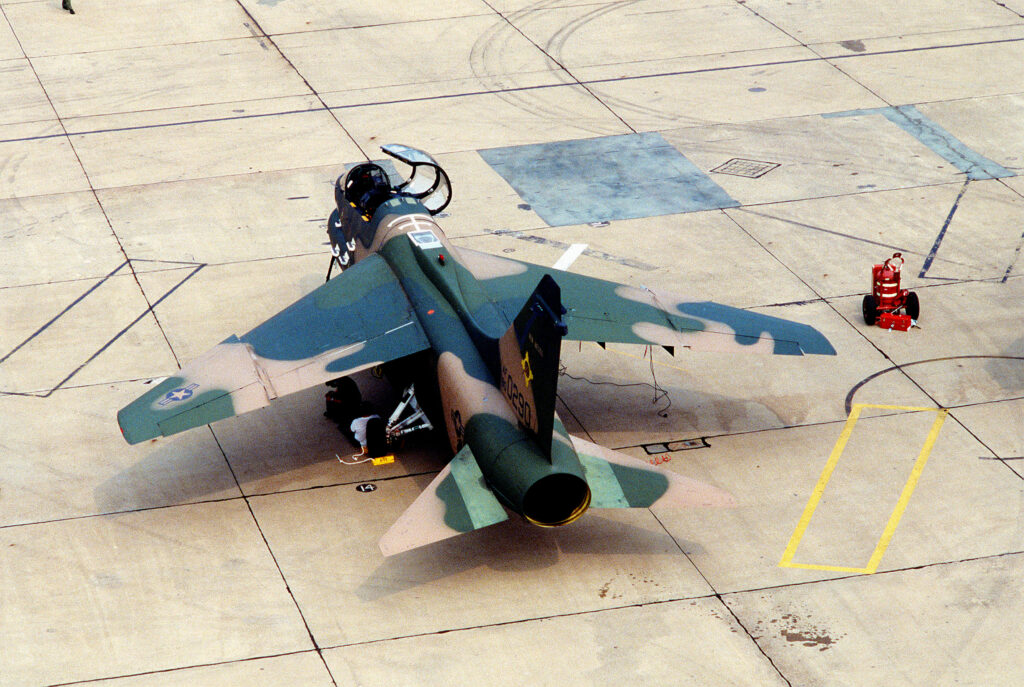
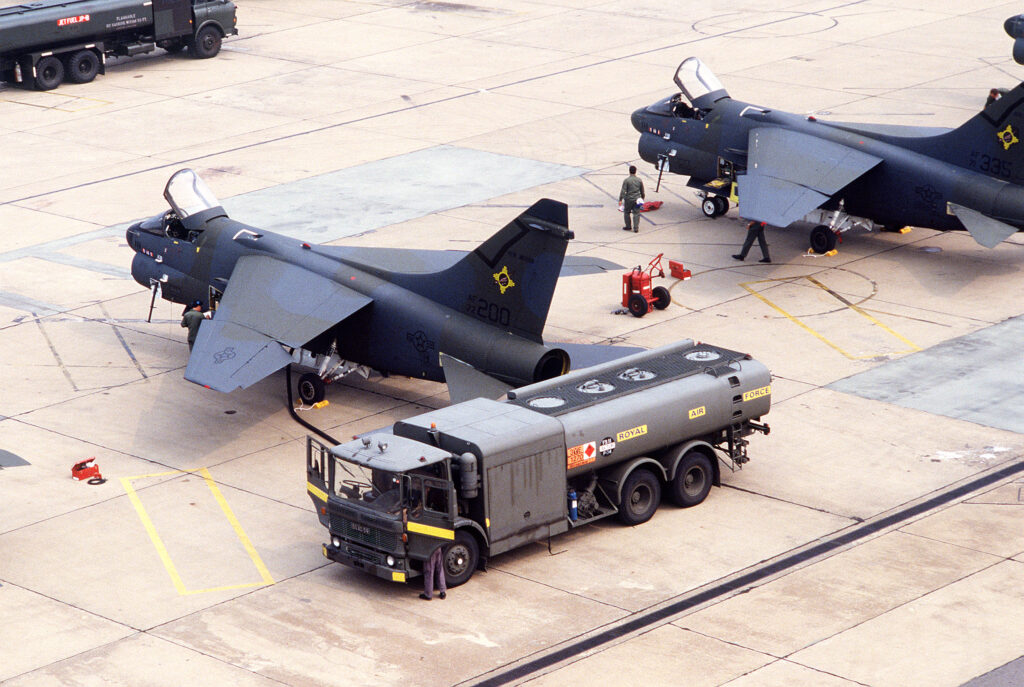
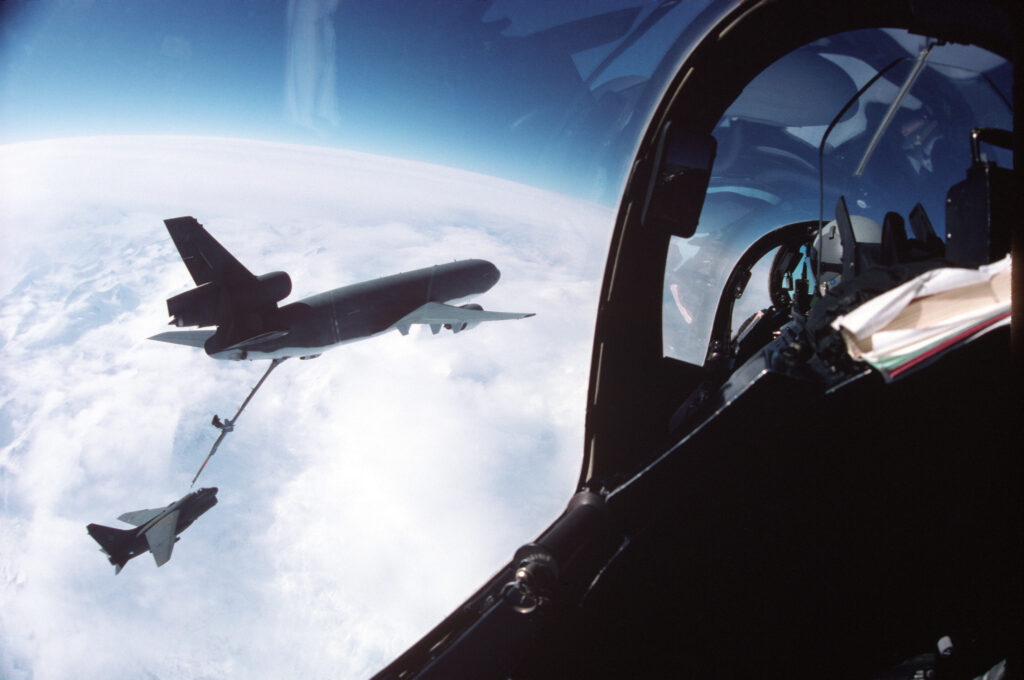
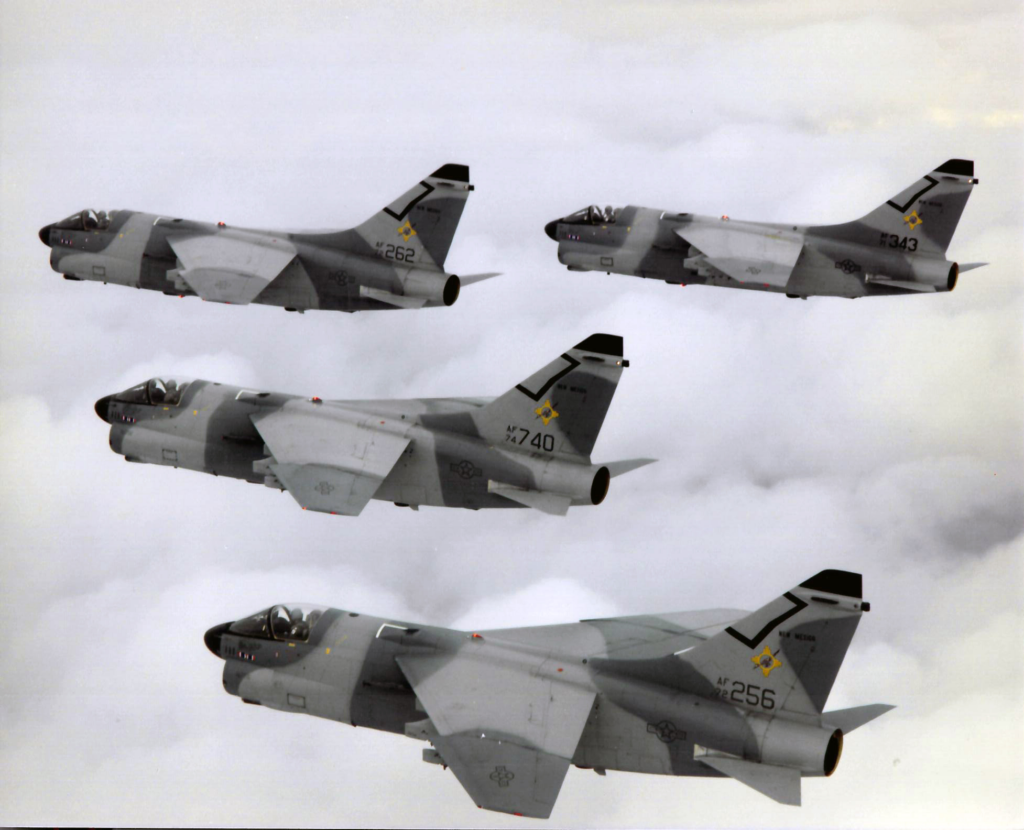
In the 1970s and early 1980s, the 150th expanded its operational reach. Transitioning to the A-7D Corsair II, the unit participated in NATO exercises across Europe and long-range deployments such as Bright Star ’81, setting endurance records and demonstrating expeditionary capability.
From Desert Storm to Homeland Defense
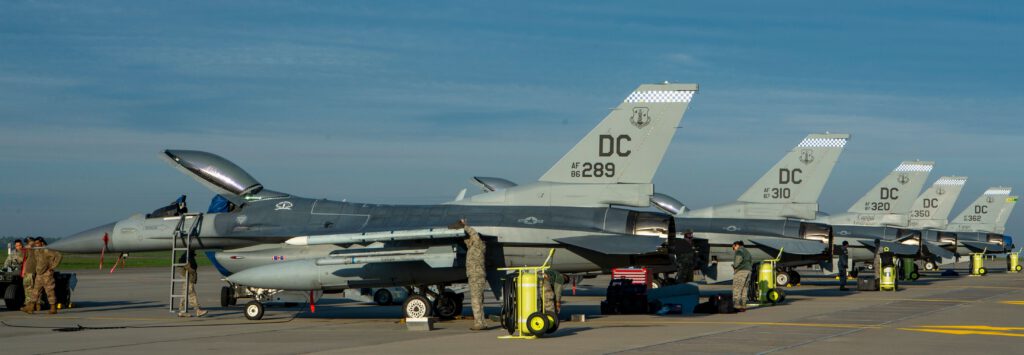
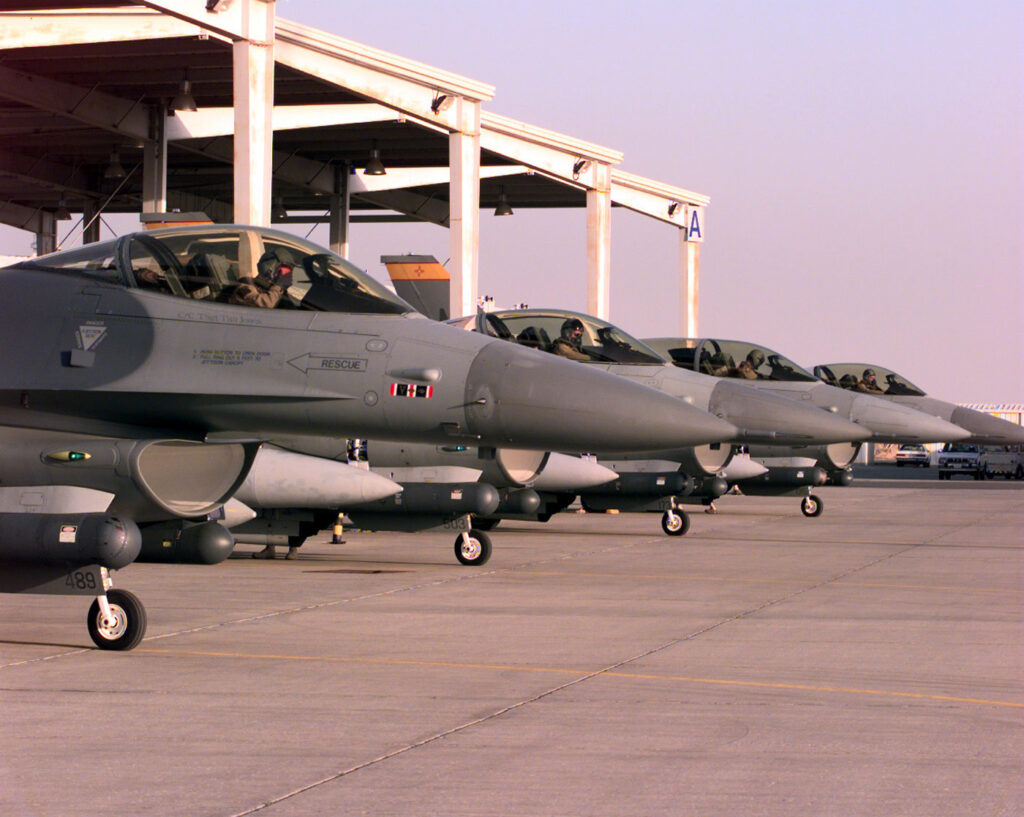
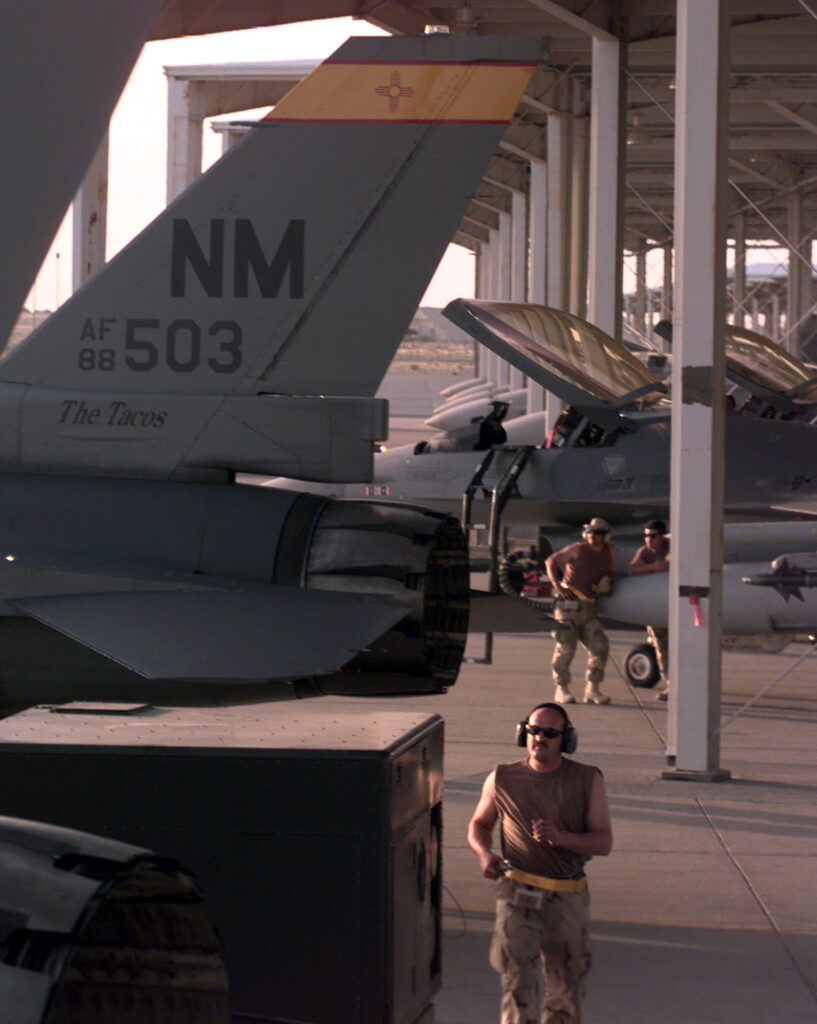
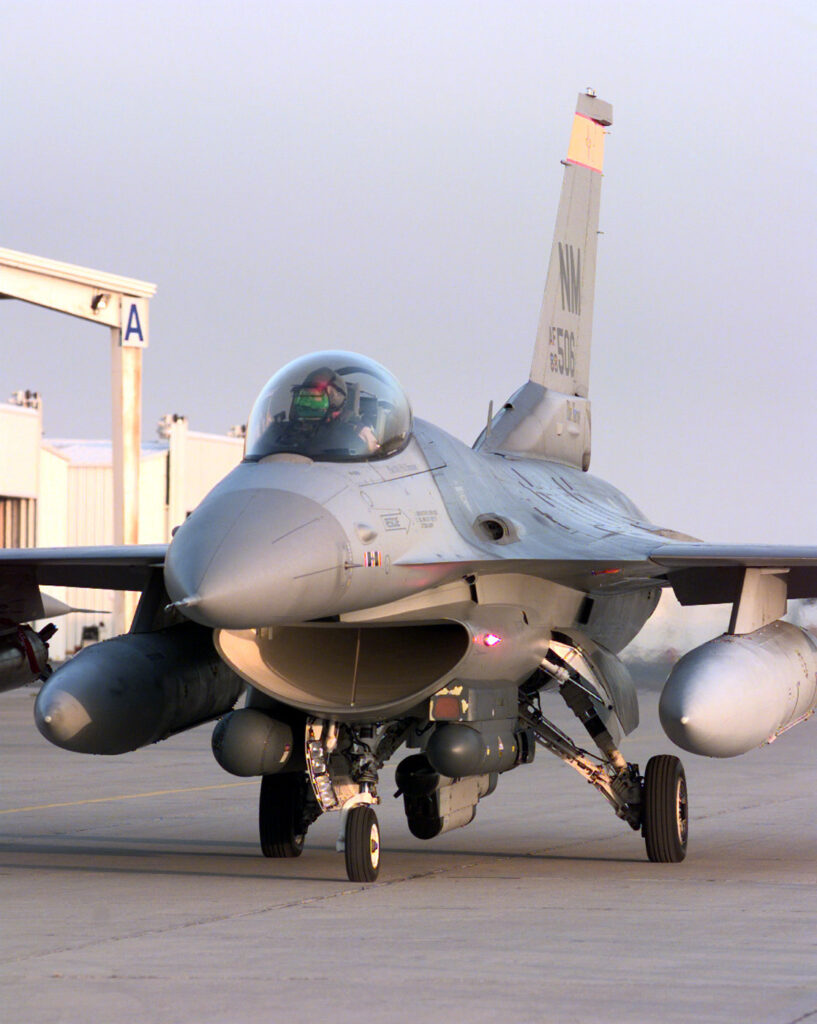
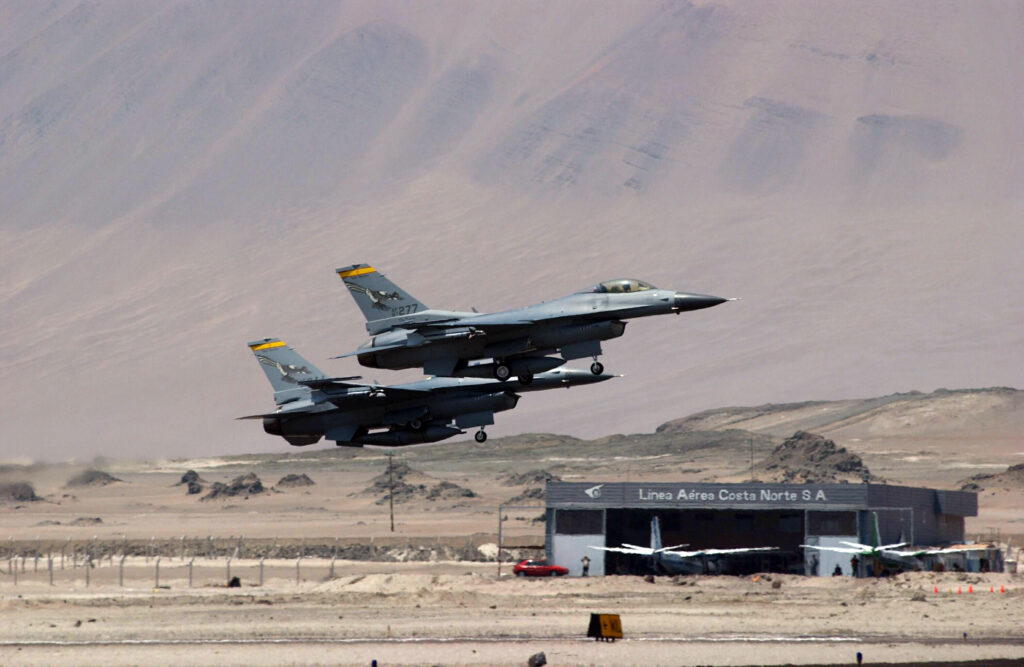
The Gulf War marked another chapter in the unit’s operational history. Elements of the 150th deployed to Saudi Arabia in support of Operation Desert Storm, while the early 1990s also saw its transition to the F-16 Fighting Falcon and redesignation as the 150th Fighter Wing.
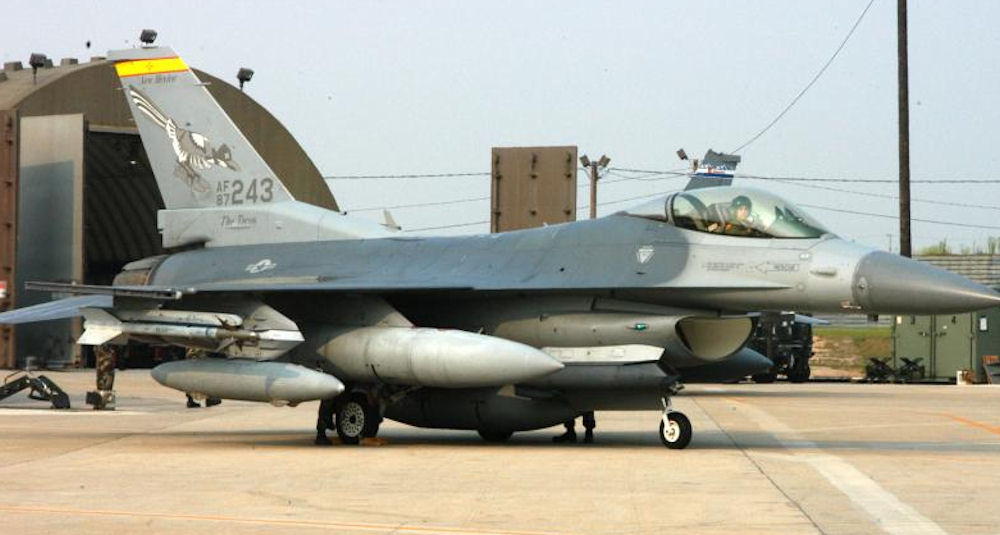
Following the attacks of 11 September 2001, the wing played a key role in homeland defense under Operation Noble Eagle, flying combat air patrol missions and providing ground security at Albuquerque International Airport.
Transformation to Special Operations
A major transformation came in the 21st century. As part of a broader USAF restructuring, the wing’s F-16 fleet was divested by 2010. On 1 December 2013, the 150th was redesignated as the 150th Special Operations Wing (SOW), entering a new era through Total Force Integration with the active-duty 58th Special Operations Wing.
Today, based at Kirtland Air Force Base, the 150th SOW plays a vital role in training and operational support for a diverse fleet, including MC-130, HC-130, HH-60, and CV-22 aircraft. With more than 300 full-time personnel and hundreds of additional Guardsmen, the wing supports both domestic missions and global combatant commander requirements.
A Modern Guard with Enduring Legacy
From piston-engine fighters to cutting-edge special operations, the New Mexico Air National Guard reflects the broader evolution of U.S. airpower. Its history is one of adaptability, operational excellence, and unwavering service—linking the legacy of World War II veterans to today’s highly specialized missions in an increasingly complex global environment.
New Mexico ANG Photos
New Mexico ANG patches
soon to come