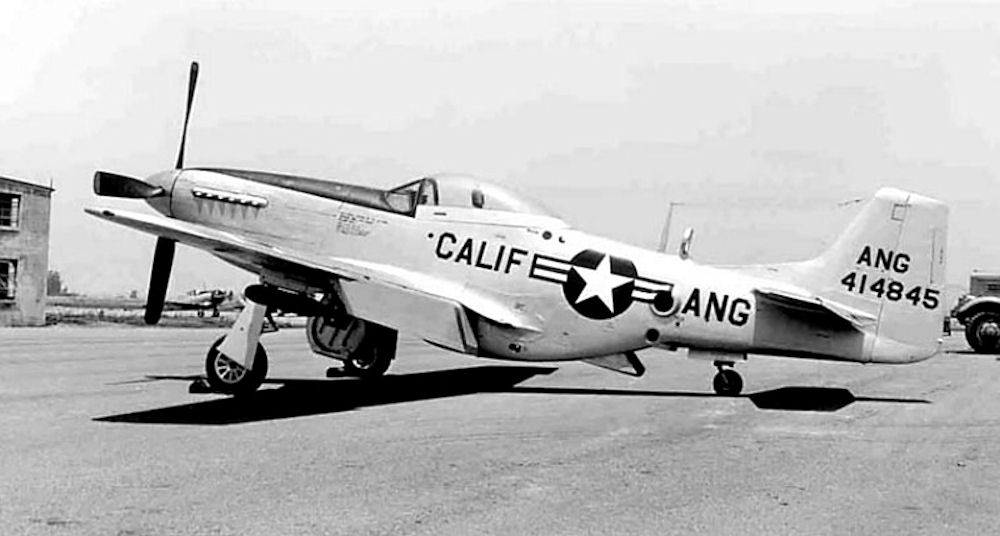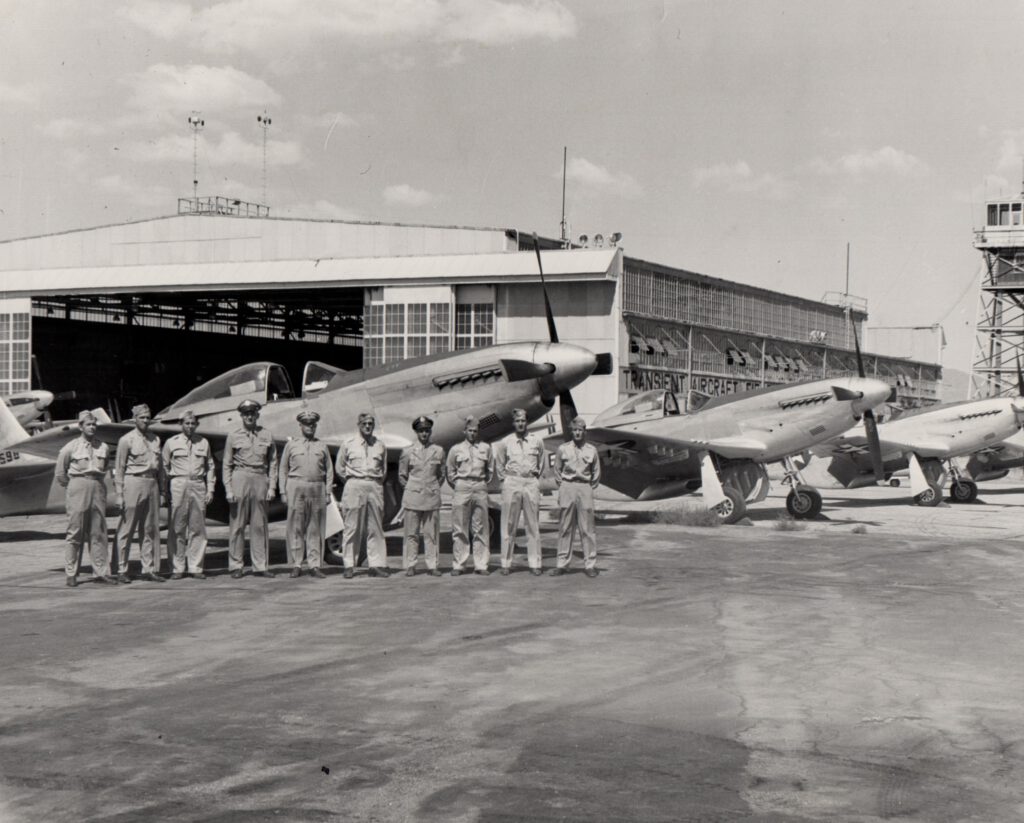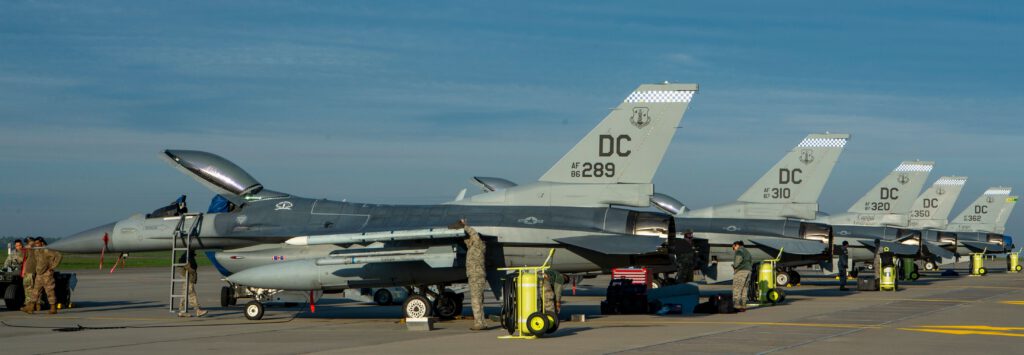
The Utah Air National Guard traces its origins to 18 November 1946, when the 191st Fighter Squadron received federal recognition at Salt Lake City Municipal Airport. Equipped with P‑51D Mustangs, the squadron’s original mission was clear and vital: the air defense of the state of Utah. While that date marks its operational beginning, 18 September 1947 is regarded as the Utah Air National Guard’s official birth, coinciding with the establishment of the United States Air Force as an independent service under the National Security Act.
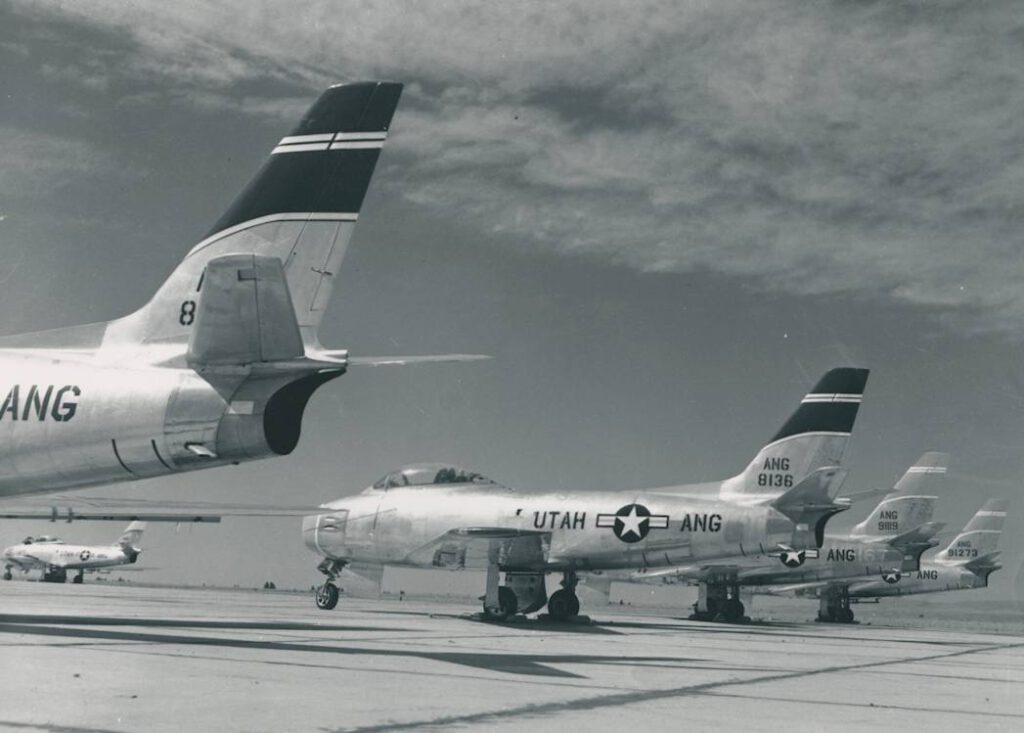
The Utah Air National Guard was quickly tested in combat. During the Korean War, its members were mobilized for 21 months, flying P‑51D Mustang fighters in combat operations. Ten Utah pilots flew more than 100 missions, and two lost their lives in the conflict. The unit’s most notable wartime achievement came from Capt. Cliff Jolley, who, flying the North American F‑86 Sabre, shot down seven Soviet-built MiG‑15s—earning distinction as the first Air National Guard “ace” of the Korean War.
Service overseas continued in subsequent decades. During the Vietnam War, Utah Air Guard aircrews logged more than 6,600 hours flying support missions for U.S. forces. A major organizational milestone followed on 1 July 1958, when the 191st Fighter‑Interceptor Squadron was authorized to expand to group level, leading to the activation of the 151st Fighter‑Interceptor Group under the National Guard Bureau.
The post–Cold War era brought new operational demands. In 1990 and 1991, Utah Air National Guard personnel were among the first volunteers to support Operations Desert Shield and Desert Storm during the Gulf War, with their contribution extending well into 1991. Nearly a decade later, in 1999, members deployed to Europe in support of Operation Allied Force. The unit also played an ongoing role in U.S. drug interdiction efforts and provided aerial refueling for tactical and transport aircraft supporting operations in Bosnia and Iraq. Participation in the Air Expeditionary Force (AEF) construct further expanded its global reach, including a notable deployment to Andersen Air Force Base, Guam, in the summer of 2007.
Following the terrorist attacks of 11 September 2001, the tempo of operations increased dramatically. More than 3,300 Utah Air National Guard members have since been activated and deployed worldwide in support of Operation Noble Eagle, Operation Enduring Freedom, and Operation Iraqi Freedom.
At home, the Utah Air National Guard remains deeply connected to the communities it serves. Guardsmen regularly support civic initiatives such as Sub‑for‑Santa, blood drives, Adopt‑a‑School programs, highway cleanups, and the 2002 Winter Olympics. Equally important is the unit’s state mission: maintaining readiness to support Utah during earthquakes, floods, civil unrest, or major disasters. That commitment has extended beyond state borders; at the request of the governor, Utah Air Guardsmen assisted during Hurricanes Katrina and Rita in 2005, airlifting evacuees to safety in one of the largest domestic humanitarian responses in the Guard’s history.
The Utah Air National Guard consists of the following major units;
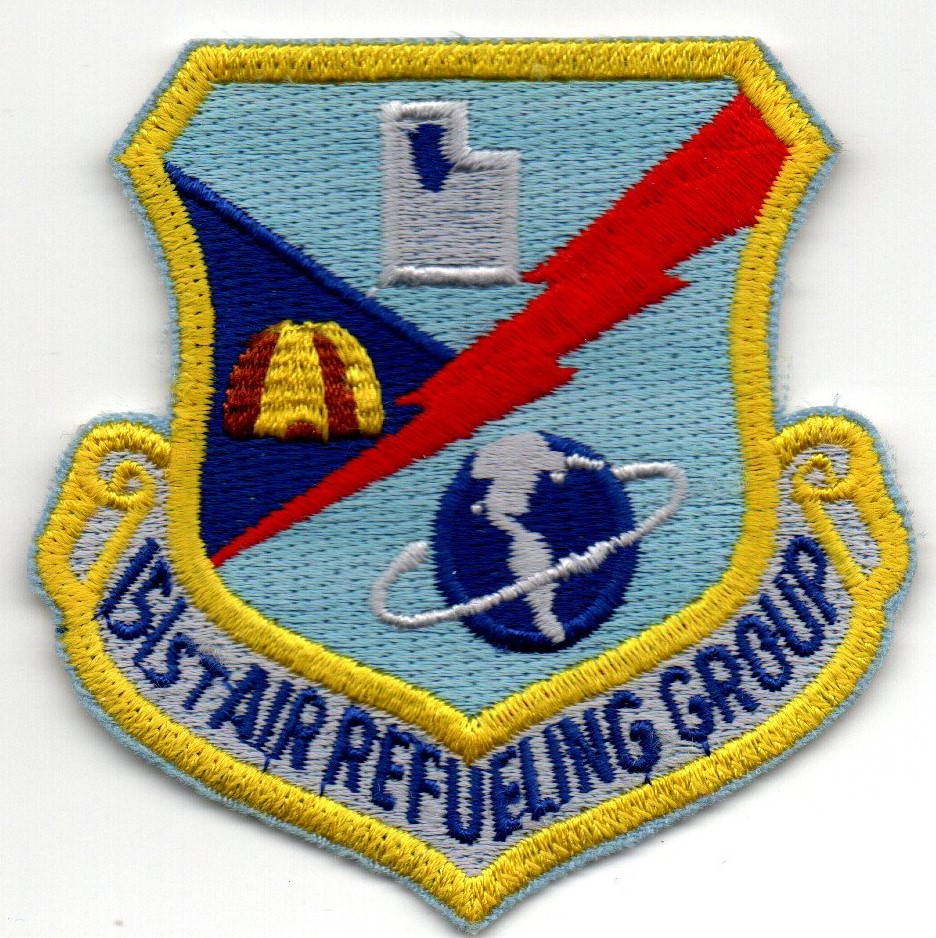
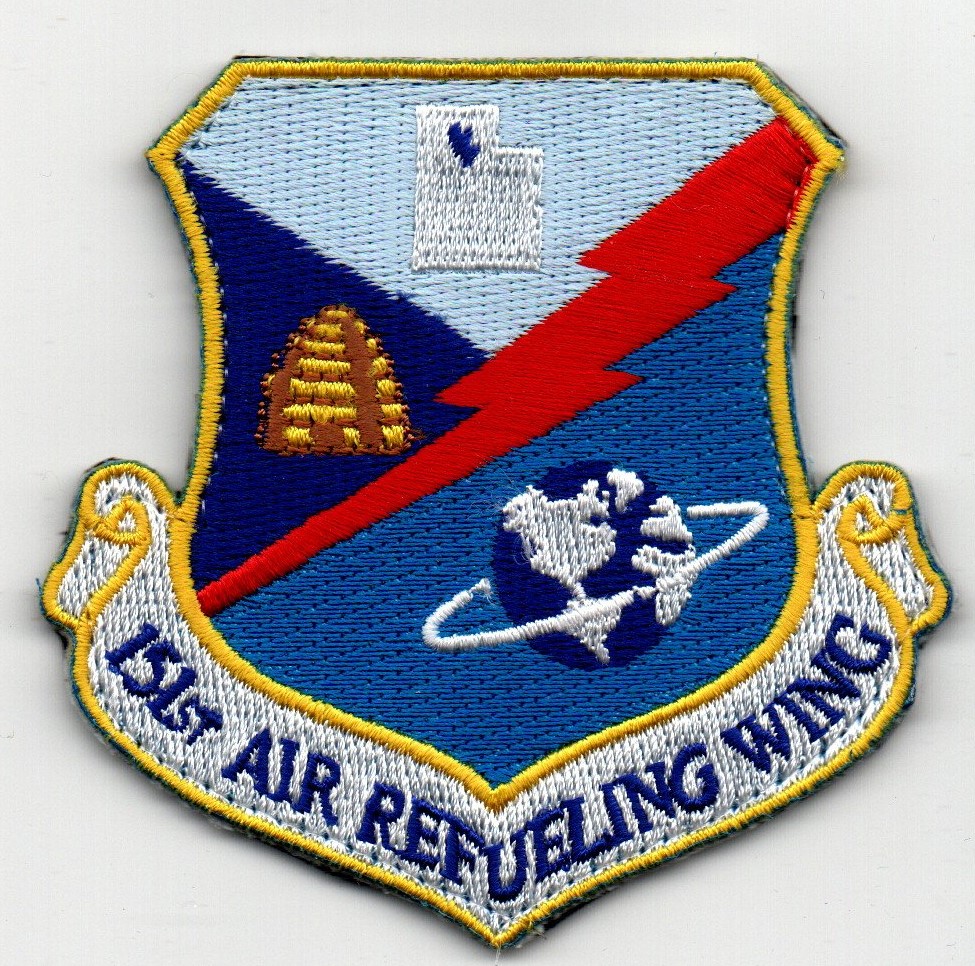
151st Air Refueling Wing
A pivotal moment in the history of the Utah Air National Guard came on 1 July 1958, when the 191st Fighter‑Interceptor Squadron was authorized to expand to group level. The National Guard Bureau formally established the 151st Fighter Group (Air Defense), with the 191st FIS serving as the group’s flying squadron. Supporting units included the 151st Headquarters, 151st Material Squadron (Maintenance and Supply), 151st Combat Support Squadron, and the 1151st USAF Dispensary. Operational control was assigned to Air Defense Command’s 29th Air Division.
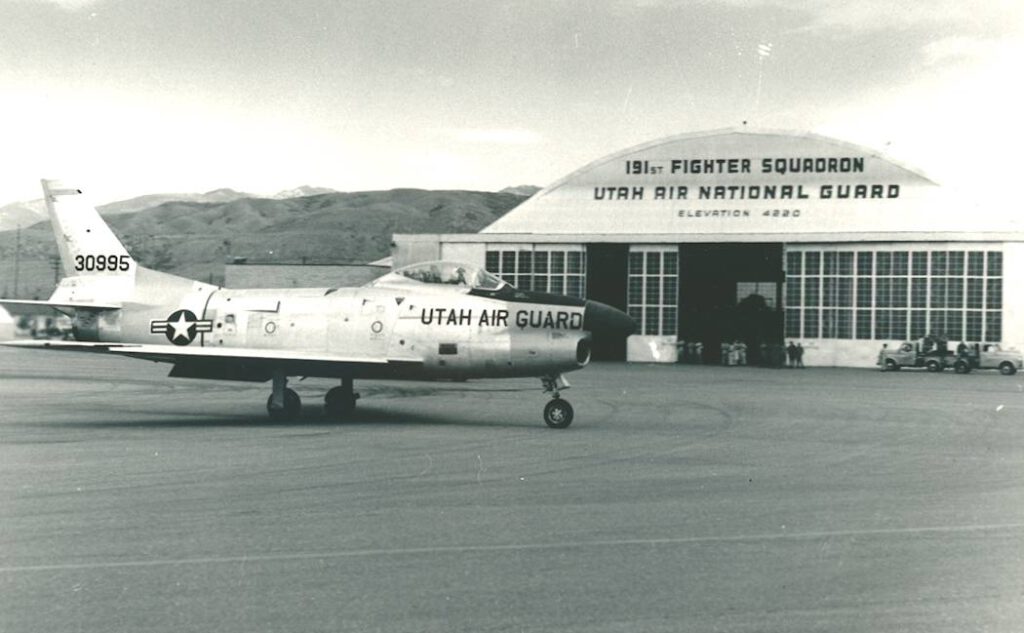
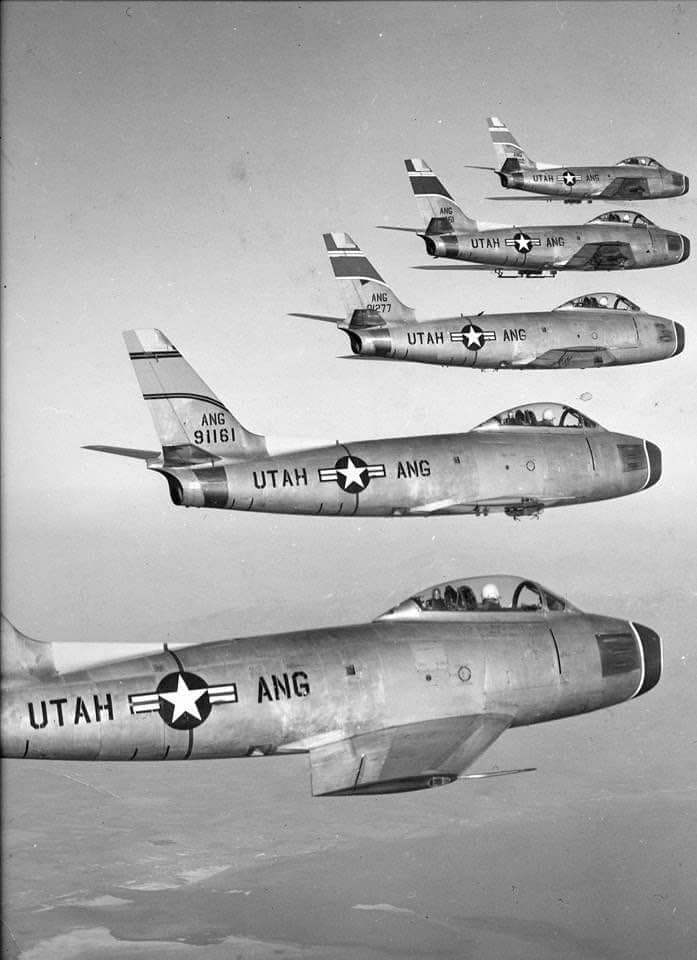
That same year, the 151st entered the front line of continental air defense by implementing the ADC Runway Alert Program. Interceptors stood armed and ready on five‑minute alert, reflecting Cold War tensions and the need for instant response. The unit’s North American F‑86A day fighters were replaced by the more capable F‑86L Sabre, a day/night, all‑weather interceptor integrated into the Semi‑Automatic Ground Environment (SAGE) system—placing the Utah Air National Guard squarely within the nation’s high‑technology air defense network.
A New Mission: Strategic Airlift
The unit’s mission took a dramatic turn on 1 April 1961, when the 151st transferred from Air Defense Command to the Military Air Transport Service. Re‑equipped with the C‑97 Stratofreighter, the newly designated 151st Air Transport Group assumed a worldwide airlift mission. This transformation would soon take the Utah Air National Guard far beyond domestic skies.
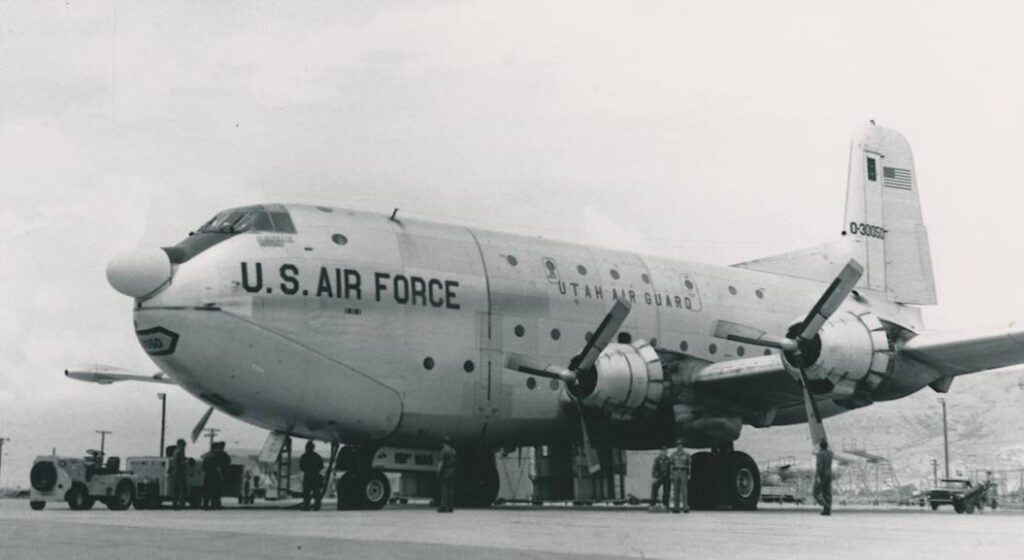
By late 1964, the unit was flying into the combat zone of Southeast Asia, marking its first operational missions connected to the Vietnam War. These missions continued throughout the conflict, and in January 1966 the unit was redesignated the 151st Military Airlift Group under Military Airlift Command. In 1969, the venerable C‑97s were retired in favor of the massive C‑124C Globemaster II. During the Vietnam War years, Utah Air Guard crews flew more than 6,600 hours of support missions for American forces—a testament to their growing role in global air mobility.
Enter the Tanker Era
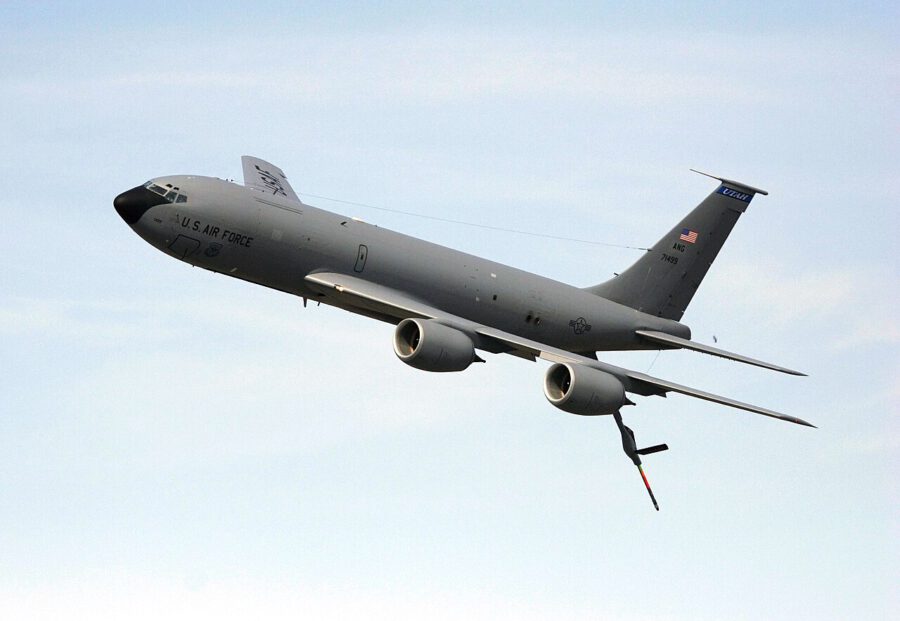
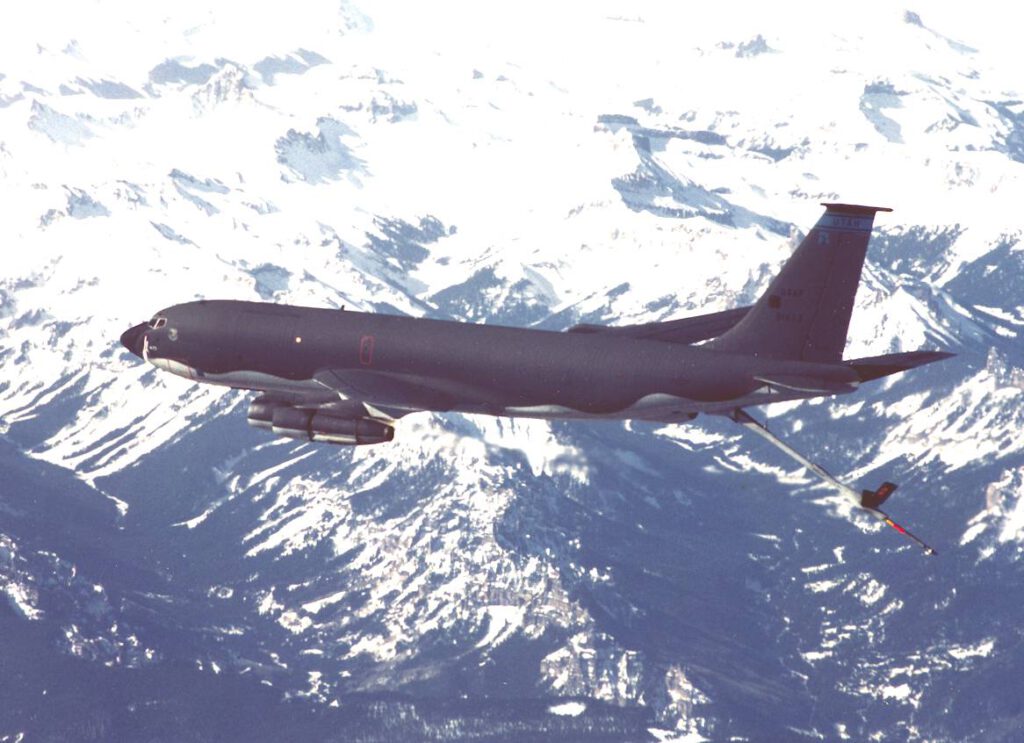
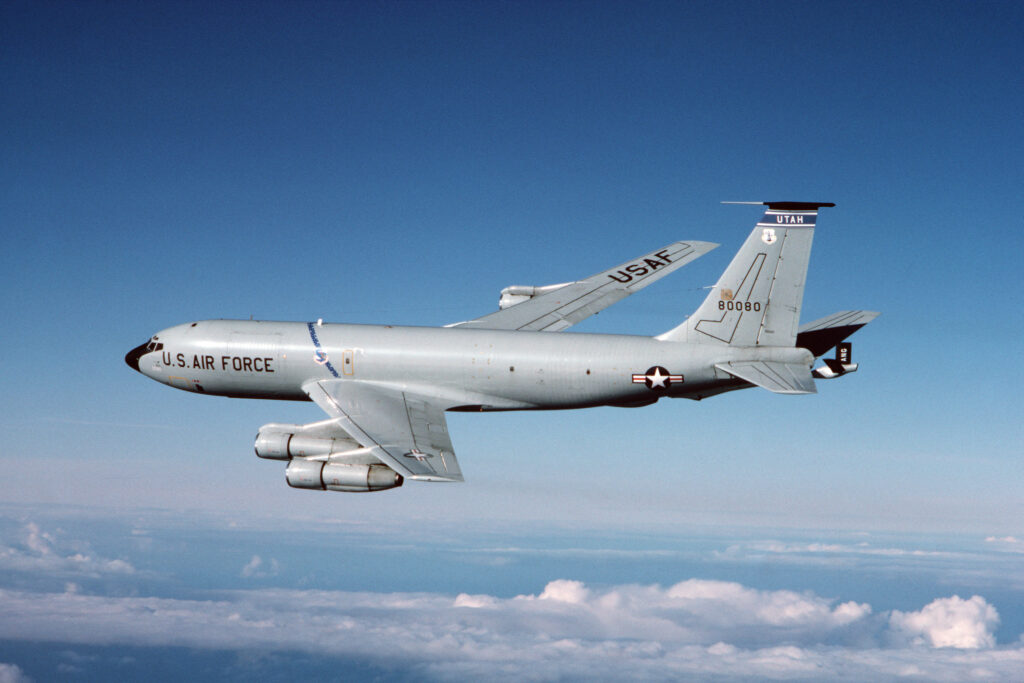
Another major transition occurred on 1 July 1972, when the 151st Military Airlift Group transferred to Strategic Air Command (SAC) and adopted the air refueling mission. Initially equipped with KC‑97L Stratotankers, the unit entered a new phase of service supporting SAC’s nuclear deterrent mission. In 1978, the squadron upgraded to the jet‑powered KC‑135A Stratotanker, significantly expanding speed, range, and capability.
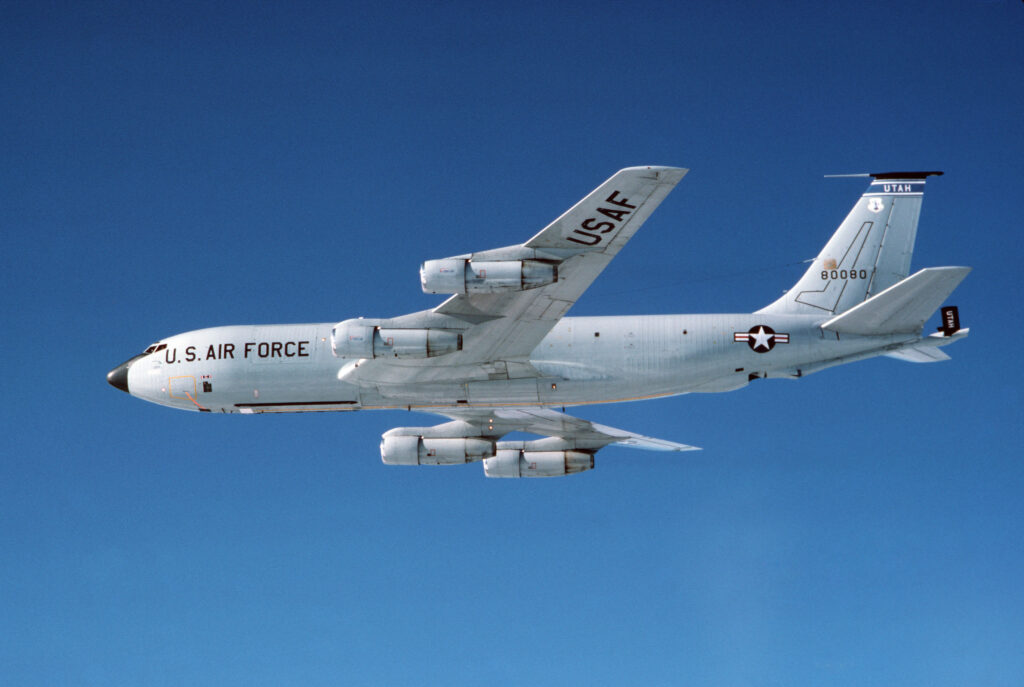
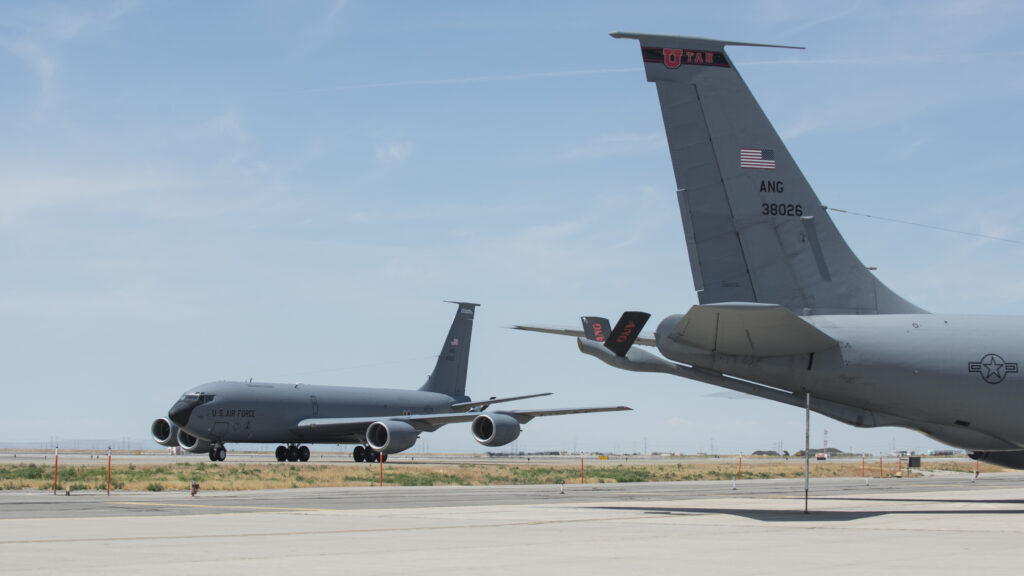
By January 1979, the unit began continuous 24‑hour SAC alert operations—an around‑the‑clock commitment that would last for 12 years, ending only in 1991 when President George H. W. Bush directed the termination of SAC’s airborne alert force. During the 1980s the squadron balanced this demanding posture with a steady stream of training and operational missions, converting in 1982 to the more modern KC‑135E.
The decade also saw the unit achieve several notable milestones. In April 1983, the 191st Air Refueling Squadron participated in the first Pacific Tanker Task Force, conducting long‑range missions to Guam, South Korea, and Australia. An even more ambitious operation followed in the spring of 1984, when the squadron supported Exercise Coronet Giant. Three Utah‑based KC‑135s refueled twelve A‑10 Thunderbolt II aircraft on a nonstop 3,600‑mile deployment from the United States to West Germany—the largest Guard‑supported fighter movement of its kind at the time.
Combat Operations and Global Commitments
The unit’s readiness was proven during Operation Desert Shield, when it received orders for partial activation on 20 December 1990. Between 27 and 29 December, aircraft, aircrews, and support personnel deployed to Cairo West Airport, Egypt, forming the core of the 1706th Air Refueling Wing (Provisional). Additional members served as stateside backfill or deployed to other overseas locations to sustain global operations.
On 30 April 1999, the 151st was again mobilized, this time under a Presidential Reserve Call‑Up during the Kosovo crisis. As part of Operation Allied Force, the 191st deployed to Europe in support of NATO combat operations.
The Global War on Terrorism
Following the terrorist attacks of 11 September 2001, the squadron immediately shifted into homeland defense operations. Under Operation Noble Eagle, the 191st flew its first combat air patrol support mission on 12 September, providing critical aerial refueling for fighters guarding U.S. cities. Sortie rates peaked in November 2001, with continuous patrol coverage over major metropolitan areas.
Simultaneously, the unit supported Operation Enduring Freedom, deploying aircraft and personnel to Spain from late September 2001 through the spring of 2002 to sustain combat air operations over Afghanistan.
Serving at Home and Abroad
Beyond its federal mission, the Utah Air National Guard maintains a strong bond with the communities it serves. Guardsmen regularly support civic initiatives including Sub‑for‑Santa, blood drives, highway cleanup programs, and security and logistics during the 2002 Winter Olympics. The unit also remains prepared to respond to state emergencies such as earthquakes, floods, and civil disturbances. That commitment extended nationally in 2005, when Utah Air Guard members assisted in evacuations following Hurricanes Katrina and Rita.
Reflecting its broadened responsibilities, the organization was officially redesignated as the 151st Wing on 2 December 2023—an acknowledgement of its expanded mission set beyond aerial refueling and its continued evolution within the U.S. Air Force and Air National Guard.
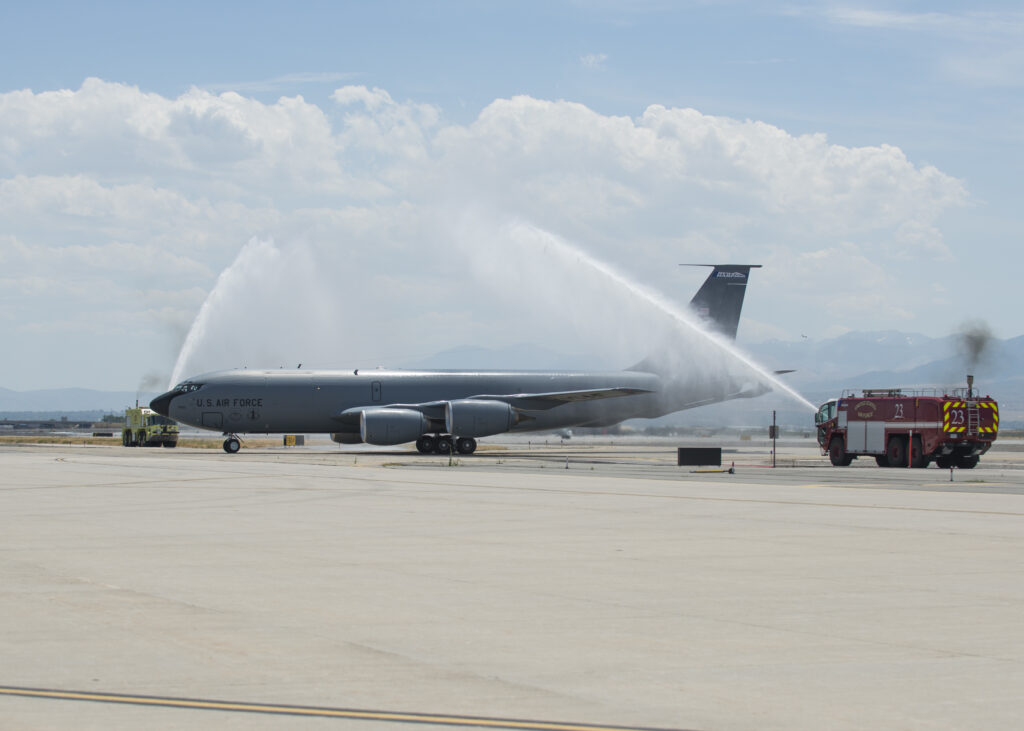
Utah Air National Guard photos
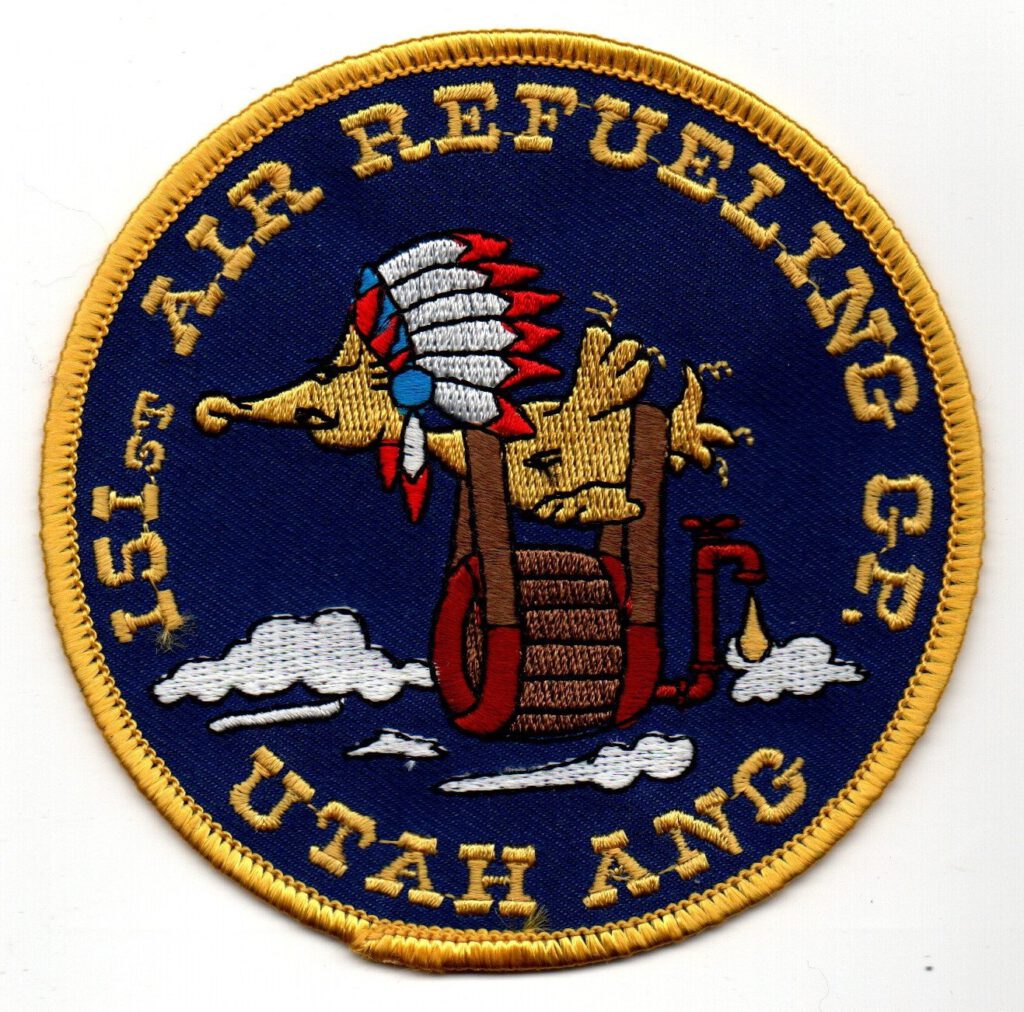
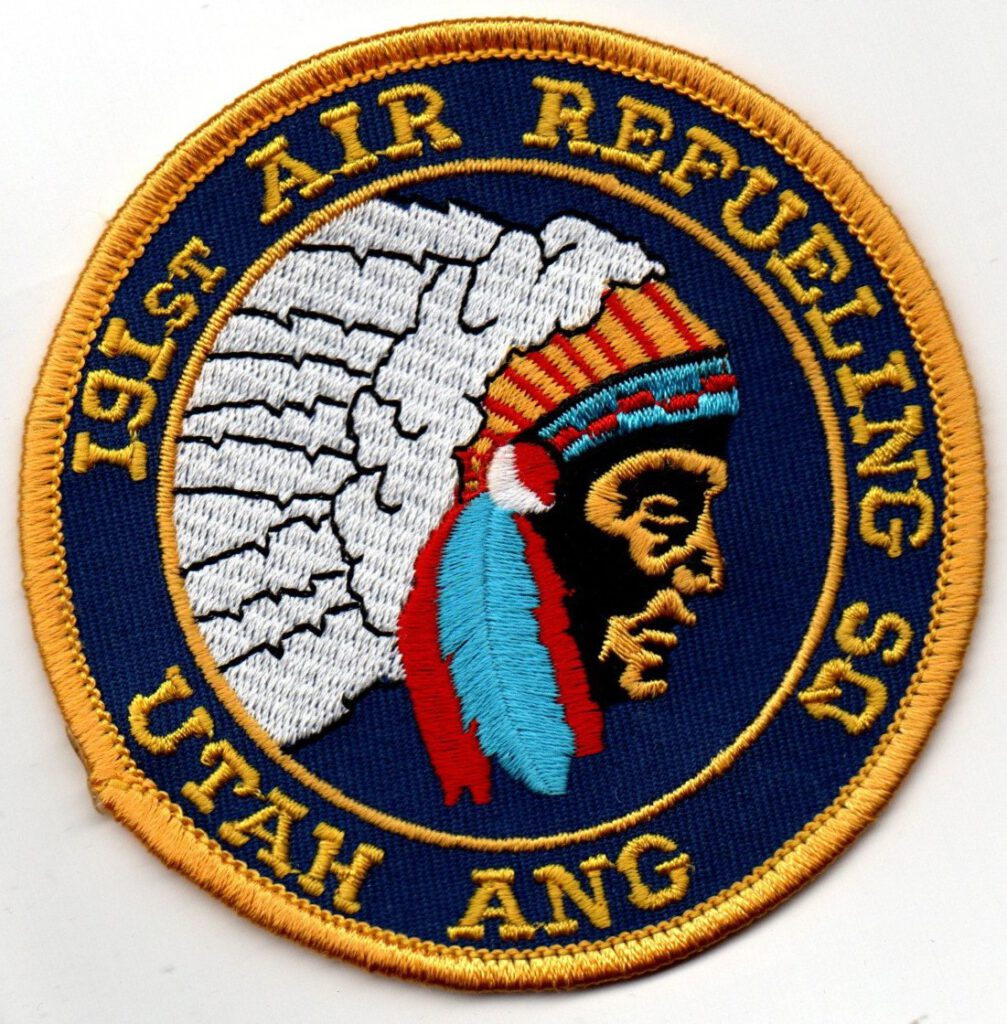
Utah Air National Guard patches