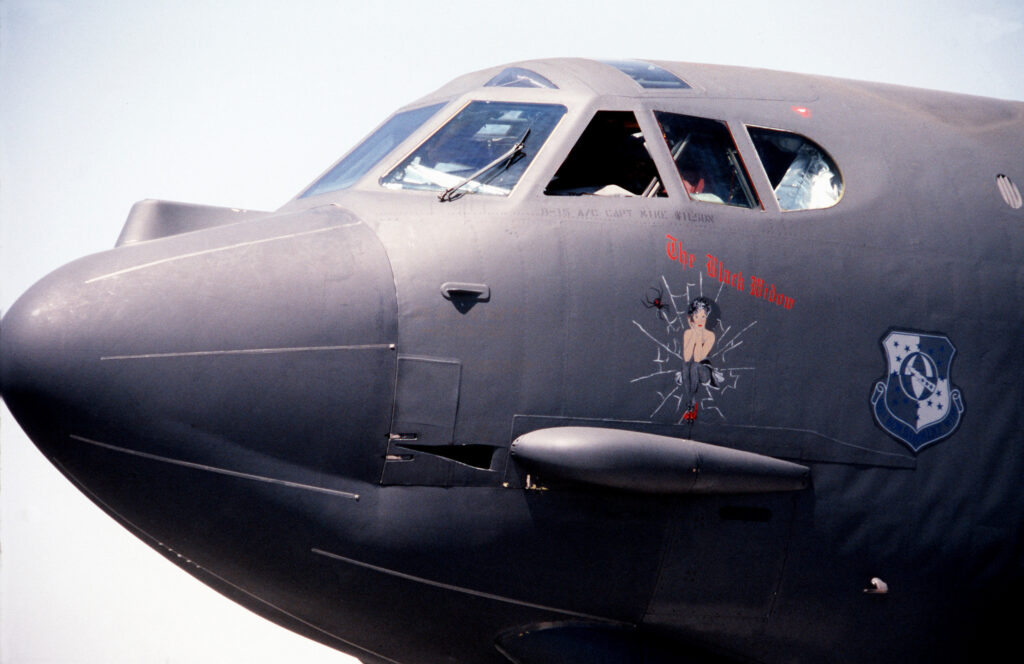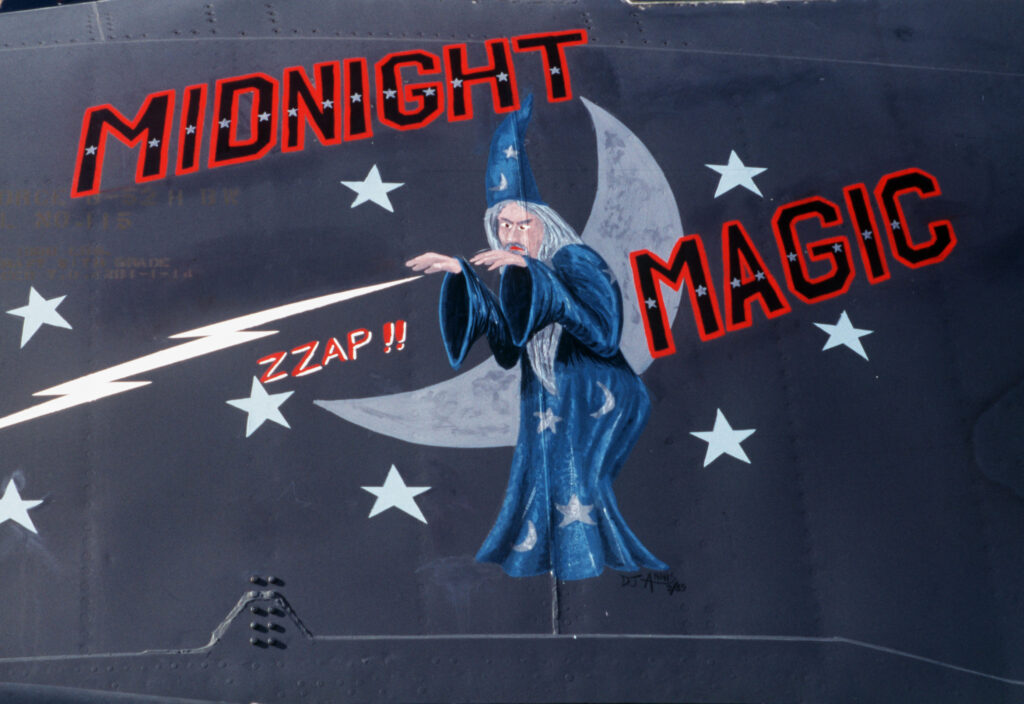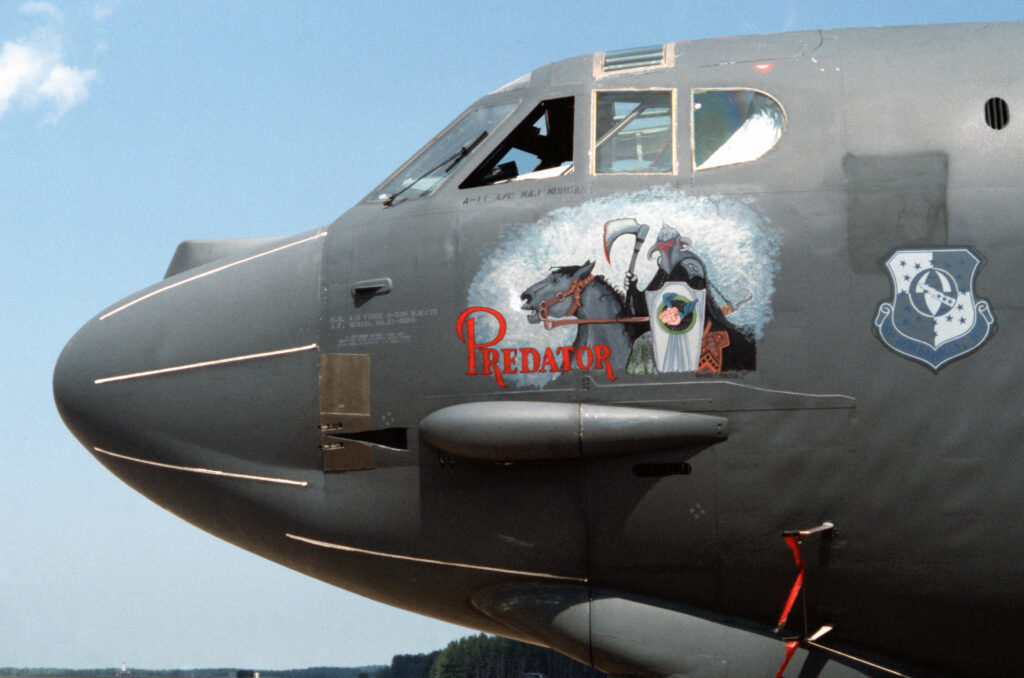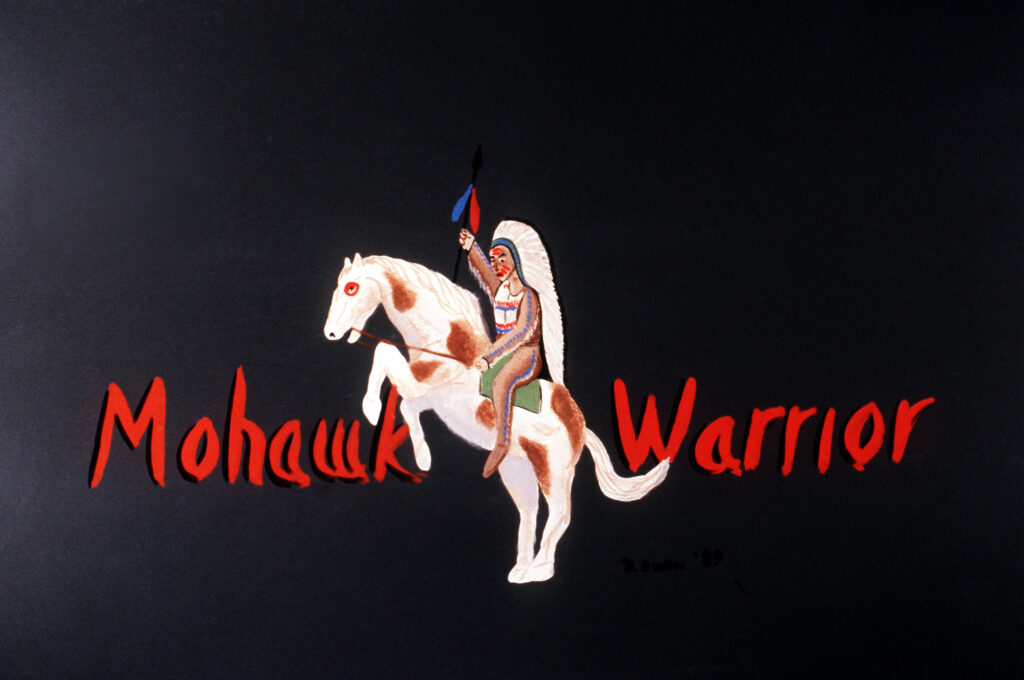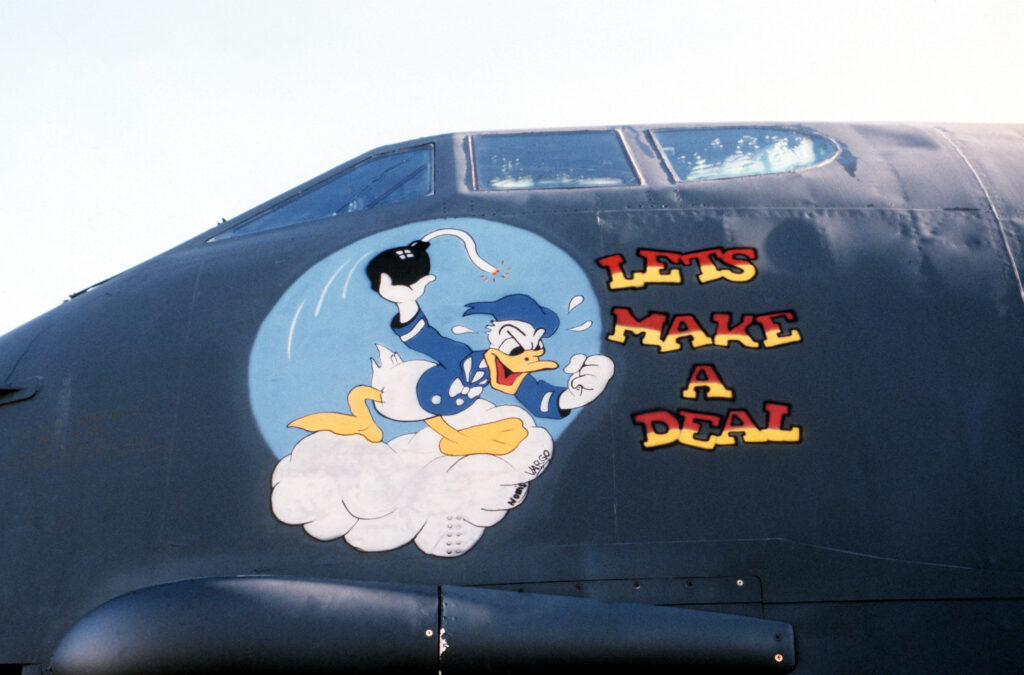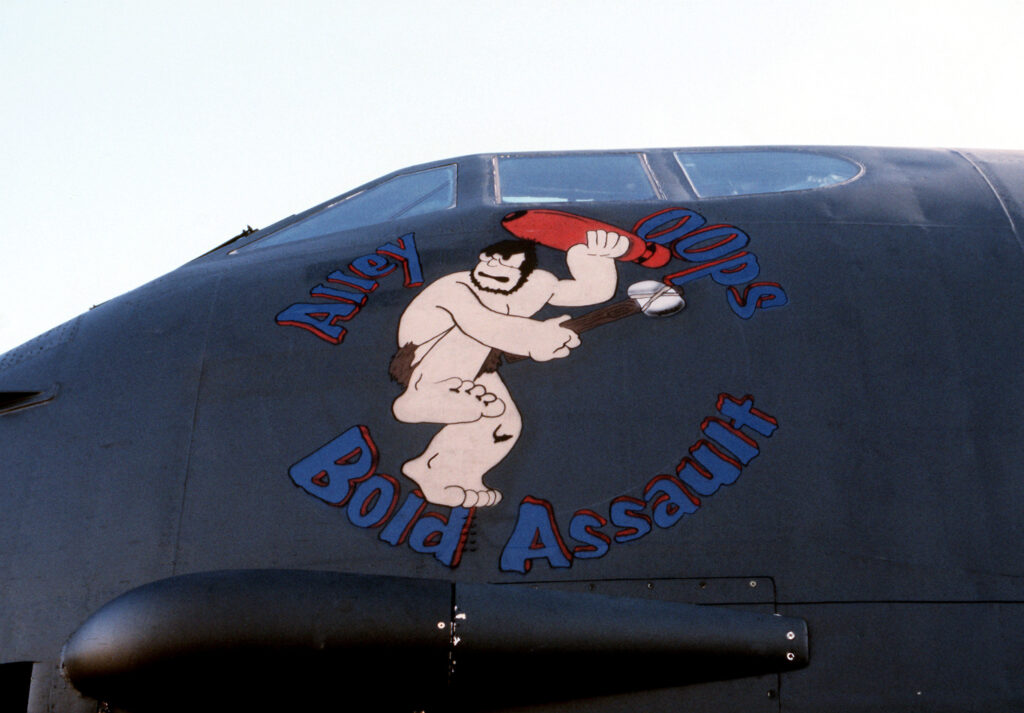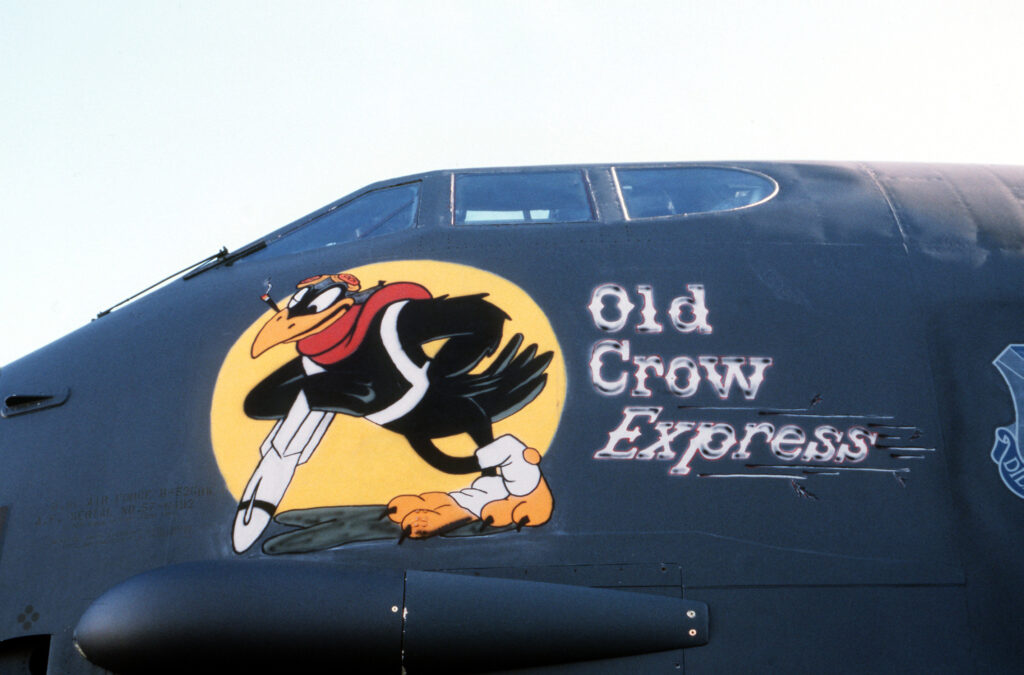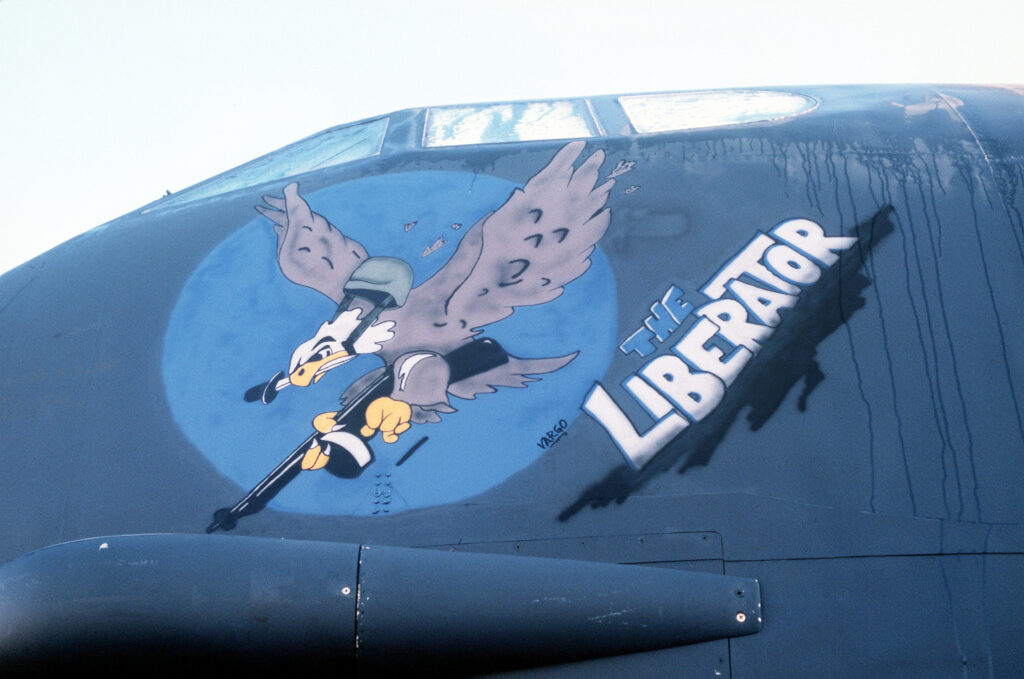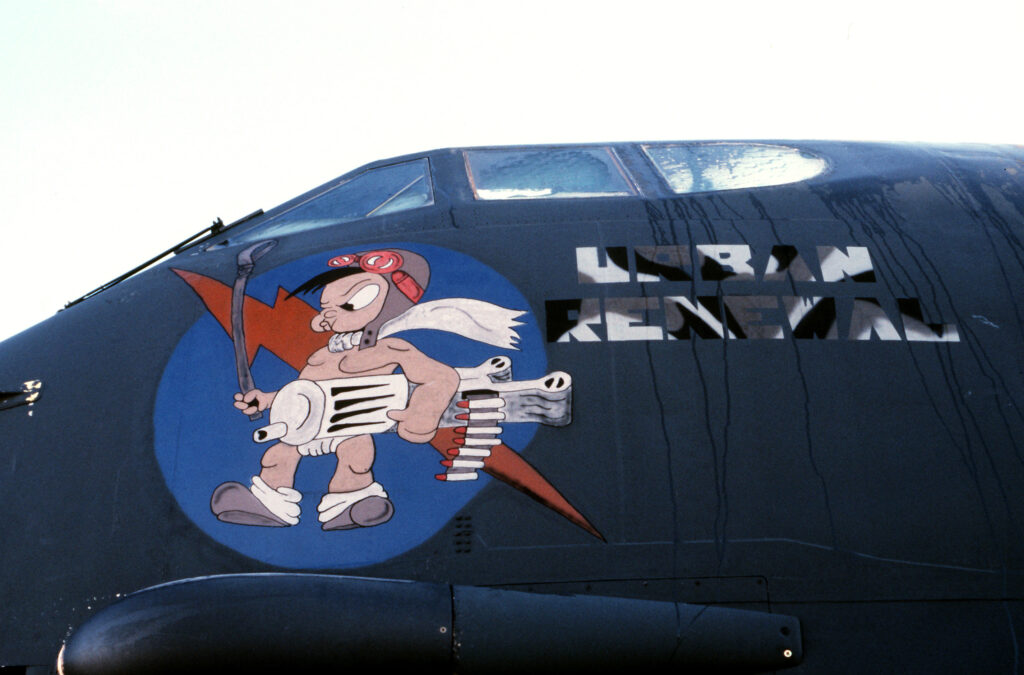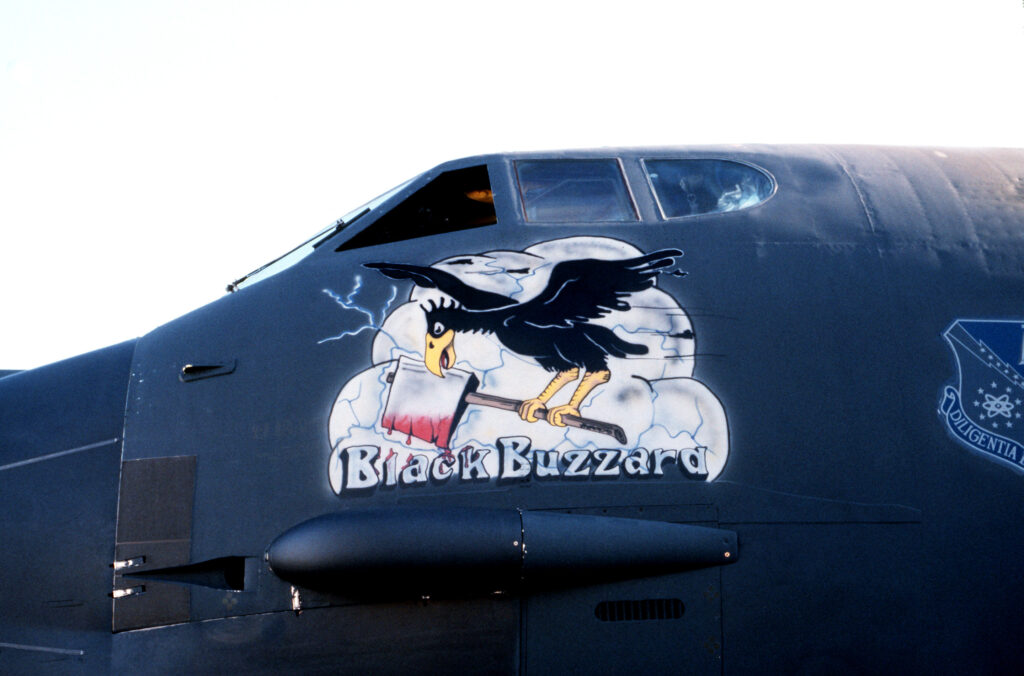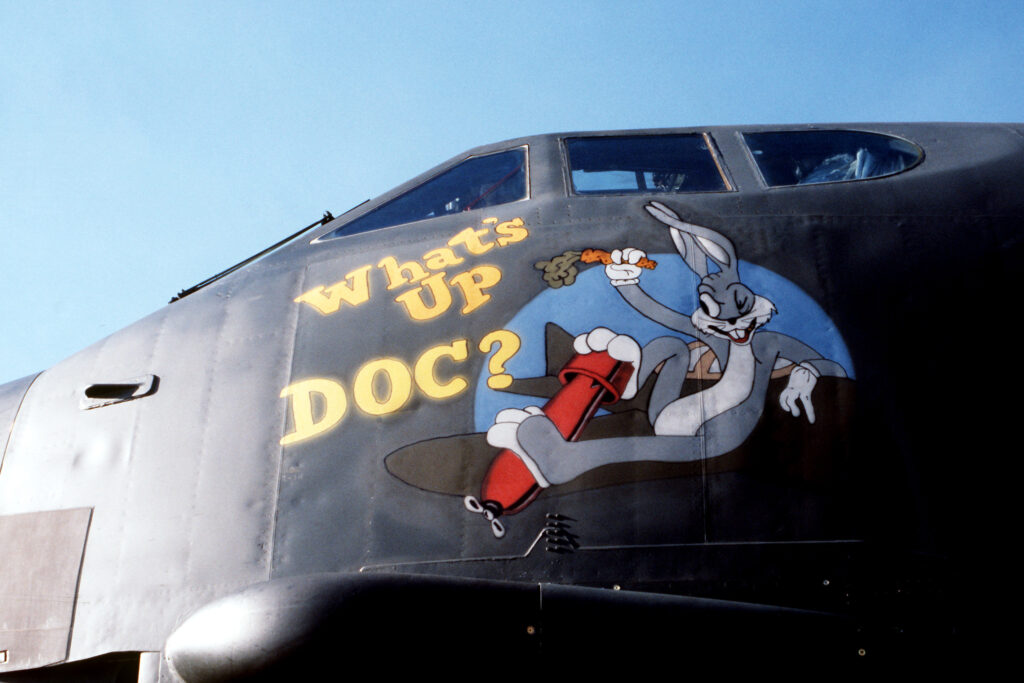
From the earliest days of powered flight, aviators have sought to leave a personal mark on their machines. Pilots and aircrews transformed otherwise utilitarian aircraft into reflections of identity and esprit de corps, adorning them with nicknames, emblems and hand-painted artwork.
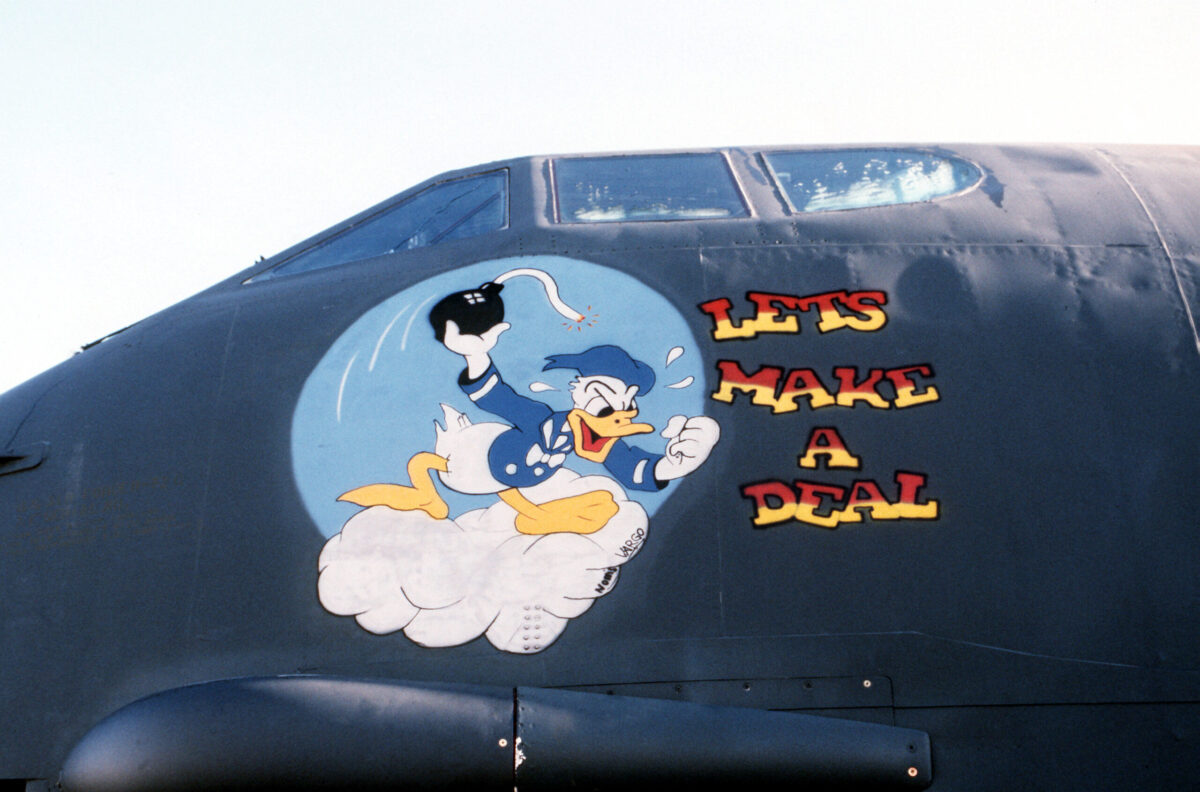
This tradition found its most iconic expression during the Second World War, when vivid “nose art” became a defining feature of many combat aircraft. Pin‑up figures, cartoon characters and references to popular culture turned aluminum fuselages into flying canvases, boosting morale and forging a powerful bond between crew and aircraft.
In the decades that followed, stricter military regulations gradually curtailed the practice. For a time, nose art faded from prominence. Yet by the 1980s, it began to re-emerge—sometimes as faithful tributes to World War II classics, and at other times as contemporary expressions inspired by the cartoons and cultural trends of a new generation of Airmen.
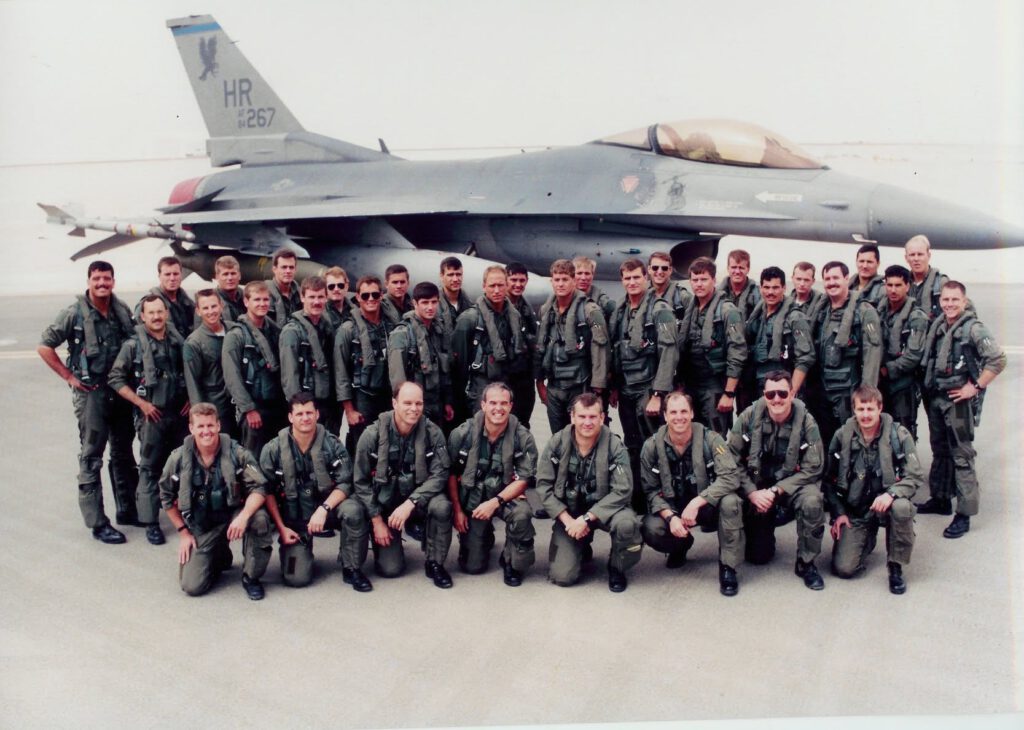
This revival gained global visibility during Operation Desert Storm in 1991, where aircraft once again carried distinctive nose art into combat, reconnecting modern airpower with its storied past.
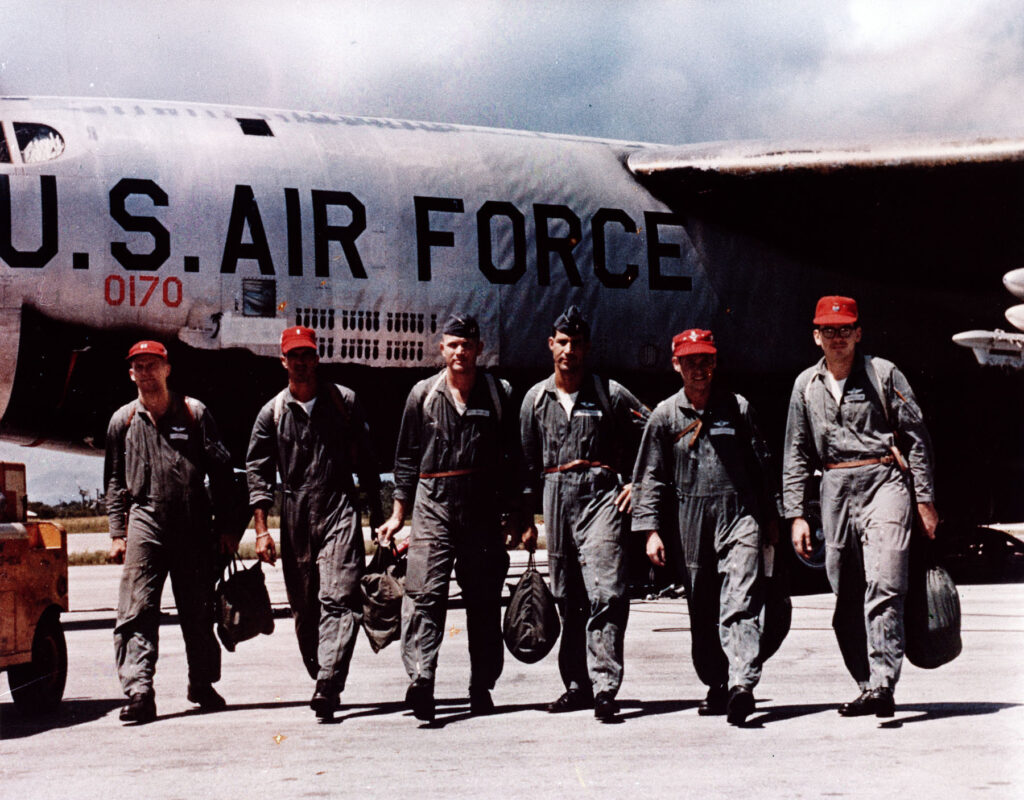
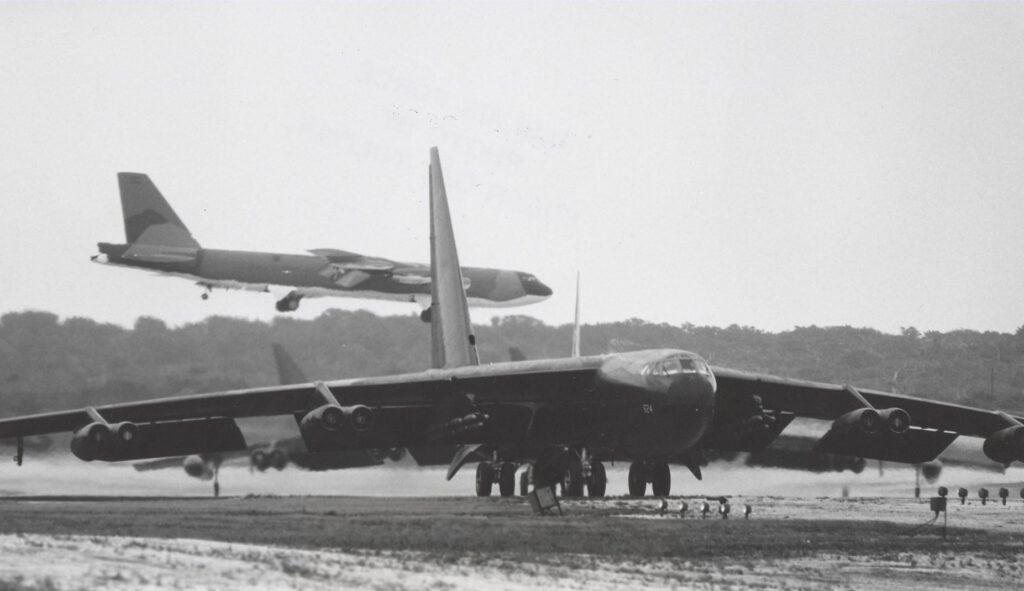
What follows is a tribute to that enduring tradition—an homage to the Boeing B-52 Stratofortress and the rich heritage of Strategic Air Command nose art that continues to symbolize pride, heritage and individuality in military aviation.