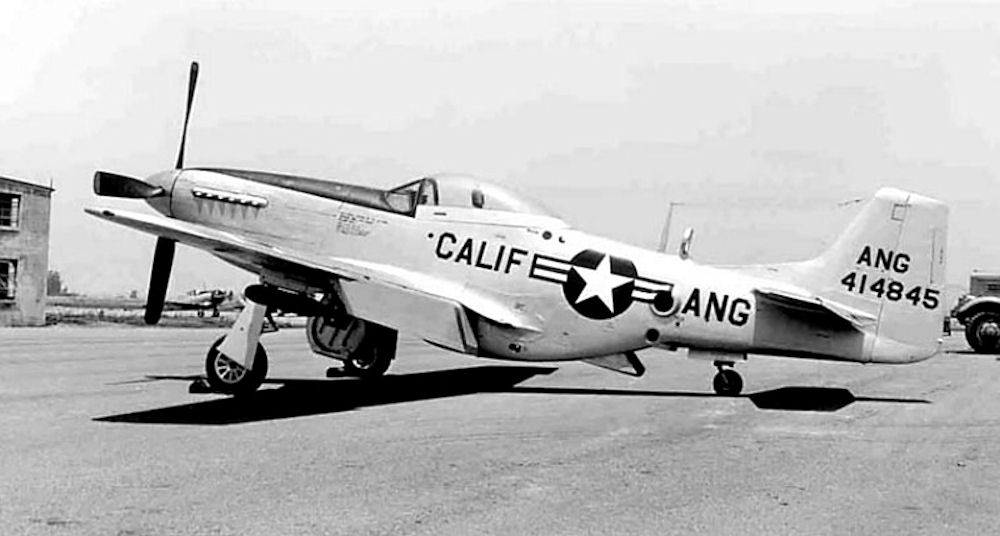
From Cold War Sentinels to Modern Guardians: The Evolution of the California Air National Guard
When World War II ended in 1945, America began the difficult transition from wartime mobilization to peacetime readiness. For California’s military aviation forces, however, the story was far from over. Out of the vast wartime air establishment emerged a new organization that would become a cornerstone of both national defense and state emergency response: the California Air National Guard (CA ANG).
A New Beginning in the Jet Age
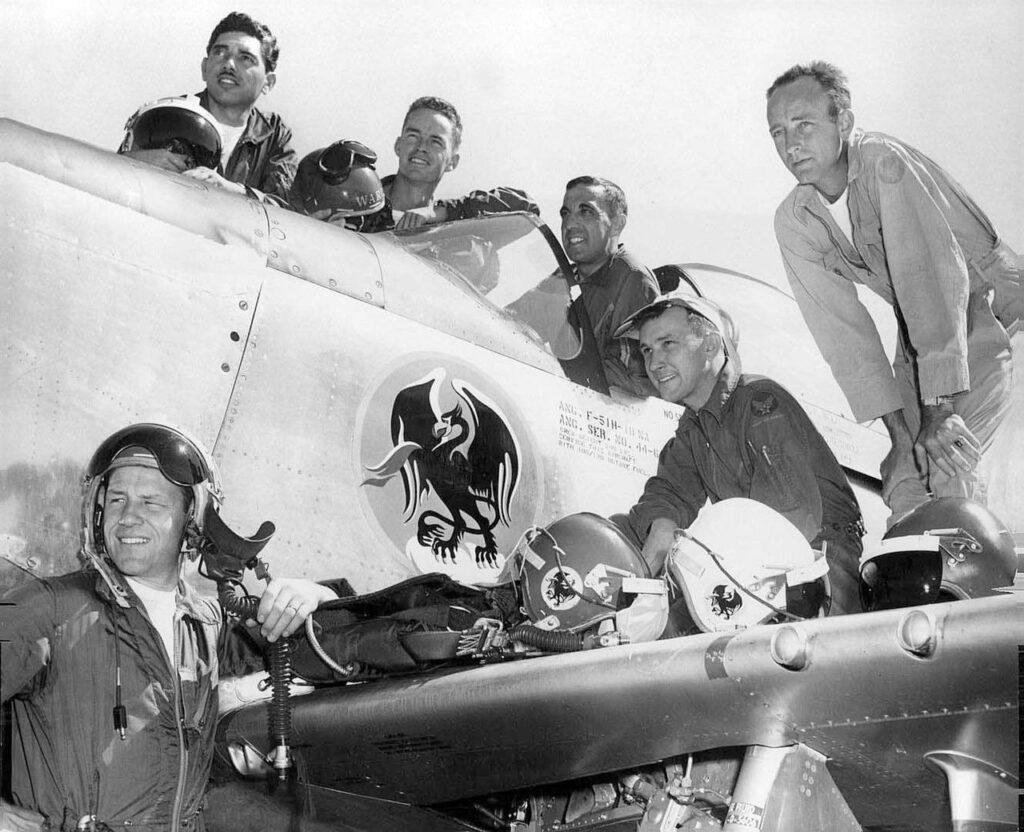
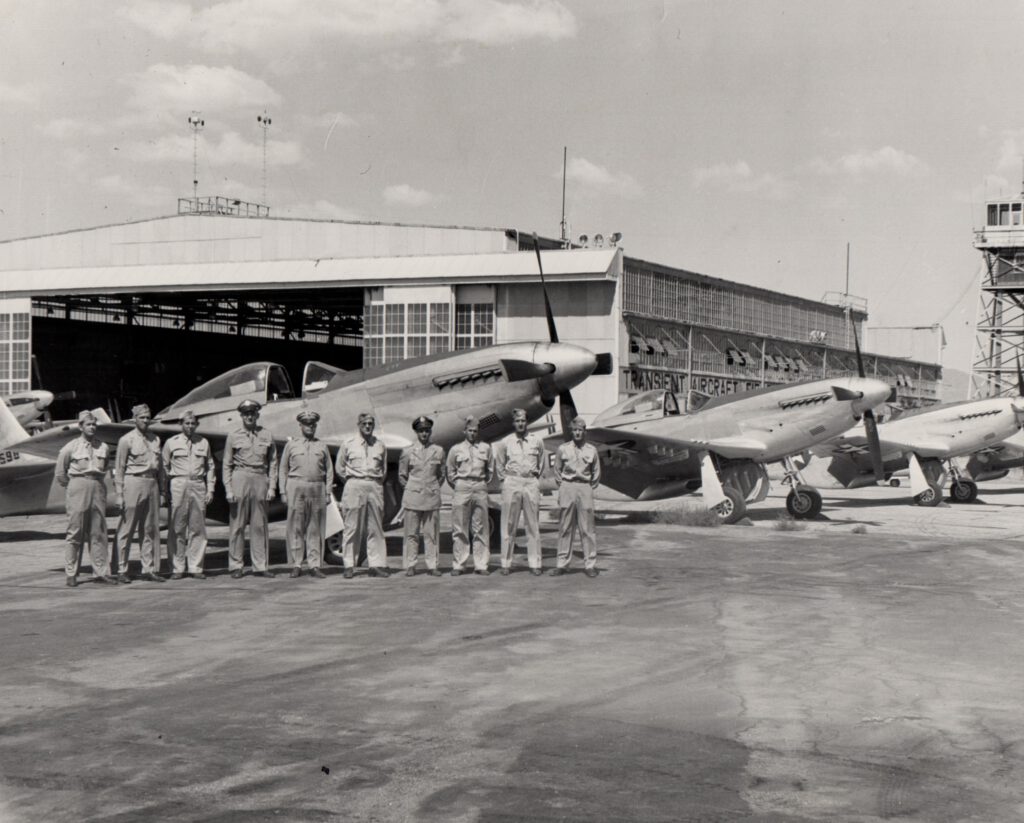
The years immediately following World War II brought sweeping changes to the American military. In 1947, the United States Air Force became an independent service, and the Air National Guard was reorganized as a reserve component of the new force. California received federal recognition for several flying units, many of which carried forward the traditions and combat experience of wartime organizations.
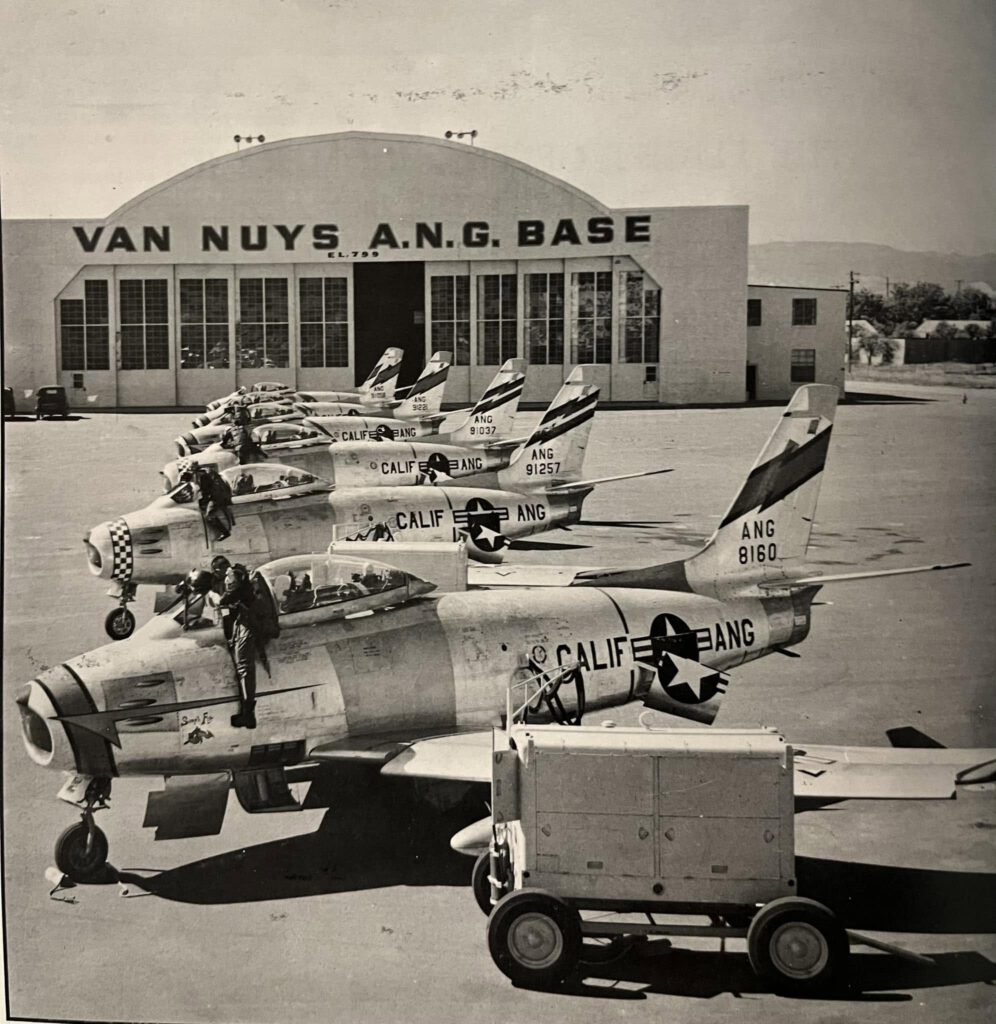
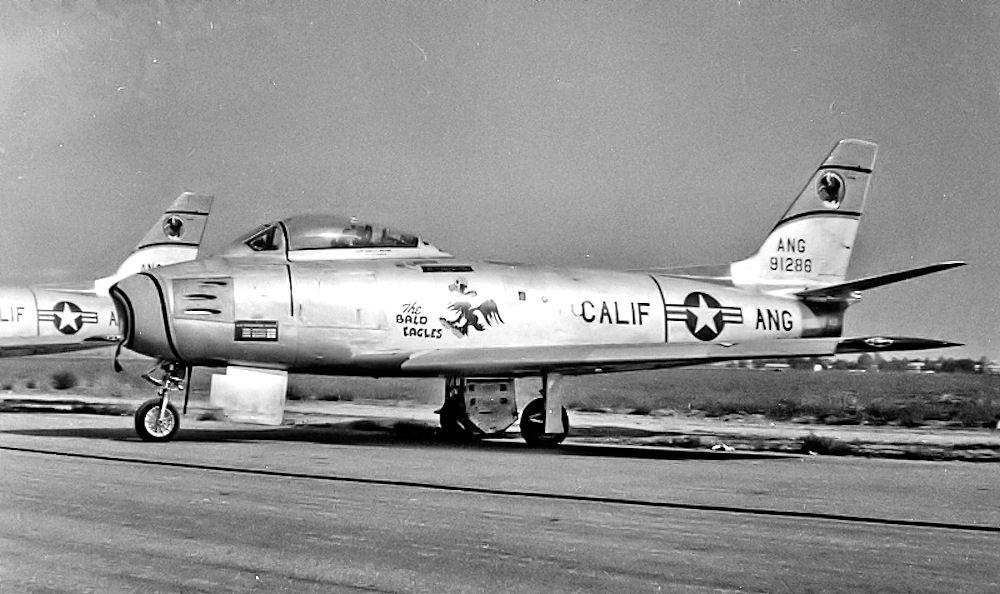
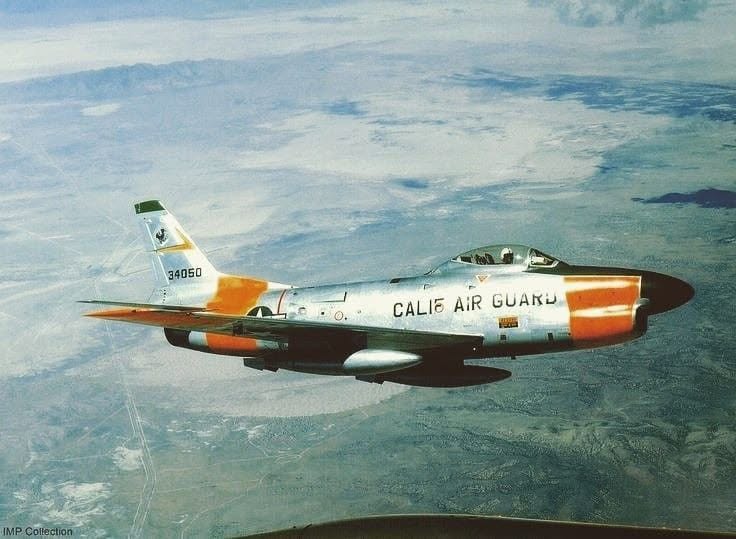
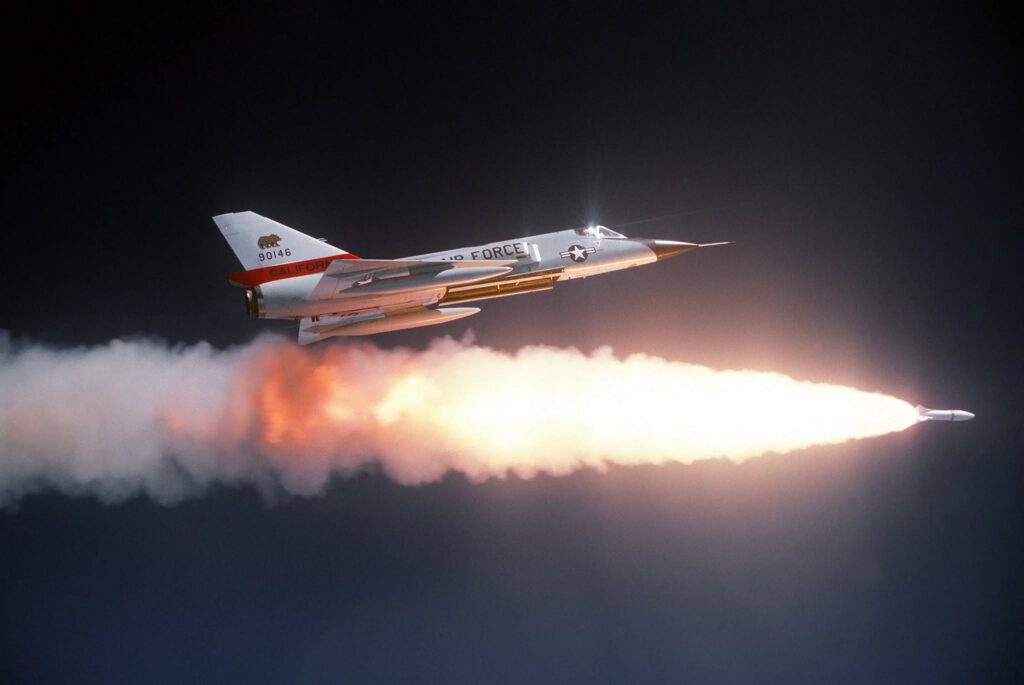
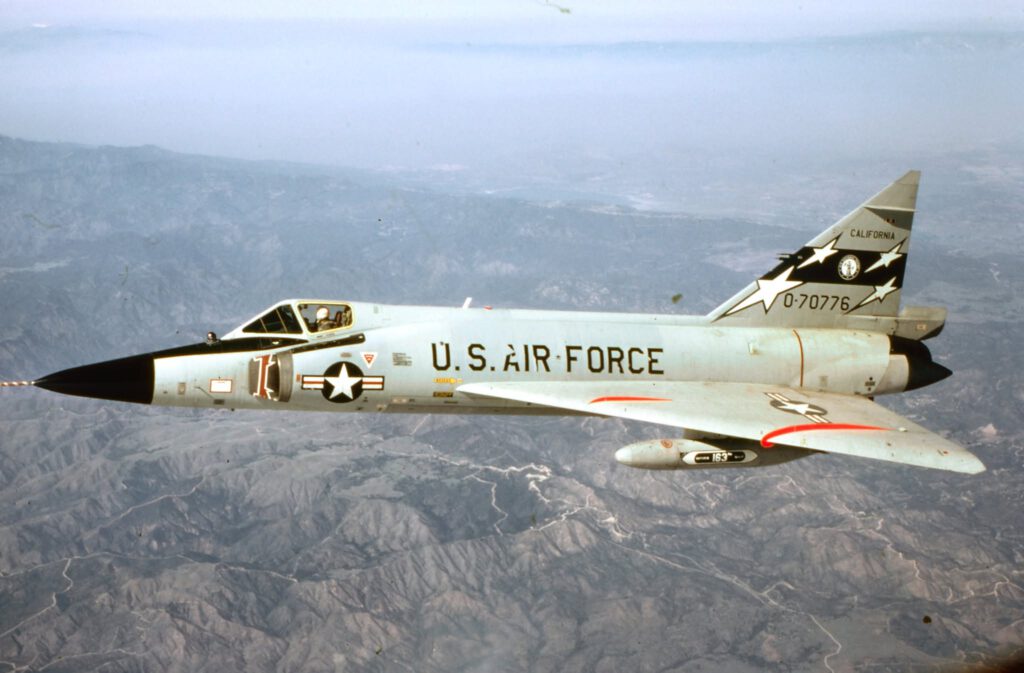
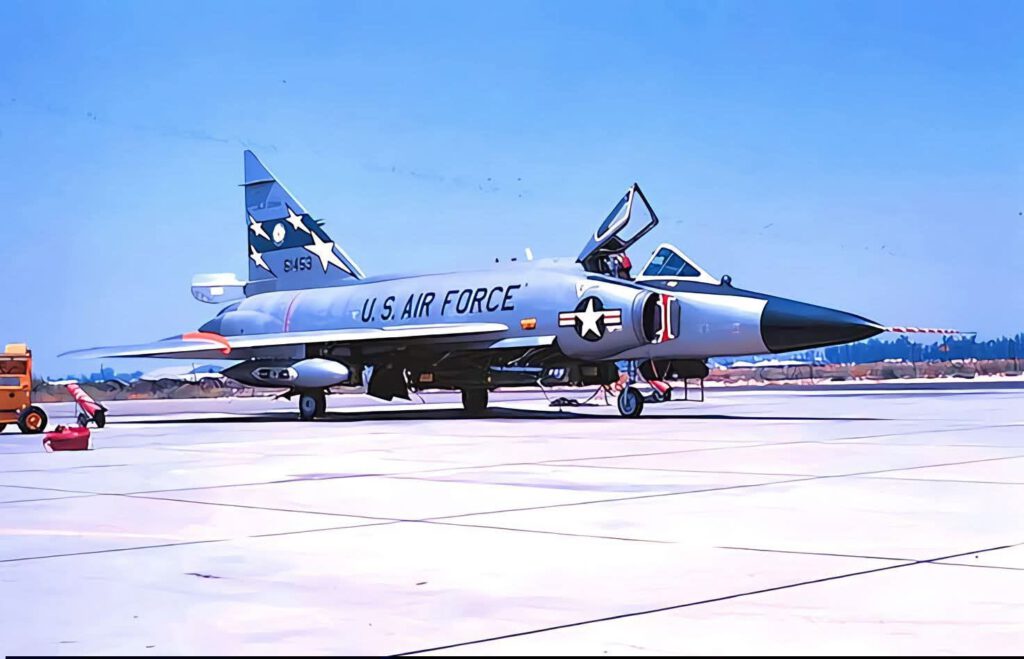
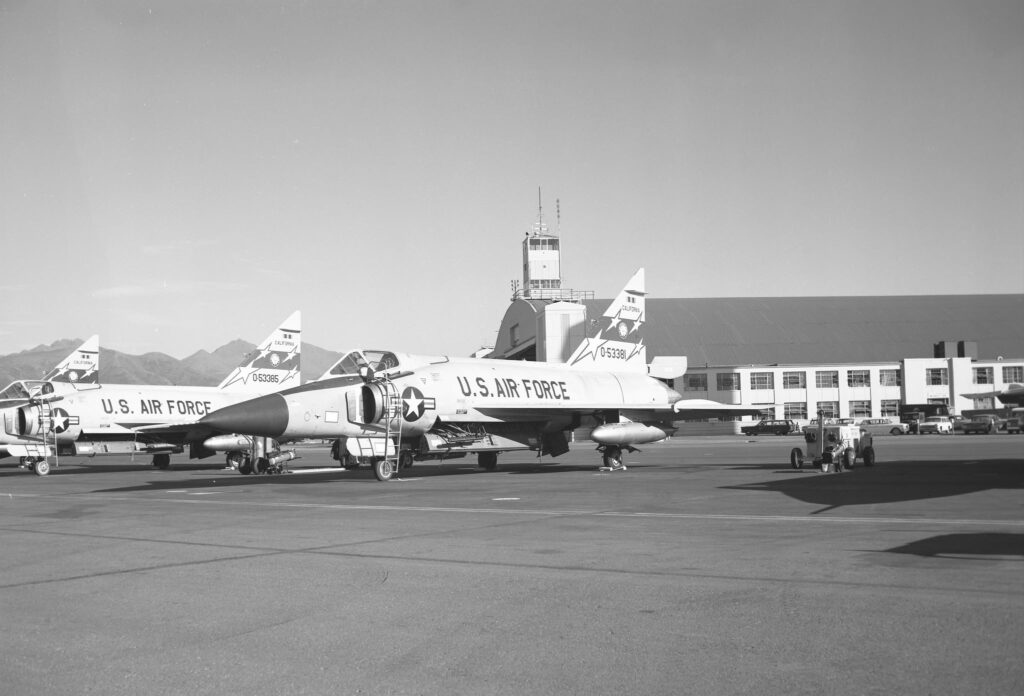
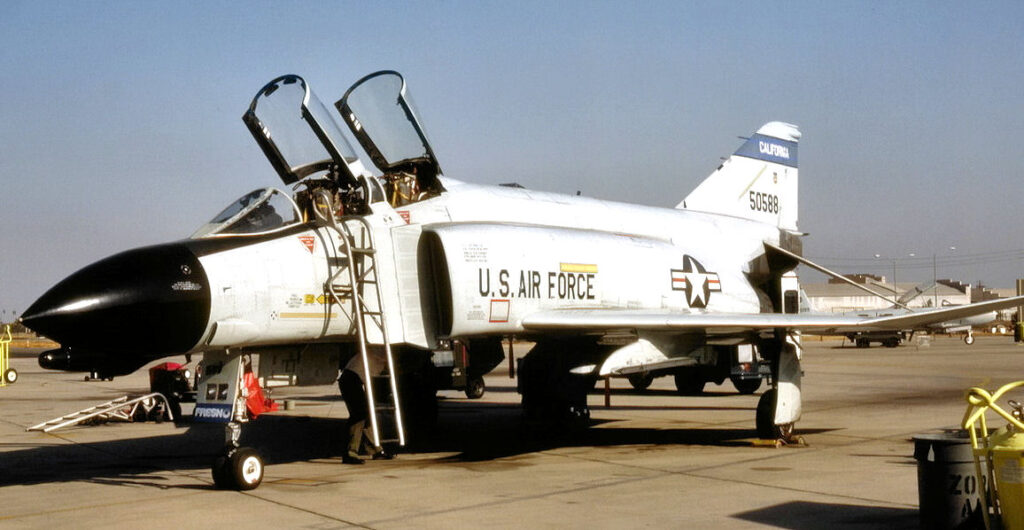
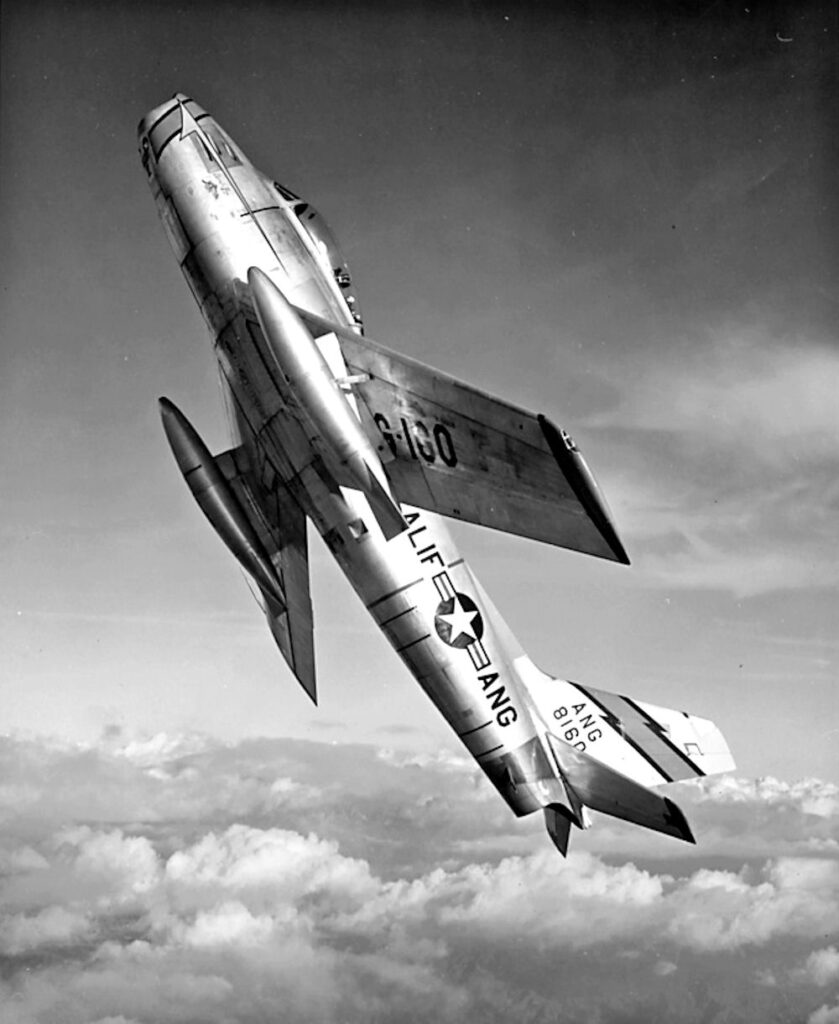
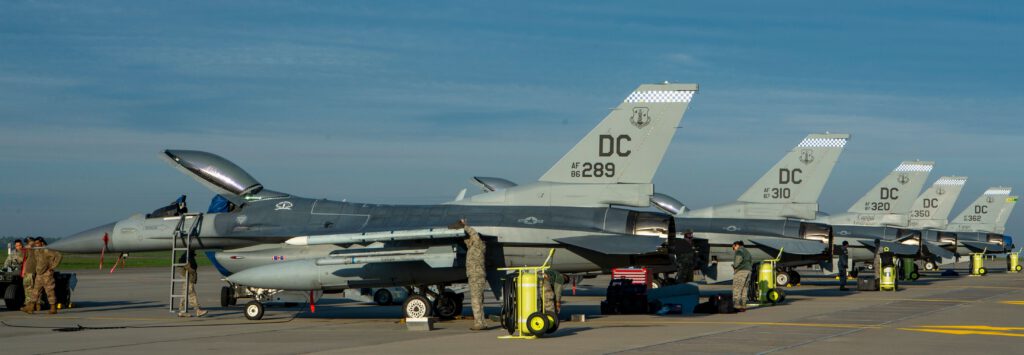
As the world entered the Cold War, the California Air National Guard found itself on the front lines of a new kind of conflict. No longer preparing for global war on distant battlefields, its mission became defending the American homeland against potential Soviet threats. Fighter squadrons equipped with increasingly sophisticated jet aircraft stood watch over the West Coast, forming a critical layer of the nation’s air defense network
Standing Guard Through the Cold War
Throughout the 1950s, 1960s, and 1970s, the California Air National Guard expanded in size, capability, and importance. What began as a reserve force evolved into an operationally significant component of America’s military strategy. Units trained alongside active-duty forces and maintained a high level of readiness, prepared to respond to both state and federal missions.
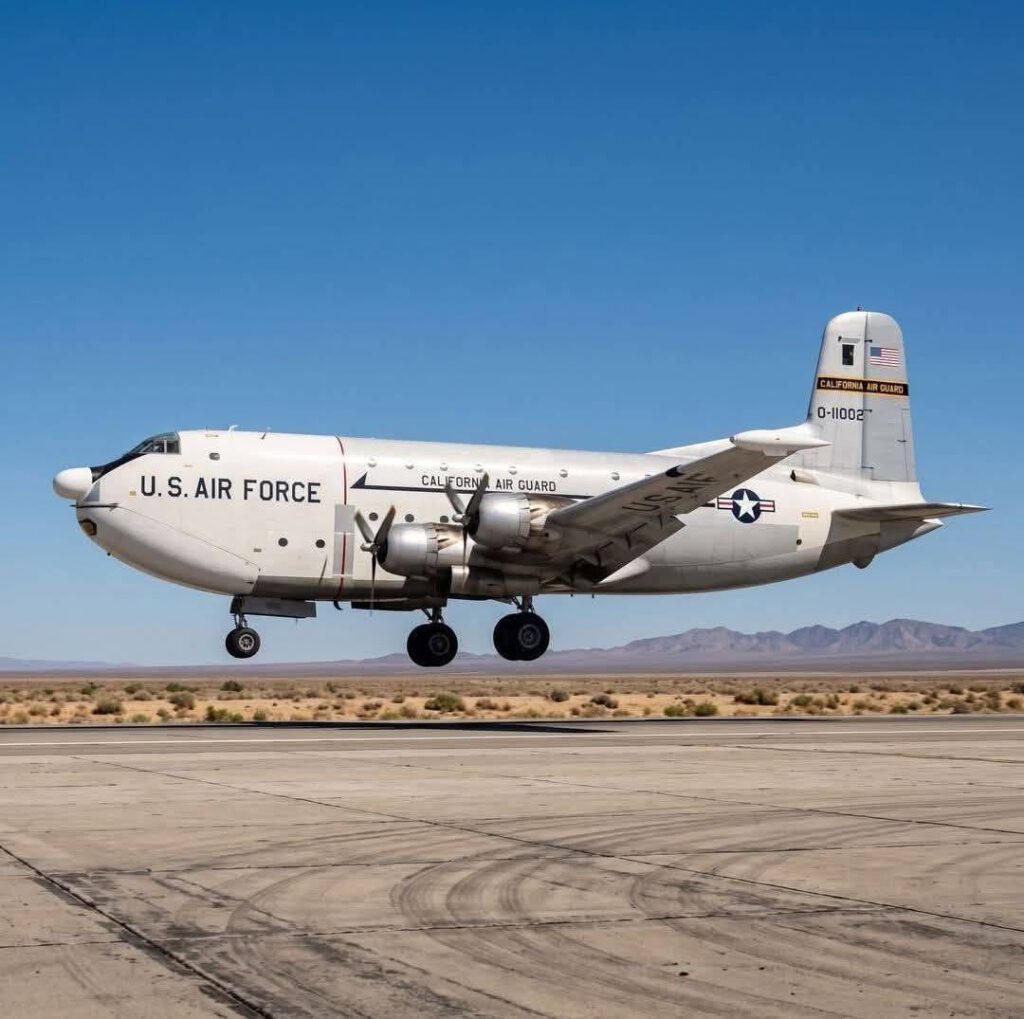
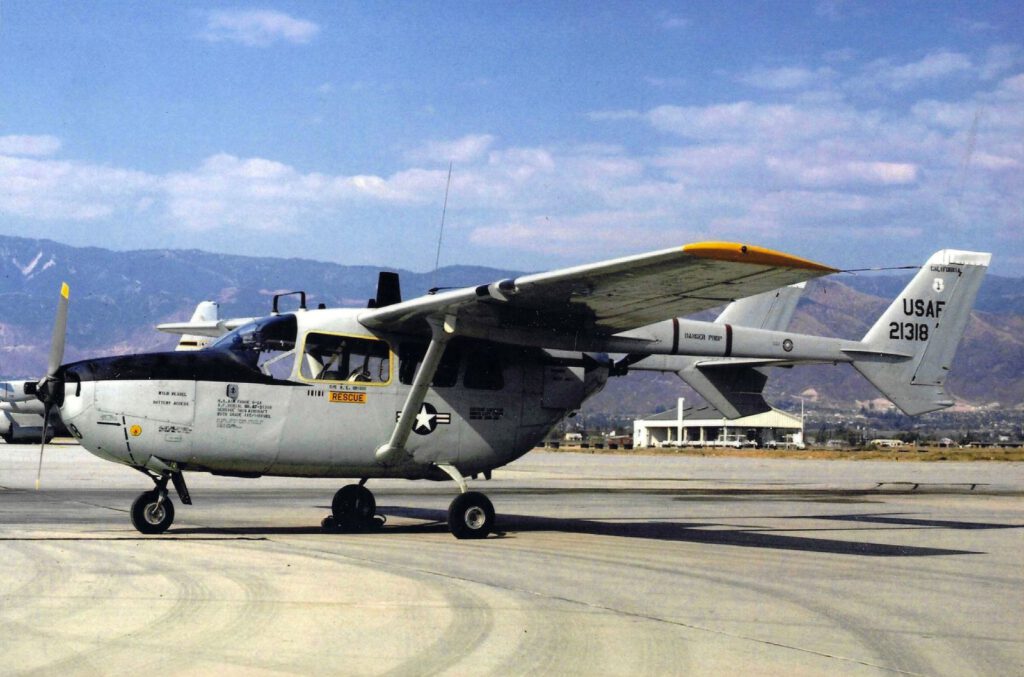
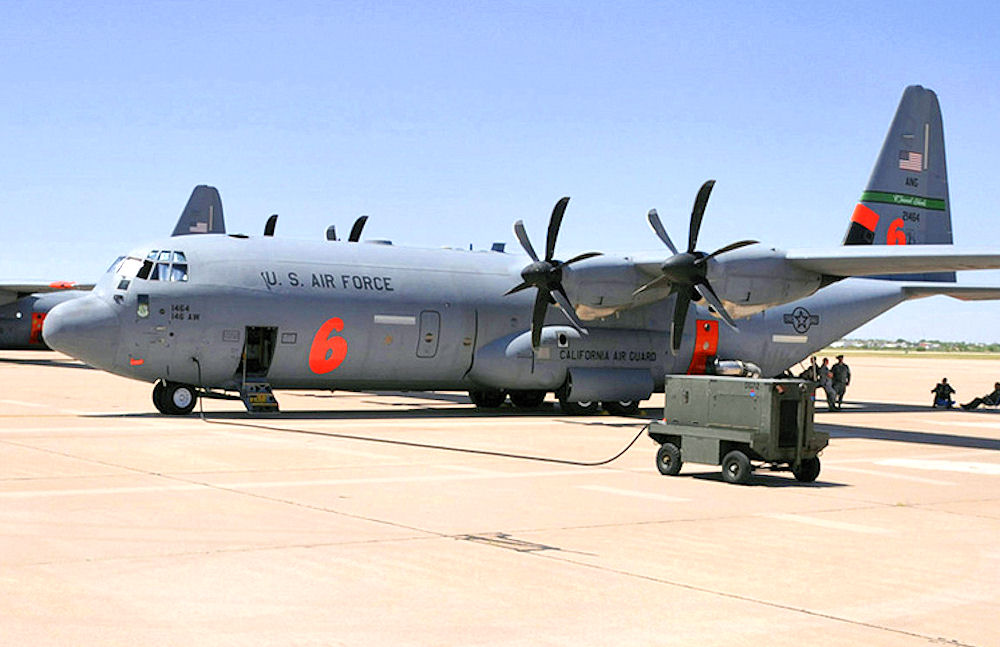
Several California-based units emerged as leaders in specialized mission areas. The 144th Fighter Wing in Fresno became synonymous with air defense, helping safeguard the skies over the western United States. The 146th Airlift Wing developed expertise in tactical airlift operations, while the 129th Rescue Wing at Moffett Field built a reputation as one of the nation’s premier combat search-and-rescue organizations.
Although Air National Guard mobilizations during the Vietnam era were more limited than in later conflicts, California’s citizen-airmen continued to contribute through training, logistics support, and modernization efforts that prepared the force for future challenges.
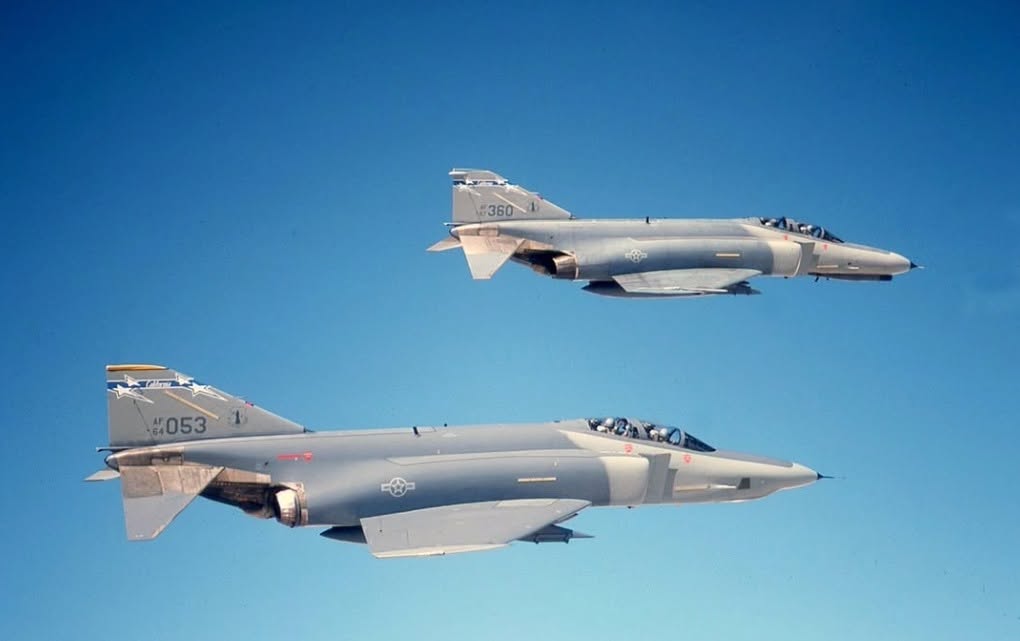
Beyond Air Defense
The end of the Cold War marked another turning point. As the Soviet threat receded, the California Air National Guard shifted from a primarily defensive posture to one focused on global operations. Air Guard units increasingly participated in overseas deployments, humanitarian missions, and peace-support operations around the world.
At the same time, Californians came to recognize another vital role for the Air Guard: disaster response. Whether assisting communities after earthquakes, supporting firefighting efforts during catastrophic wildfires, or aiding civil authorities during emergencies, Air Guard personnel became an indispensable resource for the state. Their ability to rapidly mobilize aircraft, personnel, and specialized equipment made them uniquely suited to responding when disaster struck.
Answering the Call After 9/11
The terrorist attacks of September 11, 2001, ushered in a new era of sustained operational demand. California Air National Guard units immediately assumed homeland defense responsibilities while also deploying overseas in support of operations in Afghanistan, Iraq, and other theaters. Thousands of California Guardsmen served in combat, intelligence, surveillance, logistics, and rescue missions during the Global War on Terror.
One of the most notable developments of this period was the rise of unmanned aerial systems. The 163rd Attack Wing became a leader in remotely piloted aircraft operations, employing MQ-1 Predator and later MQ-9 Reaper platforms to provide intelligence and reconnaissance capabilities for military commanders around the world.
Always Ready, Always There
Today, the California Air National Guard is one of the largest and most capable Air National Guard organizations in the United States. More than 4,500 airmen serve in wings strategically located throughout the state, supporting missions that range from homeland air defense and cyber operations to combat search and rescue, humanitarian airlift, and wildfire response.
Its dual mission remains unique. When federally activated, the California Air National Guard serves as a vital reserve component of the United States Air Force. Under state authority, it stands ready to assist the Governor of California during emergencies, protecting communities and saving lives when natural disasters or crises occur.
From Cold War interceptor pilots watching the Pacific horizon to modern rescue crews, cyber specialists, and drone operators, the California Air National Guard has continuously adapted to meet the nation’s changing needs. More than eight decades after its origins, the organization’s guiding principle remains unchanged: a citizen force prepared to serve whenever and wherever duty calls
California Air National Guard Photos