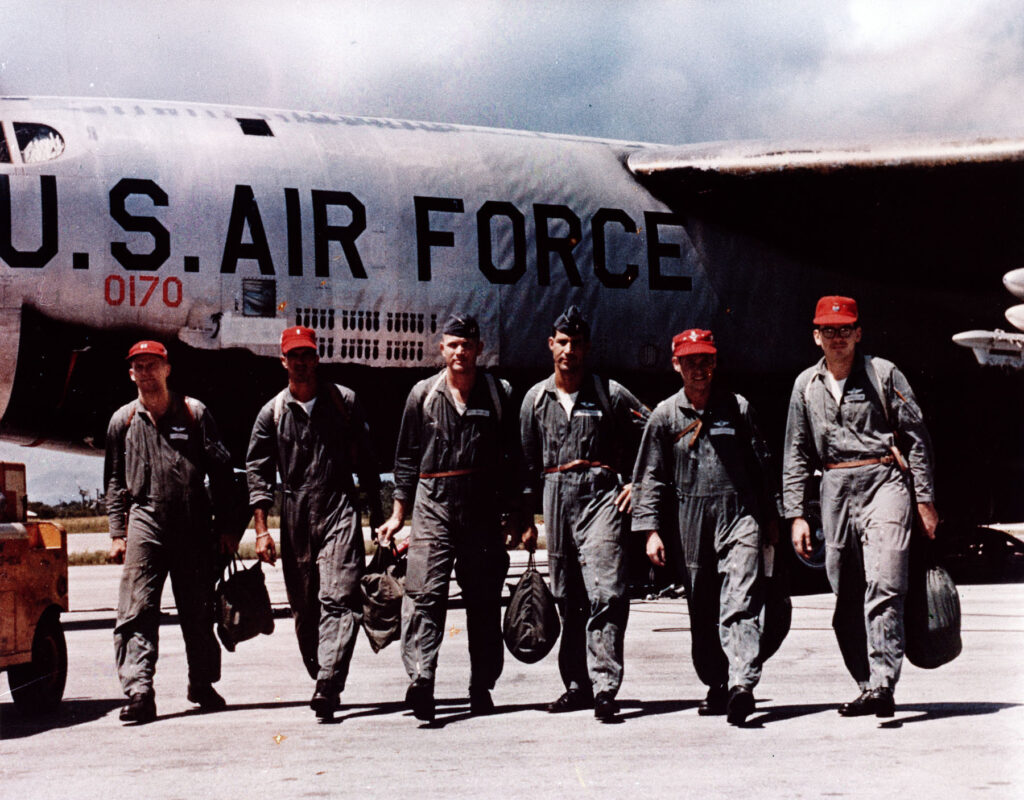
On the afternoon of 11 August 1967, one of the most heavily defended targets in North Vietnam finally came under a major U.S. Air Force attack. The target was the Paul Doumer Bridge in Hanoi, known today as the Long Bien Bridge, a vital rail and highway link spanning the Red River. For years, the bridge had been a symbol of North Vietnam’s logistical network and one of the most dangerous objectives in the air war.
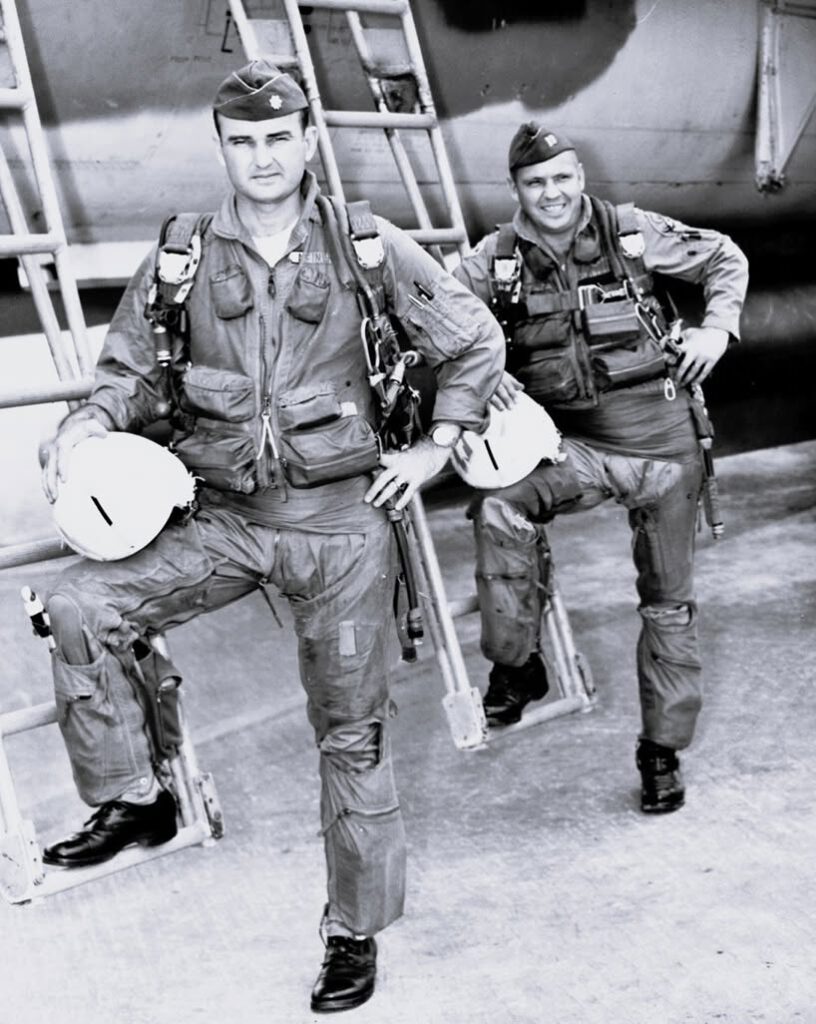
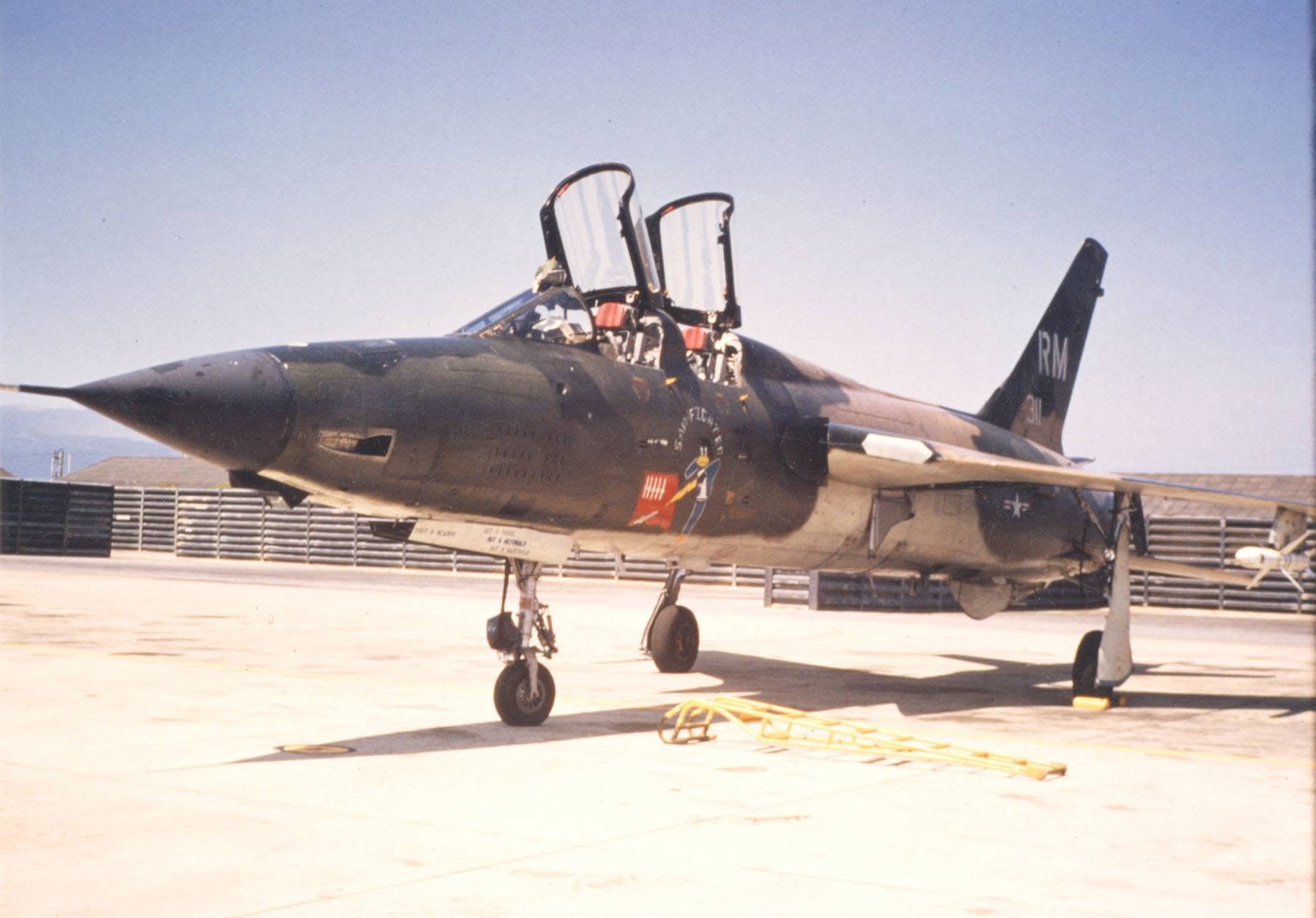
Leading a critical part of the strike package were Lt. Col. James E. McInerney Jr. and his Electronic Warfare Officer, Capt. Fred W. Shannon, flying an F-105F Thunderchief in the Wild Weasel role. Their mission was not to destroy the bridge itself. Instead, they were tasked with something arguably more dangerous: suppressing the dense network of surface-to-air missile (SAM) sites protecting Hanoi so that the strike force could reach the target.
The Most Heavily Defended Target in North Vietnam
By 1967, the Doumer Bridge had become one of the most coveted and feared targets of Operation Rolling Thunder. More than a mile long and carrying thousands of tons of military supplies each day, it represented a key transportation artery connecting Hanoi with Haiphong and routes leading to China. The bridge was surrounded by layers of defenses that included anti-aircraft artillery, SA-2 Guideline missile batteries, radar installations, and MiG fighter bases nearby.
Aircrews knew that attacking the bridge meant flying directly into what many considered the most dangerous airspace in the world. Previous restrictions had kept the target largely off-limits, but when authorization finally arrived on the morning of 11 August, Air Force units in Thailand had only hours to prepare one of the largest and most complex strike missions of the war.
Wild Weasels Lead the Way
The survival of the strike force depended on the Wild Weasels.
Flying modified F-105Fs equipped to detect, locate, and attack enemy radar and missile systems, Wild Weasel crews deliberately sought out threats that other pilots tried to avoid. Their unofficial motto, “First In, Last Out,” reflected the reality of their missions. Before bomb-carrying aircraft could attack the bridge, the missile sites had to be suppressed.
Lt. Col. McInerney, commander of the 13th Tactical Fighter Squadron at Korat Royal Thai Air Force Base, led the flak suppression flight. Sitting behind him, Capt. Shannon managed the complex electronic warfare systems that allowed the crew to identify hostile radar emissions and guide attacks against missile batteries.
As the formation approached Hanoi, the North Vietnamese air defense network came alive.
Into the Missile Envelope
The mission unfolded exactly as planners had feared. Enemy SAM sites began tracking the incoming aircraft, while anti-aircraft guns filled the sky with exploding shells. According to official Air Force accounts, McInerney and Shannon faced repeated missile threats while maneuvering aggressively to suppress enemy defenses.
During the engagement, McInerney led his flight against six active SAM sites. Despite intense fire and multiple missile launches directed at his formation, he pressed the attack, personally helping destroy two missile sites and forcing the remaining batteries into only sporadic operation. Shannon’s electronic warfare expertise was critical in locating and monitoring the missile radars, enabling the flight to counter the enemy’s defenses in real time.
The results were decisive. The suppression effort enabled the strike force to reach the Doumer Bridge and inflict substantial damage while avoiding losses from the missile threat. In the highly contested airspace around Hanoi, that outcome was remarkable.
Recognition for Extraordinary Heroism
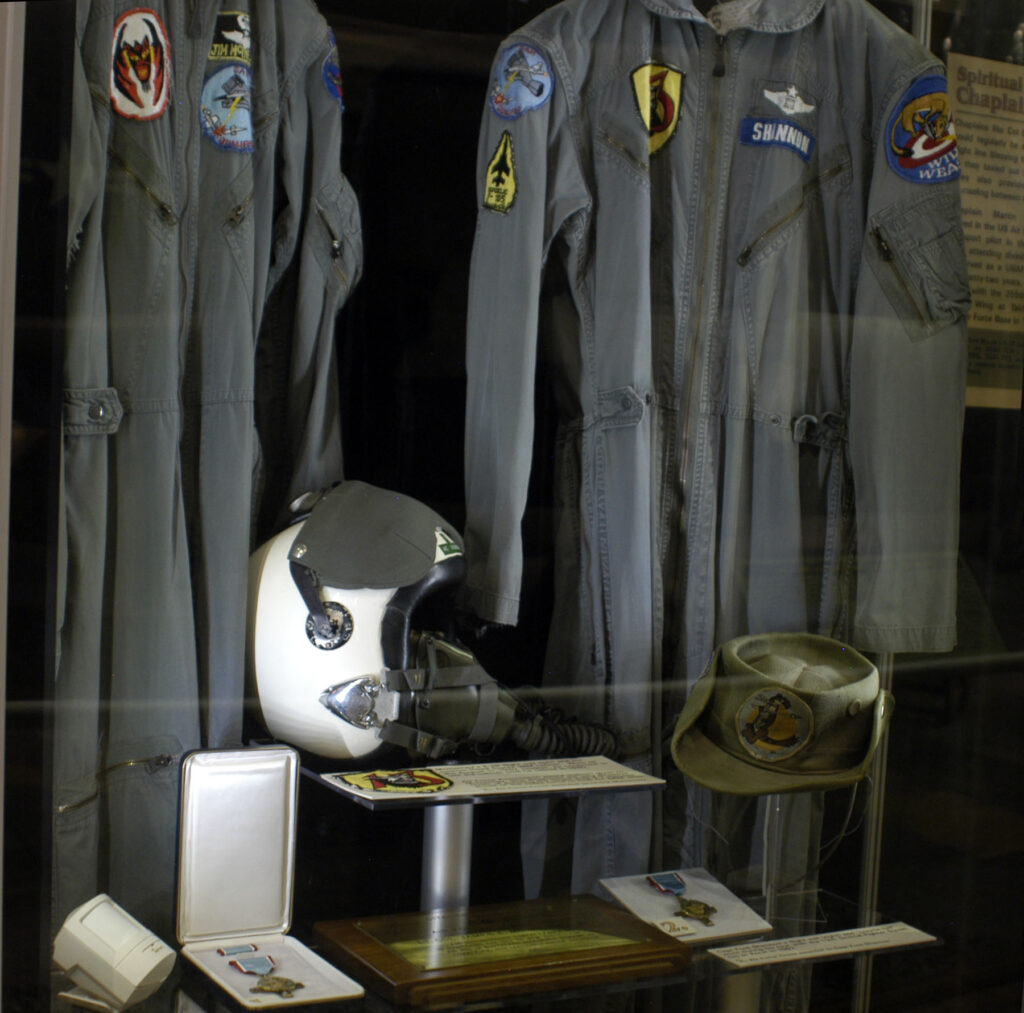
For their actions that day, both men received the Air Force Cross, the United States Air Force’s second-highest decoration for valor. The citation for Lt. Col. McInerney praised his leadership, courage, and determination in the face of overwhelming defenses. Capt. Shannon was likewise recognized for extraordinary heroism and his crucial role in defeating enemy missile systems during the attack.
Their achievement highlighted the evolving importance of electronic warfare in modern air combat. The Wild Weasel mission transformed the relationship between aircraft and air defenses, forcing missile operators into a deadly contest of detection, deception, and survival. McInerney and Shannon stood at the forefront of that revolution.
Legacy of the Doumer Bridge Strike
The attack on the Doumer Bridge remains one of the most significant air operations of the Vietnam War. Although the bridge would require additional attacks in later years and was ultimately brought down through improved precision-guided weapons in 1972, the 1967 strike demonstrated the effectiveness of coordinated suppression of enemy air defenses and underscored the extraordinary risks undertaken by Wild Weasel crews.
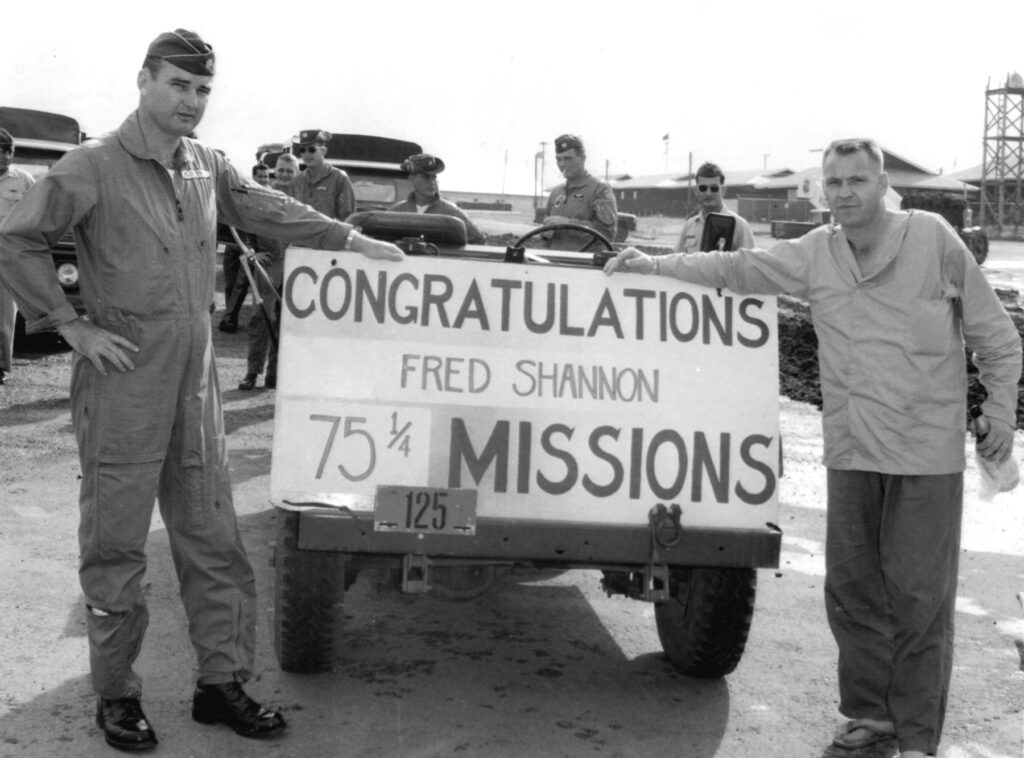
More than half a century later, the story of Lt. Col. James McInerney and Capt. Fred Shannon remains a testament to professional skill, teamwork, and courage under fire. Their mission over Hanoi exemplified a fundamental truth of air warfare: success often depends not only on those who strike the target, but also on those who clear the path ahead.
In the skies above the Red River on that August afternoon, McInerney and Shannon did exactly that, earning a place among the most distinguished combat aviators of the Vietnam War.