The 10th Tactical Fighter Squadron: Guardians of the Central Front
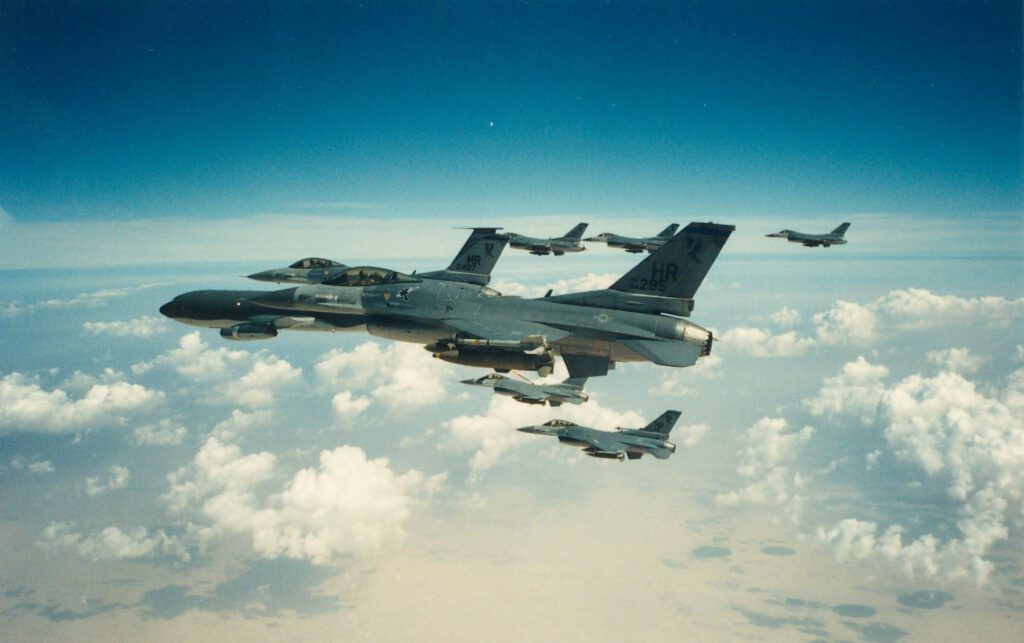
By the early 1980s, the 10th Tactical Fighter Squadron stood at the forefront of NATO’s air power in Europe. Stationed at Hahn Air Base in West Germany, the squadron transitioned into the modern F-16 Fighting Falcon era and played a crucial role during the final decade of the Cold War before concluding nearly four decades of European operations.
A New Era Begins
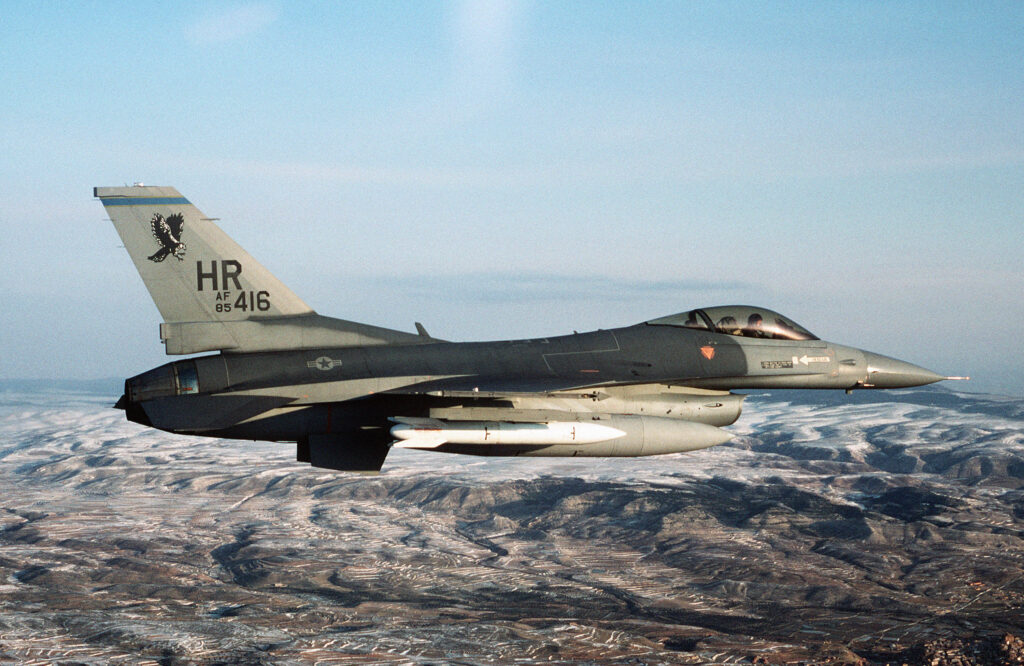
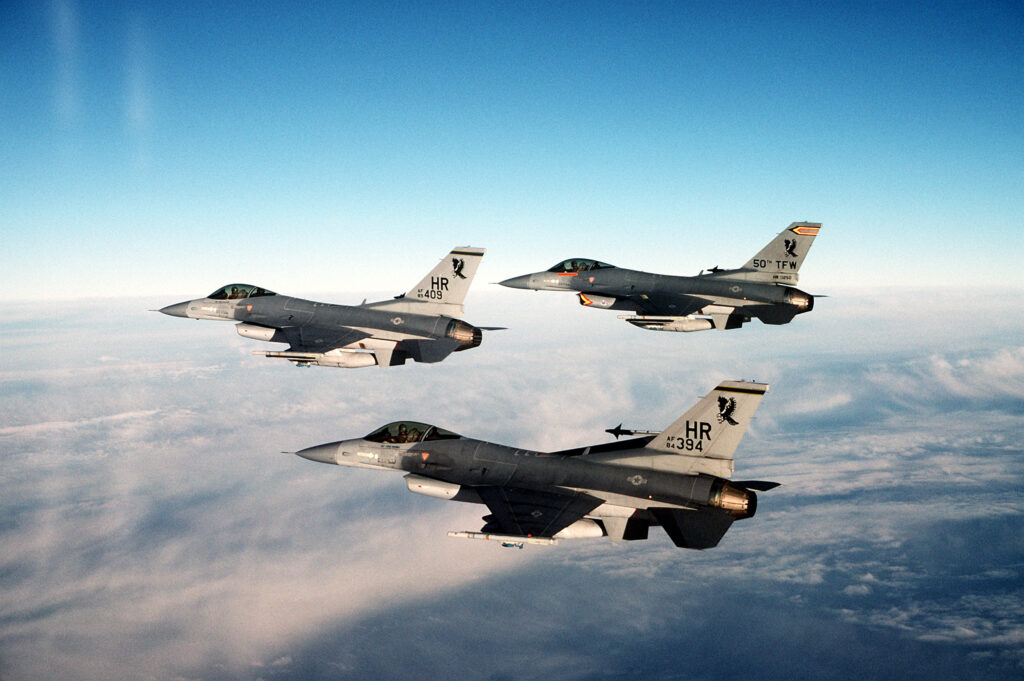
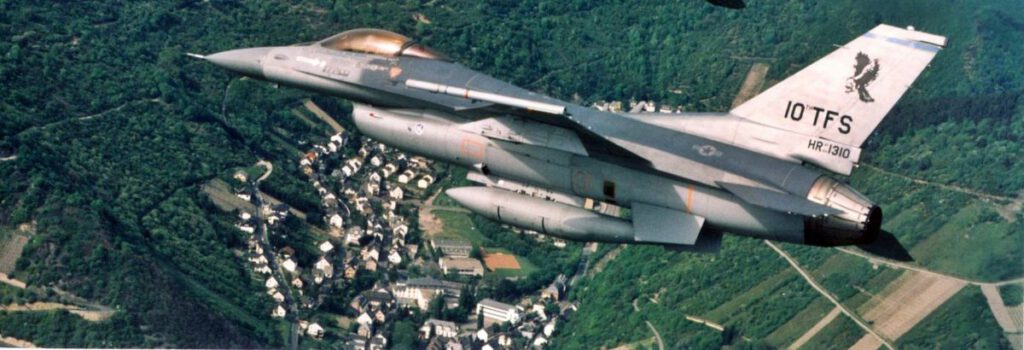
As the United States Air Force modernized its tactical fighter force in Europe, the 10th Tactical Fighter Squadron (TFS), part of the 50th Tactical Fighter Wing at Hahn Air Base, was selected to receive the revolutionary General Dynamics F-16 Fighting Falcon. The transition represented a major leap forward in capability for the squadron.
Fortunately, the learning curve was eased by the presence of its sister unit, the 313th Tactical Fighter Squadron, which had already begun operating the F-16. Ground crews from the 10th TFS were able to familiarize themselves with the aircraft, maintenance procedures, and support requirements through close cooperation with their counterparts.
Hahn Air Base was chosen as a key F-16 operating location because of its strategic position in the heart of West Germany, directly facing the Warsaw Pact threat. As a frontline NATO installation, it was ideally situated to project air power across Central Europe.
Waiting for the Right Falcon
Although the F-16 was entering service across the USAF, the 10th TFS did not immediately receive the first production versions. Because the squadron’s mission included significant air-to-ground responsibilities, USAF planners elected to wait for the more capable Block 15 variant.
The Block 15 introduced enhancements specifically suited to the squadron’s operational requirements, including improved mission systems and the integration of the tactical nuclear strike capability. This made the aircraft a perfect fit for the demanding mission set assigned to the unit.
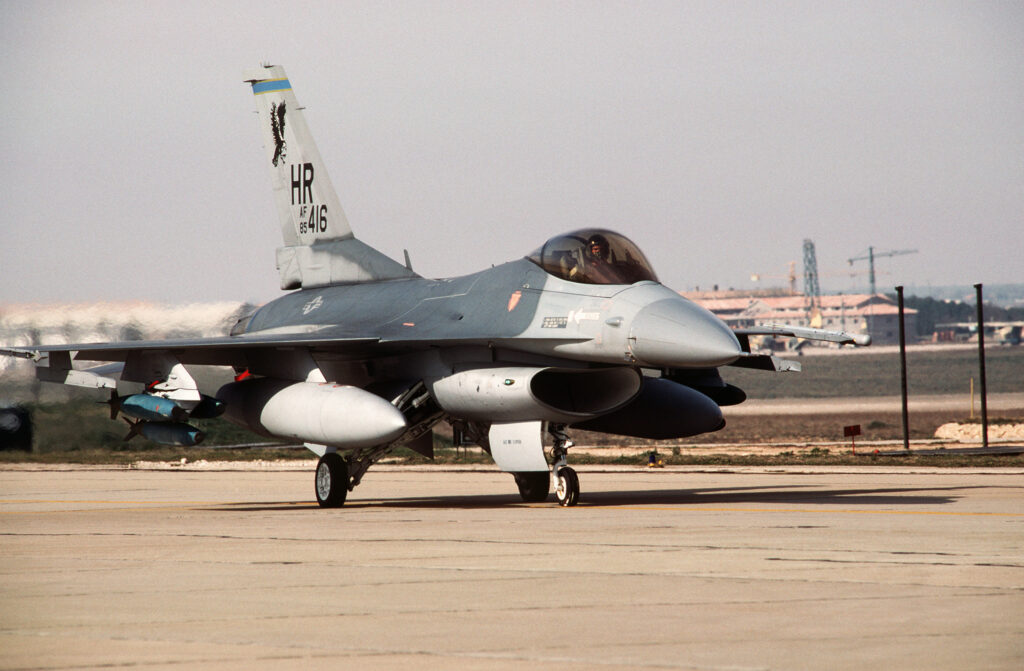
The first F-16s began arriving during the summer of 1982, after the 313th TFS had received its complete complement of aircraft. Deliveries continued until mid-1983, when the squadron possessed its full allocation of Fighting Falcons. Following extensive training and evaluation, the 10th Tactical Fighter Squadron achieved full operational status in October 1983.
Training for War
Operating from Hahn presented unique challenges. The weather in western Germany was often unfavorable, particularly during the winter months, limiting opportunities for realistic tactical training.
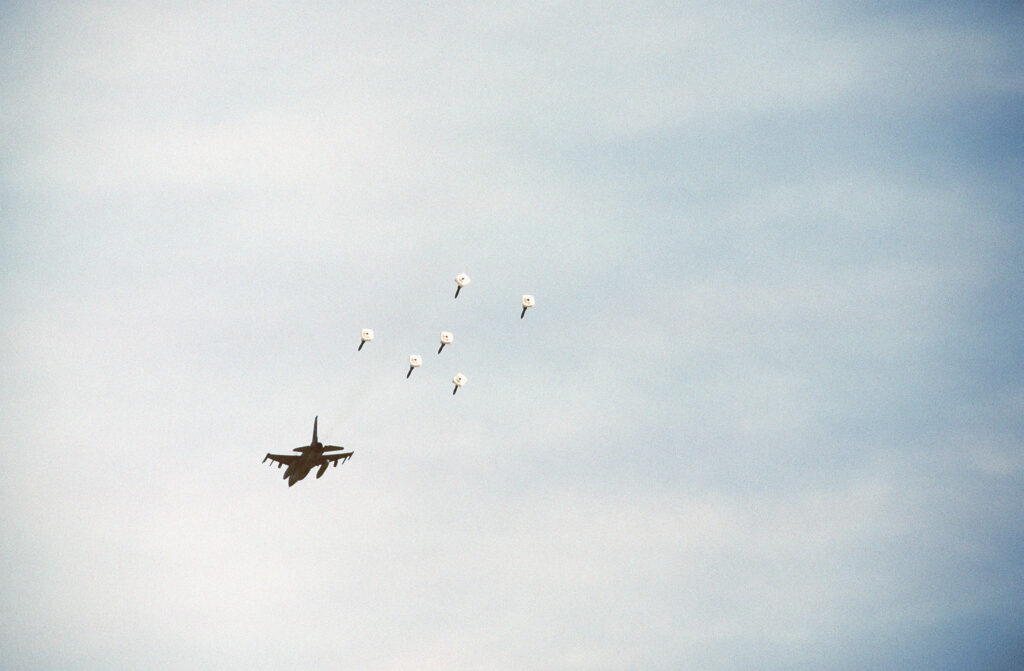
To maintain combat readiness, the squadron regularly deployed to Zaragoza Air Base in Spain. The nearby Bardenas Reales training range offered an ideal environment for live weapons employment, tactical maneuvering, and realistic combat exercises. Here, pilots honed the skills they would require in the event of conflict with Warsaw Pact forces.
The Spanish deployments became an essential part of the squadron’s training cycle, allowing aircrews to maximize the capabilities of the F-16 in conditions unavailable at their home station.
Defending NATO’s Front Line
The mission assigned to the 10th TFS was both complex and demanding. Its primary responsibility was air defense within the critical U.S. sector of West Germany. In the event of a Soviet attack, squadron pilots would have been among the first NATO aviators committed to combat.
However, air defense formed only one part of the mission. As a component of a Tactical Fighter Wing, the squadron also maintained an advanced conventional air-to-ground capability. Pilots trained extensively in close air support, battlefield interdiction, and deep strike operations.
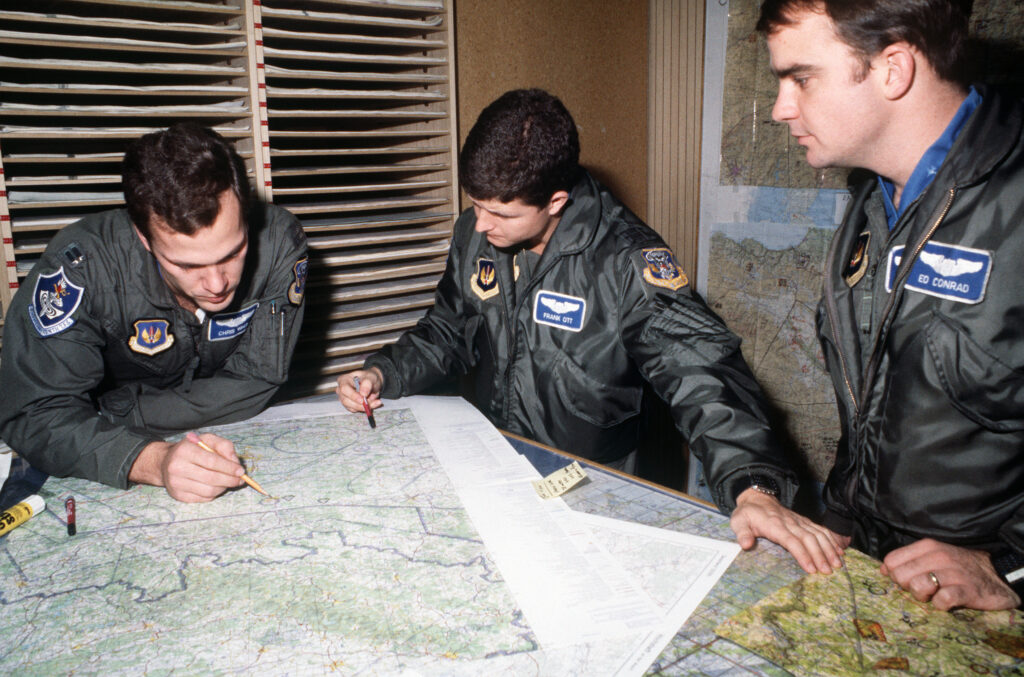
Perhaps the most sensitive assignment was the tactical nuclear mission. Hahn Air Base stored B43 and later B61 nuclear weapons, and the squadron’s F-16s were tasked with delivering these weapons should NATO’s doctrine of flexible response ever have been invoked. This critical responsibility was one of the primary reasons for waiting until the Block 15 aircraft became available.
Throughout the Cold War, the squadron maintained a high state of readiness, ensuring it could execute both conventional and nuclear missions at short notice.
Upgrading to the F-16C
The 10th TFS quickly demonstrated the advantages of the F-16, but technology continued to evolve at a rapid pace. The USAF traditionally prioritized its most important operational units when introducing new aircraft variants, and the squadron benefited from this policy.
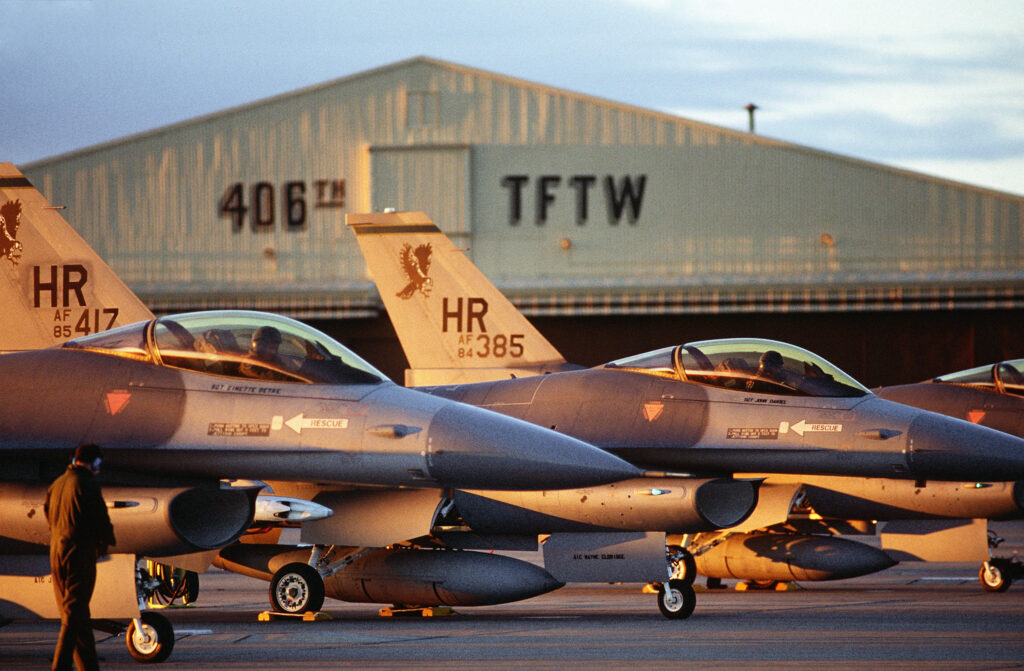
After only four years of operating the Block 15 models, the squadron transitioned to the far more capable F-16C and F-16D Block 25 aircraft in 1986. These versions featured enhanced avionics, improved radar systems, and greater mission flexibility.
The conversion proceeded rapidly, and by December 31, 1986, the squadron had achieved operational status on the new type. Despite the technological advancements, the squadron’s core responsibilities remained unchanged: air defense, conventional strike operations, and tactical nuclear delivery.
From the Cold War to Desert Storm
The dramatic political changes sweeping Eastern Europe at the end of the 1980s transformed the strategic landscape. As the Cold War drew to a close, the United States found itself with more fighter units in Europe than were required for the new security environment.
In 1990, a decision was made to deactivate the 50th Tactical Fighter Wing and close Hahn Air Base. For the men and women of the 10th TFS, the announcement marked the approaching end of a proud chapter in USAF history.
Before the closure could take place, however, world events intervened.
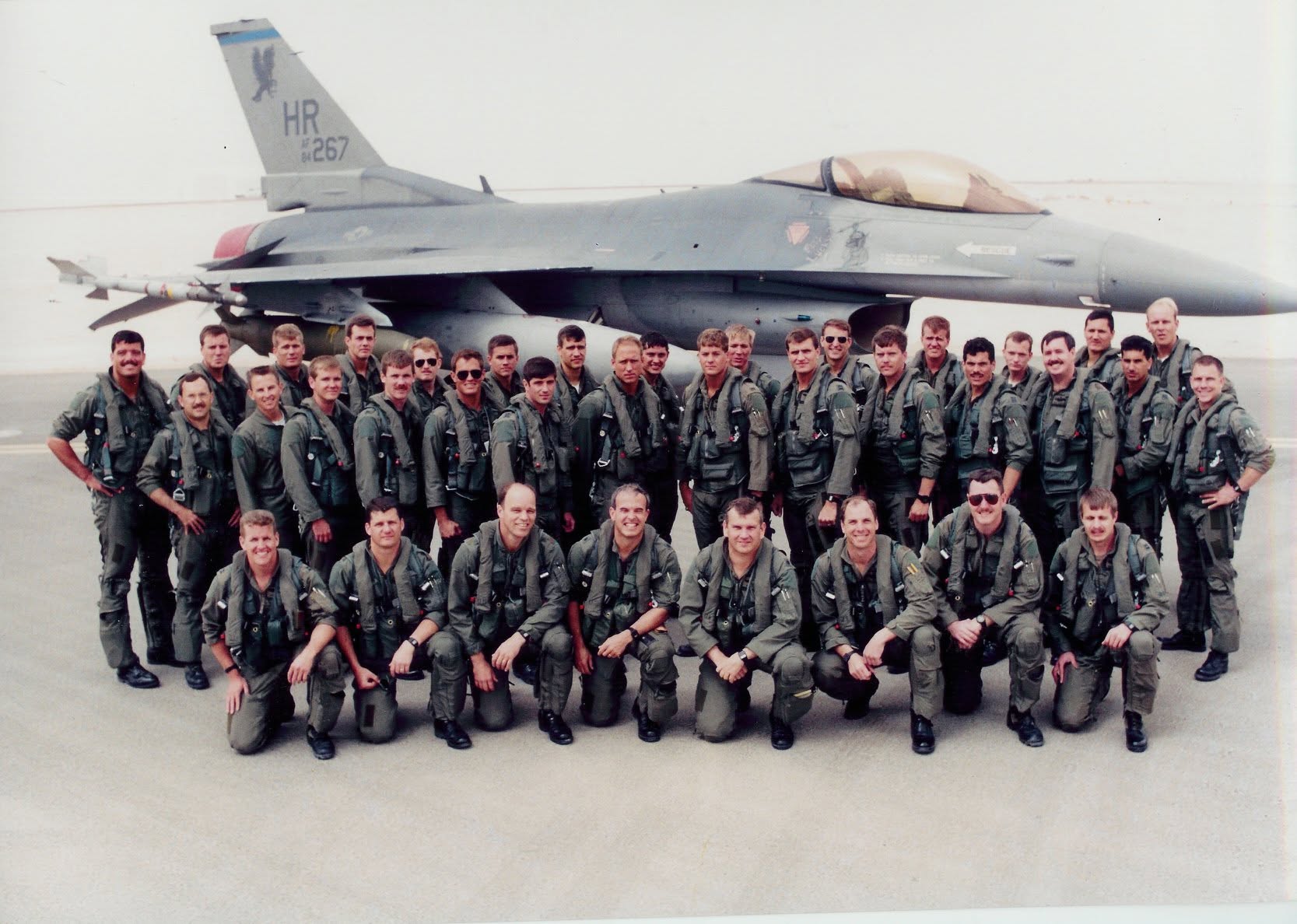
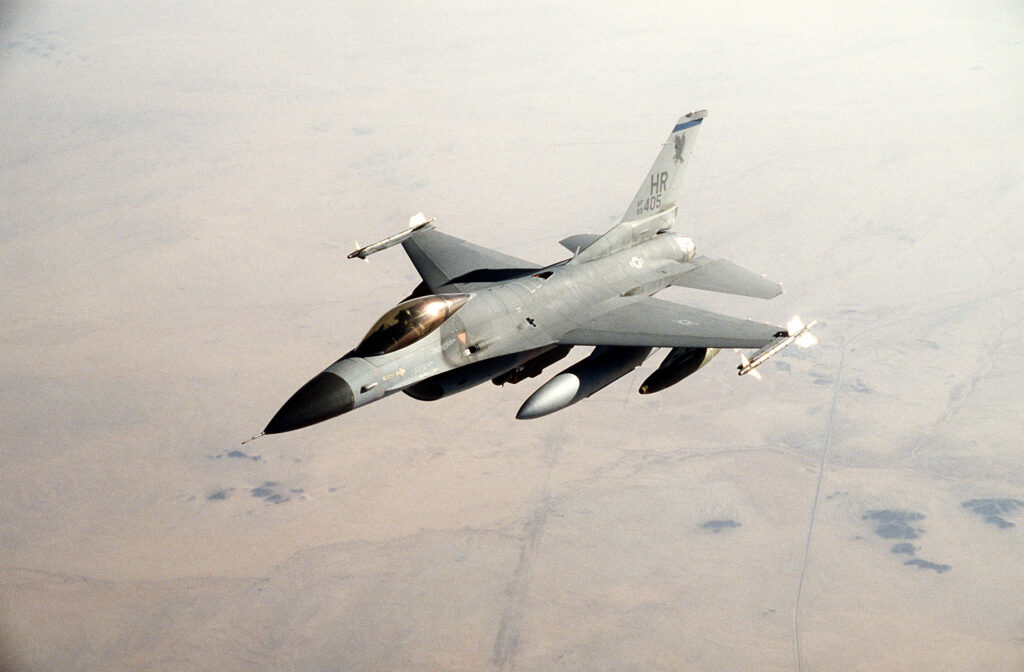
Following Iraq’s invasion of Kuwait, the squadron was tasked with preparing for deployment to the Middle East. In late 1990, the 10th TFS deployed to Al Dhafra Air Base in the United Arab Emirates as part of the coalition buildup for Operation Desert Storm.
The squadron became operational in theater on December 28, 1990. Over the course of the 43-day air campaign, its pilots flew approximately 1,300 combat missions, contributing significantly to coalition air operations against Iraqi forces.
The deployment demonstrated the remarkable versatility of the F-16 and the professionalism of a squadron that had spent years preparing for a war in Europe but ultimately proved itself in the deserts of the Persian Gulf.
The End of an Era
Following its return from the Gulf, little time remained for the squadron. With the Cold War over and force reductions underway, the 10th Tactical Fighter Squadron was officially inactivated on September 30, 1991.
Its closure brought an end to 38 years of continuous operations in Europe, spanning the height of the Cold War and concluding shortly after a decisive victory in Operation Desert Storm.
Although the squadron ceased operations, its legacy endured. The 10th TFS had evolved from the nuclear tensions of Cold War Europe into a modern, combat-tested F-16 unit. Its history reflects the transformation of American air power during one of the most significant periods of military aviation history, from the confrontation of superpowers in Central Europe to the coalition warfare that defined the post-Cold War era.
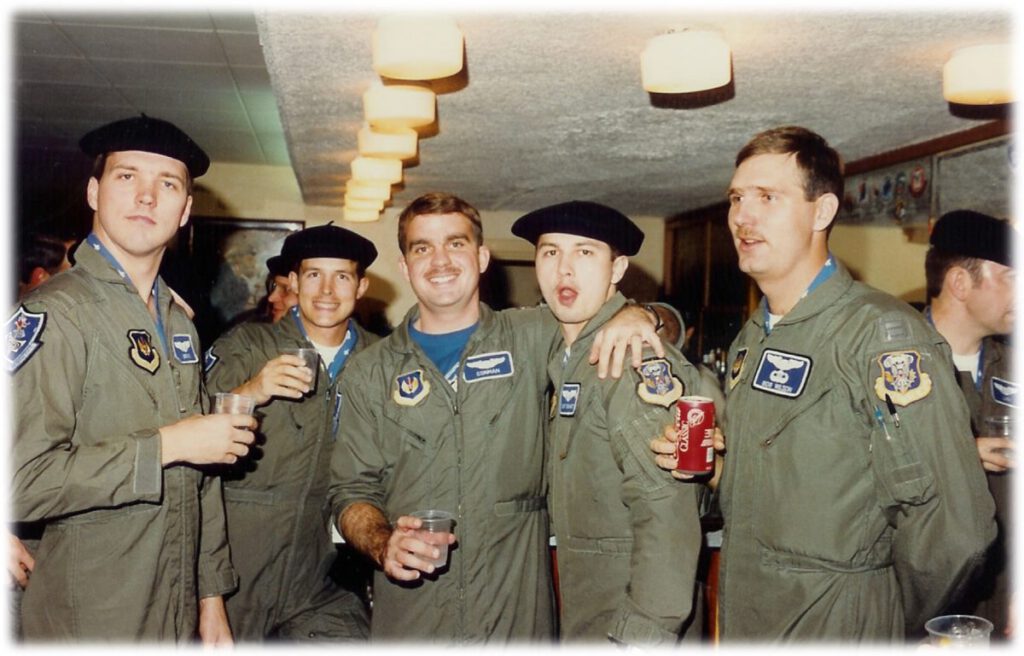
For nearly four decades, the pilots, maintainers, and support personnel of the 10th Tactical Fighter Squadron stood ready on NATO’s front line, embodying the motto of preparedness, professionalism, and combat excellence. Their story remains an important chapter in the history of the United States Air Force in Europe.
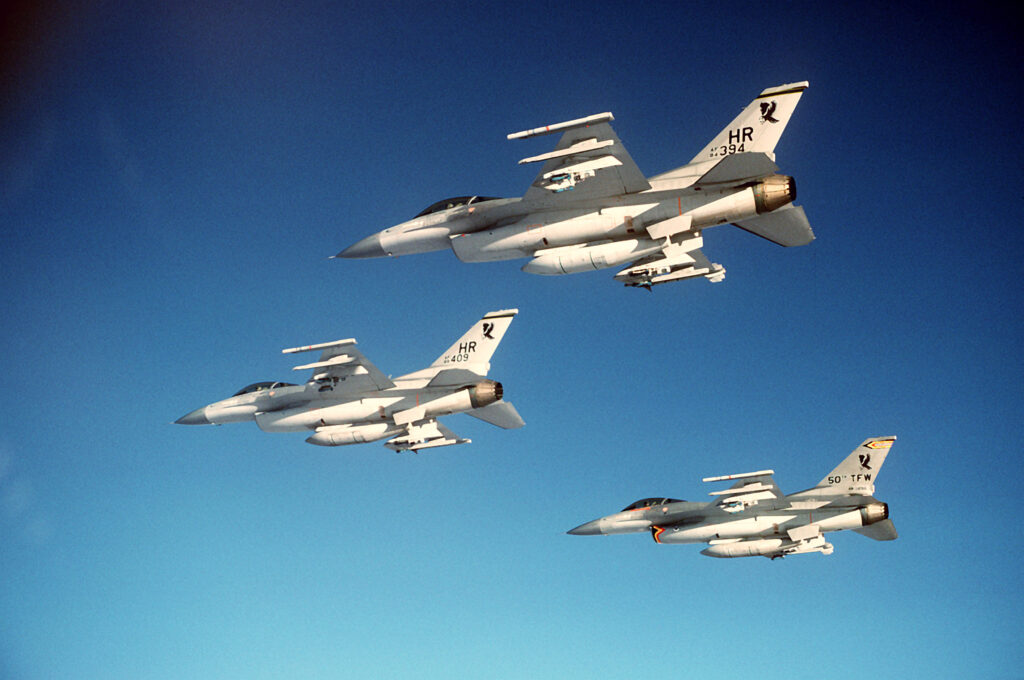
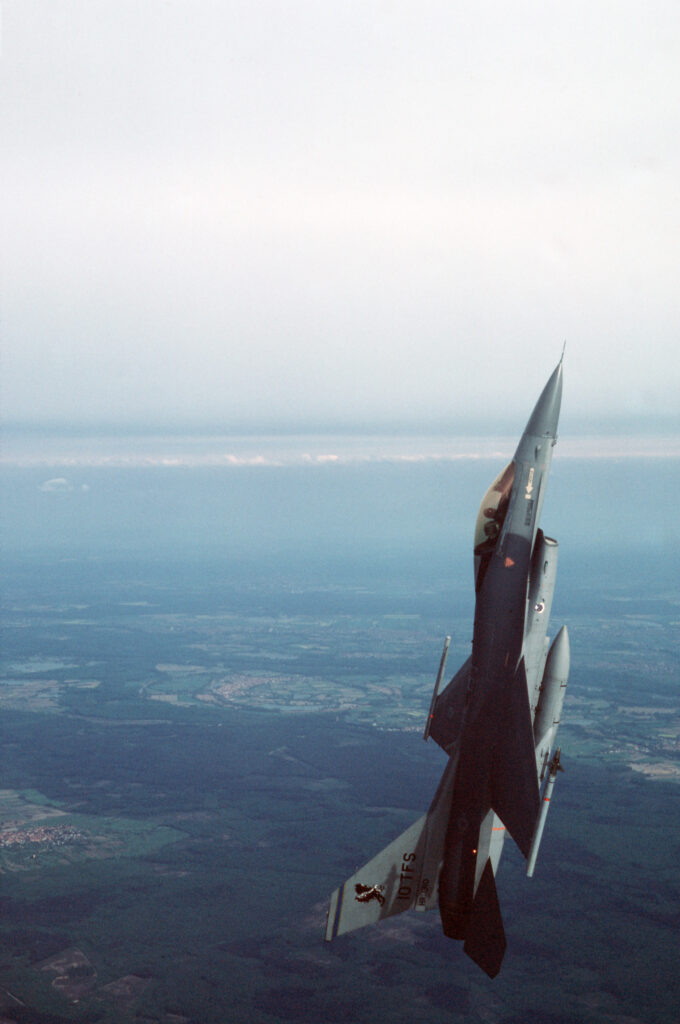
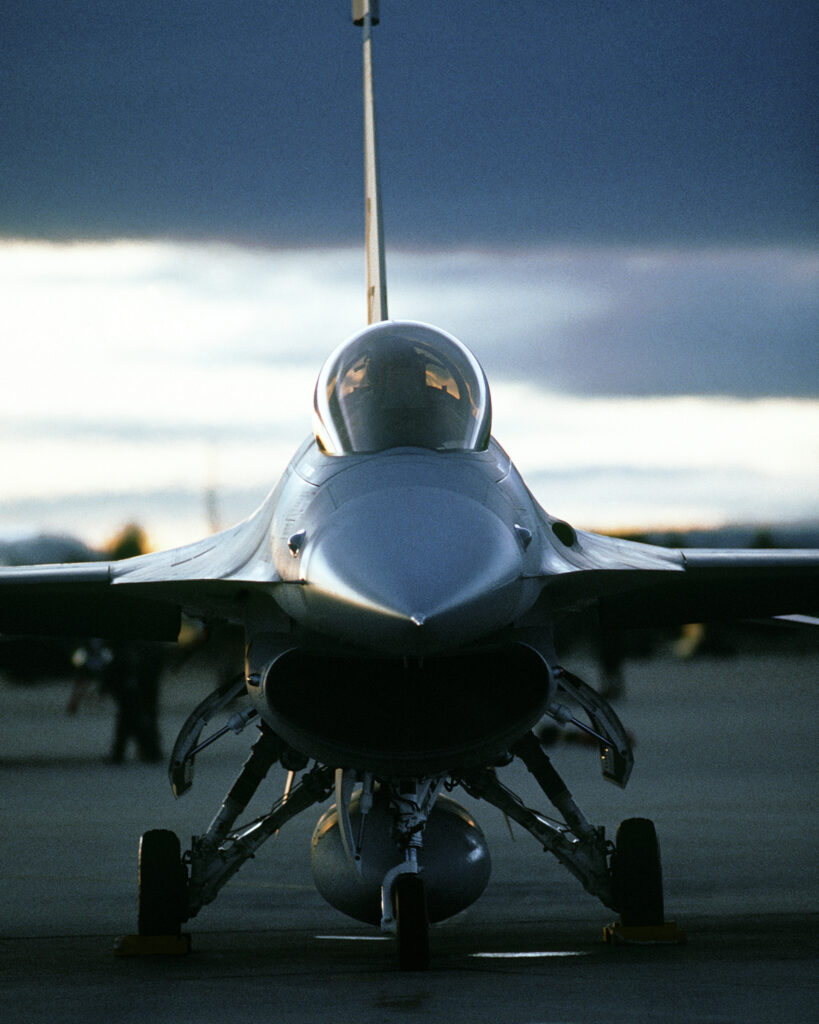
10th Tactical Fighter Squadron Photos
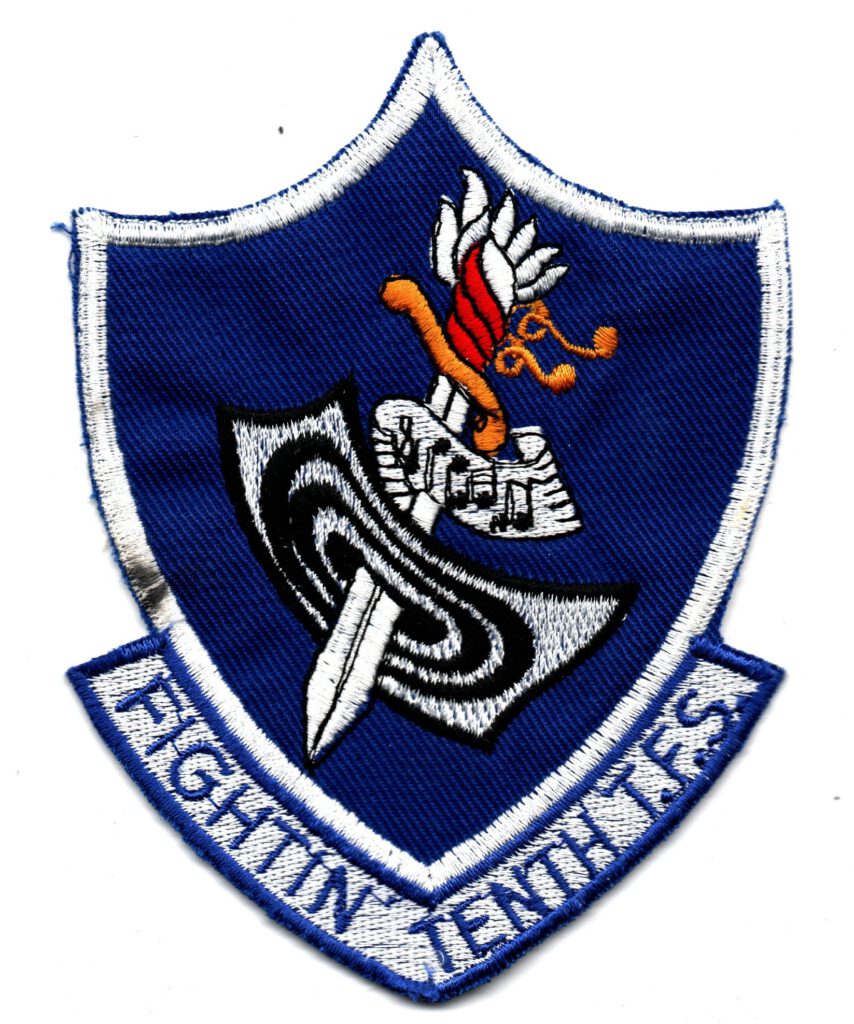
10th Tactical Fighter Squadron Patches
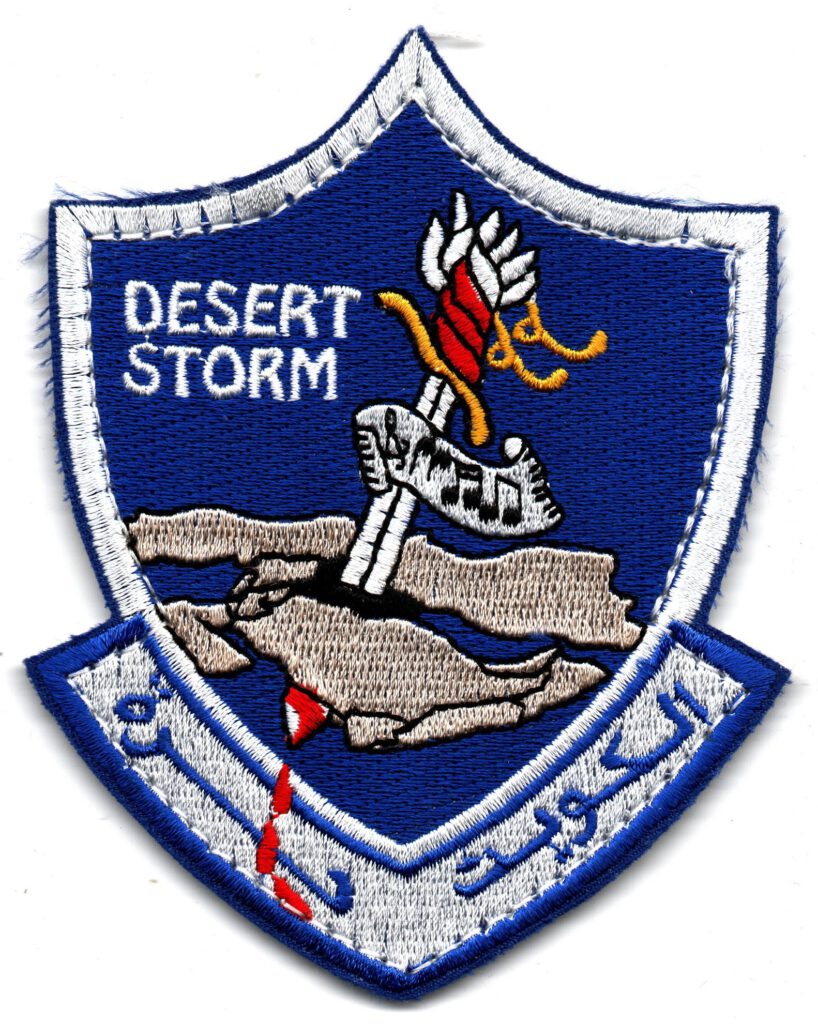
made after unit returned from DS. Arabic= FREE KUWAIT.