Today, the U.S. Air Force maintains a combination of dedicated F-16 Wild Weasel units and increasingly leverages the advanced sensor capabilities of the F-35A to perform modern suppression of enemy air defenses operations.
The Modern Wild Weasel Mission
The current Wild Weasel mission revolves around two key concepts:
- SEAD (Suppression of Enemy Air Defenses), reducing the effectiveness of enemy air-defense systems.
- DEAD (Destruction of Enemy Air Defenses), physically eliminating radar and missile threats.
Modern integrated air-defense systems are far more sophisticated than those encountered during Vietnam, Desert Storm, or the Balkan conflicts. Today’s threats include mobile surface-to-air missile batteries, long-range engagement radars, networked command-and-control systems, and advanced electronic warfare capabilities.
Before bomber, fighter, transport, or intelligence aircraft can safely operate, those defenses must be neutralized. That responsibility continues to fall upon the Wild Weasel community.
The F-16CM: America’s Dedicated Wild Weasel
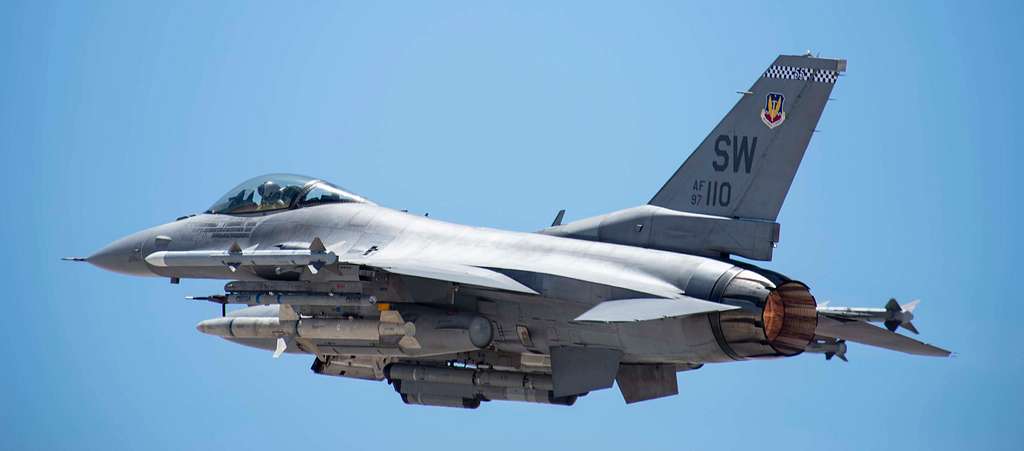
The primary dedicated Wild Weasel platform remains the F-16CM Block 50/52, still commonly referred to as the F-16CJ. These aircraft are specifically configured for the SEAD mission through the integration of the AN/ASQ-213 HARM Targeting System (HTS) and AGM-88 High-Speed Anti-Radiation Missiles (HARM).
The HTS pod passively detects hostile radar emissions and allows pilots to accurately locate enemy air-defense sites. Once identified, the F-16 can attack the emitter using anti-radiation missiles that follow the radar signal back to its source.
Recent upgrades, including the AN/APG-83 AESA radar, have greatly enhanced the survivability and combat effectiveness of the aircraft, ensuring the Viper remains relevant in highly contested environment
The Emerging F-35 “Silent Weasel” Concept
Although the F-16CM remains the USAF’s dedicated Wild Weasel platform, the introduction of the F-35A has fundamentally changed the suppression of enemy air defenses mission.
The Lightning II combines low-observable technology, advanced passive sensors, electronic surveillance capabilities, and unmatched sensor fusion. Rather than deliberately provoking enemy radar operators into revealing their positions, as classic Wild Weasels once did, the F-35 can often detect, classify, and geolocate air-defense systems while remaining largely undetected itself.
This has led many aviators to describe the F-35 as a “Silent Weasel.” While not officially designated a Wild Weasel aircraft, its ability to locate and track hostile radar emitters makes it a critical participant in modern SEAD operations. The F-35 can identify threats, provide targeting coordinates to other aircraft, and conduct precision strikes against air-defense nodes, often before the enemy is aware of its presence.
In future conflicts, F-35s are expected to work closely with traditional F-16 Wild Weasel units. The stealth fighter can penetrate defended airspace and generate targeting data, while F-16CM aircraft armed with AGM-88 anti-radiation missiles prosecute radar targets at greater distance. This combination provides the USAF with a powerful layered SEAD capability.
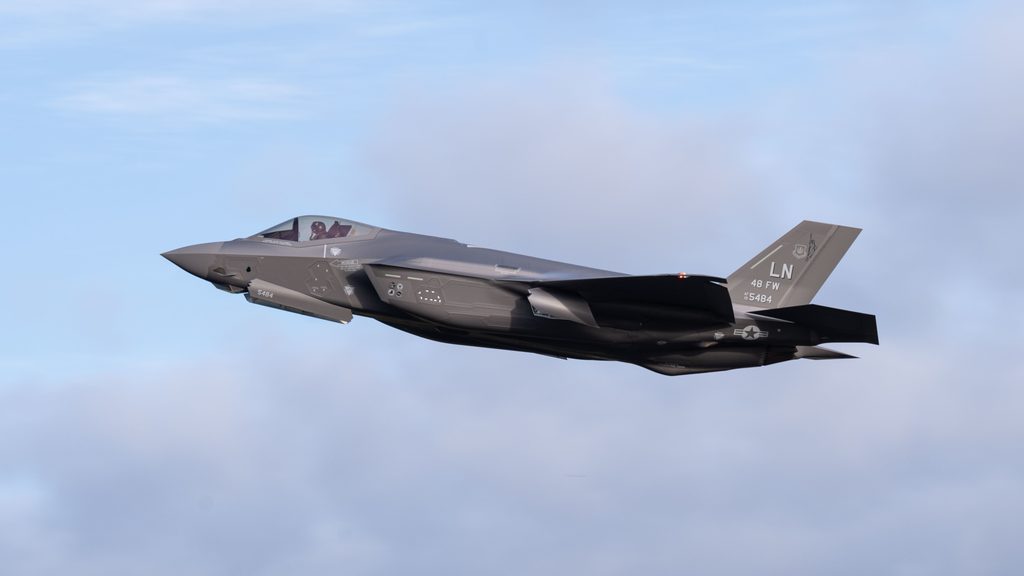
F-35 Units Contributing to the SEAD Mission
48th Fighter Wing, RAF Lakenheath
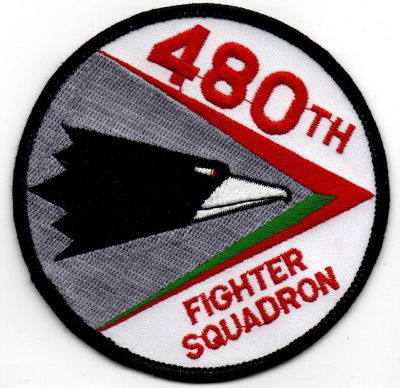
The USAF’s premier overseas F-35A wing has increasingly participated in operations alongside F-16 Wild Weasel units. Recent deployments have paired RAF Lakenheath F-35s with the 480th Fighter Squadron in support of suppression of enemy air defenses operations.
35th Fighter Wing, Misawa Air Base, Japan
The 35th Fighter Wing operates F-35A aircraft from Misawa Air Base and serves as the USAF’s forward-deployed fifth-generation fighter force in the Pacific. While not an official Wild Weasel organization, its aircraft are capable of conducting SEAD and DEAD support missions through advanced electronic surveillance and targeting capabilities.
The wing’s two fighter squadrons are:
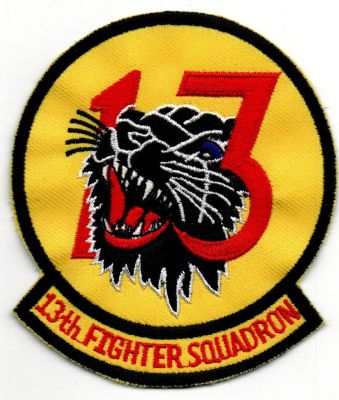
- 13th Fighter Squadron
- 14th Fighter Squadron
Together they provide a major fifth-generation combat capability in the Indo-Pacific theater and would likely play a key role in any future campaign against advanced integrated air-defense systems. (This role is an operational assessment; the sources reviewed do not identify them as formal Wild Weasel units.)
USAF Wild Weasel and SEAD Force Structure
| Unit | Location | Aircraft | Role |
| 480th Fighter Squadron | Spangdahlem AB, Germany | F-16CM Block 50 | Dedicated Wild Weasel |
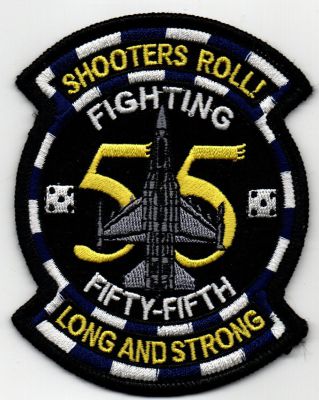
| 55th Fighter Squadron | Shaw AFB, South Carolina | F-16CM Block 50 | Dedicated Wild Weasel |
| 77th Fighter Squadron | Shaw AFB, South Carolina | F-16CM Block 50 | Dedicated Wild Weasel |
| 79th Fighter Squadron | Shaw AFB, South Carolina | F-16CM Block 50 | Dedicated Wild Weasel |
| 157th Fighter Squadron | McEntire JNGB, South Carolina | F-16 Block 50 | ANG SEAD Support |
| 134th Fighter Squadron | Burlington ANGB, Vermont | F-35A | Advanced SEAD Support |
| 493rd Fighter Squadron | RAF Lakenheath, UK | F-35A | Advanced SEAD Support |
| 495th Fighter Squadron | RAF Lakenheath, UK | F-35A | Advanced SEAD Support |
| 13rd Fighter Squadron | Misawa AB, Japan | F-35A | Indo-Pacific SEAD Support |
| 14th Fighter Squadron | Misawa AB, Japan | F-35A | Indo-Pacific SEAD Support |
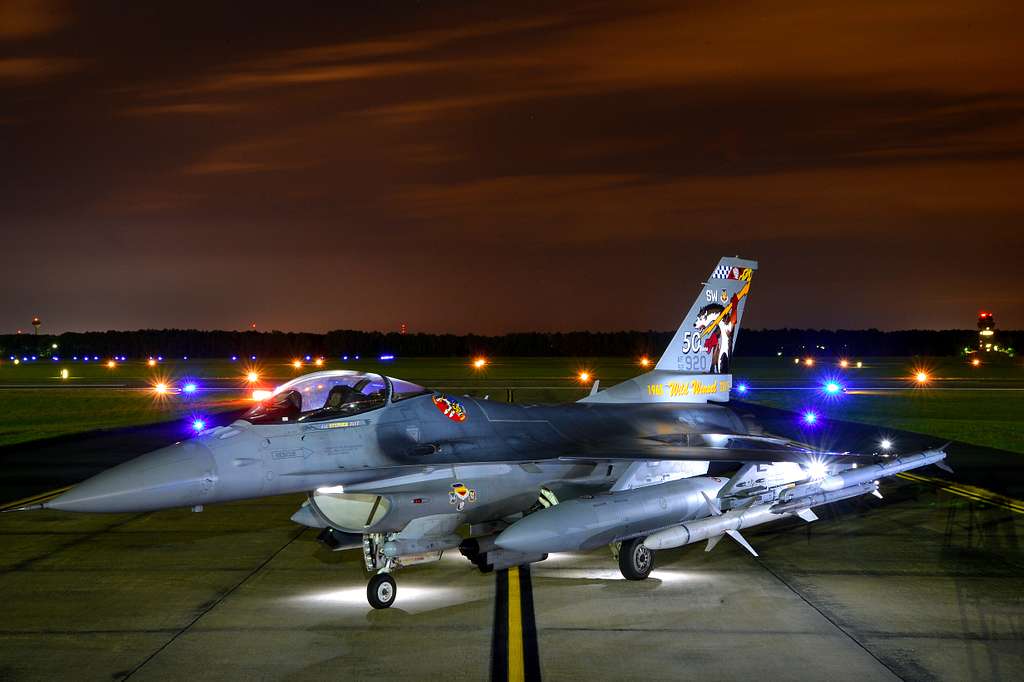
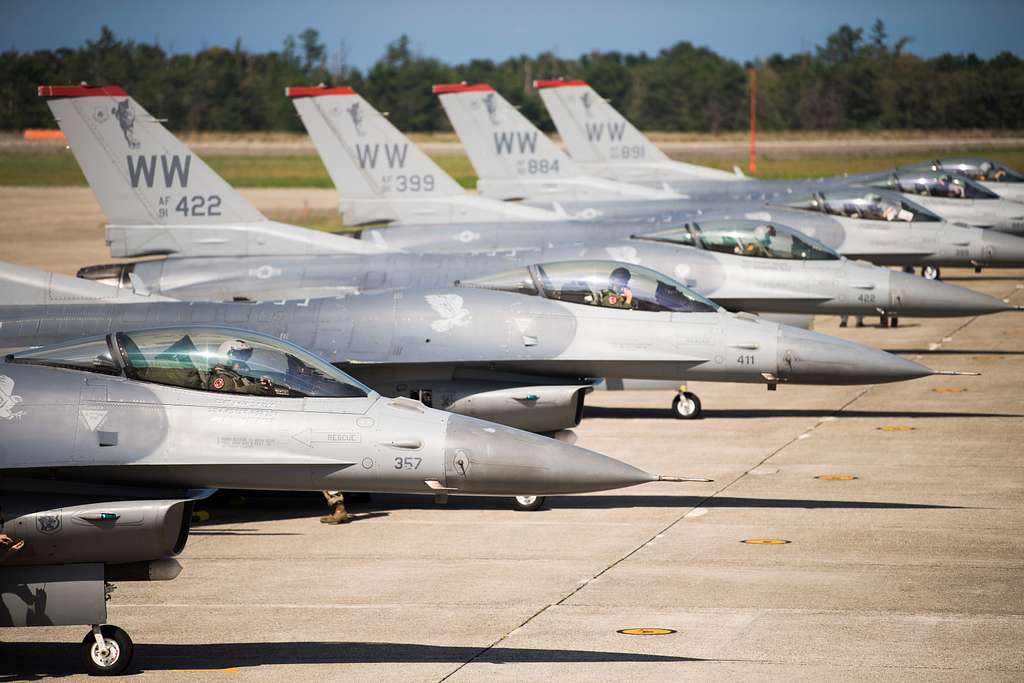
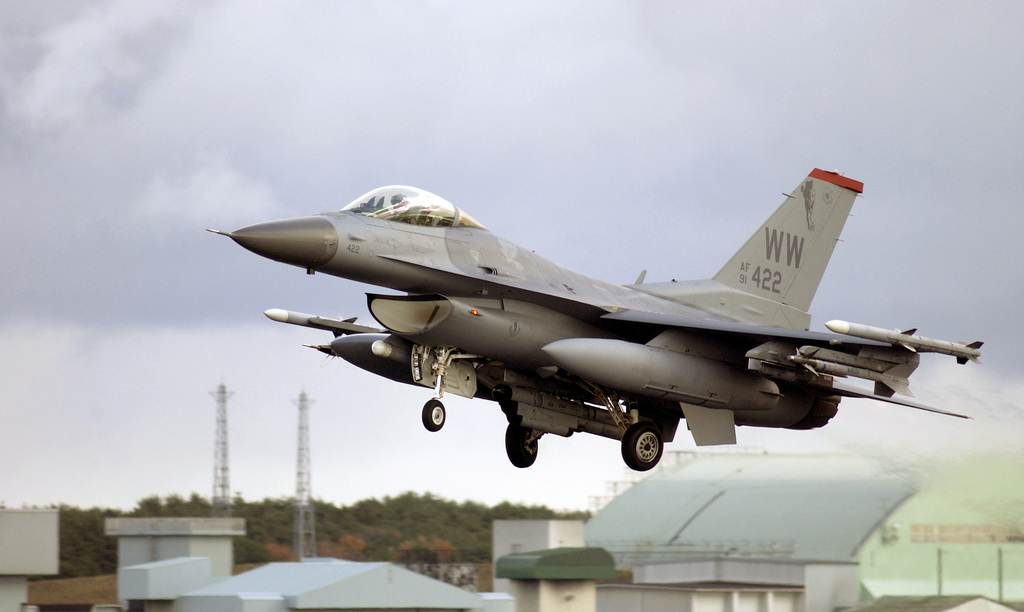
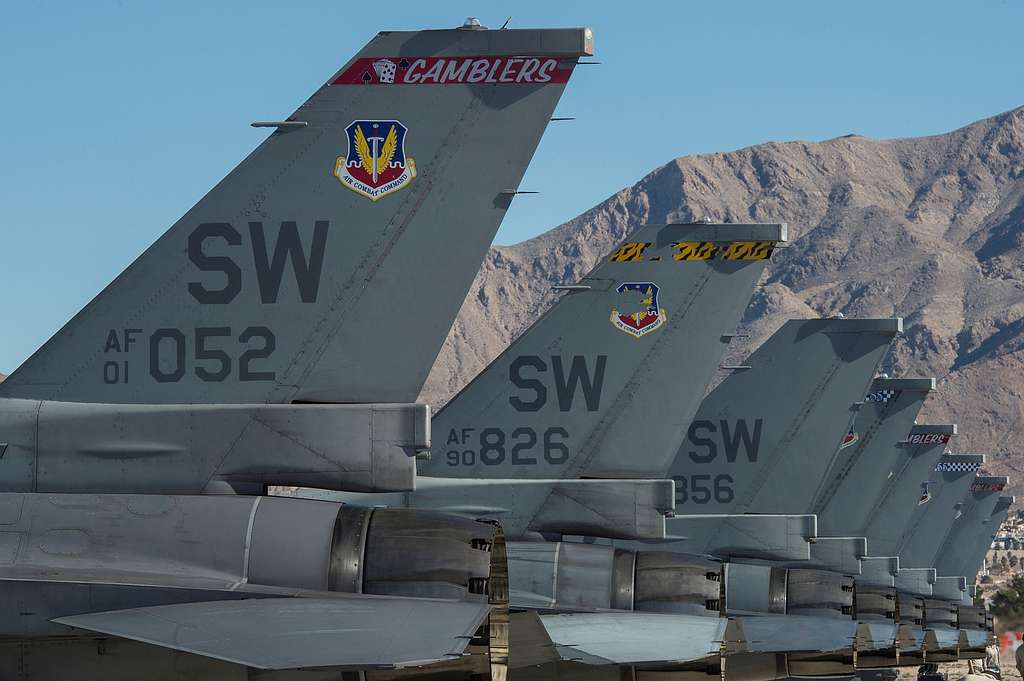
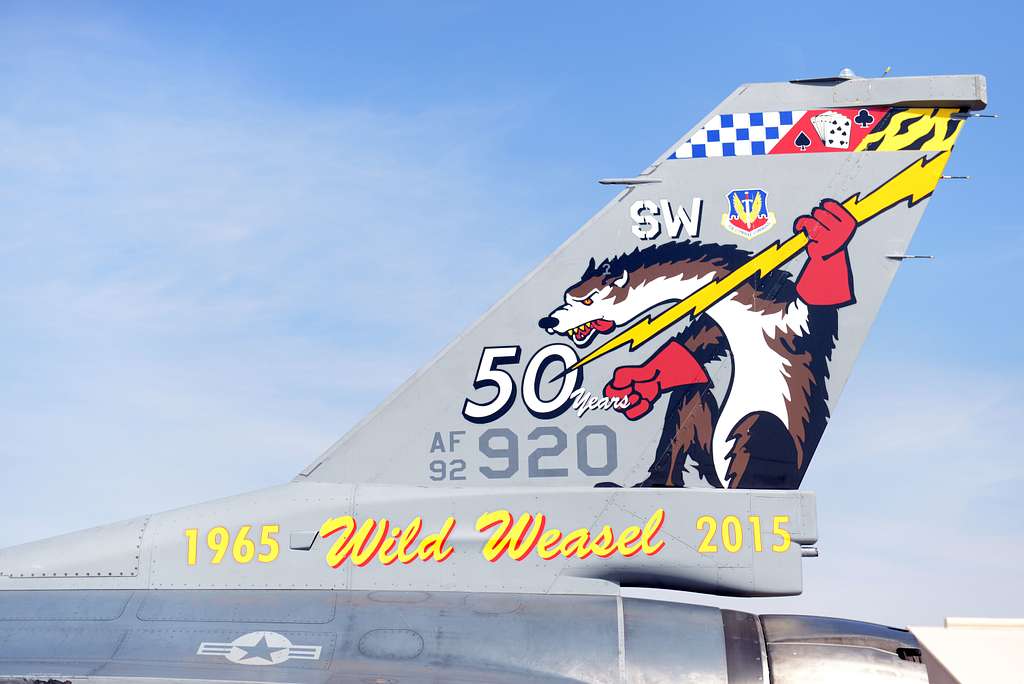
Wild Weasel Photos
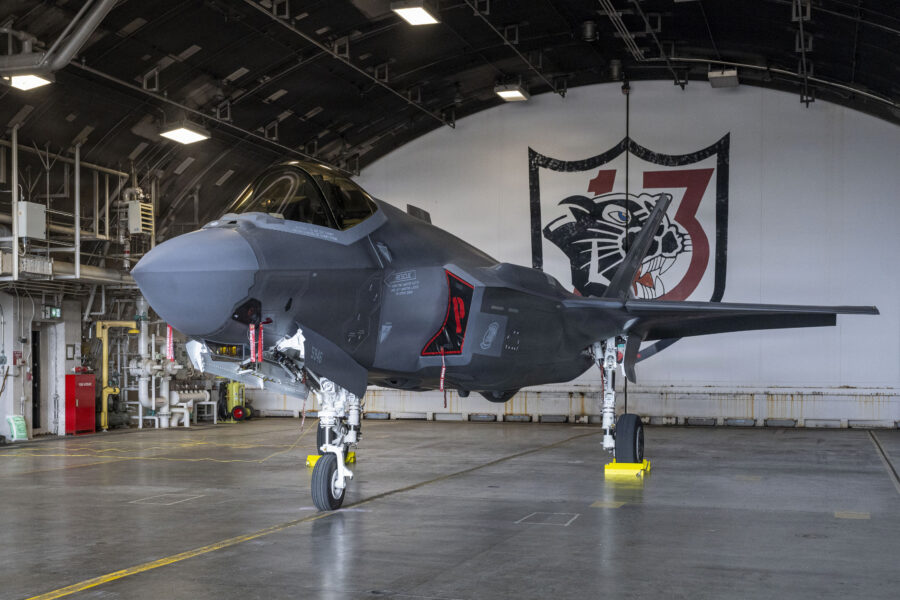
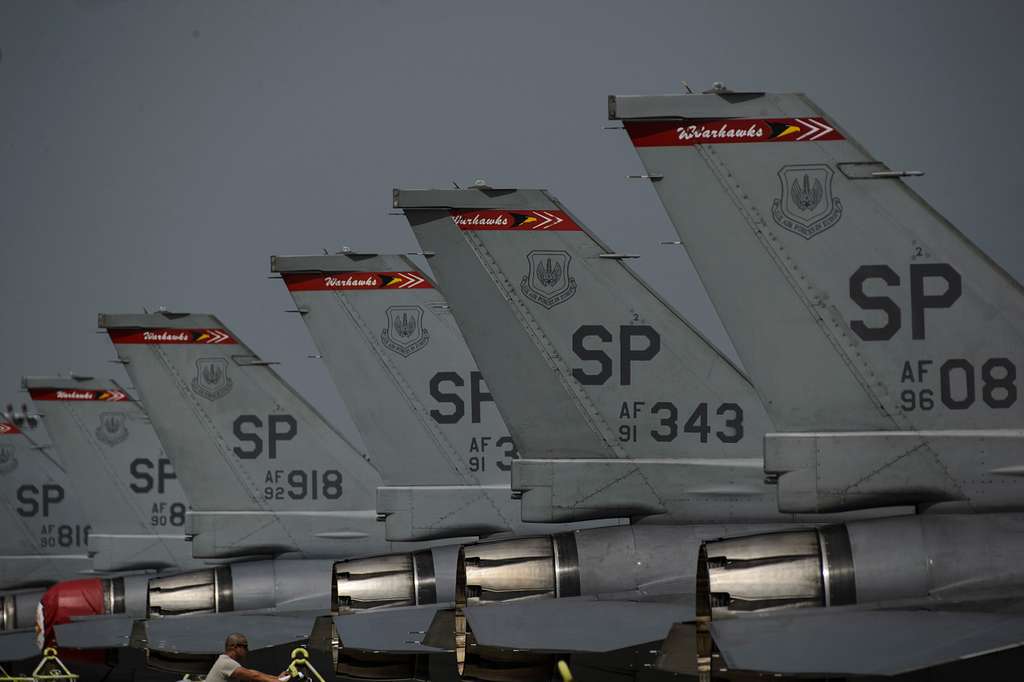
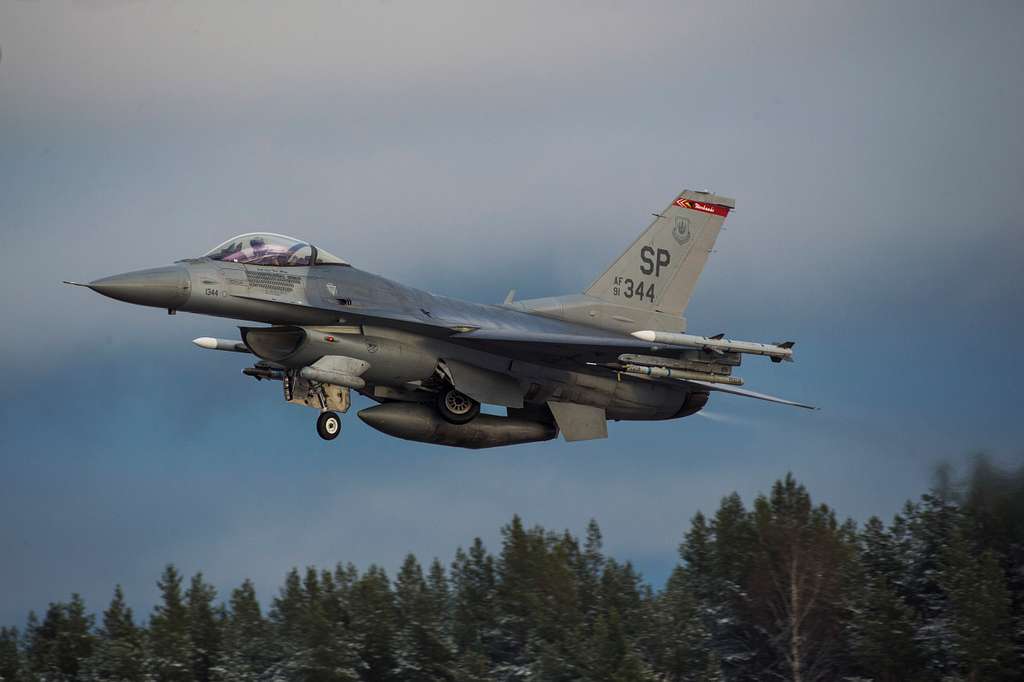
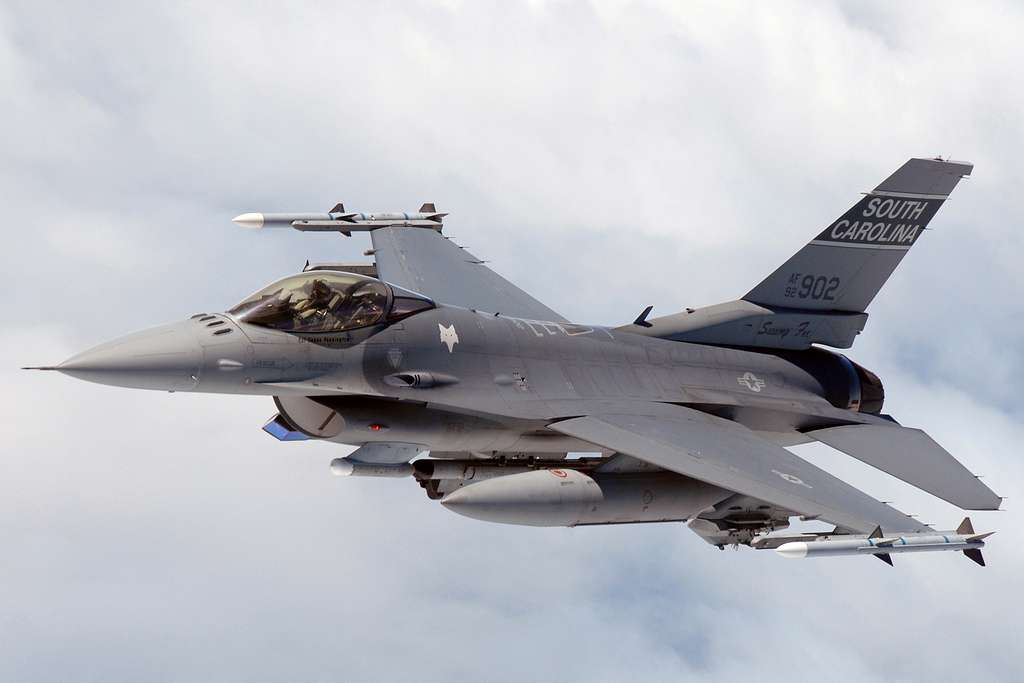
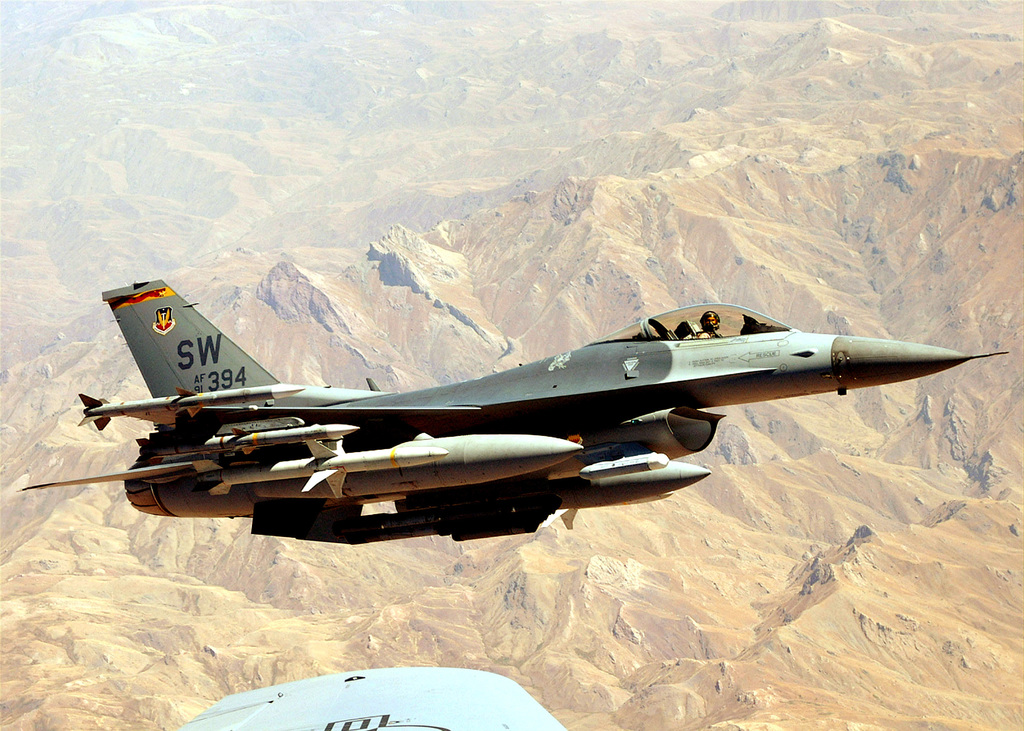
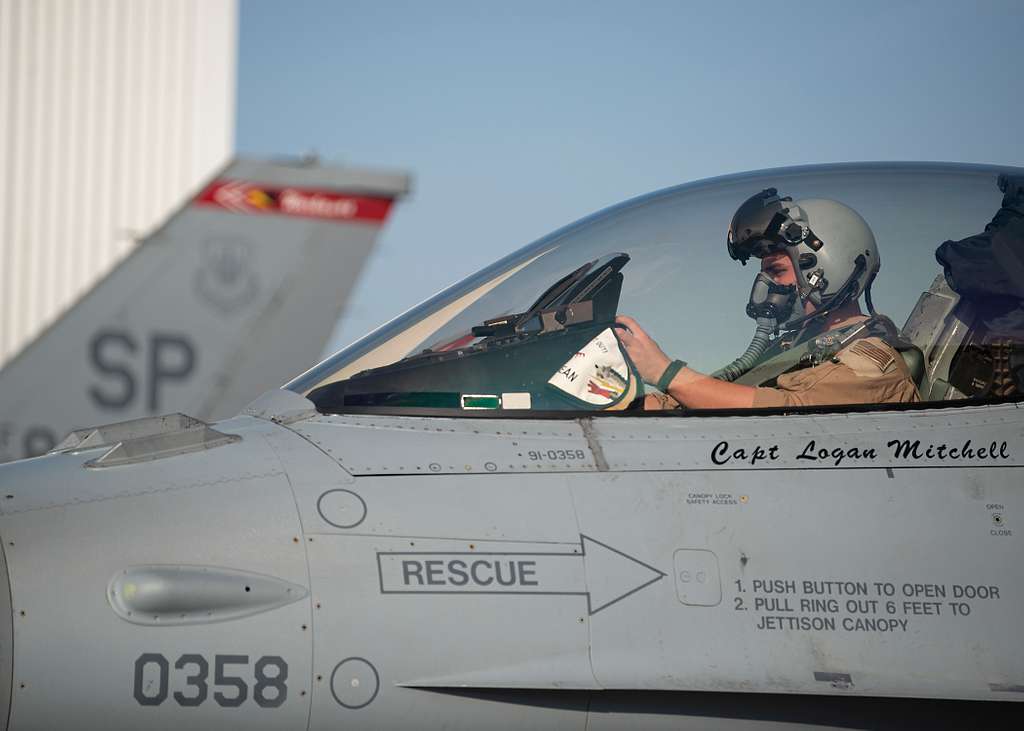
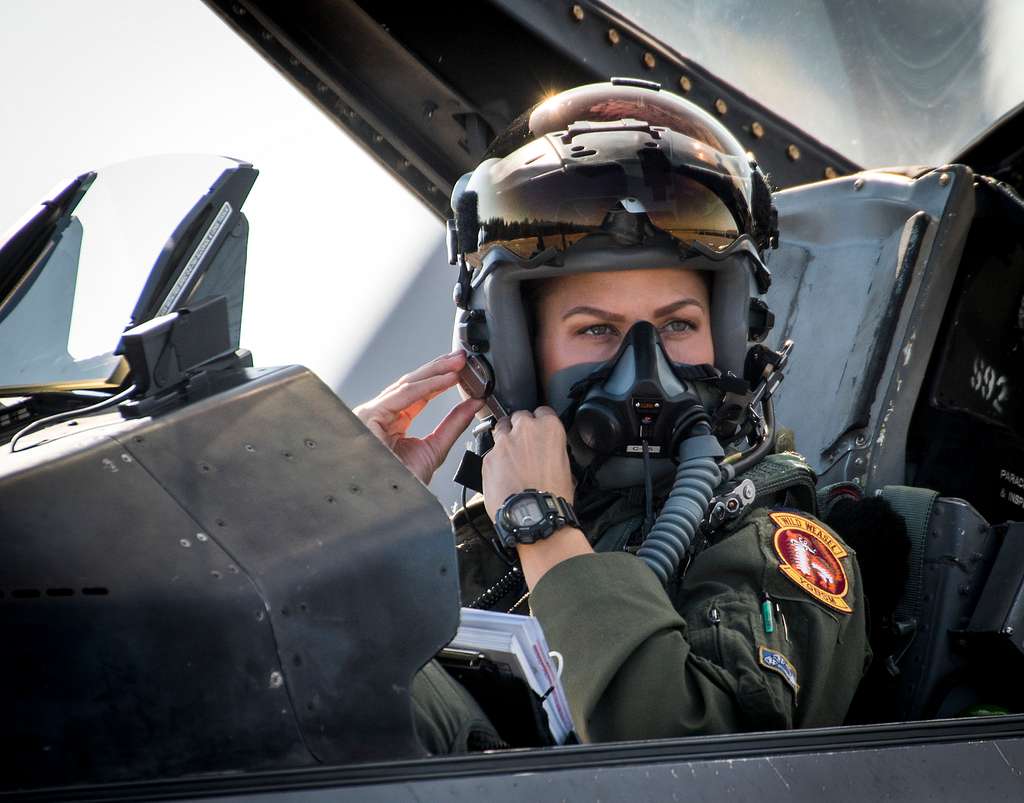
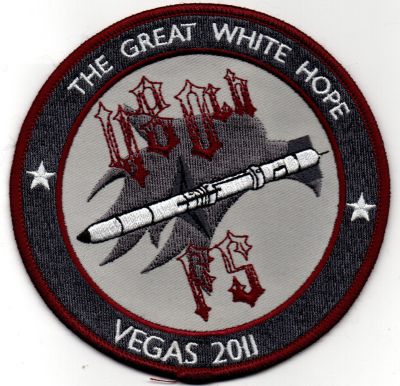
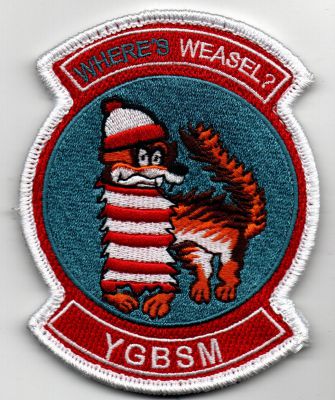
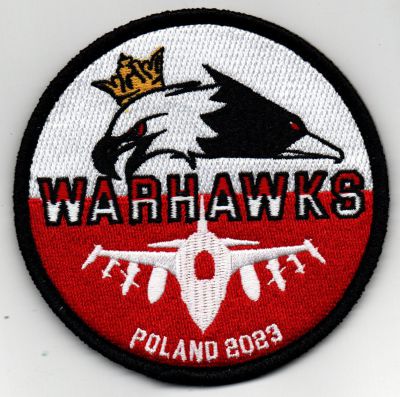
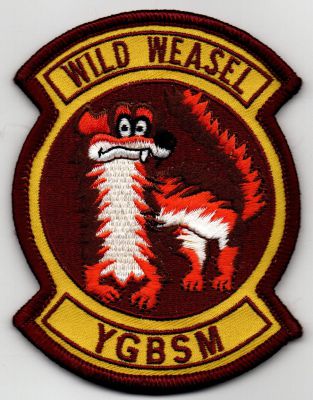
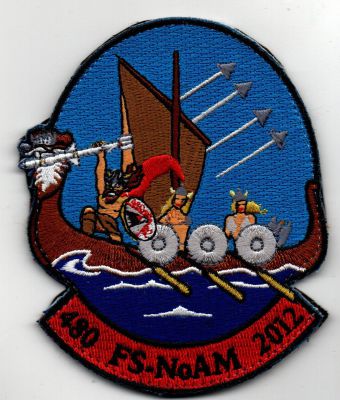
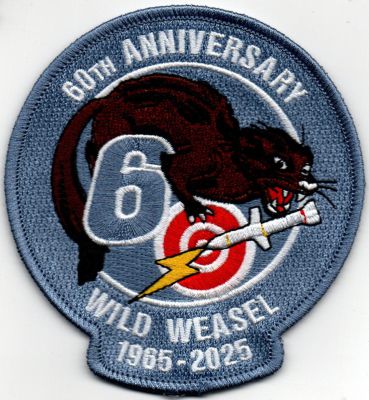
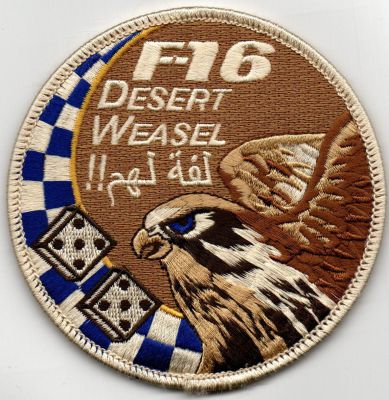
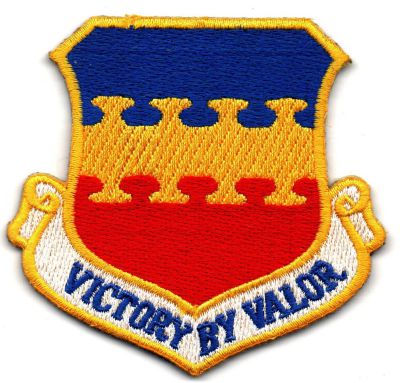
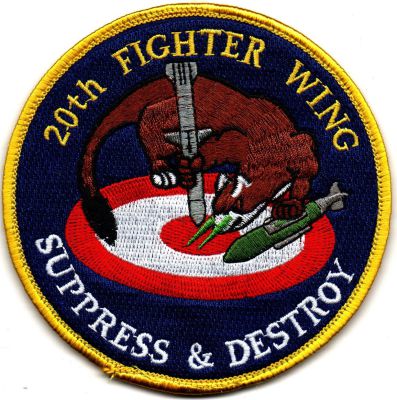
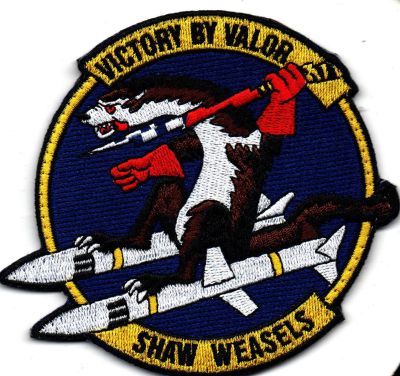
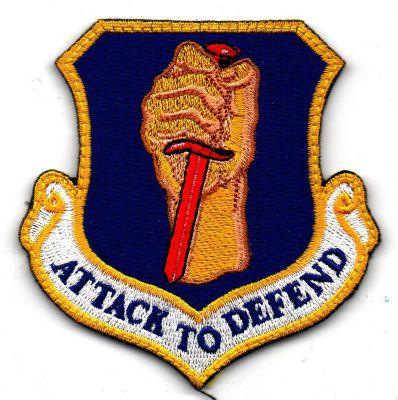
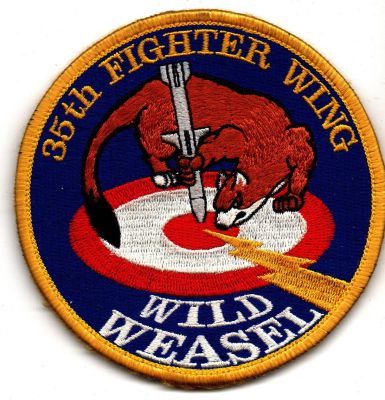
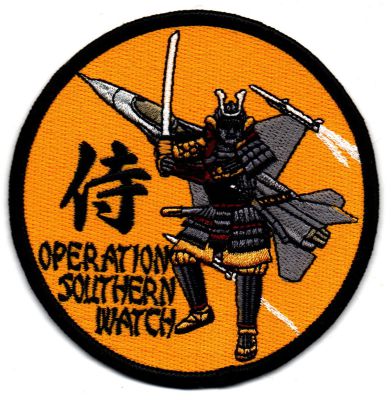
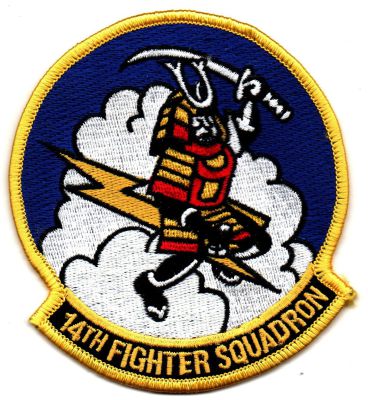
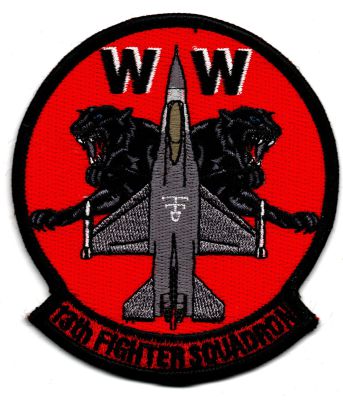
Wild Weasel patches
Far from complete please feel free to add, contact me at janpeter@skytrailer.nl