The Pilot Who Broke the Sound Barrier
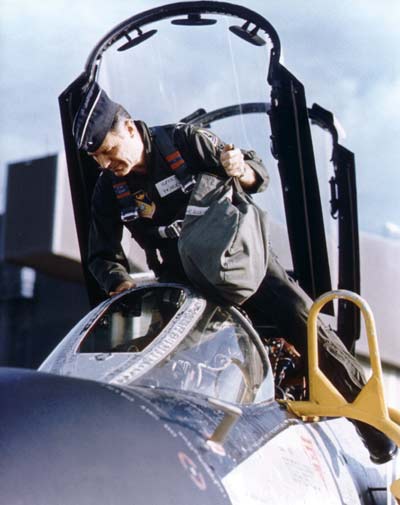
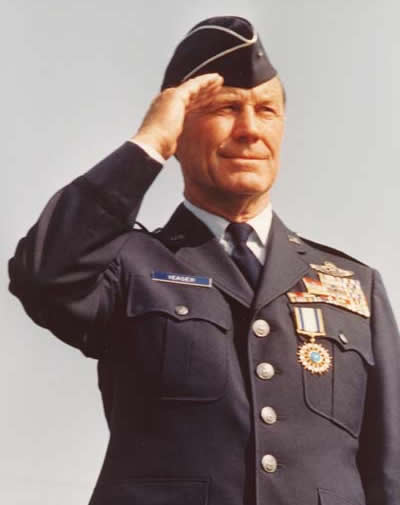
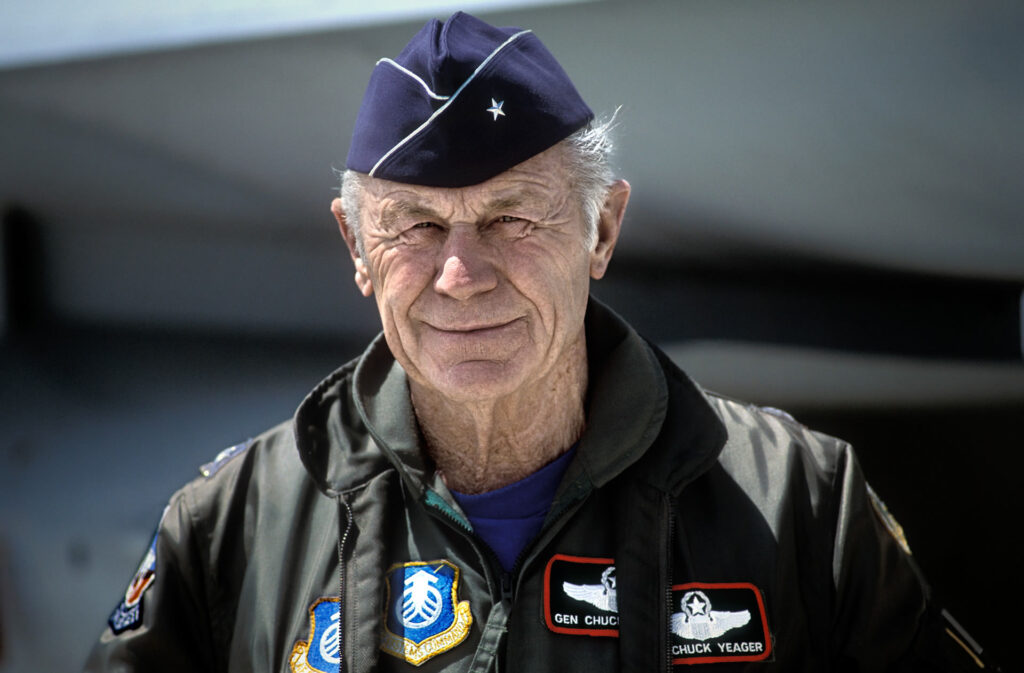
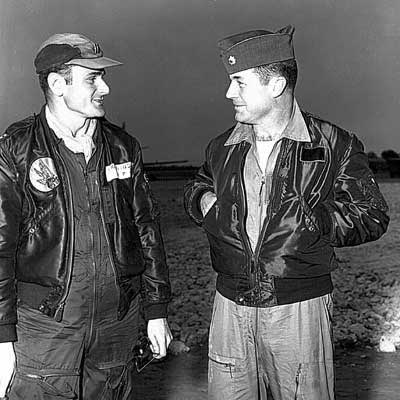
Few names carry as much weight in aviation history as Charles “Chuck” Yeager. Fighter ace, test pilot, combat commander, and aerospace pioneer, Yeager became an icon on October 14, 1947, when he became the first pilot officially confirmed to exceed the speed of sound in level flight. Yet his remarkable career encompassed far more than a single historic moment. It spanned more than three decades of military service, three wars, and the most revolutionary period in the history of flight.
From West Virginia Farm Boy to Fighter Pilot
Born on February 13, 1923, in Myra, West Virginia, and raised in nearby Hamlin, Yeager grew up in modest rural surroundings. Long before he became famous, he developed an instinctive understanding of machinery, helping his family and learning practical mechanical skills that would later prove invaluable in aviation. Following his graduation from high school in 1941, he enlisted in the United States Army Air Forces as an aircraft mechanic.
At the time, Yeager had little ambition to become a pilot. However, wartime demand for aircrew created new opportunities, and in 1942 he entered pilot training. After earning his wings in 1943, he was assigned to the 357th Fighter Group and deployed to England, where he flew the legendary North American P-51 Mustang.
World War II Ace
Yeager quickly established himself as one of the Eighth Air Force’s most capable fighter pilots. Flying combat missions over occupied Europe, he demonstrated exceptional marksmanship and tactical skill. After being shot down over France in March 1944, he evaded capture with the help of the French Resistance, crossed the Pyrenees into Spain, and eventually returned to England. Remarkably, despite regulations that normally prevented escaped pilots from returning to combat, Yeager successfully appealed for reinstatement and resumed operational flying.
His finest combat day occurred on October 12, 1944, when he destroyed five German aircraft during a single mission, earning the coveted title of “ace in a day.” By the end of the war, Yeager was credited with 11.5 aerial victories, including one of the first confirmed American victories over a German Messerschmitt Me 262 jet fighter.
Conquering the Sound Barrier
After World War II, Yeager’s career took him to the cutting edge of aviation. Assigned as a test pilot at what is now Edwards Air Force Base, he participated in a series of experimental programs aimed at understanding the limits of high-speed flight. At the time, many engineers believed that the “sound barrier” represented a dangerous and possibly insurmountable obstacle. Aircraft approaching Mach 1 encountered severe aerodynamic effects that often resulted in loss of control.
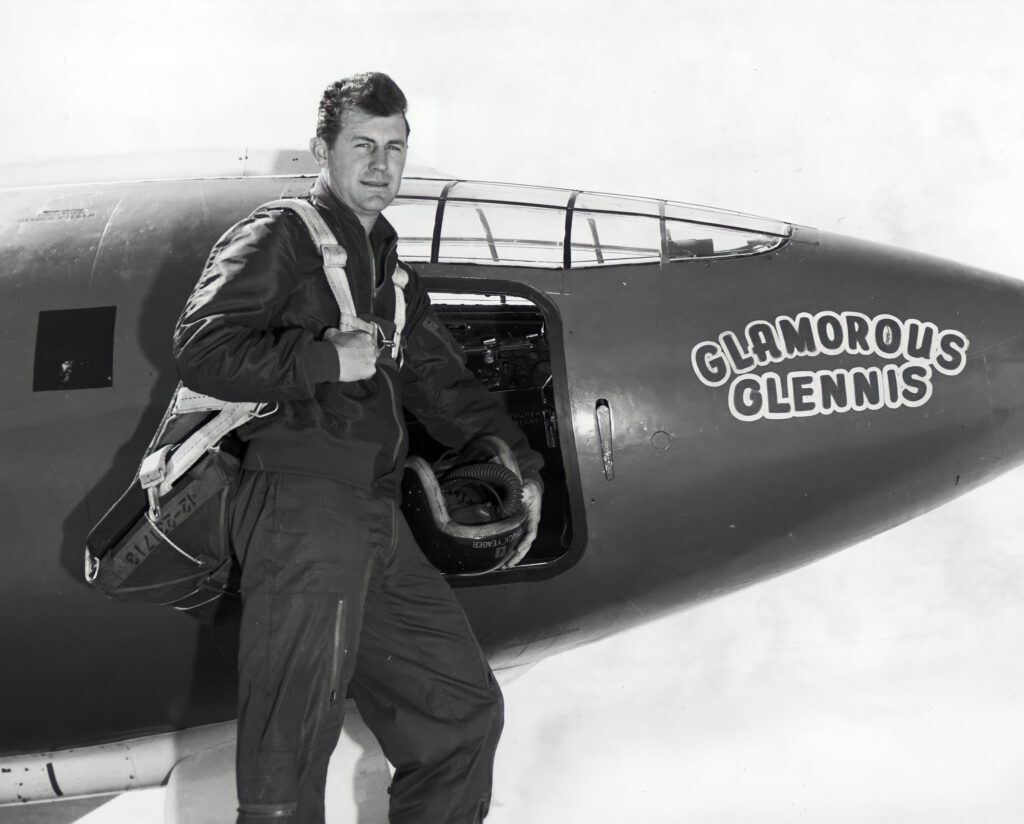
The challenge was entrusted to the 24-year-old Yeager and the rocket-powered Bell X-1, an experimental aircraft shaped like a .50-caliber bullet and named Glamorous Glennis after his wife. Just two days before the scheduled flight, Yeager suffered two broken ribs in a horseback-riding accident. Fearing he would be grounded, he concealed the injury and flew anyway. On October 14, 1947, he accelerated the X-1 to Mach 1.05 at 45,000 feet over California’s Mojave Desert, becoming the first human to officially break the sound barrier in level flight.
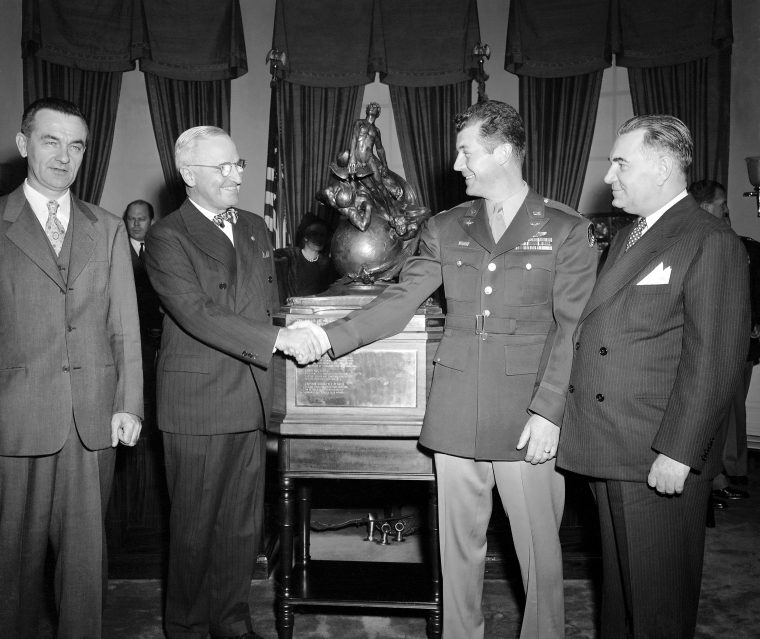
The achievement revolutionized aerospace engineering and launched the supersonic era. For his accomplishment, Yeager received both the prestigious Collier Trophy and Mackay Trophy.
Pushing the Limits of Flight
Yeager’s contributions did not end with the X-1. Throughout the 1950s, he continued testing advanced experimental aircraft and setting new speed and altitude records. In 1953, flying the X-1A, he exceeded Mach 2 and established a new world speed record. During one flight, he survived a violent loss of control at high altitude and recovered the aircraft after a dramatic plunge, further cementing his reputation as one of the world’s finest test pilots.
His ability to remain calm under extreme pressure became legendary within the flight-test community. Engineers trusted him not only because of his flying skill but also because he possessed a rare mechanical intuition that allowed him to understand how an aircraft behaved at the limits of performance.
Training the Astronaut Generation
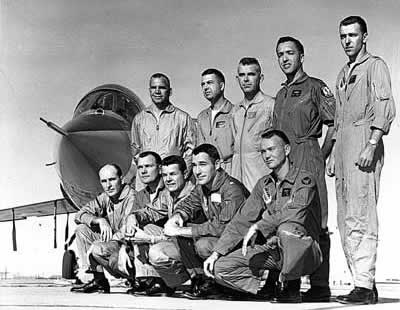
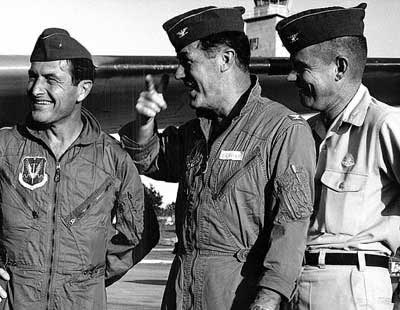
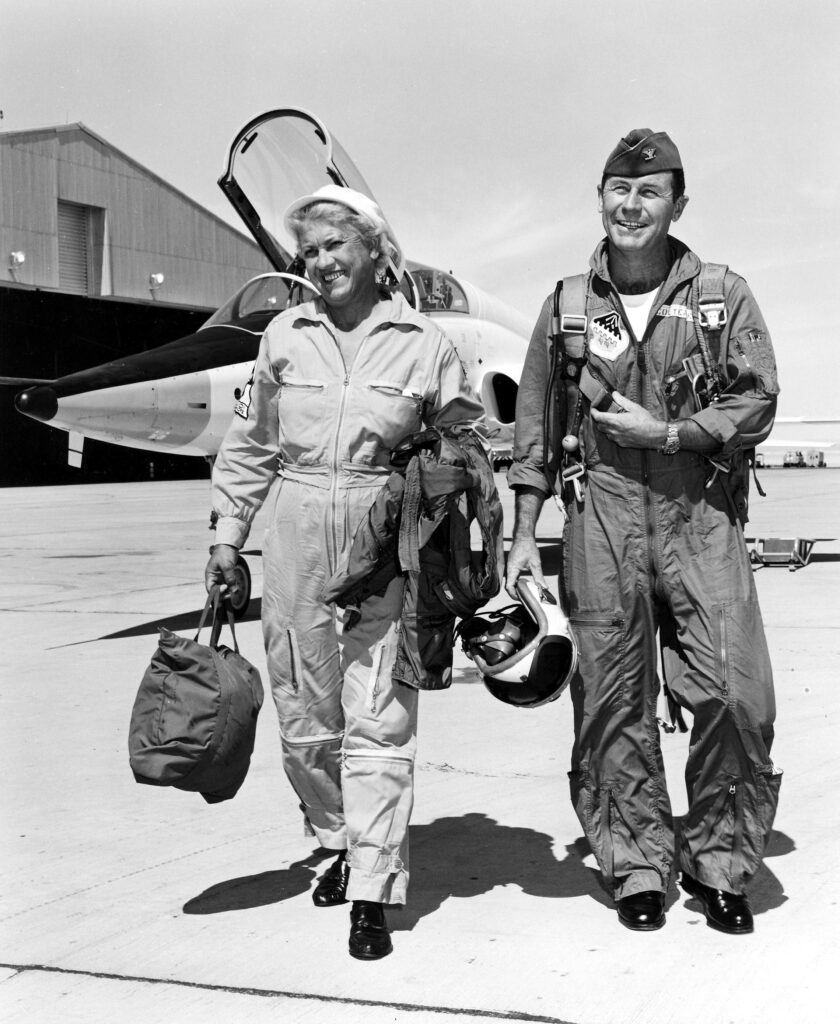
By the early 1960s, Yeager had become one of the Air Force’s most respected officers. In 1962, he was appointed the first commandant of the USAF Aerospace Research Pilot School, which trained elite test pilots and future astronauts for both the Air Force and NASA. Many graduates of the program would go on to fly experimental aircraft and participate in America’s space program.
Although Yeager himself never became an astronaut, largely because he lacked a university degree, his influence was deeply felt throughout the early Space Age. His standards of professionalism, discipline, and technical excellence shaped a generation of aerospace pioneers.
Combat Commander in Vietnam
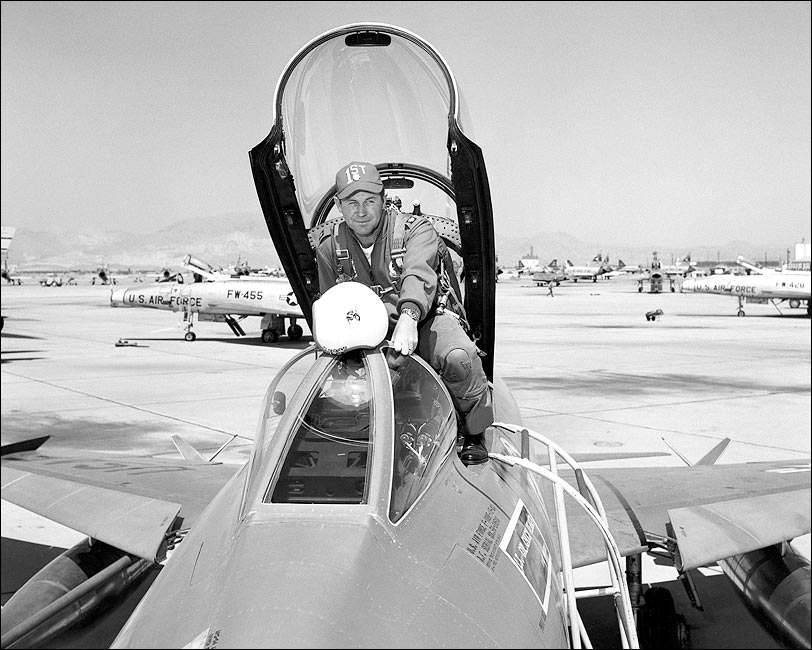
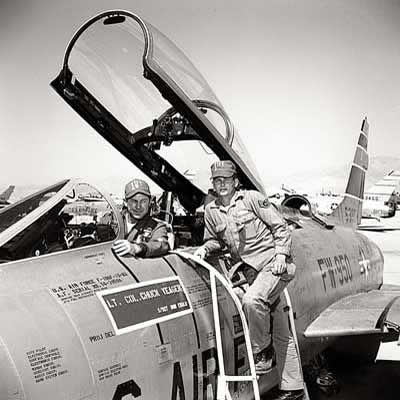
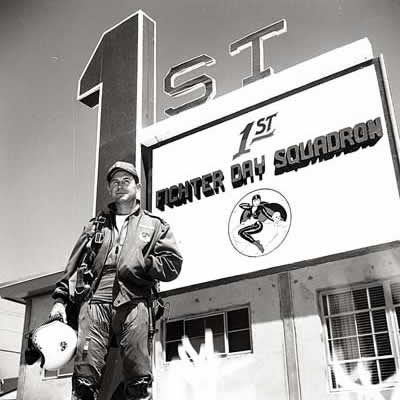
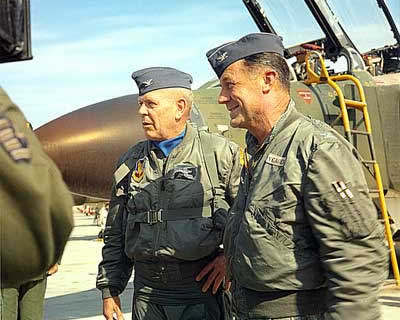
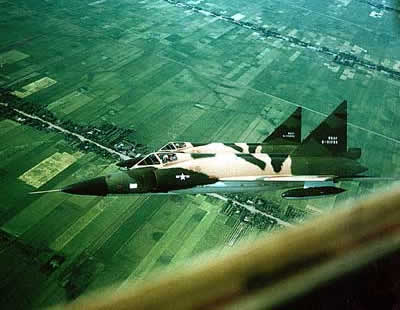
Unlike many famous test pilots, Yeager never lost touch with operational military aviation. Throughout the Cold War he commanded fighter squadrons and wings equipped with frontline aircraft including the F-86 Sabre, F-100 Super Sabre, and F-4 Phantom II.
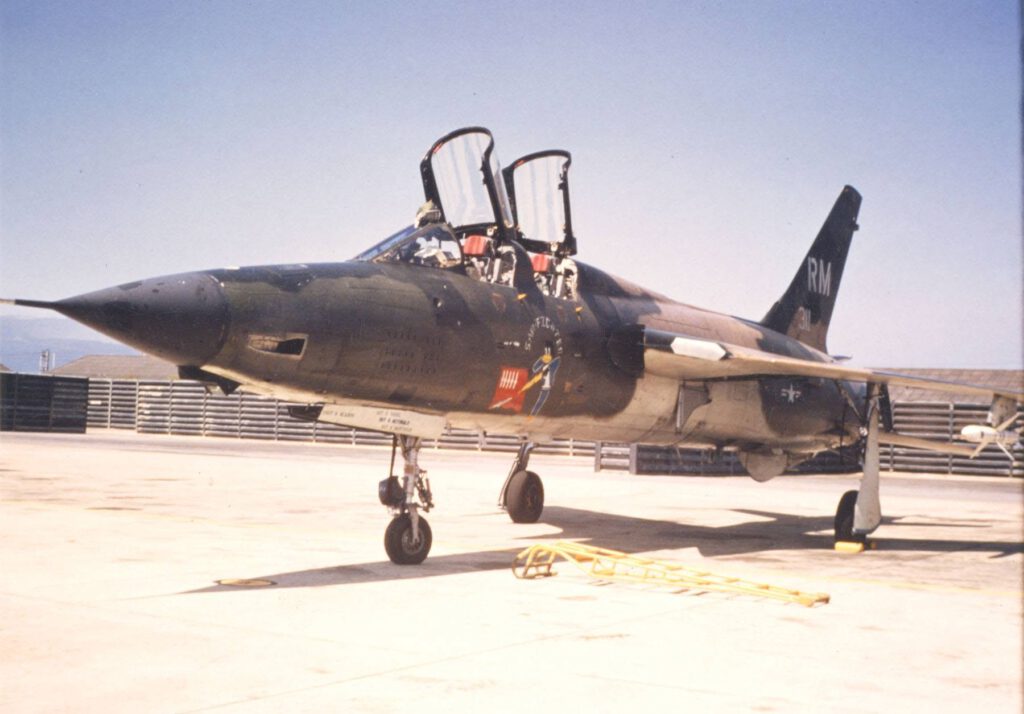
In 1966, he assumed command of the 405th Tactical Fighter Wing in the Philippines. During this assignment, he frequently travelled to Southeast Asia and flew 127 combat missions supporting air operations in Vietnam. Later, he commanded the 4th Tactical Fighter Wing, one of the U.S. Air Force’s premier combat organizations. His willingness to fly operational missions alongside younger pilots earned widespread respect within the service.
His leadership during this period contributed to his promotion to brigadier general in 1969. Few aviators could claim significant achievements as a World War II ace, supersonic test pilot, Cold War commander, and Vietnam combat leader.
An Enduring Legacy
Yeager retired from the Air Force in 1975 after more than 30 years of service. By then he had flown more than 360 aircraft types and had become one of the most recognized aviators in the world. In 1973 he was inducted into the National Aviation Hall of Fame, and in 2013 he was ranked among aviation’s greatest heroes by Flying magazine.
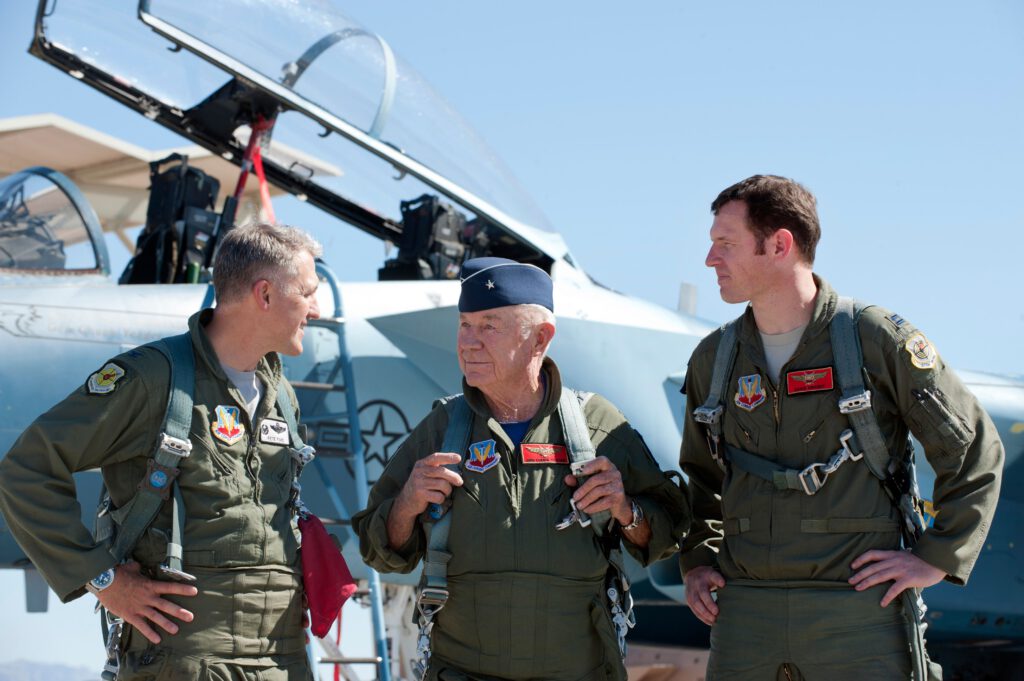
Even after retirement, Yeager remained active in aviation, serving as a consultant, public speaker, and ambassador for flight. In 1997, on the 50th anniversary of his historic X-1 flight, he once again exceeded Mach 1, this time aboard an F-15 Eagle. Fifteen years later, at age 89, he repeated the feat.
When Yeager died in December 2020 at the age of 97, aviation lost one of its true giants. Yet his legacy lives on wherever pilots push boundaries, test new technologies, and venture into the unknown. More than the first man through the sound barrier, Yeager embodied the courage, skill, and relentless curiosity that define the very best of aviation