The Green Pythons Over Southeast Asia
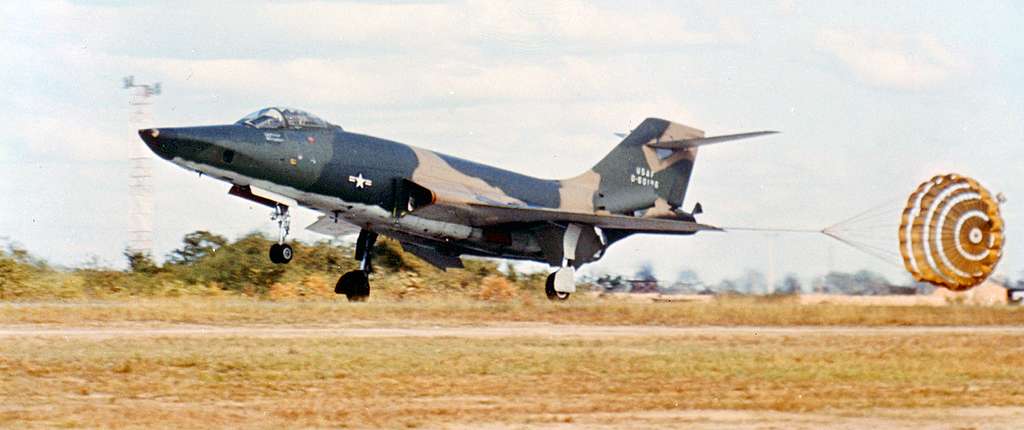
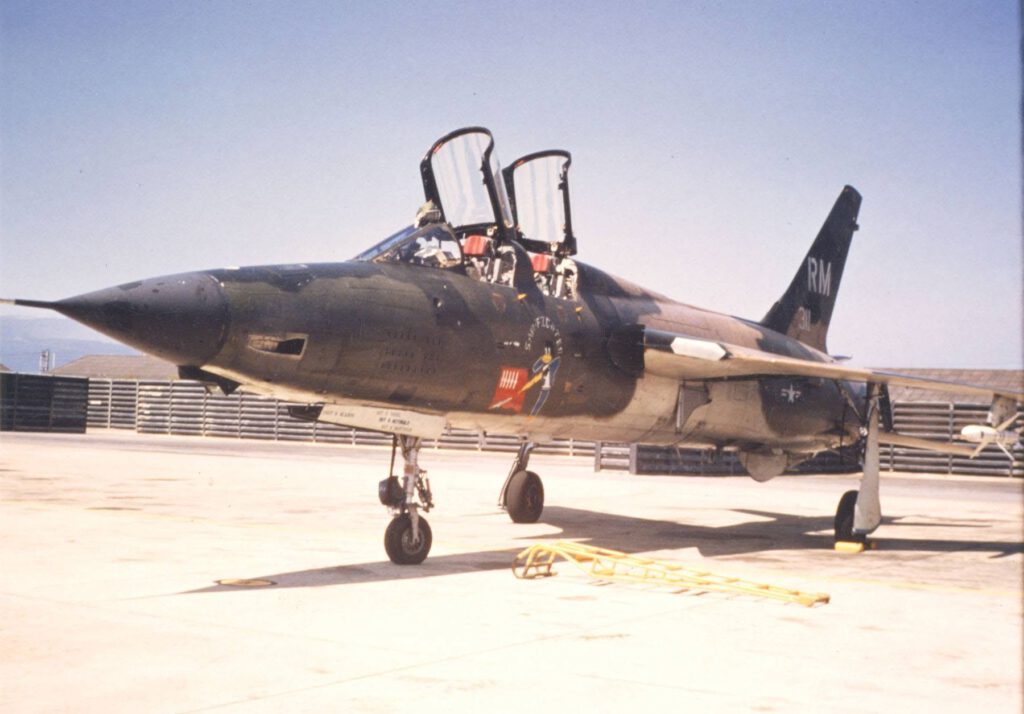
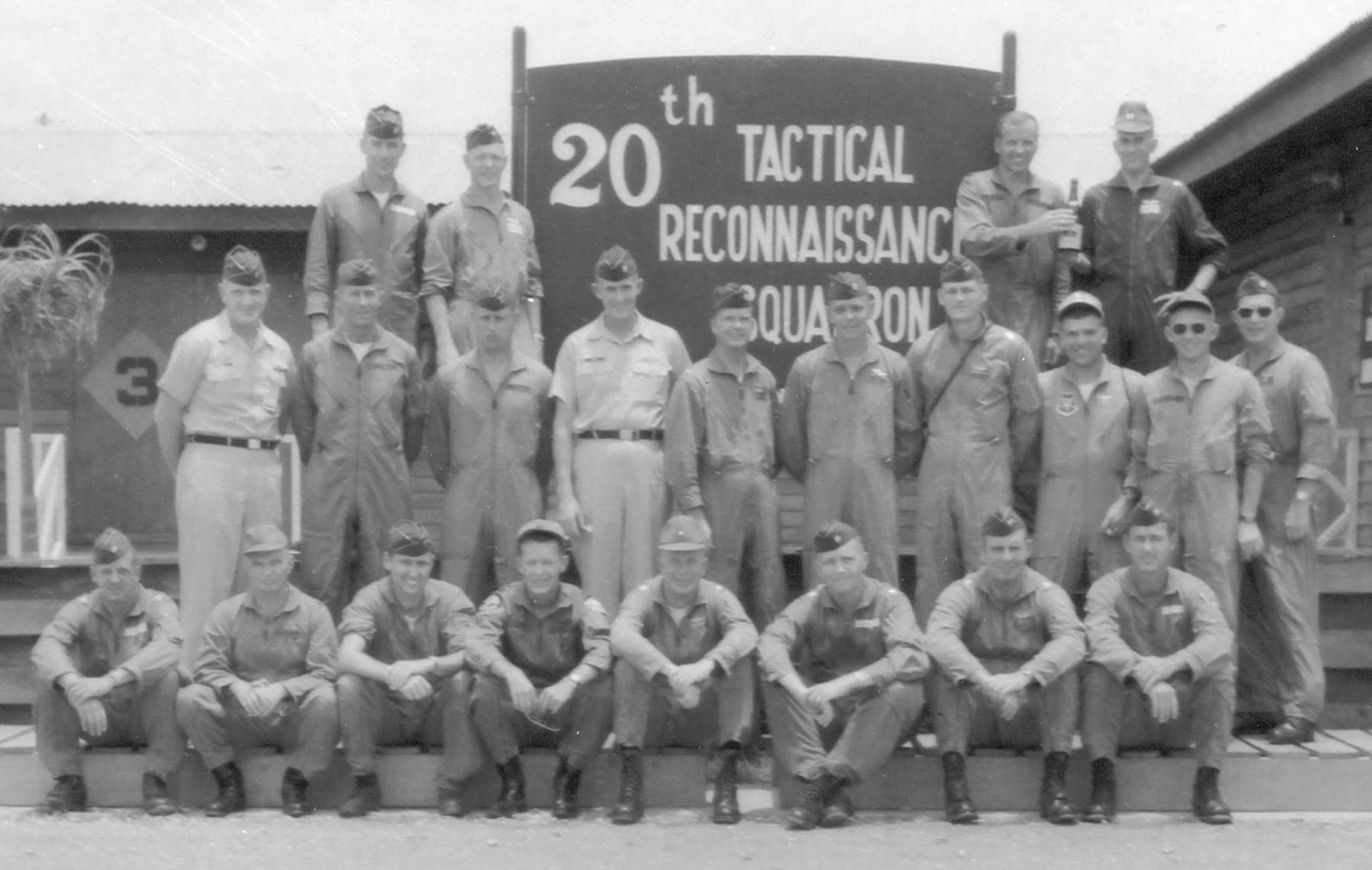
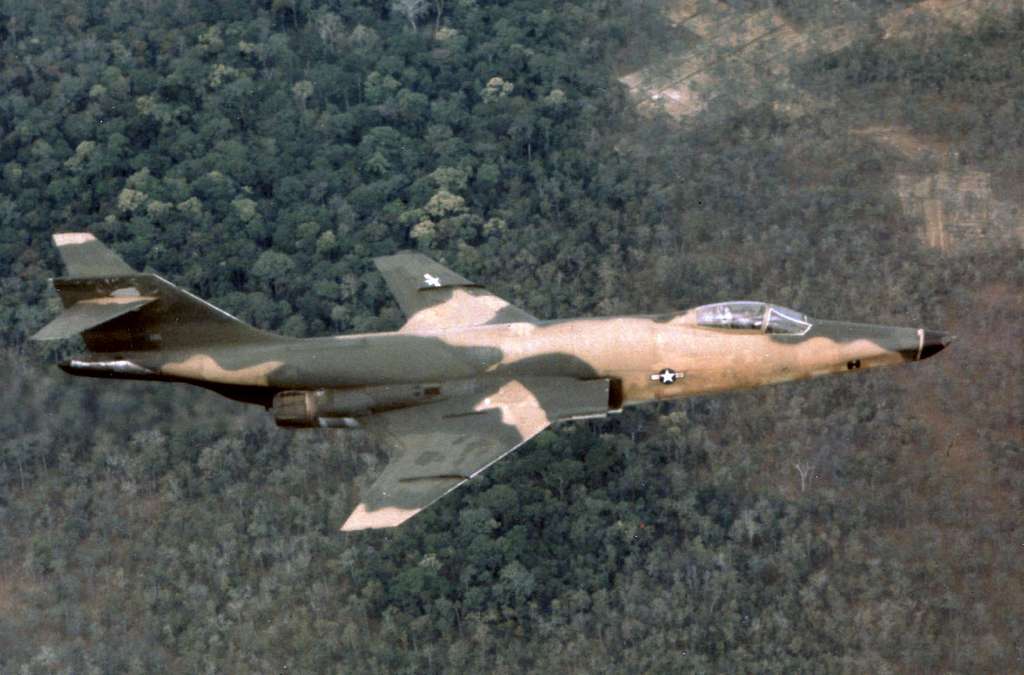
Few USAF units flew more dangerous missions during the Vietnam War than the 20th Tactical Reconnaissance Squadron (20th TRS). Known as the”Green Pythons,” the squadron operated the unarmed RF-101C Voodoo, flying deep over hostile territory to photograph enemy targets, assess bomb damage, locate missile sites, and track North Vietnamese military activity. The intelligence gathered by the squadron became essential to nearly every major American air campaign conducted over Southeast Asia.
Unlike fighter pilots, RF-101 crews had no missiles or guns. Their only defense was speed, altitude, and aggressive flying. As North Vietnam’s defenses grew increasingly sophisticated, the Green Python pilots found themselves flying into some of the most heavily defended airspace in the world.
Squadron Background
The 20th Tactical Reconnaissance Squadron was one of four USAF RF-101C reconnaissance squadrons supporting operations in Southeast Asia during the early years of the conflict. Initially providing crews and aircraft on temporary deployments to South Vietnam and Thailand, the squadron eventually became the only RF-101 unit permanently assigned to Southeast Asia.
By 1966 the squadron had relocated from Tan Son Nhut Air Base, South Vietnam, to Udorn Royal Thai Air Force Base, Thailand, where it became part of the 432nd Tactical Reconnaissance Wing. From Udorn, the Green Pythons flew reconnaissance missions over North Vietnam, Laos, Cambodia, and South Vietnam.
Mission and Operations
The RF-101C Voodoo was among the first USAF jet aircraft to conduct combat operations in Southeast Asia. Its primary missions included:
- Pre-strike target photography
- Bomb damage assessment (BDA)
- Surveillance of transportation networks
- Monitoring the Ho Chi Minh Trail
- Locating surface-to-air missile (SAM) sites
- Airfield reconnaissance
- Strategic photography along the Chinese border
Photographic intelligence from RF-101 sorties was often the only reliable method of determining whether strikes had succeeded or where enemy defenses were concentrated.
Vietnam War Timeline
October 1961
Operation Pipe Stem begins when RF-101Cs deploy to Southeast Asia to photograph suspected Viet Cong strongholds in South Vietnam.
November 1961
Operation Able Mable starts from Thailand, conducting reconnaissance over Laos and South Vietnam.
1962-1964
RF-101 detachments expand operations throughout the region as U.S. involvement increases. Reconnaissance becomes the principal source of aerial intelligence.
May 1964
Operation Yankee Team begins over Laos, providing targeting and intelligence for anti-communist forces. [
March 1965
RF-101s begin regular reconnaissance flights over North Vietnam under Operation Blue Tree and support the opening phases of Rolling Thunder.
1965-1966
The 20th TRS increasingly focuses on North Vietnam, flying pre-strike and post-strike photo missions around Hanoi, Haiphong, rail yards, airfields, and SAM installations.
September 1966
The squadron moves from Tan Son Nhut Air Base to Udorn RTAFB, Thailand, allowing direct support for operations over North Vietnam.
March 1967
Operations Officer Lt Col James “Jim” Brickel completes a famous bomb damage assessment mission over the heavily defended Thai Nguyen steel complex despite severe damage from anti-aircraft fire. He receives the Air Force Cross.
1967
North Vietnamese defenses reach peak effectiveness. RF-101s routinely encounter MiG fighters, SAMs, and intense anti-aircraft artillery. Squadron losses increase.
September 1967
Maj. Bobby Ray Bagley’s RF-101C becomes the only Voodoo confirmed shot down by a North Vietnamese MiG-21. Bagley survives ejection but is captured and held as a POW until 1973.
1968-1969
RF-4C Phantom IIs gradually replace RF-101Cs in frontline reconnaissance missions.
1970
The RF-101’s Vietnam combat career comes to an end after nearly a decade of continuous reconnaissance operations.
Notable Combat Losses
The exact number of combat losses attributable solely to the 20th TRS is difficult to establish from publicly available records because aircraft were frequently transferred between detachments and wings. However, several well-documented squadron losses include:
| Date | Aircraft | Pilot | Cause |
| 20 May 1967 | RF-101C 56-0120 | Maj. Notley Gwynn Maddox | Shot down near Kep, likely by heavy AAA; pilot KIA. [ |
| 16 Sep 1967 | RF-101C 56-0180 | Maj. Bobby Ray Bagley | Shot down by MiG-21 missile; pilot captured and later released in 1973. / |
| 16 Sep 1967 | RF-101C 56-0181 | Capt. Patterson | Lost during follow-on reconnaissance mission after heavy battle damage. Pilot rescued. |
In addition to these losses, numerous RF-101s from the 20th TRS returned with severe battle damage from:
- 37 mm anti-aircraft guns
- 57 mm anti-aircraft guns
- Radar-directed 85 mm batteries
- SA-2 Guideline missiles
- MiG-17 and MiG-21 interceptions
Many Voodoo pilots described North Vietnam’s Route Pack VI area around Hanoi and Haiphong as the most dangerous airspace they had ever encountered.
Legacy
The 20th Tactical Reconnaissance Squadron played a critical role in every phase of the Vietnam air war. While fighter and bomber units received most public attention, the Green Pythons provided the intelligence that made air operations possible. Their photographs identified targets, exposed enemy defenses, tracked logistics networks, and measured strike effectiveness.
The squadron’s pilots flew some of the highest-risk missions of the conflict in aircraft carrying no weapons, often alone and at high speed through concentrated missile and anti-aircraft zones. Their work established the foundation for modern tactical reconnaissance operations and remains one of the most distinguished chapters in USAF reconnaissance history
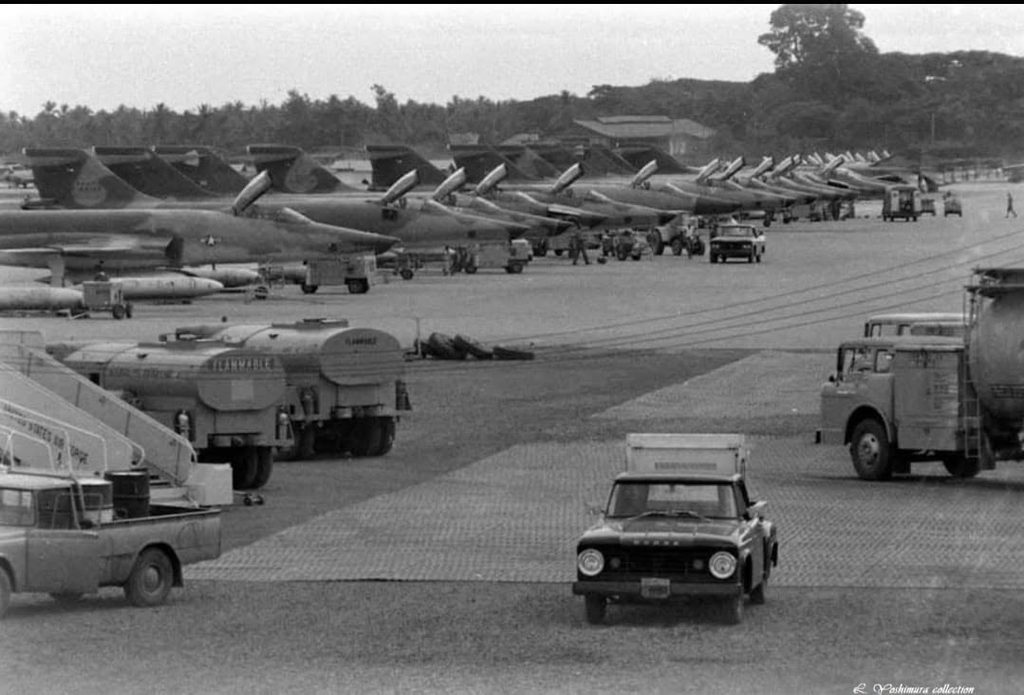
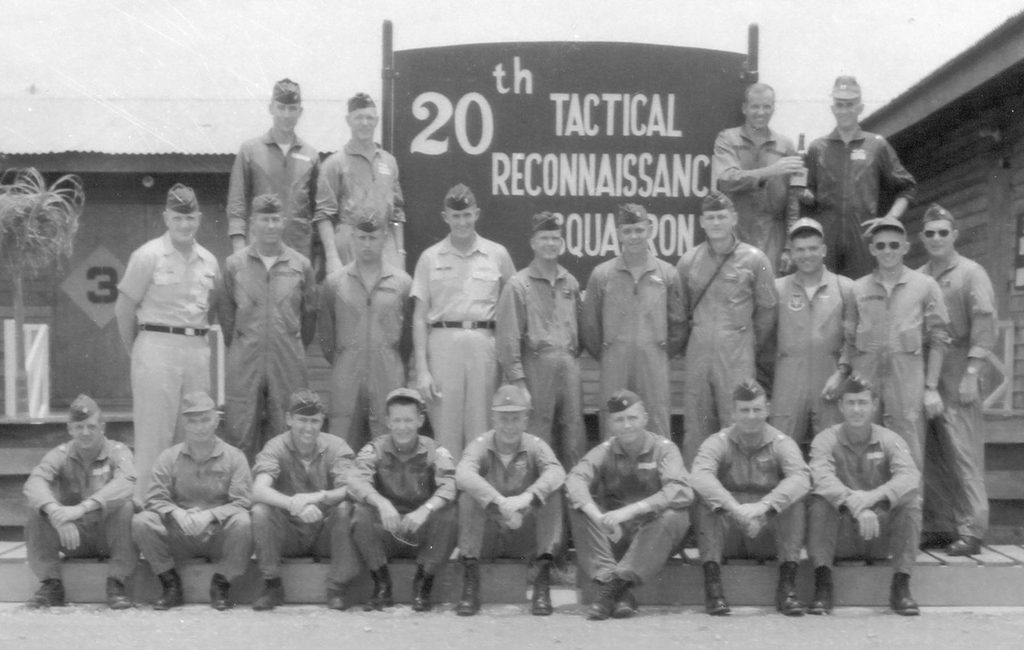
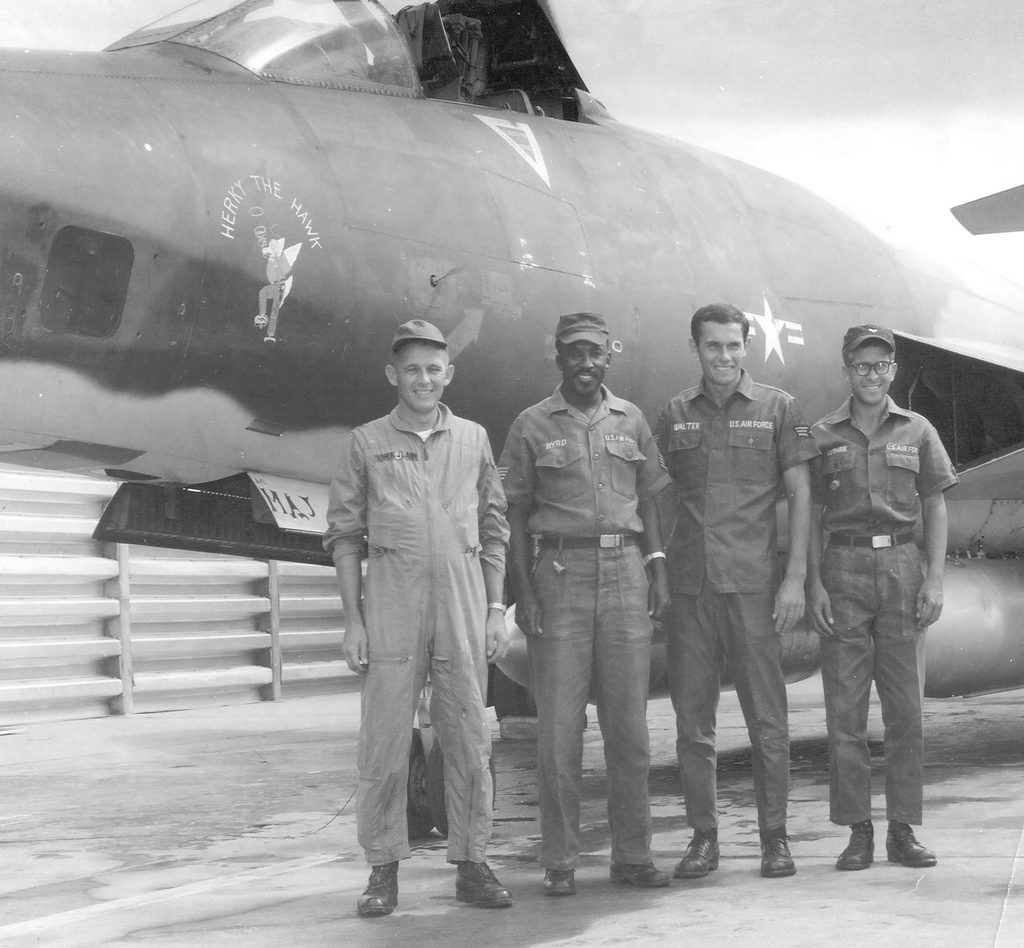
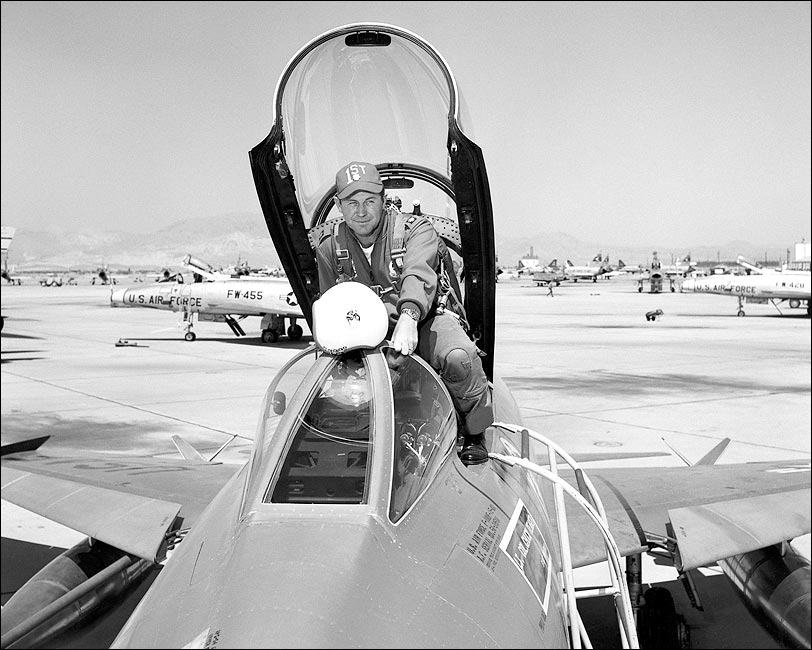
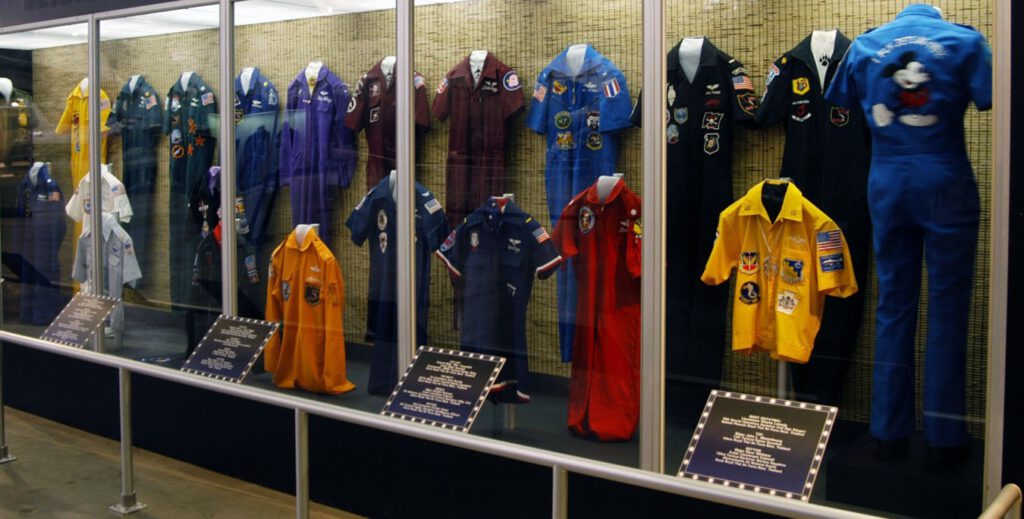
20th Tactical Reconnaissance Squadron photos